When designing a sports hall, one of the most critical decisions is choosing the right flooring. The flooring of a sports hall serves as the foundation for athletic performance and safety, impacting everything from the aesthetic appeal of the facility to the comfort and durability of the surface. While aesthetics and functionality both play significant roles, the balance between durability and comfort is essential to ensure that the floor not only survives the high demands of intense physical activity but also supports the athletes’ performance and reduces their risk of injury.
The primary challenge in sports hall flooring design is creating a surface that is both long-lasting and comfortable. This challenge is particularly evident in multi-purpose sports halls that cater to a range of sports, from basketball to badminton and indoor soccer. A flooring solution must endure heavy foot traffic and the wear and tear of sports equipment, while also providing the right amount of cushioning and grip to enhance the athletes’ experience. Let’s explore why both durability and comfort should be central to your flooring choice.
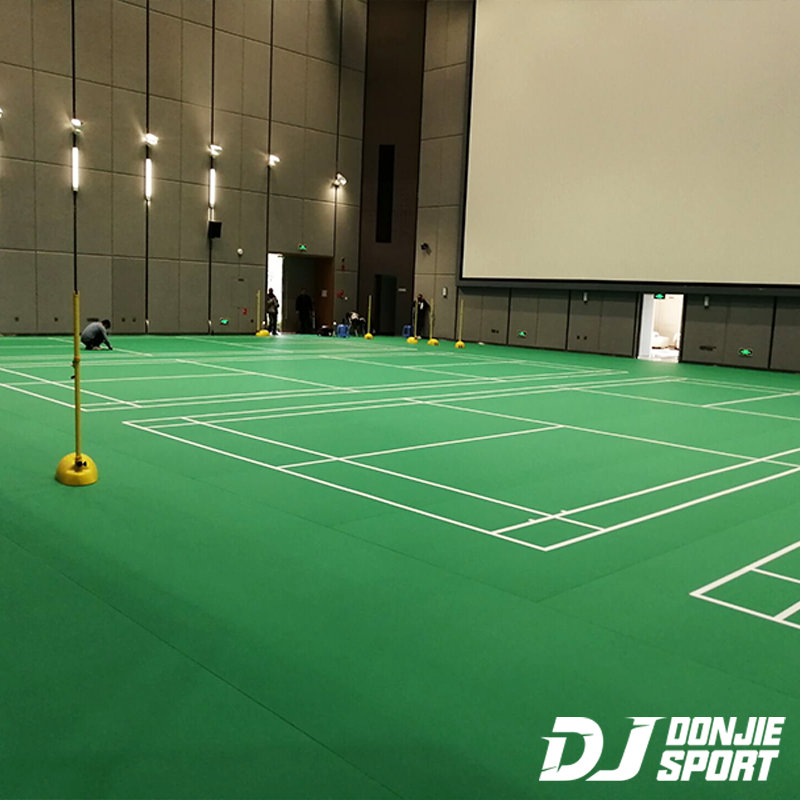
The Key Considerations for Sports Hall Flooring Design
When selecting flooring for a sports hall, there are two primary considerations that should always be prioritized: durability and comfort. Both are integral to ensuring that the facility remains functional and safe for years to come, while also supporting the athletes’ physical performance.
Durability: The Foundation of Long-Lasting Performance
Durability is essential for any sports hall flooring. Given the high traffic and frequent physical activities that occur, it’s crucial that the flooring can withstand continuous use without showing signs of damage or wear. This is especially important in sports halls that serve multiple purposes and cater to a variety of sports, from high-impact games like basketball and volleyball to activities such as aerobics and indoor tennis.
Sports flooring that is highly durable will not only reduce the frequency of repairs or replacements but also contribute to the overall cost-effectiveness of the investment. High-quality, durable materials ensure that your flooring can handle heavy equipment, high-impact movements, and repeated foot traffic without losing its structural integrity.
Comfort: Enhancing Player Experience
Comfort is a critical factor in sports flooring, as it directly affects player performance and overall experience. Flooring that is too hard can cause discomfort, leading to fatigue and a higher risk of injury. On the other hand, flooring that is too soft may lack the necessary support for high-performance sports, causing instability during movement.
The ideal sports hall flooring strikes a balance by providing cushioning and support. This reduces the impact on joints and muscles, making it easier for athletes to perform at their best while minimizing the risk of strain and injury. Comfort, combined with the right level of cushioning, helps athletes feel more confident in their movements, allowing them to focus on their performance rather than on discomfort.
Materials That Offer the Perfect Balance of Durability and Comfort
Finding the right material for sports hall flooring is key to achieving the perfect balance of durability and comfort. Here are some popular options that meet both needs:
PVC Flooring: A Popular Choice for High-Demand Sports Halls
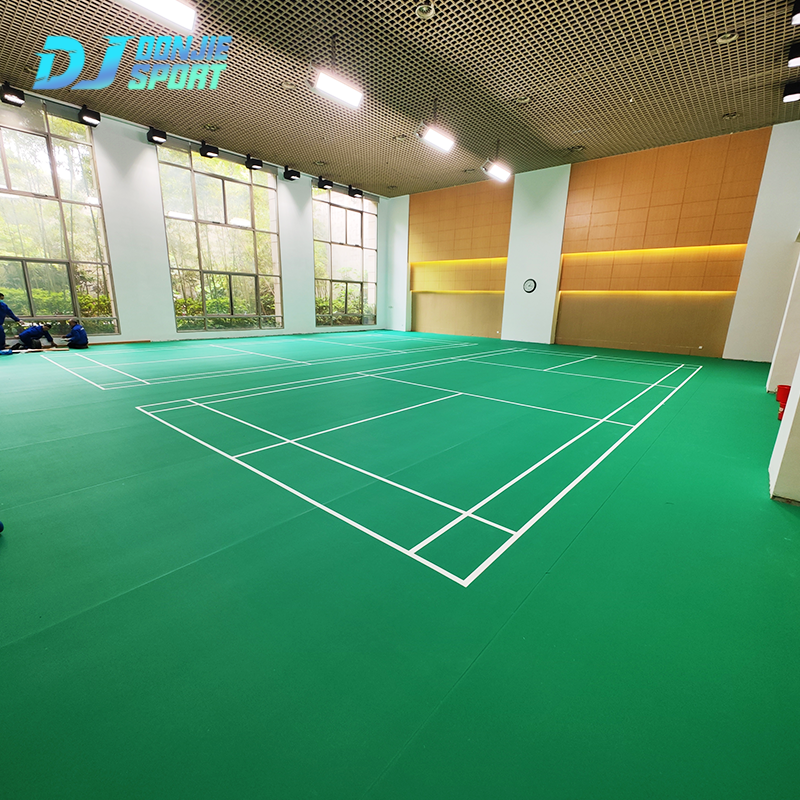
PVC flooring has become a top choice for sports halls due to its durability and flexibility. It can withstand significant wear and tear from both athletic activities and heavy foot traffic. PVC floors are also easy to maintain and come in a wide variety of designs, making them a versatile solution for both aesthetic and practical purposes. Additionally, many PVC options offer sufficient cushioning to reduce the impact on players’ joints, making it an excellent choice for sports that require agility and constant movement.
Rubber and Vinyl Flooring: Combining Support and Cushioning
Rubber flooring is known for its shock absorption capabilities, making it ideal for sports halls that need to protect athletes from the risk of injury. The material’s inherent flexibility and resilience provide a comfortable surface that reduces impact while offering long-lasting durability. Similarly, vinyl flooring is a popular option for sports halls, combining the durability of synthetic materials with a cushioned surface that enhances comfort during physical activities. Both rubber and vinyl flooring offer easy maintenance, making them cost-effective in the long run.
Wooden Floors: A Classic for Comfort and Aesthetic
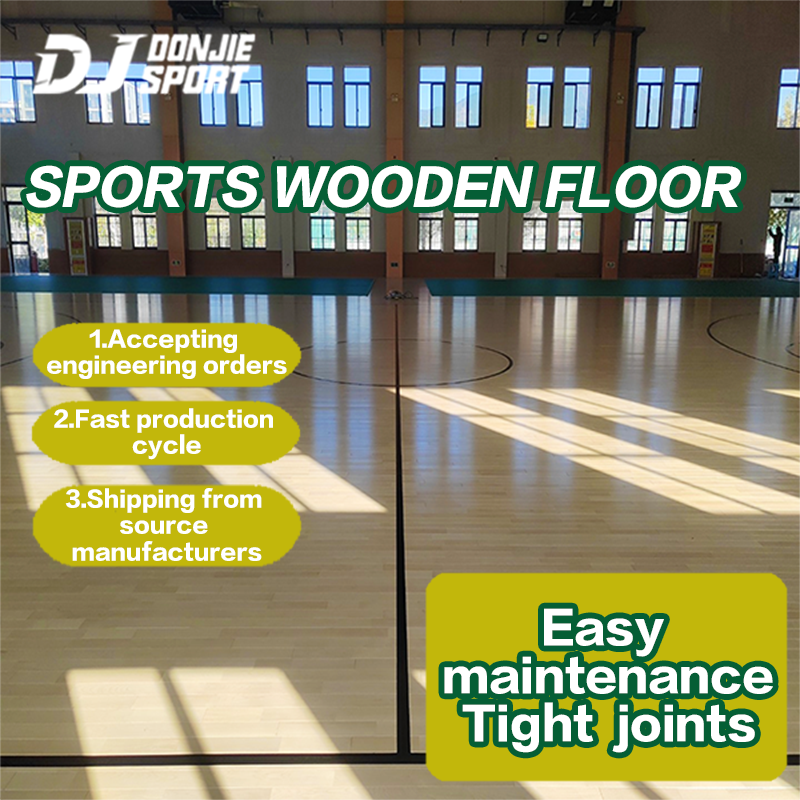
Wooden flooring is often regarded as the gold standard in sports halls due to its natural aesthetic and comfortable surface. Hardwood provides a slightly softer feel underfoot compared to synthetic materials, which is appreciated by many athletes for its natural cushioning. It’s a popular choice for indoor sports like basketball, badminton, and volleyball, where athletes need a responsive yet supportive surface. While wooden floors require careful maintenance and may not be as durable as synthetic options, high-quality engineered wood flooring can offer a balance between comfort and durability.
How Flooring Choice Impacts Athlete Performance and Safety
The type of flooring you choose for your sports hall plays a pivotal role in both the performance of athletes and their safety during play. A good sports floor doesn’t just support high-performance activities but also minimizes the risk of injuries.
Injury Prevention
One of the most critical benefits of high-quality sports hall flooring is injury prevention. Floors that provide adequate cushioning and support reduce the risk of joint strain, sprains, and fractures. For example, floors with superior shock absorption properties can minimize the impact on joints when players make high jumps or abrupt landings. Likewise, the right amount of grip on the floor helps athletes maintain balance and control, reducing the likelihood of slips and falls.
Supporting Peak Performance
The right flooring also supports peak athletic performance. Floors that are too rigid or too soft can hinder players’ movements, affecting their speed, agility, and overall performance. Flooring that offers the perfect balance of firmness and flexibility enables athletes to move with ease, allowing for quicker reactions, better jumps, and enhanced footwork. Additionally, comfortable surfaces that reduce fatigue allow players to perform at their best for longer periods.
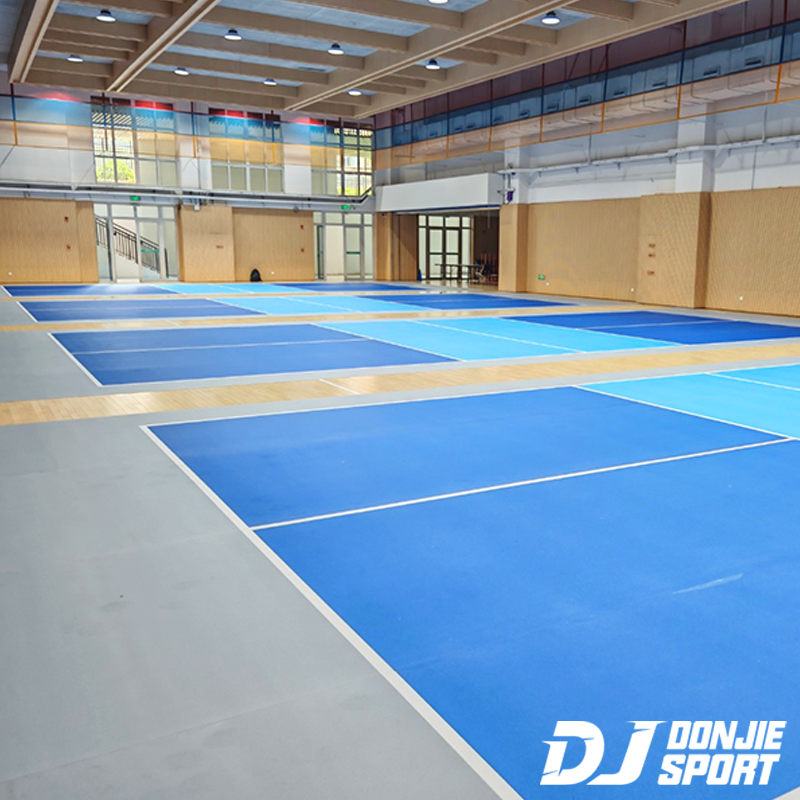
Long-Term Benefits of Investing in High-Quality Sports Hall Flooring
While the initial investment in high-quality sports hall flooring may be higher than opting for cheaper options, the long-term benefits far outweigh the costs. Here are a few key reasons why investing in durable and comfortable flooring is a smart decision:
Cost-Effectiveness Over Time
Durable flooring materials are built to last, which means fewer repairs and replacements over time. The right floor can endure years of heavy use, ultimately saving you money in the long run. Additionally, many high-quality flooring options, such as PVC and rubber, require minimal maintenance, which further reduces long-term costs.
Aesthetic and Functional Appeal
A well-chosen sports hall floor doesn’t just improve the functionality of the facility—it also enhances its overall look. Flooring that combines durability with comfort can create an inviting and professional atmosphere, attracting athletes and visitors alike. Whether it’s the sleek appearance of PVC, the natural beauty of wood, or the modern design of rubber and vinyl, the right flooring adds aesthetic value to the space, enhancing its overall appeal.
Conclusion
Choosing sports hall flooring that is designed for both durability and comfort is essential for maximizing athlete performance, ensuring safety, and reducing long-term costs. With the right materials and thoughtful design, sports halls can become more than just functional spaces; they can be environments where athletes perform at their best while enjoying a safe and comfortable playing surface. Investing in high-quality sports flooring ensures that your facility meets the needs of athletes, keeps maintenance costs low, and offers a visually appealing environment for years to come.