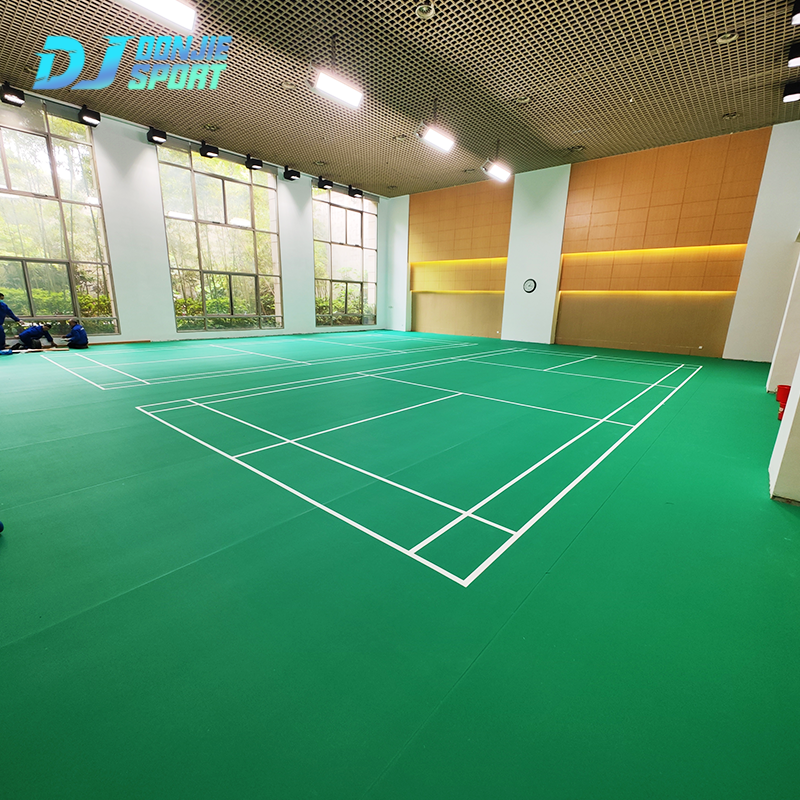
Badminton is a fast-paced sport requiring high levels of agility, speed, and precision. Whether it’s an indoor or outdoor venue, selecting the right flooring for a badminton court is crucial for performance and safety. Synthetic badminton court flooring has become increasingly popular due to its durability, longevity, and the overall advantages it offers in terms of maintenance and cost. This article will explore why synthetic badminton court flooring stands out as the superior choice for facilities looking to invest in a durable and safe playing surface.
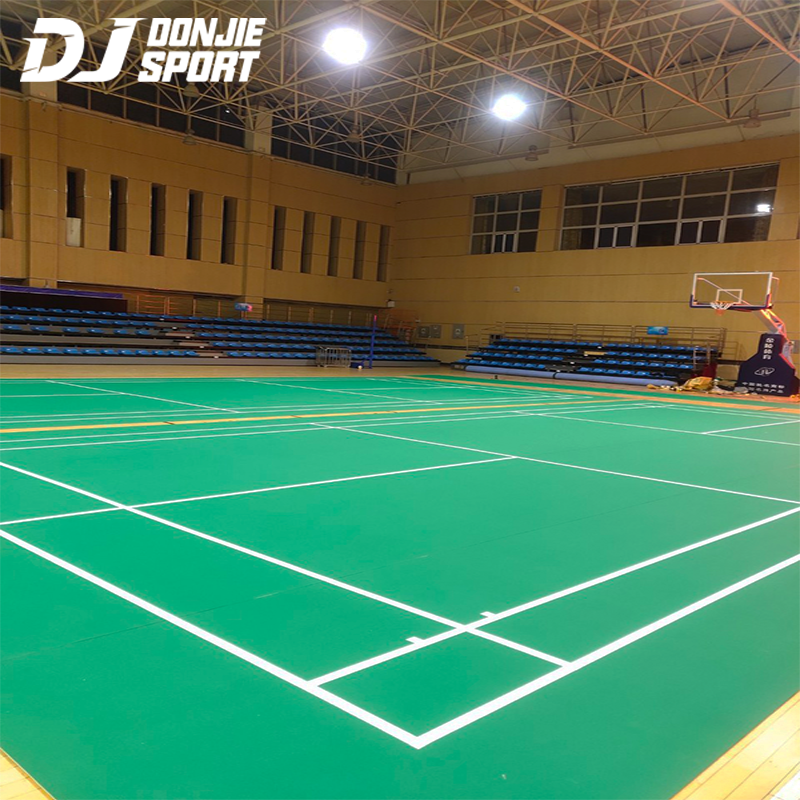
The Benefits of Synthetic Materials in Badminton Court Flooring
Synthetic flooring options, such as PVC, vinyl, and rubber, are designed to offer both durability and flexibility, making them ideal for high-impact sports like badminton. Unlike natural wood or other organic materials, synthetic flooring materials are resistant to moisture, temperature fluctuations, and heavy foot traffic. PVC and rubber flooring, in particular, offer seamless installations that can endure years of wear without compromising the surface quality. They are engineered to handle the stress of constant use, providing a consistent and reliable surface that players can trust.
How Synthetic Flooring Resists Wear and Tear
One of the most significant advantages of synthetic badminton court flooring is its ability to withstand the heavy physical demands of the sport. Synthetic materials, particularly PVC and rubber, are engineered to be highly resistant to scratches, scuffing, and fading. The surface is designed to handle the continuous impact of shuttlecocks, players’ movements, and footwear without degrading quickly. Over time, synthetic flooring maintains its structural integrity, unlike natural wood or concrete courts that may wear out and develop uneven surfaces. This resistance to wear and tear ensures that sports facilities get more years of service from their flooring investment.
Impact of Synthetic Flooring on Player Safety and Comfort
Safety is a top priority in any sports facility. Synthetic badminton court flooring is specifically designed to provide shock absorption, reducing the impact on players’ joints, knees, and ankles. This feature minimizes the risk of injury, which is particularly important in badminton, where quick lateral movements and sudden stops are common. The even surface of synthetic flooring also prevents accidents that may occur due to uneven flooring, such as tripping or spraining an ankle. With its cushioned properties, players can enjoy greater comfort and confidence while playing.
Weather-Resistant Properties of Synthetic Badminton Court Flooring
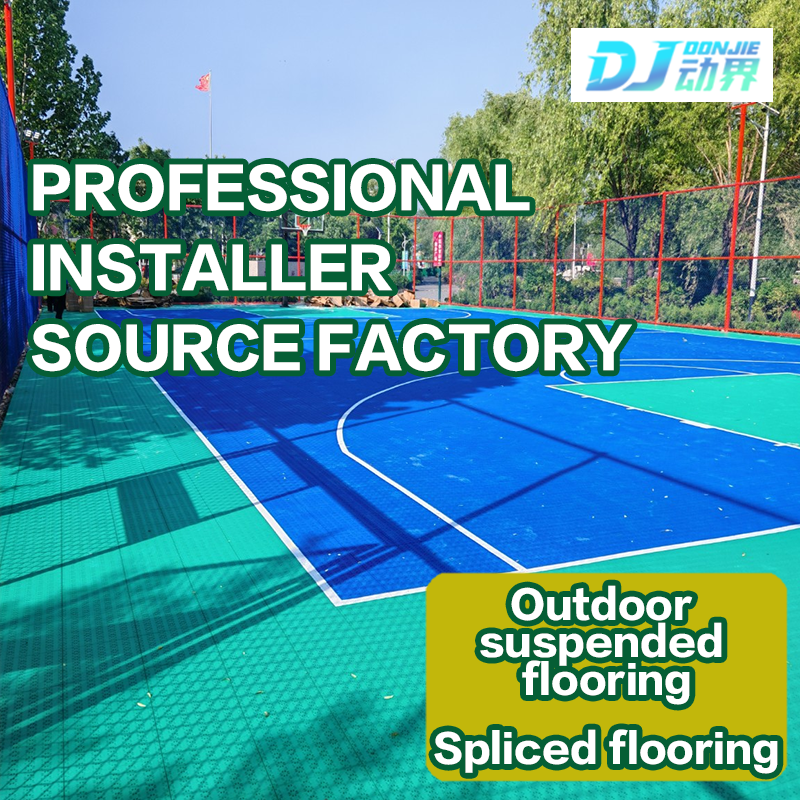
Another key benefit of synthetic badminton court flooring is its ability to resist the challenges of various weather conditions. Unlike traditional wood or outdoor flooring options that may warp or deteriorate due to exposure to moisture and fluctuating temperatures, synthetic flooring is designed to withstand outdoor elements. Whether it’s hot, cold, or humid, synthetic flooring remains stable and functional without compromising its integrity. This makes it an ideal choice for multi-purpose sports facilities that need flooring that can endure diverse environmental conditions without frequent replacements.
Cost-Effectiveness in the Long Run
While synthetic flooring may require a higher initial investment compared to traditional wood or concrete floors, the long-term benefits make it an economically viable choice. Due to its durability, synthetic flooring requires less frequent replacement, saving money in the long run. Additionally, its minimal maintenance requirements—such as occasional cleaning and buffing—ensure that the floor stays in prime condition without high upkeep costs. For sports facilities operating on a budget, synthetic badminton court flooring offers a cost-effective, long-lasting solution.
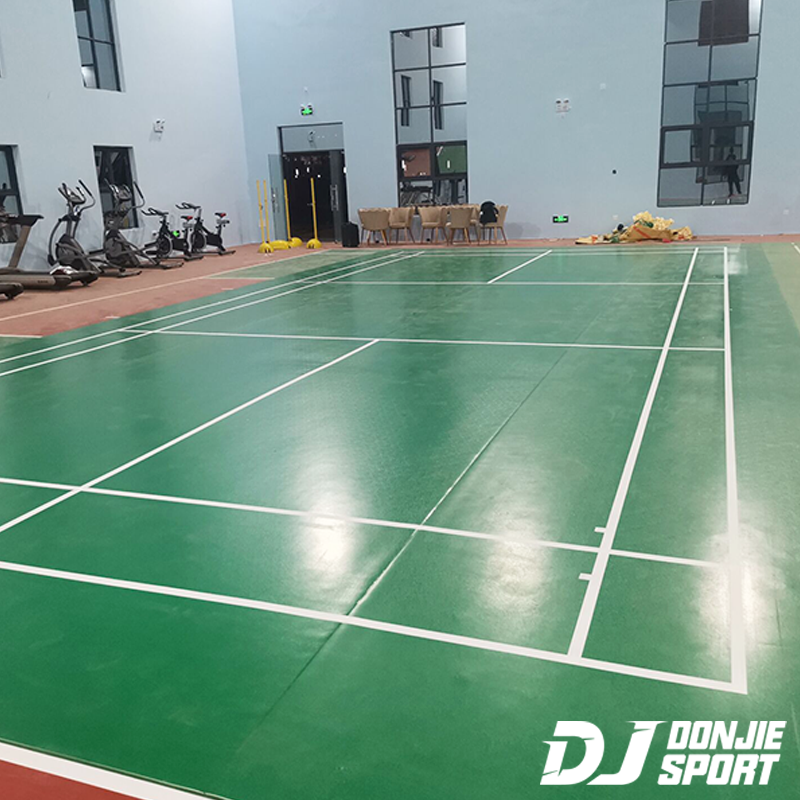
Installation and Maintenance of Synthetic Badminton Court Flooring
Synthetic badminton court flooring is easier and faster to install compared to traditional flooring materials. Many synthetic options come in interlocking tiles or roll-out sheets, allowing for hassle-free installation with minimal disruption to facility operations. Furthermore, synthetic flooring requires less ongoing maintenance. Unlike wood floors that may need refinishing or outdoor courts that require resurfacing, synthetic floors only need basic care, such as periodic cleaning and occasional inspection. This ease of maintenance ensures that the flooring remains in top condition for many years, providing excellent value over time.
Conclusion:
In conclusion, synthetic badminton court flooring offers a range of advantages, from exceptional durability and player safety to cost-effectiveness and minimal maintenance. Whether it’s an indoor or outdoor court, synthetic flooring can withstand heavy use while maintaining its integrity, making it the ideal choice for sports facilities looking to invest in a long-term, high-performance surface. With its ability to resist wear and tear, maintain consistent playability, and provide comfort for athletes, synthetic badminton court flooring is truly a superior option for any sports venue.