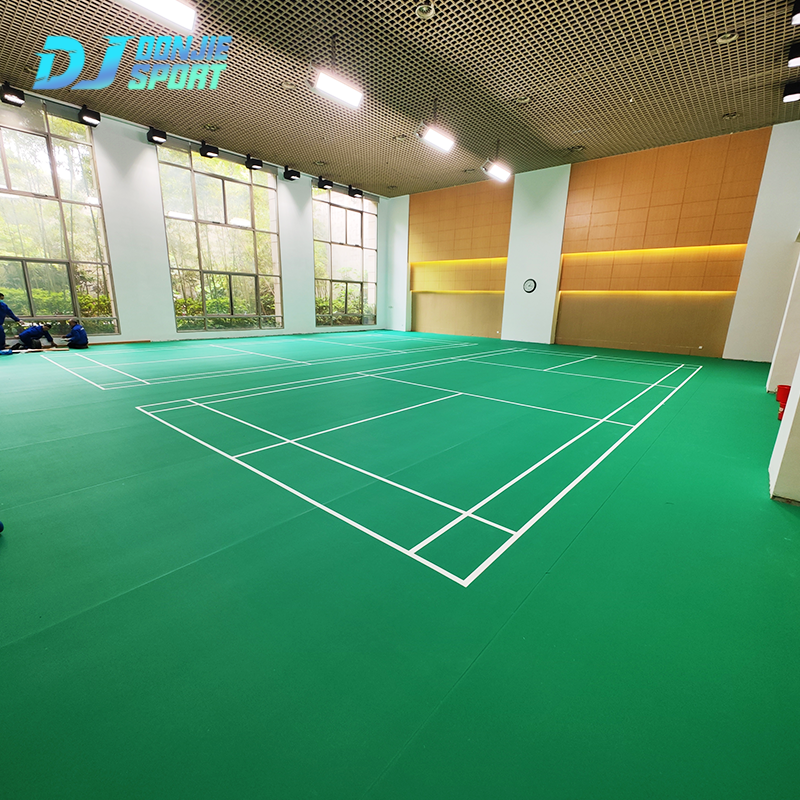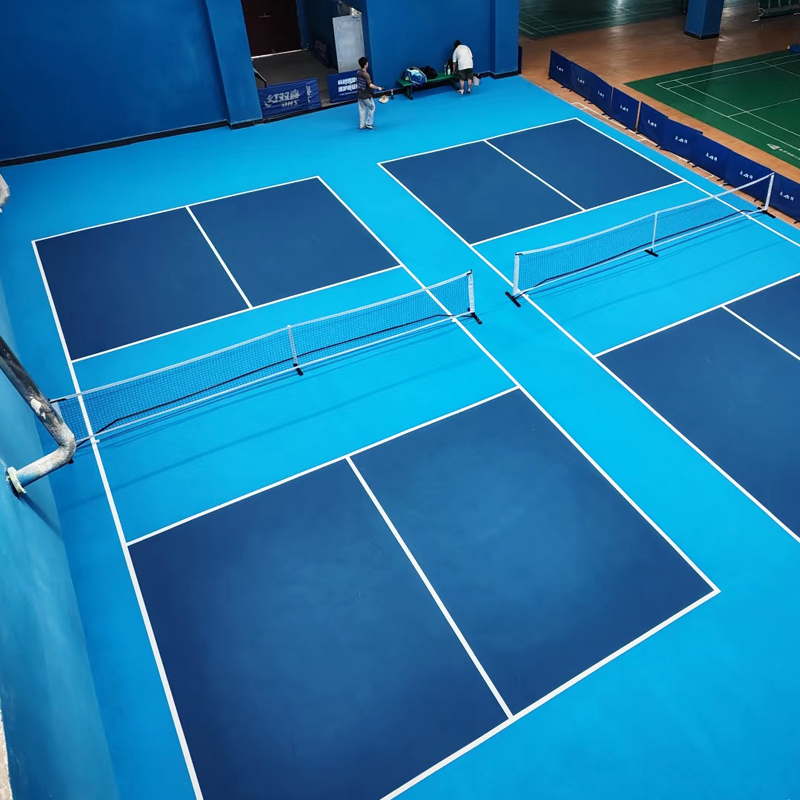
When it comes to professional table tennis, the quality of the flooring is a critical factor that can significantly affect the game. Table tennis flooring is not just about aesthetics; it plays a crucial role in the dynamics of the sport. The ideal flooring provides the perfect combination of bounce, grip, and comfort, all of which are essential for top-level play. Players need flooring that enhances their movement, supports quick reflexes, and ensures safety during intense matches. In this article, we will explore why table tennis flooring is essential for professional play, the types of materials used, and the long-term benefits of investing in high-quality flooring for your table tennis court.
The Impact of Flooring on Table Tennis Performance
The performance of any player is heavily influenced by the surface they are playing on. Table tennis flooring directly impacts the way the ball behaves, how it bounces, and the overall feel of the game. Professional-level play demands consistency in ball bounce, speed, and trajectory. Flooring that is too soft or too hard can cause irregular bounces, affecting the fairness of the game. The bounce of the ball should be predictable, allowing players to react swiftly and accurately. A quality table tennis floor helps ensure that every stroke, serve, and return feels the same, no matter where the player is positioned on the court.
Beyond the ball’s behavior, flooring also affects player movement. Players rely on a stable surface that offers just the right amount of grip to perform quick lateral movements, pivots, and explosive bursts of speed. Slippery surfaces can lead to missed shots or even injuries, while flooring that’s too grippy can restrict movement, causing fatigue and discomfort. The right flooring allows players to move freely and without hesitation, ensuring they can perform at their peak.
Types of Flooring Materials for Table Tennis Courts
There are several flooring materials available for table tennis courts, each with its unique advantages.
-
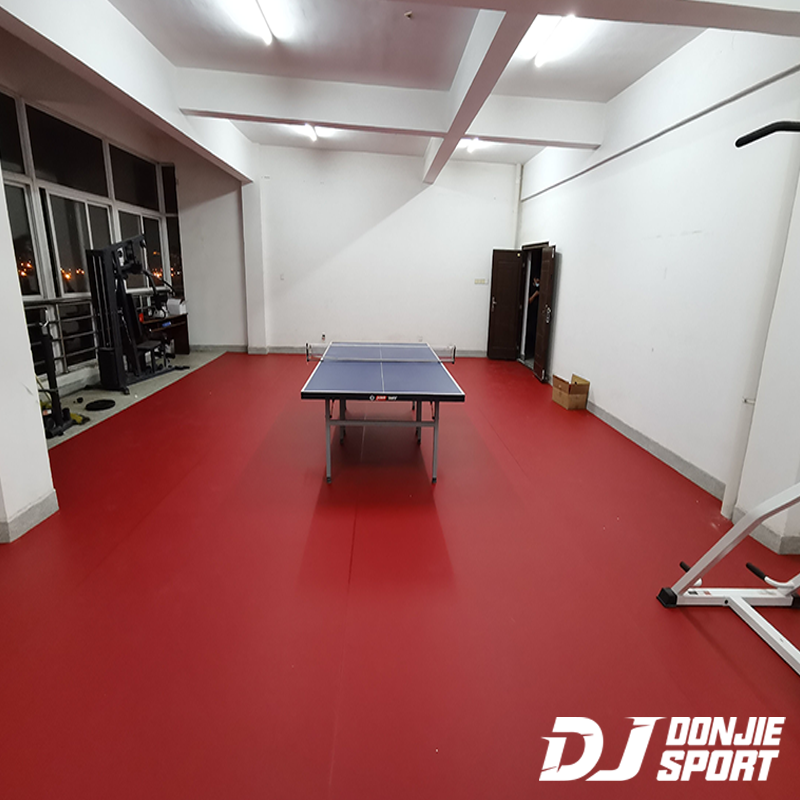
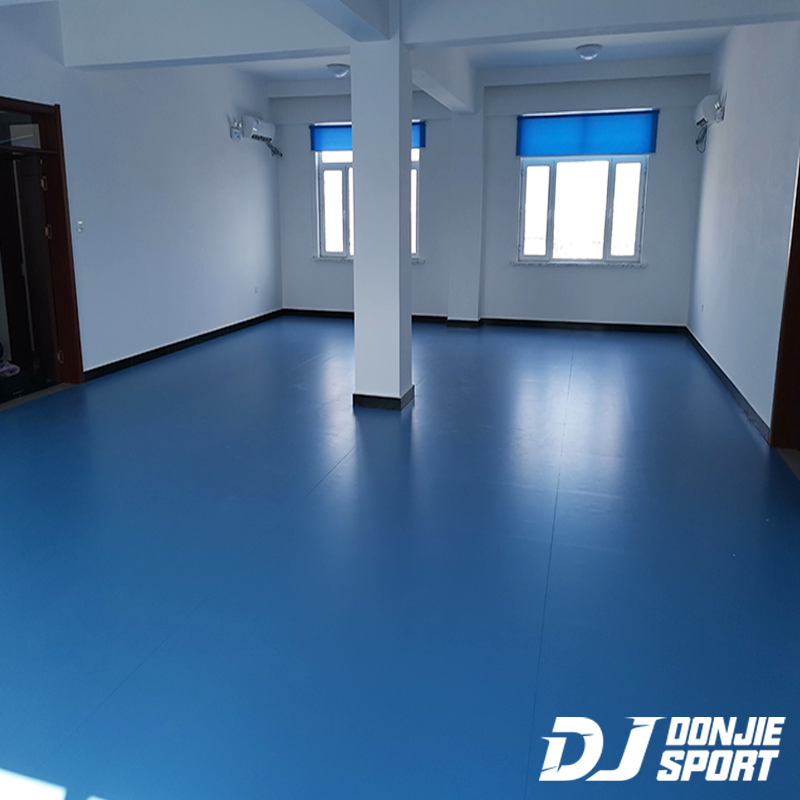
PVC Flooring: Known for its durability and cost-effectiveness, PVC flooring is commonly used in both recreational and professional settings. This material offers excellent resilience to wear and tear, making it ideal for high-traffic areas. It also has a smooth surface that allows for consistent ball bounce, which is crucial in professional table tennis play. PVC floors are also relatively easy to maintain and clean, making them a popular choice for sports venues.
-
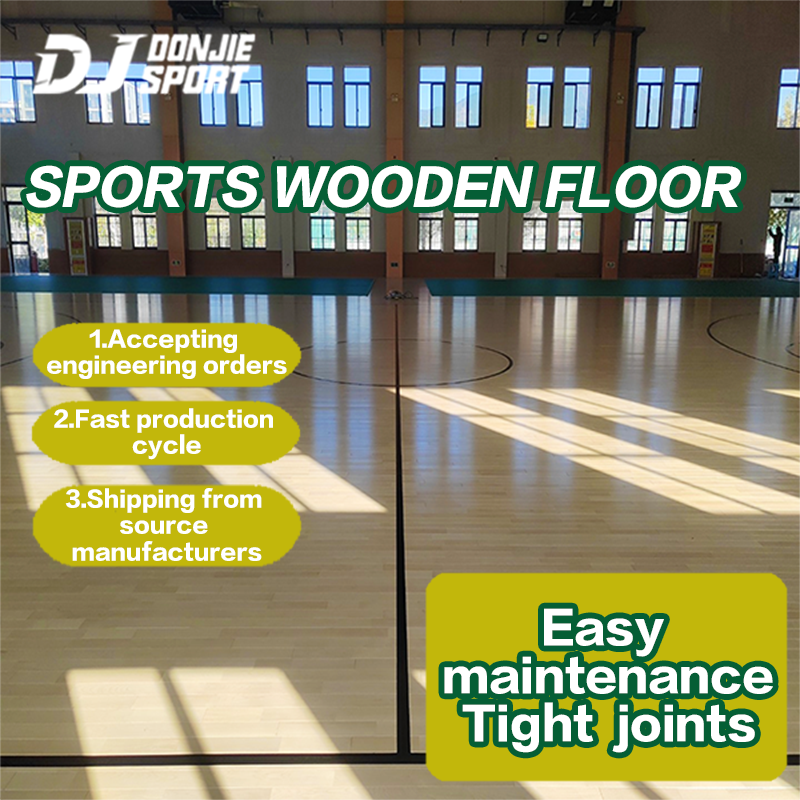
Wood Flooring: Traditional wood flooring is often seen in premium table tennis courts. Its natural properties offer a distinctive bounce and feel that many players prefer. Wood floors, particularly those made of maple, are prized for their aesthetic appeal and consistent bounce. However, wood requires more maintenance than PVC, as it can warp and suffer damage over time due to humidity and heavy use.
-
Synthetic Flooring: Some facilities opt for synthetic materials designed specifically for sports. These floors are engineered to provide superior shock absorption and resilience, which can improve comfort and reduce the risk of injury during play. Many synthetic flooring options are designed with special coatings to enhance ball bounce and minimize player fatigue, providing the optimal surface for high-level table tennis competitions.
-
Specialized Coatings: In addition to choosing the material, it is also important to consider the type of coating used on the flooring. Some floors feature anti-slip coatings that help prevent accidents during high-speed rallies. These coatings also improve the flooring’s ability to resist scratches and stains, extending its lifespan and ensuring consistent performance.
Why Table Tennis Flooring Must Meet Professional Standards
For professional table tennis, flooring must adhere to strict standards set by organizations like the International Table Tennis Federation (ITTF). These regulations ensure that the flooring provides a uniform bounce, reduces the risk of injury, and supports consistent play throughout the competition. ITTF-approved flooring ensures that the game is fair, as it eliminates any variables that could affect the outcome of a match, such as unpredictable ball bounces or unstable surfaces.
Choosing table tennis flooring that meets these professional standards is essential for tournament venues, training centers, and competitive clubs. By investing in certified flooring, facilities guarantee that players can compete at the highest level without worrying about the integrity of the surface beneath them. Meeting these standards also boosts the credibility of the facility, making it more attractive to athletes, coaches, and tournament organizers.
Maintenance and Longevity of Table Tennis Flooring
Proper maintenance of table tennis flooring is vital to preserving its functionality and appearance over time. While high-quality flooring is designed to be durable, it still requires regular cleaning and care to maintain its performance. Dust, dirt, and grime can affect the bounce of the ball and increase the wear on the surface. Therefore, it’s essential to use appropriate cleaning methods and ensure that the floor is regularly inspected for damage, such as cracks or stains.
One significant advantage of materials like PVC and synthetic flooring is their longevity. They are resistant to wear, water damage, and staining, making them easier to maintain than traditional wood floors. Wooden floors, on the other hand, require periodic refinishing to keep them in top condition, and they may need to be replaced sooner than synthetic floors if they are exposed to excessive moisture or heavy use.
By choosing the right table tennis flooring and investing in regular maintenance, facilities can extend the lifespan of their floors, reduce long-term costs, and ensure that they continue to perform optimally for years to come.
Benefits of Investing in Professional Table Tennis Flooring
Investing in high-quality table tennis flooring brings numerous benefits to both players and facilities. For players, the primary advantage is the improved comfort and safety provided by a well-designed playing surface. Flooring that is engineered to support quick movements, provide consistent bounce, and reduce fatigue helps players perform at their best while minimizing the risk of injury. Whether it’s a training facility or a competition venue, ensuring player safety should always be a priority.
From a financial perspective, quality flooring can save money in the long term. Flooring that is durable and low-maintenance requires fewer repairs or replacements, reducing overall operating costs. Facilities with top-tier flooring also benefit from increased reputation, attracting more players and tournaments. Furthermore, creating an environment where athletes can perform their best leads to better outcomes, whether in training or competitive play.
Ensuring Optimal Play with the Right Table Tennis Flooring
In conclusion, table tennis flooring is an essential aspect of professional play. It directly influences the ball’s behavior, player movement, and overall game quality. Choosing the right flooring for your table tennis court ensures consistency, performance, and safety, creating the ideal environment for athletes to excel. Whether you opt for PVC, wood, or synthetic flooring, it is crucial to invest in materials that meet international standards and offer the durability and maintenance advantages necessary for long-term use.
By understanding the importance of flooring in table tennis, facilities can ensure that they provide the best possible playing surface for their players, enhancing both performance and safety. Investing in professional-grade flooring is not just a luxury; it’s an essential component of a high-quality sports venue.