
Volleyball is a fast-paced sport where players rely on speed, agility, and precision to perform at their best. While physical fitness and skill are crucial, the type of flooring on which the game is played also plays a pivotal role in enhancing player performance. Volleyball flooring is not just about aesthetics or comfort—it’s about creating a safe, high-performance environment that supports the athletes. In this article, we will explore why volleyball flooring is key to enhancing player performance, preventing injuries, and providing long-term value for sports venues.
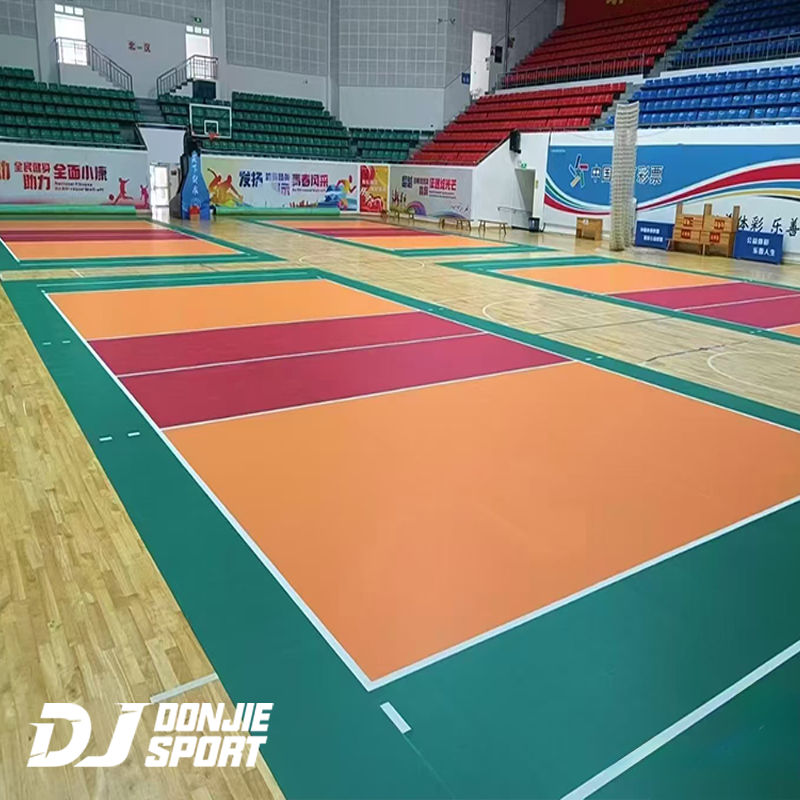
The Impact of Flooring on Player Movement
Flooring can dramatically influence a player’s movement on the court. A surface that is too slippery or too rigid can hinder agility, making it harder for athletes to perform quick, dynamic movements such as jumps, digs, and slides. High-quality volleyball flooring allows for smooth, fluid movement while providing enough grip for players to change direction quickly without losing balance.
The surface’s responsiveness directly impacts the players’ ability to stop and start with speed. Shock-absorbing floors help reduce the jarring impact of jumps and landings, which is critical for preventing injuries, especially in a sport that involves frequent high jumps and rapid lateral movements. As a result, athletes can maintain a higher level of energy and reduce fatigue during the game, enabling them to perform at their peak.
Safety Considerations: Preventing Injuries
One of the most important roles of volleyball flooring is its ability to minimize the risk of injury. Volleyball is a contact sport that involves quick direction changes, intense jumps, and fast lateral movements. Without the proper flooring, players are more prone to falls, sprained ankles, and knee injuries. This is where specialized flooring systems come into play.
High-quality volleyball flooring is designed to offer a degree of shock absorption, helping to reduce the strain on players’ joints. For example, wood and cushioned vinyl floors absorb the impact of a player’s jump, minimizing stress on the knees and lower back. Non-slip surfaces are also crucial for preventing accidental slips during fast movements, providing athletes with the stability they need to perform quick pivots and jumps without the risk of slipping.
By investing in professional-grade volleyball flooring, sports facilities can ensure that their players are competing in a safe environment. The risk of injuries can be reduced significantly, allowing athletes to focus on their performance rather than worrying about safety concerns.
Enhancing Performance with Proper Flooring Material
When selecting flooring for volleyball courts, it is essential to understand how different materials affect performance. The most common flooring options for volleyball include hardwood, synthetic materials (such as rubber and PVC), and cushioned vinyl. Each material has its own unique benefits and can enhance player performance in various ways.
Wood Flooring: Hardwood flooring remains one of the most popular choices for volleyball courts due to its resilience, aesthetics, and performance-enhancing qualities. Wood flooring provides a balanced combination of grip and slide, allowing players to move with ease while still maintaining control during their jumps. It also offers excellent shock absorption, reducing the impact on the body during intense play.
Synthetic Flooring: Synthetic volleyball court tiles made from rubber or PVC are becoming increasingly popular due to their durability and ease of maintenance. These floors are designed to be slip-resistant, making them ideal for high-intensity games. They also provide excellent cushioning, which helps protect athletes from injuries while offering consistent performance over time.
Cushioned Vinyl: This type of flooring is often used in multi-sport facilities. It offers excellent shock absorption and reduces the wear on players’ joints. Cushioned vinyl flooring also provides consistent performance in terms of grip and traction, making it a great choice for volleyball players who require a balanced surface for fast-paced movement.
Each flooring material offers its own set of advantages, but it is essential to choose the one that best meets the needs of the players, ensuring an optimal balance of safety, comfort, and performance.
Durability and Maintenance: Long-Term Benefits for Sports Venues
While player performance is paramount, the durability and long-term maintenance of volleyball flooring are equally important considerations for sports facilities. Volleyball courts experience heavy foot traffic, frequent jumps, and fast-paced movements, which can quickly wear down subpar flooring. High-quality volleyball flooring is designed to withstand this kind of constant use, ensuring that it remains in top condition for years to come.
Durable flooring systems, such as wood or high-end synthetic tiles, require minimal upkeep. For example, hardwood floors can be refinished when worn down, and synthetic floors can be easily cleaned and maintained. This longevity and ease of maintenance not only help reduce operational costs but also ensure that the court remains a high-performance environment for players. With the right flooring, facilities can ensure that their courts are always ready for action without the need for frequent repairs or replacements.
Aesthetic Appeal: Flooring and Its Role in Court Design
Beyond performance and safety, the aesthetic appeal of volleyball flooring can also enhance the overall experience for both players and spectators. A well-designed volleyball court not only serves its functional purpose but also creates an inspiring and motivating environment for athletes. Custom volleyball court tiles can be used to design a court that reflects a team’s identity, school spirit, or a professional venue’s branding.
High-quality flooring materials allow for a sleek, professional finish that adds to the visual appeal of the venue. Bright, vibrant designs can energize players and spectators alike, boosting morale during games. Moreover, visually appealing courts help to attract more attention to the sport, encouraging new players and fans to get involved.
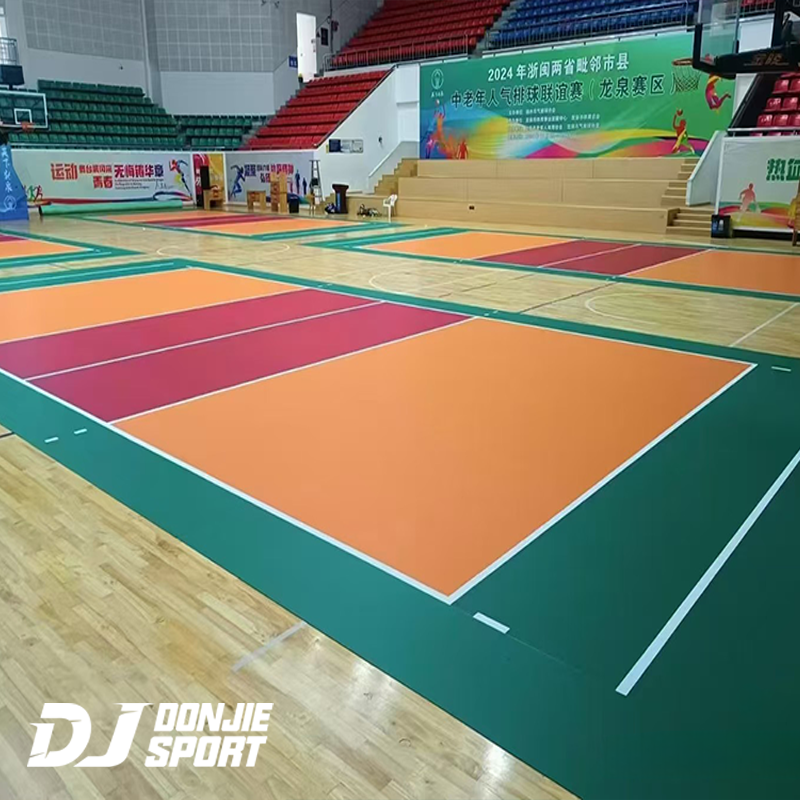
Factors to Consider When Choosing Volleyball Flooring
Selecting the right flooring for a volleyball court depends on several factors. The size and intended use of the facility are crucial in determining the best type of flooring. For instance, a professional indoor volleyball court requires top-tier hardwood or high-performance synthetic flooring to ensure optimal conditions for play. However, for recreational or community courts, more cost-effective options, like cushioned vinyl or synthetic tiles, may be more appropriate.
Additionally, climate considerations must be taken into account. For outdoor volleyball courts, it is essential to choose materials that can withstand weather fluctuations, such as extreme heat, humidity, or rain. This ensures that the flooring remains safe and durable under various environmental conditions.
Investing in Quality Volleyball Flooring for Optimal Performance
Volleyball flooring is far more than just an aesthetic choice for sports facilities—it is a crucial element that directly impacts player safety, performance, and the overall game experience. The right flooring allows players to perform at their best, minimizes the risk of injuries, and enhances the visual appeal of the court. Whether you choose hardwood, synthetic materials, or cushioned vinyl, investing in high-quality flooring will provide long-term benefits for players and sports venues alike.



