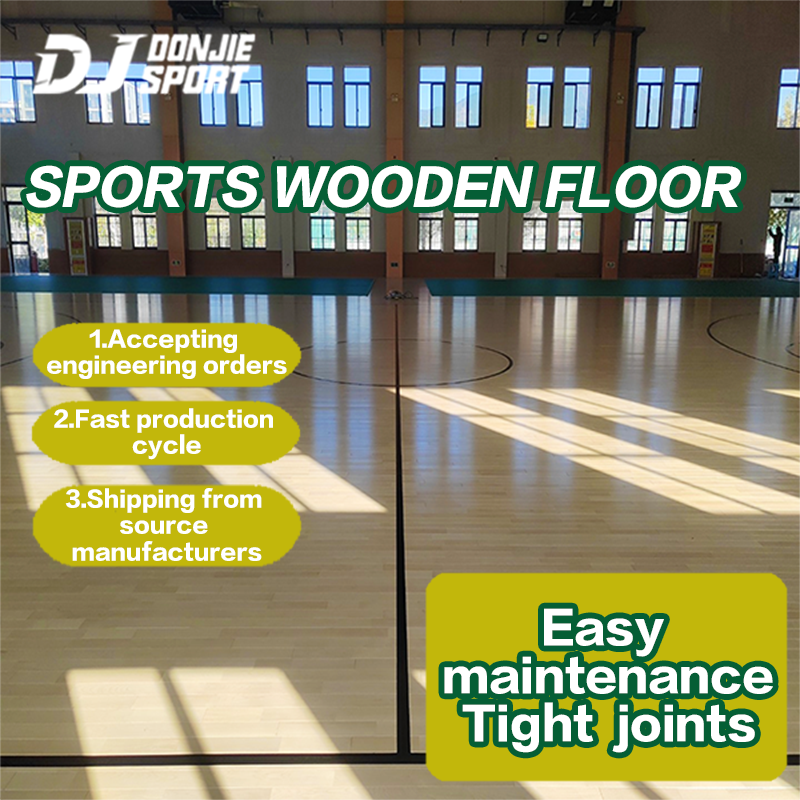
Wood basketball floors are a staple of both amateur and professional basketball courts. Their aesthetic appeal, durability, and long-lasting performance make them a favorite choice for gyms, schools, and sports facilities. However, maintaining these floors requires consistent care and attention to preserve their quality and ensure optimal performance.
This article will guide you through the essential steps to keep your wood basketball floors in excellent condition, from daily maintenance to professional refinishing. Whether you’re managing a high-traffic court or a home gym, this guide will help you understand the best practices for floor care.
Understanding Wood Basketball Floors
Why Choose Wood?
Wood basketball floors are a popular choice for their timeless look and superior performance. The natural wood texture provides a consistent bounce for the ball, making it ideal for players. Additionally, wood flooring offers shock absorption, reducing the risk of injury during play. It’s no surprise that professional basketball leagues prefer wood floors for their courts.
The distinct aesthetic of a polished wood court also enhances the look of any gymnasium. With proper maintenance, a wood basketball floor can last for decades while retaining its beauty and functionality.
Types of Wood Used in Basketball Floors
The most common wood used for basketball courts is hard maple, specifically North American maple. This wood variety is known for its resilience and resistance to wear. It has a dense grain structure, which helps to maintain its smooth finish even under heavy use.
Other woods, such as oak or birch, are occasionally used, but they are less common due to cost and durability concerns. Hard maple remains the gold standard for professional courts and most recreational facilities due to its perfect balance of performance, aesthetics, and longevity.

Daily Maintenance Tips for Wood Basketball Floors
Sweeping and Dusting
Regular sweeping is one of the most important daily tasks for maintaining your wood basketball floor. Dust and debris can accumulate quickly and cause abrasions or even lead to permanent damage if left unattended. Use a soft-bristled broom or a dust mop to remove dirt from the surface.
For larger facilities, consider using a vacuum cleaner designed for hardwood floors. A vacuum with a soft brush attachment will be gentle on the wood while effectively removing dirt and debris. Aim to clean the floor at least once a day, especially after heavy use.
Spot Cleaning
Accidents happen, and spills are inevitable on the basketball court. To prevent stains, quickly clean up spills as soon as they occur. Use a damp microfiber cloth to blot the spill, and avoid rubbing the area, as this can push the liquid deeper into the wood.
For sticky substances like gum or candy, use a plastic scraper to carefully lift the material off the floor. If any residue remains, dampen a soft cloth with warm water and a mild wood cleaner to remove it.
Deep Cleaning and Annual Maintenance
Deep Cleaning Process
In addition to daily cleaning, your wood basketball floors will benefit from a more thorough cleaning at least once every few months. This involves using a specialized wood floor cleaner and a microfiber mop to remove dirt and grime that has built up over time. Make sure to avoid using water in excess, as standing moisture can damage the wood over time.
It’s essential to follow the manufacturer’s recommendations on cleaning products to avoid using harsh chemicals that may strip the wood’s finish or cause discoloration. Look for pH-neutral cleaners that are designed specifically for wood floors.
Refinishing Your Wood Basketball Floors
Over time, even with the best care, the finish on wood basketball floors will begin to show signs of wear. When the floor starts to look dull, scratched, or scuffed, it may be time for refinishing. This typically needs to be done every 3-5 years, depending on the amount of foot traffic the court receives.
Refinishing involves sanding down the old finish and applying a new layer of protective coating to restore the floor’s shine and durability. You can hire professionals for this task or, if you’re skilled, you can do it yourself using specialized sanding equipment.
Polishing and Maintaining Shine
To keep your court shining, use a wood floor polish designed specifically for basketball courts. Regular polishing helps to maintain the floor’s smoothness, prevents buildup of dirt, and improves overall grip. Always follow the manufacturer’s guidelines on how often to polish, and be sure to use products that are safe for wood surfaces.
Protecting Your Wood Basketball Floors from Damage
Preventing Scratches and Dents
Wood floors are prone to scratches and dents, especially in high-traffic areas. To minimize the risk of damage, encourage players to wear clean, non-marking shoes. Avoid dragging heavy equipment or furniture across the court, and always lift rather than slide.
During off-seasons or when the court is not in use, consider placing protective floor mats over the wood surface to shield it from dust, dirt, and potential impacts.
Dealing with Moisture
Moisture is one of the most damaging factors for wood floors. Excessive humidity or liquid spills can cause the wood to warp or swell. Ensure that your gymnasium or sports facility is well-ventilated to reduce humidity levels.
In high-humidity areas, consider using a dehumidifier to keep moisture levels in check. Additionally, be sure to clean up spills immediately to prevent liquid from seeping into the wood.
Temperature Control
Temperature fluctuations can also affect the integrity of wood basketball floors. Keep the temperature of the facility consistent and avoid sudden changes in temperature, as this can cause the wood to expand or contract.
Maintaining a stable environment with temperature-controlled systems will help preserve the quality of your court and prevent damage due to contraction or expansion.
Ensuring Safety on Wood Basketball Floors
Slip Resistance
While wood basketball floors are known for their smoothness, they must also provide enough traction to prevent slips and falls. Ensure that your floor is properly maintained and clean to avoid slipping hazards. A freshly waxed or polished floor may be slippery, so it’s essential to give it enough time to dry.
In addition, consider applying a specialized non-slip finish to areas where players may be more prone to slipping, such as around the basket or near the three-point line.
Routine Inspections
Regular inspections are key to maintaining both the aesthetics and safety of your court. Check for any loose or damaged boards, cracks, or nails that may pose a safety hazard. Repairing small issues early can prevent them from becoming more significant and costly to fix.
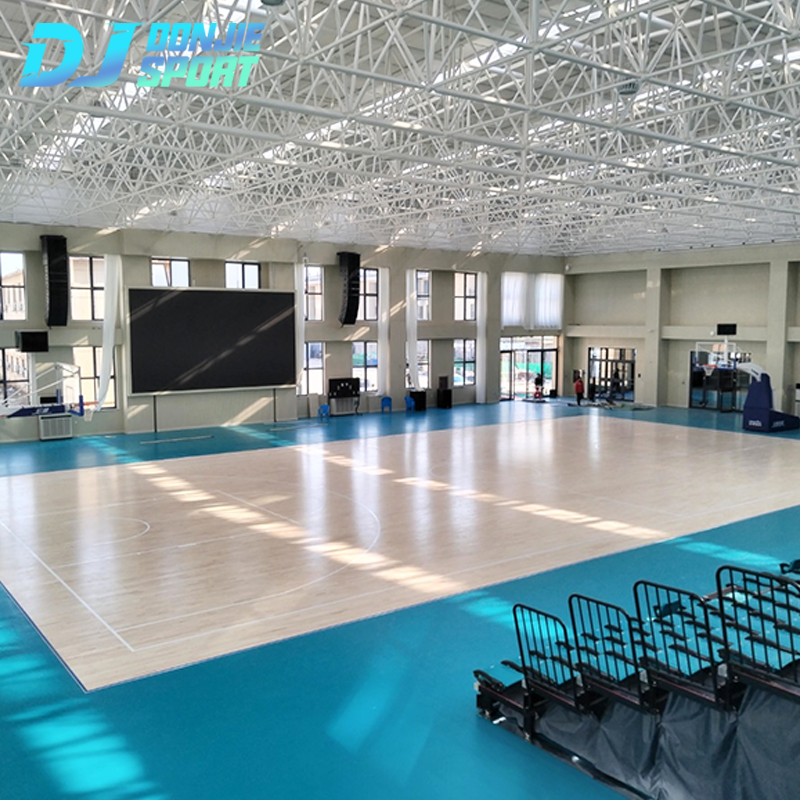
Hiring Professional Help for Wood Basketball Floors
When to Call a Professional
If you notice significant wear and tear on your floor that you cannot repair yourself, or if refinishing seems beyond your expertise, it’s best to call in a professional. Skilled floor care specialists can properly restore the floor’s shine and make necessary repairs to maintain its safety and functionality.
Choosing a Floor Care Specialist
When selecting a professional, make sure they are experienced with basketball court maintenance. Look for specialists who use the latest equipment and eco-friendly cleaning products to ensure the best results without damaging the wood. Always ask for references and check reviews to ensure you’re hiring a reputable service.
Conclusion
Maintaining your wood basketball floors is essential to ensuring their longevity, safety, and performance. By following a regular cleaning and maintenance schedule, you can keep your court in top condition for years to come. Remember to stay proactive with daily care, deep cleaning, and refinishing as needed, and always be vigilant for signs of damage. Your investment in quality care will pay off with a beautiful, durable, and safe court.