When designing or upgrading a sports venue, one of the most important decisions you’ll face is choosing the right flooring material. The flooring not only affects the aesthetic appeal of the space but also plays a critical role in the performance and safety of athletes. Whether you’re outfitting an indoor basketball court, volleyball arena, or multi-purpose sports hall, the type of flooring you select can have a lasting impact on the venue’s functionality. In this article, we’ll compare three popular options: Wood, PVC, and PP flooring, helping you determine which is the best choice for your high-performance sports venue.
Each type of flooring offers distinct advantages and challenges, from wood’s traditional elegance to the practical benefits of PVC and PP flooring solutions. By understanding the characteristics of each option, you can make an informed decision that will not only enhance your venue’s performance but also ensure long-term durability and cost-effectiveness.
The Role of Flooring in High-Performance Sports Venues
Flooring in sports venues serves more than just an aesthetic function; it directly influences player performance, safety, and overall comfort. For athletes, the right flooring ensures better traction, shock absorption, and stability, reducing the risk of injuries and improving their overall game. For venue owners, choosing the right flooring material can impact maintenance costs, lifespan, and the facility’s ability to cater to various sports.
When selecting flooring for a high-performance sports venue, several key factors must be taken into account:
-
Durability: Sports venues experience heavy foot traffic, especially during peak hours. The flooring material must be able to withstand constant wear and tear from athletes, coaches, and equipment.
-
Shock Absorption: Proper shock absorption is essential for reducing the impact on players’ joints and muscles. This helps prevent injuries and improves comfort during play.
-
Traction: Adequate grip is essential to prevent slipping and ensure safe movement, especially in fast-paced sports.
-
Maintenance: Some flooring options require frequent upkeep, while others offer low-maintenance solutions. Balancing performance and maintenance needs is crucial for long-term cost-efficiency.
-
Aesthetic Appeal: A visually appealing court enhances the overall experience for both players and spectators. Flooring should align with the venue’s design and branding, creating a professional and inviting atmosphere.
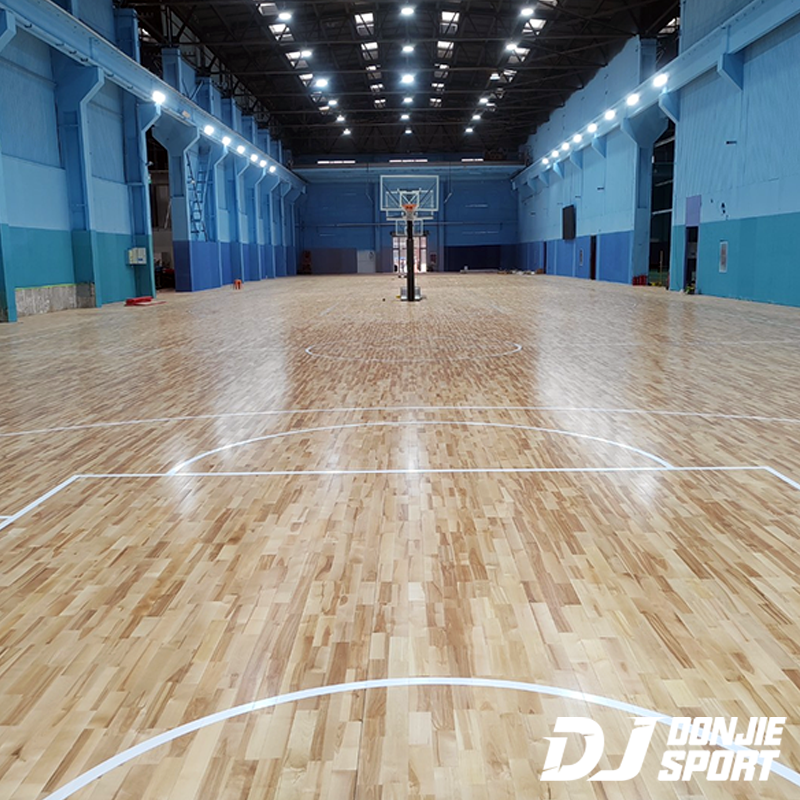
Wood Flooring – Classic Elegance and Performance
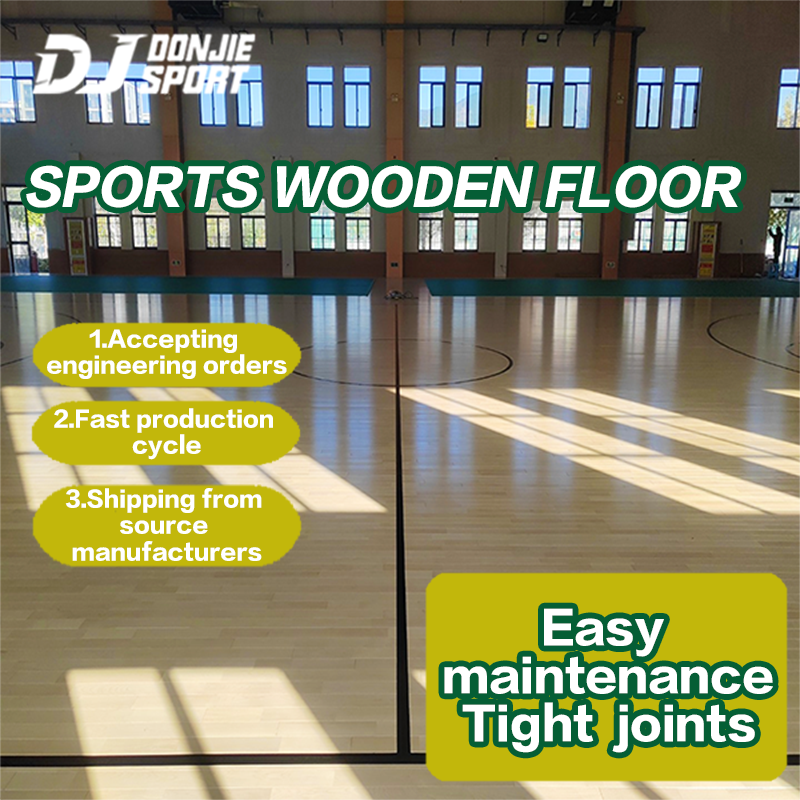
Wood flooring is a staple in many sports venues, offering a combination of aesthetic appeal and solid performance. Its traditional look and feel have made it the go-to choice for several indoor sports, including basketball, volleyball, and badminton. But how does wood stand up to the demands of high-performance sports?
Characteristics of Wood Flooring
Wood flooring is known for its natural warmth and timeless elegance. The clean, polished look of a hardwood court enhances the overall atmosphere of any venue. Its versatility allows it to fit into various types of sports facilities, whether it’s a professional basketball arena or a multi-purpose hall.
Advantages for High-Performance Sports
Wood flooring provides an exceptional balance of comfort and performance. The material naturally offers excellent shock absorption, reducing the risk of impact-related injuries, which is crucial for sports that involve frequent jumps and fast movements like basketball and volleyball. The high-quality finish of wood also contributes to its slip-resistance, providing athletes with the grip they need to make quick, precise movements.
In terms of aesthetics, few materials can match the rich, polished look of wood. It’s a material that is visually appealing both to players and spectators, often conveying a sense of tradition and professionalism.
Maintenance Requirements and Costs
While wood offers numerous benefits, it requires significant upkeep. Regular cleaning, refinishing, and polishing are essential to maintain its performance and appearance. Wood is also sensitive to moisture, making it vulnerable to damage in humid environments or during spills. These maintenance requirements can drive up the long-term cost of keeping a wood floor in top condition.
Disadvantages and Limitations
Despite its benefits, wood flooring has several drawbacks. The high maintenance needs, particularly refinishing and occasional repairs, can make it an expensive option for sports venues. Furthermore, wood can warp or crack if exposed to water, and it’s prone to scratches and dents from heavy use or sharp objects. For venues with high traffic, these issues can become a challenge over time.
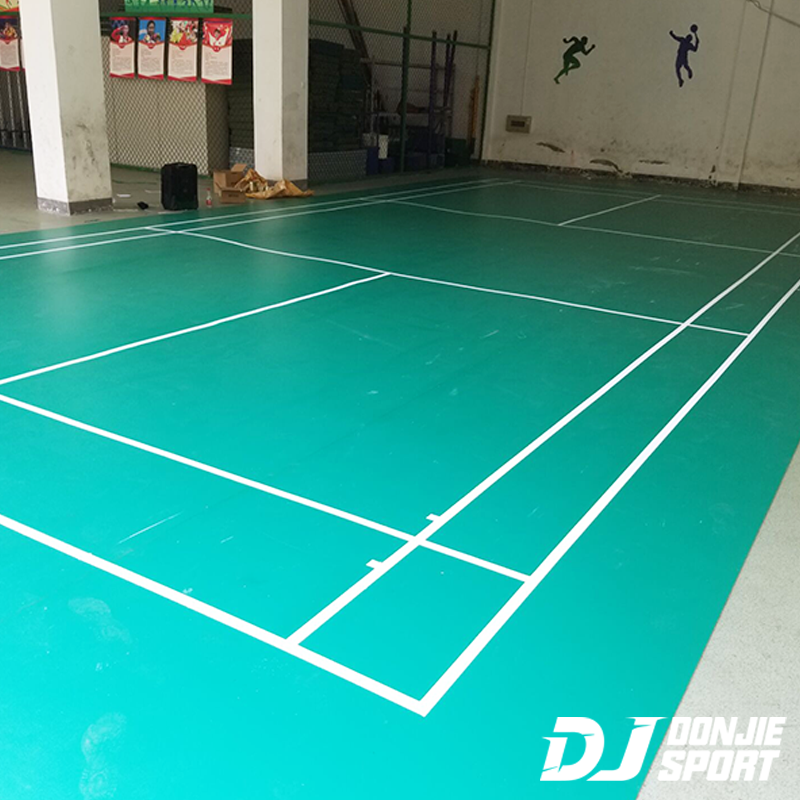
PVC Flooring – Durability and Versatility
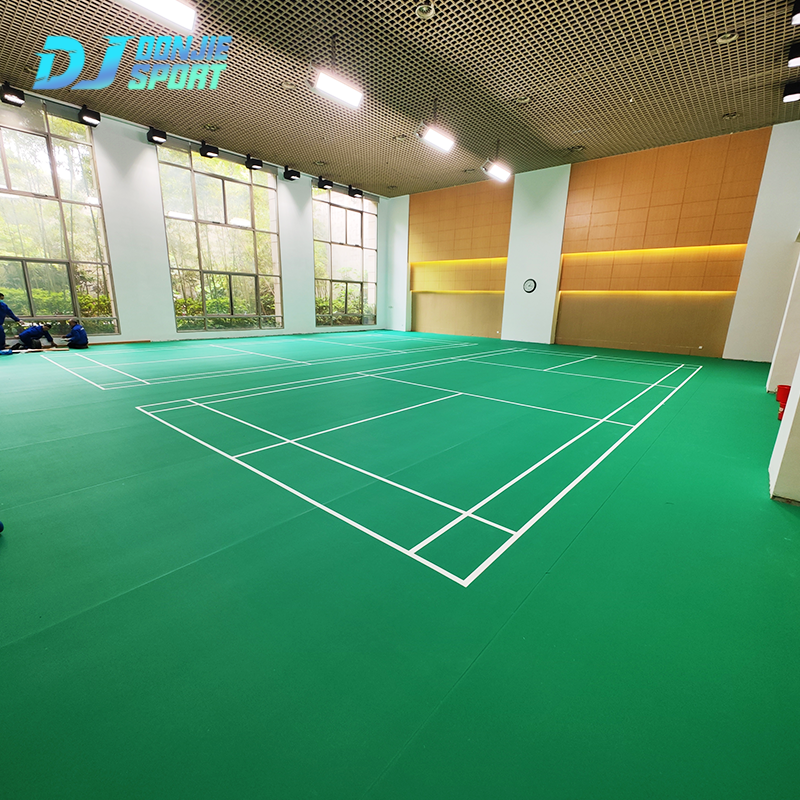
PVC flooring has become a popular alternative to wood, offering excellent durability, versatility, and low maintenance requirements. It is often used in facilities where a high level of performance is needed without the hefty upkeep associated with wood.
Characteristics of PVC Flooring
Polyvinyl chloride (PVC) flooring, commonly referred to as vinyl, is a synthetic material known for its durability and ease of maintenance. It comes in various colors, textures, and patterns, allowing for customization to suit the aesthetic needs of different sports venues. PVC flooring can be designed with specific performance features such as enhanced grip and shock absorption.
Ideal Use Cases for PVC Flooring
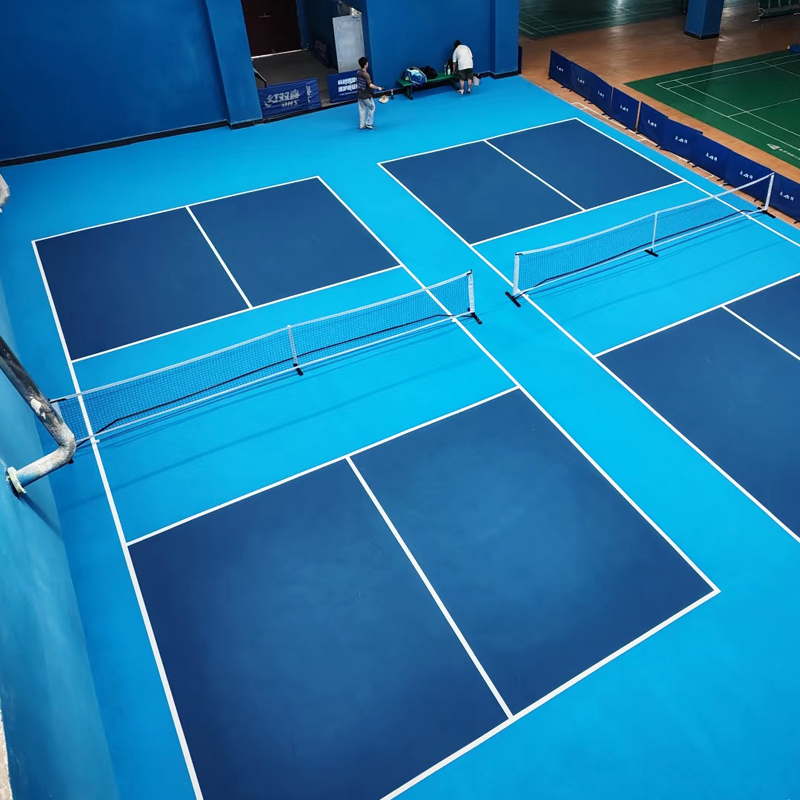
PVC flooring is especially suited for multi-purpose venues where different sports are played. Whether it’s a basketball court, a badminton hall, or a dance studio, PVC can handle the various stresses and demands of each sport. Its versatility in design also allows it to be used for recreational courts, fitness centers, and even indoor gymnasiums.
Advantages: Durability, Slip Resistance, and Easy Maintenance
One of the standout advantages of PVC flooring is its remarkable durability. Unlike wood, it is not prone to warping or cracking, and it can withstand moisture, spills, and high traffic without deteriorating. PVC is also low-maintenance, requiring only regular sweeping and occasional mopping to keep it in pristine condition. The material’s built-in slip resistance ensures players can move confidently without worrying about slips and falls.
Disadvantages: Limited Aesthetic Appeal
While PVC is highly functional, it does have some aesthetic limitations compared to wood. Though it can mimic the appearance of wood or stone, it lacks the same natural appeal. For venues where the visual atmosphere is a key consideration, this could be a drawback. Additionally, PVC may show wear and tear over time, especially in areas with heavy foot traffic, which could affect the surface quality in the long run.
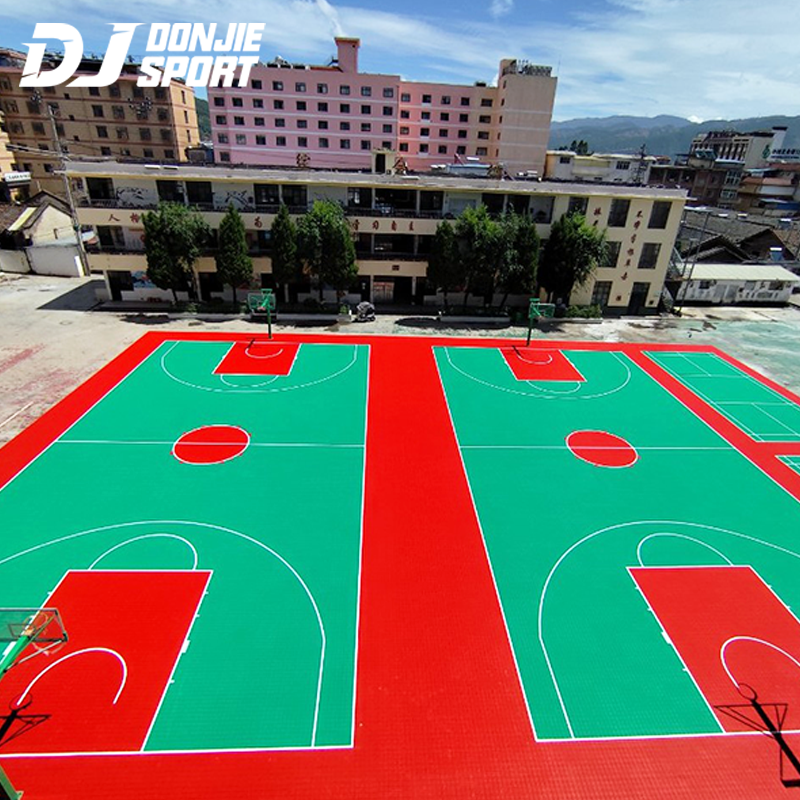
PP Flooring – The Modern, Cost-Effective Solution
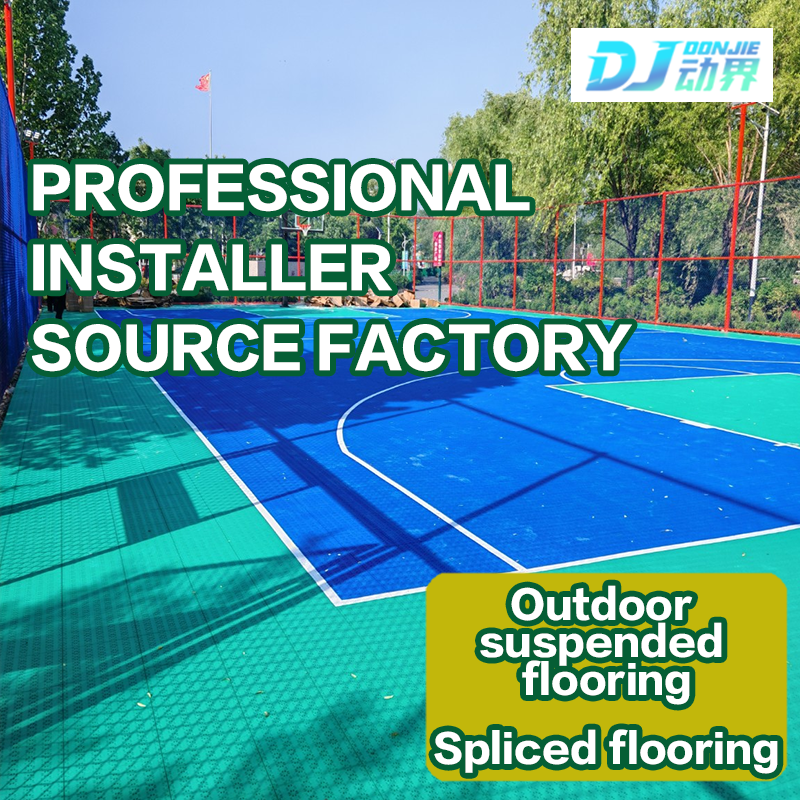
Polypropylene (PP) flooring is an innovative and cost-effective solution for sports venues, particularly those requiring a modular and flexible flooring system. It’s increasingly popular in multi-use environments where ease of installation and cost savings are prioritized.
Features of PP Flooring
PP flooring is typically offered in interlocking tiles, making it easy to install and replace. The tiles are designed for durability and can withstand the stress of high-traffic sports environments. PP flooring is water-resistant and able to tolerate outdoor conditions, which makes it suitable for both indoor and outdoor applications.
Ideal Venues for PP Flooring
This type of flooring is ideal for multi-purpose sports venues, community centers, and fitness gyms. It’s well-suited for environments that need flooring that can be quickly installed, adjusted, or replaced. Because of its interlocking nature, PP flooring is perfect for facilities where flooring needs to be moved or replaced frequently.
Key Benefits: Modularity, Installation, and Durability
The modular design of PP flooring allows for quick installation without the need for adhesives or complicated setups. The tiles interlock to form a seamless surface, making it a convenient option for facilities with changing needs. In addition to its ease of installation, PP flooring offers durability and resilience, especially for sports that involve lateral movements or frequent impacts.
Disadvantages: Less Suitable for Specialized Sports
While PP flooring excels in many areas, it may not be the best choice for sports that require highly specialized flooring, like competitive basketball or volleyball. Although it provides sufficient traction and durability for casual play, PP flooring lacks the level of performance required in professional sports settings, where precision and shock absorption are paramount.
Comparing Wood, PVC, and PP Flooring for High-Performance Sports Venues
When deciding between wood, PVC, and PP flooring, it’s essential to consider the specific needs of your sports venue. Here’s a quick comparison to help guide your decision:
-
Wood Flooring: Ideal for traditional sports venues that require high aesthetic appeal and a classic look. Best for professional-level indoor sports but comes with high maintenance costs.
-
PVC Flooring: Offers a great balance of durability, ease of maintenance, and cost-effectiveness. Suitable for multi-purpose venues and sports that involve moderate impact.
-
PP Flooring: Best for venues needing a modular, easy-to-install solution with flexibility. Ideal for multi-purpose sports halls but less suitable for specialized, high-performance sports.
Making the Right Choice for Your Sports Venue
Choosing the right flooring for your high-performance sports venue depends on a variety of factors including the types of sports played, the budget available, and the long-term maintenance goals. Wood flooring offers the best aesthetic value and comfort for athletes but requires significant upkeep. PVC flooring provides durability and ease of maintenance at a more affordable cost, making it ideal for multi-purpose venues. On the other hand, PP flooring is a practical, cost-effective solution for facilities that require flexibility and modularity.
Ultimately, the best choice will depend on your specific needs and goals. By understanding the strengths and limitations of each material, you can make an informed decision that enhances both the performance of athletes and the longevity of your sports venue.