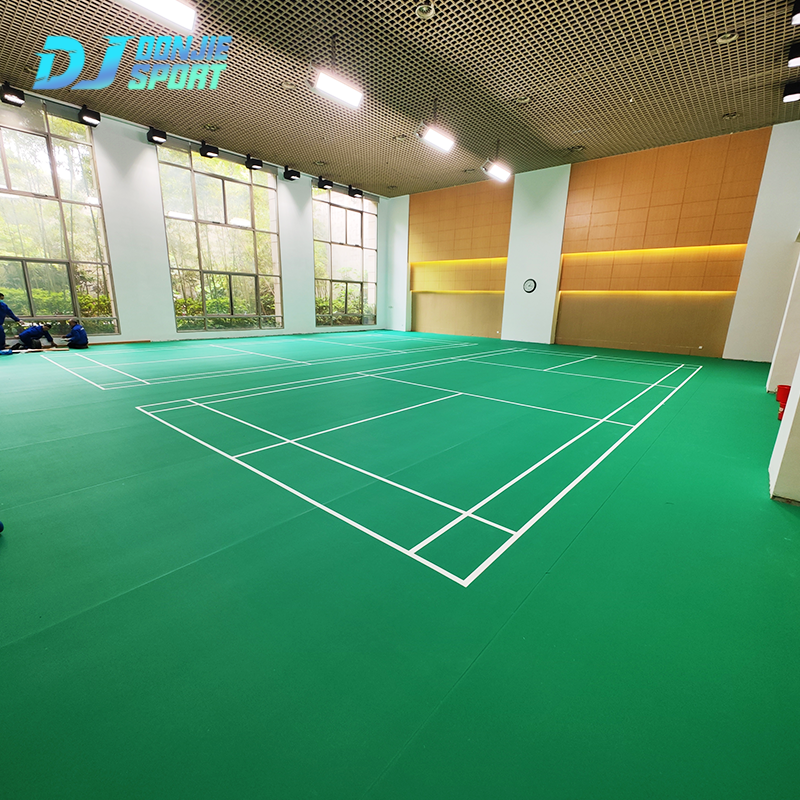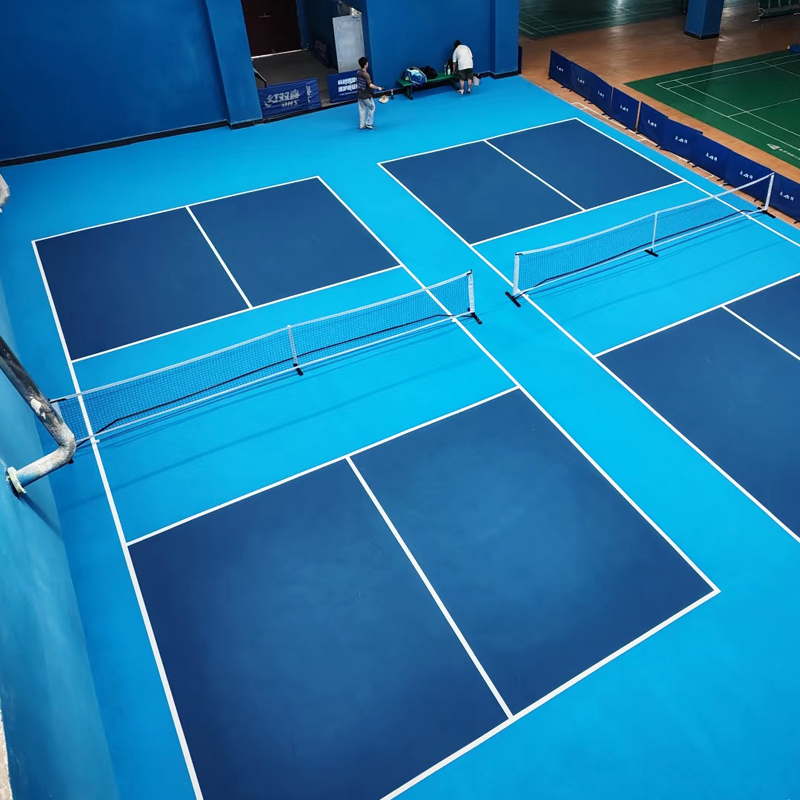
Wood sport floors have become an essential element in the design of modern athletic venues. With their natural beauty and exceptional performance characteristics, wood floors provide a perfect blend of aesthetics and functionality. Whether in professional arenas, gyms, or community sports halls, wood sport floors have proven to be an ideal choice for enhancing both the visual appeal and the performance of sports environments. In this blog, we’ll explore the unique qualities of wood sport floors and why they continue to be a preferred option for athletic facilities worldwide.
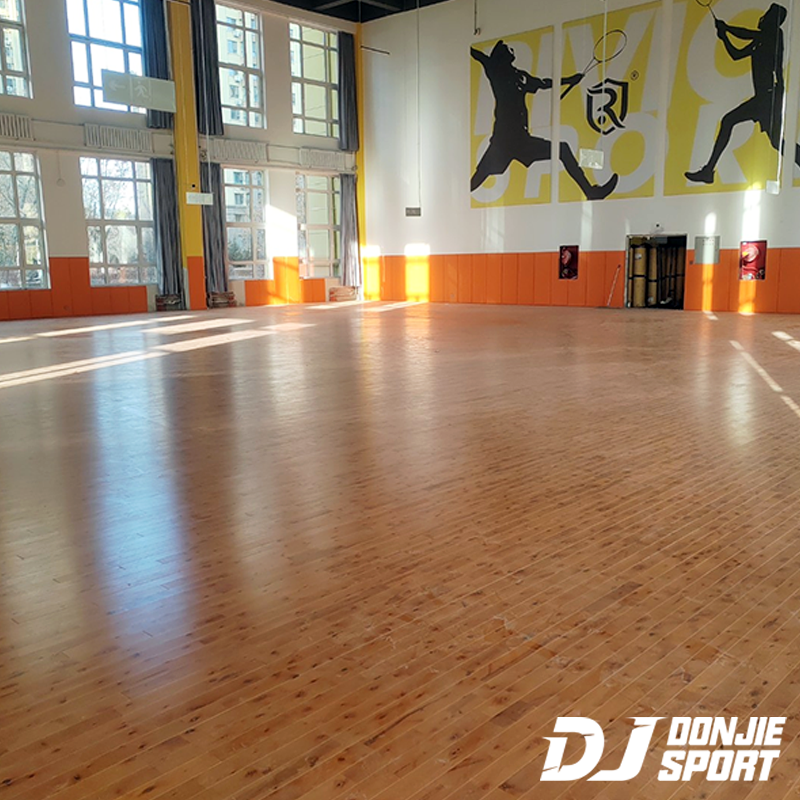
The Aesthetic Appeal of Wood Sport Floors
One of the main reasons wood sport floors stand out is their inherent beauty. Unlike synthetic materials, wood offers a natural warmth and elegance that enhances the look and feel of any sports venue. The rich textures and tones of wood create a visually appealing playing surface that elevates the overall atmosphere of a facility.
Wood sport floors can be customized to suit the specific aesthetic preferences of the venue. Whether it’s the classic look of maple or the deeper tones of oak, wood offers a wide range of finishes and textures that can complement any design theme. The natural grain and unique characteristics of each wood piece also ensure that no two floors are exactly alike, providing a unique and timeless appeal.
In addition to their visual appeal, wood floors create a welcoming environment for athletes, spectators, and visitors alike. The combination of beauty and performance makes wood an ideal flooring choice for venues looking to blend style with functionality.
Functionality and Performance Benefits of Wood Sport Floors
Beyond aesthetics, the performance characteristics of wood sport floors are what truly set them apart. These floors are engineered to meet the rigorous demands of various sports while ensuring the safety and comfort of athletes.
Superior Shock Absorption: Wood floors excel in providing shock absorption, reducing the impact on players’ joints during high-intensity activities like running, jumping, and sudden pivots. This characteristic is vital for injury prevention, especially in sports that involve frequent jumping or rapid directional changes, such as basketball and volleyball.
Durability: A well-installed wood sport floor can withstand the wear and tear of daily use for years. Wood’s natural resilience allows it to handle heavy foot traffic, intense sports activity, and equipment without showing significant signs of damage. Whether it’s the constant hustle of a basketball game or the scraping of volleyball shoes, wood floors hold up exceptionally well over time.
Optimal Traction and Grip: Wood floors provide the perfect balance of traction and slip-resistance. The natural surface allows athletes to make quick starts, stops, and turns while maintaining control. This is particularly crucial in fast-paced sports like basketball, where player stability and mobility are key to performance.
Wood Sport Floors and Athlete Performance
The choice of flooring plays a significant role in athlete performance. When it comes to sports surfaces, the ability to enhance comfort, safety, and speed is crucial, and wood floors do just that. The firm yet forgiving surface of wood flooring helps athletes perform at their best while reducing the likelihood of injury.
In high-performance environments such as professional arenas, the flooring is specifically designed to meet the demands of elite athletes. Wood sport floors contribute to the overall playing experience, allowing players to move efficiently and with confidence. The right wood flooring not only helps athletes maintain balance but also promotes faster reaction times, improved agility, and enhanced performance.
For example, in basketball courts, the natural flexibility of wood flooring absorbs shock better than most synthetic options, offering a comfortable yet firm playing surface. This improves player energy conservation during intense games and reduces the risk of chronic injuries related to hard surfaces.
Choosing the Right Wood for Sport Floors
Choosing the right type of wood for sport floors is essential to both aesthetics and functionality. While various wood types are available, certain varieties are better suited to the demands of sports environments due to their durability and performance characteristics.
Maple: The most common choice for wood sport floors, maple offers a dense and durable surface that holds up well to heavy foot traffic and athletic activity. Known for its consistent grain, maple also provides excellent shock absorption and is ideal for indoor courts.
Oak: Oak offers a sturdier, denser surface that resists damage from impact. While slightly harder than maple, oak still provides a comfortable playing surface, making it suitable for sports where durability is of the utmost importance.
Environmental Considerations: As sustainability becomes an increasingly important factor in flooring decisions, many manufacturers offer certified eco-friendly wood options. Choosing wood that is responsibly sourced ensures that the floor not only benefits athletes but also the environment.
Wood Sport Floors and Maintenance
One of the major advantages of wood sport floors is their low maintenance requirements. Keeping a wood floor in top condition is relatively straightforward, especially if the facility follows a regular cleaning and maintenance routine.
Easy Cleaning: Wood floors can be cleaned with a dust mop or a soft-bristled broom to remove dirt and debris. Periodic deep cleaning with the appropriate wood cleaner will maintain the floor’s appearance and performance over time.
Refinishing: Over time, wood floors may show signs of wear, especially in high-traffic areas. A professional sanding and refinishing process will restore the wood’s original smoothness and shine, ensuring the floor continues to perform at its best for years to come.
Longevity: With proper maintenance, a wood sport floor can last for decades, making it a long-term investment for any athletic facility. The durability of wood, combined with its ease of maintenance, results in a flooring option that delivers both performance and value.
Wood Sport Floors in Multi-Sport Facilities
Wood sport floors are incredibly versatile, making them a popular choice for multi-sport venues. Whether it’s a basketball court, volleyball court, or even badminton, wood floors provide a consistent playing surface for various activities.
The ability to accommodate multiple sports on one surface is a significant advantage for gyms, sports halls, and schools that need a functional, adaptable space. Wood sport floors maintain their performance across different sports, offering athletes from all disciplines the same level of safety, comfort, and functionality.
For example, multi-sport arenas can easily switch between basketball and volleyball without sacrificing the quality of the playing surface. Wood’s versatility in accommodating various games ensures that facilities can maximize the use of their space.
Installation Process of Wood Sport Floors
The installation of wood sport floors should be handled by professionals to ensure that the floor is properly aligned, secured, and ready for use.
Step-by-Step Guide:
-
Preparation: The subfloor must be prepared by ensuring it’s level and clean.
-
Layout: Wood planks are laid out according to the floor plan, with particular attention paid to grain direction and alignment.
-
Finishing: After installation, the floor is sanded and finished with protective coatings to enhance durability and appearance.
Professional installation ensures that the floor will meet all safety and performance standards, providing a smooth and reliable surface for athletes to perform at their best.
Cost Considerations of Wood Sport Floors
Wood sport floors are an investment, and while the initial cost may be higher compared to synthetic alternatives, their long-term benefits and durability make them a wise financial choice.
Long-Term Value: The high durability of wood sport floors means they can withstand years of use with minimal maintenance, resulting in lower long-term costs.
Cost Factors: The price of installation can vary depending on the type of wood, the complexity of the installation, and the size of the venue. However, the long-term savings due to the floor’s durability and low maintenance make it a cost-effective option over time.

Eco-Friendliness of Wood Sport Floors
As sustainability becomes an increasingly important consideration in building and renovation projects, wood sport floors stand out as an eco-friendly flooring option. Wood is a renewable resource, and when sourced responsibly, it can have a minimal environmental impact.
Sustainable Sourcing: Many wood flooring manufacturers adhere to sustainable practices, ensuring that the wood used in their products comes from forests that are responsibly managed. Certifications such as FSC (Forest Stewardship Council) help consumers identify wood flooring that meets high environmental standards.
Comparative Impact: Compared to synthetic flooring options that may contain harmful chemicals or require significant energy to produce, wood sport floors are a more environmentally friendly choice, making them a preferred option for eco-conscious facilities.
Conclusion
Wood sport floors provide the perfect combination of aesthetics and performance, making them an ideal choice for athletic venues around the world. Whether it’s the beauty of the natural wood grain or the superior durability and safety features, wood floors offer unmatched value. For those looking to create a space that enhances both the look and function of their facility, wood sport floors are the ultimate solution.
With proper installation and maintenance, wood sport floors can provide years of high-performance service, all while offering a timeless, beautiful appearance. When it comes to sports flooring, wood remains the perfect blend of aesthetics and functionality.