Choosing the right flooring for your gym is a critical decision that impacts both the performance of athletes and the safety of the space. Gym flooring plays a pivotal role in cushioning impacts, enhancing athletic performance, and creating an inviting atmosphere. Whether you’re outfitting a high-end training facility or upgrading a community gym, the type of flooring you select can make all the difference.
When it comes to gym flooring, two of the most popular options are wood sport floors and synthetic flooring materials. Each option has its unique benefits, and deciding which one is right for your gym depends on various factors, including budget, usage intensity, and the specific needs of your athletes. In this post, we’ll explore the differences between wood sport floors and synthetic options to help you make an informed decision for your gym space.
Benefits of Wood Sport Floors for Gyms
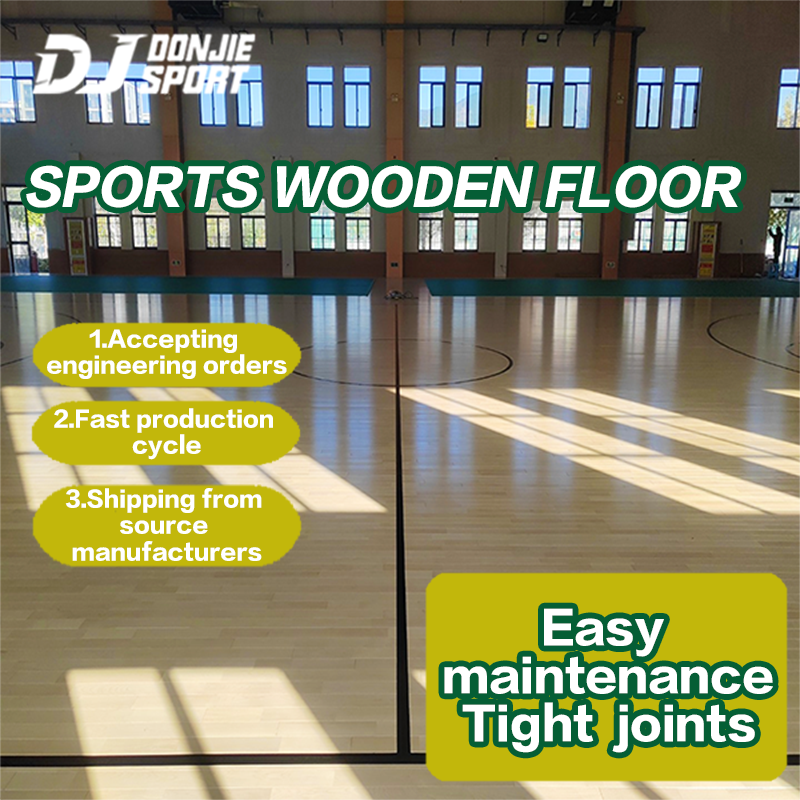
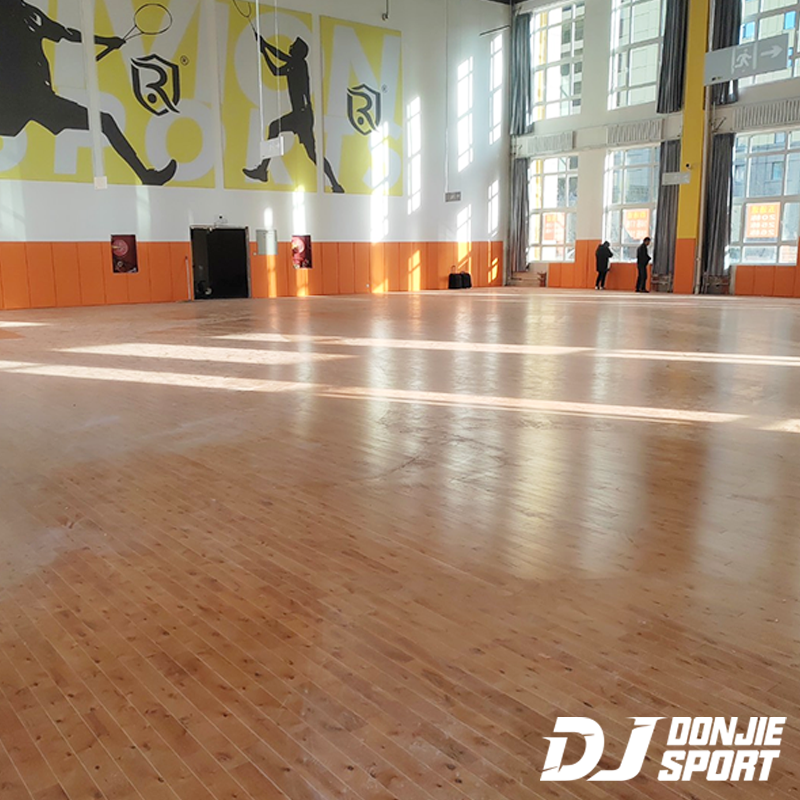
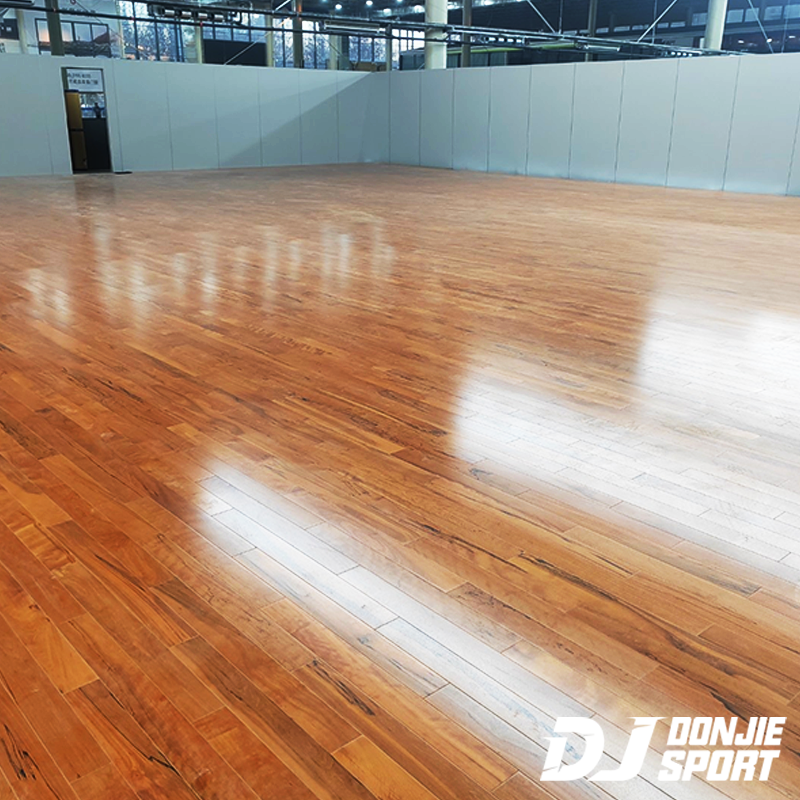
Wood sport floors have been a traditional choice for gyms, offering unmatched elegance and a high-quality feel that many athletes and gym-goers appreciate. These floors are typically made from hardwoods like maple or oak, which provide natural beauty and durability. Below are the primary benefits of choosing wood for your gym’s flooring:
Traditional Appeal and Aesthetics of Wood
The timeless beauty of wood sport floors adds a touch of class to any gym. The warm tones and natural grain patterns of hardwood create an inviting and professional environment, making wood a popular choice for high-end gyms, basketball courts, and multipurpose sports venues. The aesthetic appeal of wood can help attract both athletes and clients who value style and elegance in their fitness spaces.
Superior Shock Absorption and Comfort for Athletes
One of the standout features of wood sport floors is their excellent shock-absorbing qualities. Hardwood naturally provides a cushioned surface that helps protect athletes’ joints, reducing the risk of injury during high-impact activities such as running, jumping, and pivoting. This cushioning effect contributes to a more comfortable experience for athletes, allowing them to perform better while minimizing fatigue.
Durability and Long-Term Investment
Wood floors are known for their longevity. When properly maintained, wood sport floors can last for decades, making them a smart long-term investment for any gym. They can withstand heavy foot traffic, repetitive impacts, and various sports activities without losing their structural integrity. The durability of wood means fewer repairs and replacements, saving gym owners money over time.
Maintenance Requirements and Costs
While wood sport floors are durable, they do require regular maintenance to keep them in top condition. This includes refinishing the surface periodically, ensuring that the floor stays smooth and even. Additionally, wooden floors may need to be resealed to protect them from moisture and staining, which could increase maintenance costs. However, many gym owners find that the quality and aesthetic appeal of wood sport floors justify the additional upkeep.
Advantages of Synthetic Flooring for Gyms
In contrast to traditional wood floors, synthetic flooring materials such as PVC, rubber, and polypropylene have become increasingly popular for gyms due to their versatility and ease of maintenance. Below are some key advantages of synthetic flooring:
Variety of Options: PVC, Rubber, and Polypropylene
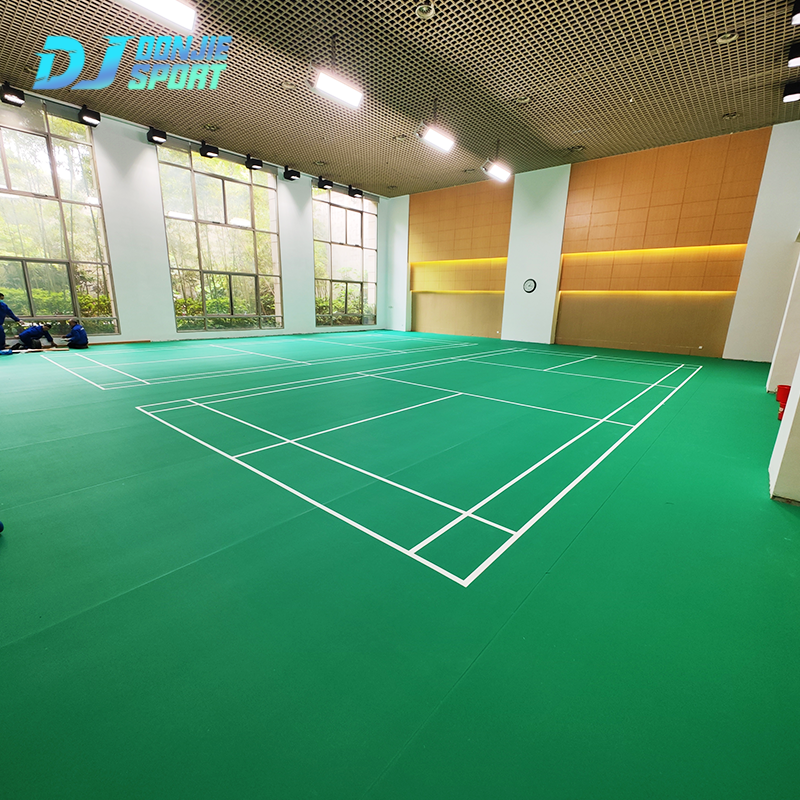
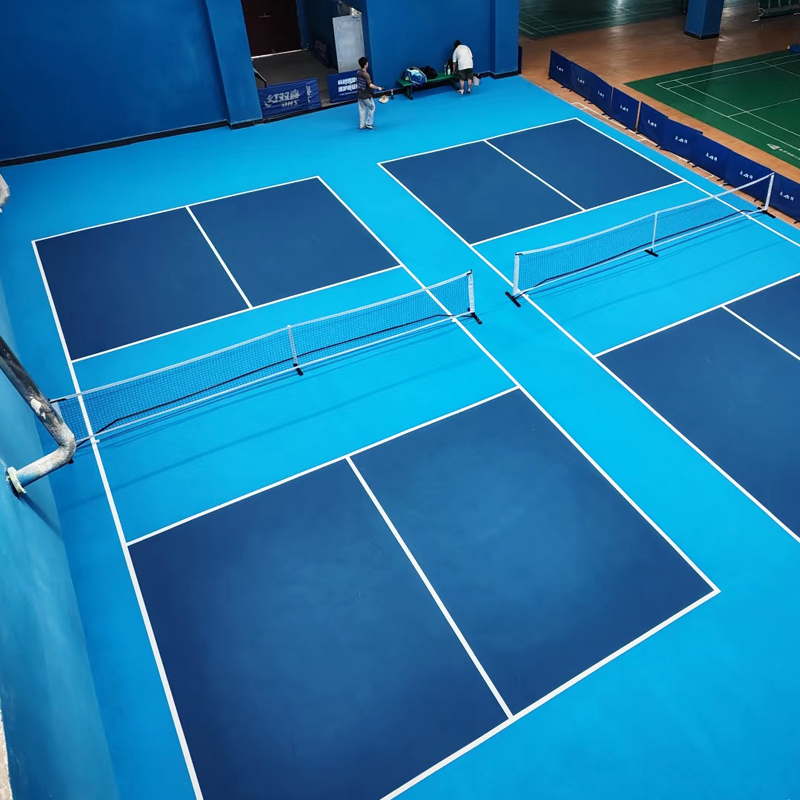
Synthetic flooring comes in a variety of materials, each offering different benefits based on gym needs. PVC (polyvinyl chloride) flooring is commonly used in sports gyms and fitness centers for its durability, water resistance, and ease of cleaning. Rubber flooring is ideal for weight rooms and areas requiring slip-resistant surfaces, while polypropylene is often used for multi-purpose spaces due to its strength and flexibility. The variety of options allows gym owners to select the best material for specific needs.
Easy Maintenance and Cleaning
One of the main advantages of synthetic flooring is its low maintenance requirements. Synthetic floors are designed to be easy to clean, often requiring just a mop or sweep to remove dirt and debris. They also resist staining, mold, and mildew, making them an excellent choice for high-humidity environments such as indoor pools or gyms located in humid regions. Synthetic flooring materials are also non-porous, which prevents bacteria buildup, ensuring a hygienic environment for athletes.
Cost-Effectiveness and Installation Time
Compared to wood sport floors, synthetic options are generally more affordable and easier to install. While wood floors require professional installation and a more extensive setup, synthetic flooring options can often be installed more quickly, reducing labor costs and downtime. Additionally, the initial cost of synthetic flooring tends to be lower, making it a popular choice for gyms on a budget or those looking to expand quickly.
Durability Under Heavy Use
Synthetic floors are engineered to withstand heavy use, making them ideal for high-traffic areas. These floors are resistant to wear and tear, scratching, and scuffing, and can maintain their appearance and functionality for many years. Synthetic flooring is particularly well-suited for multipurpose gyms or facilities that host various sports events and training activities.
Resistance to Wear and Tear
Unlike wood, synthetic flooring materials are less likely to warp, crack, or suffer damage from water or spills. This makes them especially valuable in environments where conditions can vary, such as gyms that cater to a wide range of activities, including strength training, aerobic classes, and yoga.
Comparing Performance: Wood vs. Synthetic Flooring
When it comes to performance, there are several factors to consider in choosing between wood and synthetic flooring for your gym:
Performance Differences in Sports: Grip, Bounce, and Impact Protection
Wood floors offer superior grip and bounce, which are essential for certain sports, like basketball or volleyball. The natural elasticity of wood gives it a more consistent response when athletes run, jump, or pivot. On the other hand, synthetic flooring tends to be more uniform in its response, offering predictable traction but potentially lacking the “bounce” that wood provides. In activities where quick lateral movements or high-impact motions are common, wood floors excel in providing a supportive surface.
Safety Concerns: Injury Prevention with Wood vs. Synthetic Surfaces
Both wood and synthetic flooring have safety features, but they differ in terms of shock absorption. Wood floors, especially those designed for sports, have natural shock-absorbing qualities that help prevent joint stress and reduce the risk of injury. Synthetic flooring materials, while offering some cushioning, may not provide the same level of shock absorption, particularly under heavy impacts. Gym owners need to assess the primary use of their facility and choose the option that provides the best protection for athletes.
Athlete Preferences and Feedback
Athletes often have strong preferences when it comes to flooring. Many professional basketball players, for example, prefer wood floors due to their traditional feel and superior performance in high-intensity sports. However, synthetic floors are gaining traction, especially in multi-sport venues or gyms where versatility and ease of maintenance are priorities. Feedback from your gym members can play a crucial role in deciding which flooring is the best choice for your space.
Choosing the Right Flooring Based on Gym Type
Wood Sport Floors for Performance Centers and High-End Gyms
For performance-focused gyms and professional training centers, wood floors remain the gold standard. Their ability to enhance athletic performance, combined with their aesthetic appeal, makes them a preferred choice for high-end gyms. If your facility caters to basketball, volleyball, or other sports where performance is key, wood sport floors may be the best option.
Synthetic Flooring for Budget-Conscious or Multi-Purpose Gyms
Synthetic flooring is often the best choice for gyms that need a more cost-effective and versatile solution. For multi-purpose spaces that accommodate a variety of sports, including fitness classes, indoor tennis, or general workouts, synthetic flooring provides a durable, low-maintenance, and functional surface. Additionally, for gyms with limited budgets, synthetic flooring can offer significant savings without compromising performance.
How to Assess the Needs of Your Gym Space
To make the best decision, assess your gym’s unique needs. Consider the sports and activities that will take place, the volume of foot traffic, and the types of training your athletes will engage in. If your gym hosts elite athletes or professional events, the investment in wood sport floors may be worth it. However, if you need a versatile, low-maintenance solution for a wide range of activities, synthetic flooring may be the best option.
Installation and Cost Comparison
Installation Process and Time for Both Types of Flooring
Wood sport floors require careful installation, often involving sanding, finishing, and sealing. This process can take several weeks, depending on the size of the gym and the complexity of the floor design. Synthetic floors, however, can be installed much more quickly, sometimes in just a few days, reducing downtime and costs. The installation process for synthetic floors is often simpler and more straightforward, making them ideal for gyms looking for a fast turnaround.
Long-Term Cost Analysis: Upfront Costs vs. Maintenance Costs
While the initial cost of synthetic flooring may be lower than wood, it’s important to consider long-term expenses. Wood floors, though more expensive upfront, may offer better long-term value due to their durability and timeless appeal. Synthetic flooring typically requires less maintenance, which can save costs in the long run, but may need to be replaced sooner than wood floors, depending on usage.
ROI Considerations for Gyms of Different Sizes and Budgets
Return on investment (ROI) should be a key factor when choosing flooring. For large gyms or high-traffic facilities, the durability and low-maintenance costs of synthetic flooring may offer a better ROI. For smaller, performance-driven gyms, the investment in wood flooring may provide long-term benefits that justify the higher initial cost.
Making the Best Decision for Your Gym
In the end, the decision between wood sport floors and synthetic flooring comes down to your gym’s specific needs. Wood floors provide exceptional performance, aesthetics, and longevity, making them a great choice for high-end gyms and performance centers. Synthetic flooring, on the other hand, offers affordability, ease of maintenance, and versatility, making it a solid option for gyms with varying needs.
By considering factors such as gym type, budget, and the sports and activities that take place, you can choose the flooring that best supports your gym’s goals. Whether you opt for the elegance and performance of wood or the practicality of synthetic materials, both options can contribute to creating a top-tier environment for athletes to thrive.