Choosing the right flooring for a badminton court is one of the most important decisions in ensuring the longevity of the space, the safety of players, and the overall performance of the game. Among the many options available, wooden flooring stands out as a timeless choice that combines both aesthetic appeal and modern functionality. Whether for professional tournaments or recreational play, wooden flooring for badminton courts offers unparalleled benefits. In this article, we will explore why wooden floors are a classic and essential choice for any serious badminton facility.
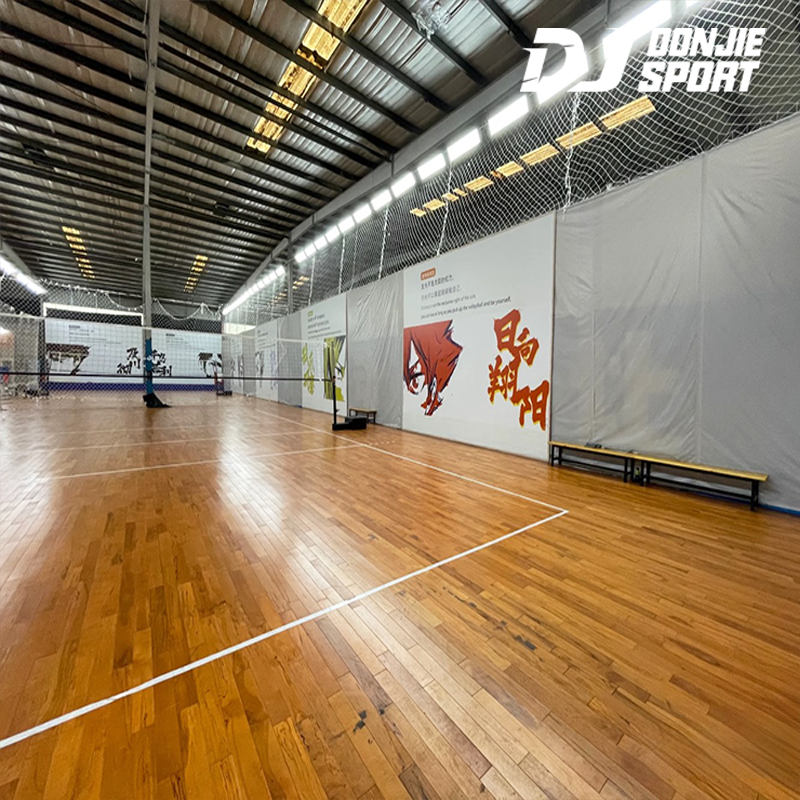
Why Choose Wooden Flooring for Badminton Courts?
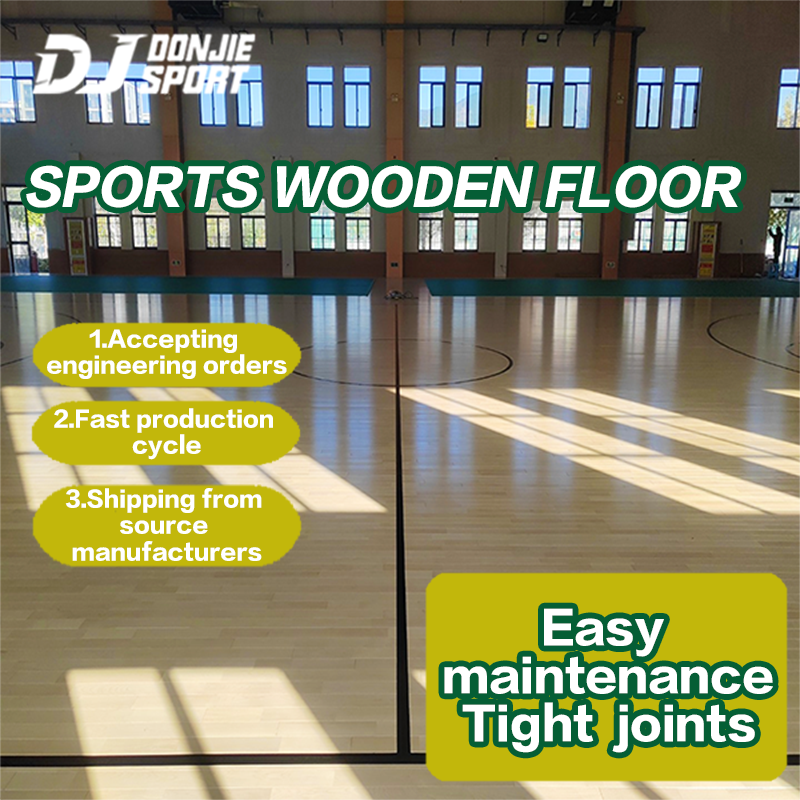
Wooden flooring has been the preferred choice for indoor sports courts for decades, and badminton courts are no exception. This flooring option offers a combination of natural beauty, durability, and exceptional performance. The classic appeal of wooden flooring adds a sophisticated look to any gym or court, making it an attractive choice for both professionals and recreational players. But the appeal doesn’t stop at aesthetics; wooden floors offer numerous benefits that enhance the game itself.
-
Aesthetic Appeal: Wooden flooring adds a classic and elegant touch to any space. Its rich texture and natural tones complement a variety of interior designs, making it a versatile choice for gyms and sports complexes. The look of wood elevates the visual appeal of the court, giving it a professional and polished appearance.
-
Durability and Performance: High-quality wooden flooring is designed to withstand intense usage over time. It is engineered to handle the wear and tear from constant foot traffic, intense sports movements, and even the occasional fall. As a result, wooden courts are an investment that will pay off in both performance and longevity.
-
Player Comfort: One of the standout features of wooden flooring is its natural ability to absorb shock. This helps to reduce the impact on players’ joints, particularly during fast movements like lunges and jumps. Wooden floors provide a cushioning effect, which makes playing on them more comfortable and reduces the risk of injuries.
Benefits of Wooden Flooring for Badminton Courts
Wooden flooring is not only visually pleasing, but it also enhances player performance in multiple ways. Here are some of the key benefits of wooden flooring for badminton courts:
-
Shock Absorption: Badminton is a fast-paced sport that involves a lot of jumping and sudden movements. Wooden floors are naturally designed to absorb shock, minimizing the impact on the players’ knees, ankles, and joints. This feature is crucial in preventing long-term injuries that can result from repetitive motions.
-
Improved Traction: One of the essential aspects of a badminton court is providing players with the right level of grip. Wooden flooring offers excellent traction, which ensures that players can make quick pivots and fast movements without the risk of slipping. This is important not only for player safety but also for optimal performance during matches.
-
Consistency and Uniformity: Wooden floors provide a smooth and even surface, which ensures consistency in gameplay. This uniformity is vital for competitive play, as players can trust the court’s response to their movements. With wooden flooring, there are no surprises—each step or lunge provides predictable results, which is crucial during intense matches.
-
Temperature Control: Wood naturally regulates temperature, helping to maintain an ideal playing environment. It is better at retaining warmth than some synthetic flooring options, providing a comfortable surface for play even in colder climates.
Types of Wood Used in Badminton Court Flooring
Not all wood is created equal when it comes to flooring, and different types of wood offer varying degrees of performance, aesthetic appeal, and cost. The most common types of wood used for badminton court flooring are:
-
Maple: Maple is one of the most popular hardwoods used in sports flooring due to its durability and resistance to wear. It provides an excellent balance between performance and aesthetic appeal, making it a top choice for many badminton courts. The fine grain of maple gives it a smooth finish, which is ideal for consistent play.
-
Oak: Oak is another hardwood that is commonly used in sports flooring. It is a durable and strong option, making it suitable for high-traffic areas. Oak flooring is known for its beautiful grain patterns and rich, warm tones, which make it an attractive choice for badminton courts.
-
Beech: Beech is slightly softer than maple and oak, but it still offers good performance for badminton courts. It is a more affordable option, which makes it an attractive choice for facilities on a budget.
Each wood type has its own set of advantages, depending on factors such as cost, aesthetics, and performance requirements.
Installation Process of Wooden Flooring for Badminton Courts
Installing wooden flooring for badminton courts is a delicate process that requires expertise to ensure optimal performance and durability. Here’s an overview of the installation steps:
-
Preparation: The subfloor must be prepared before the wooden flooring can be laid. This involves ensuring that the subfloor is clean, level, and dry to avoid any unevenness or moisture issues that could affect the integrity of the wood.
-
Laying the Flooring: Wooden planks are typically laid in a parallel pattern, and they must be secured tightly to the subfloor. Special attention is given to the spacing between the planks to allow for natural expansion and contraction due to humidity changes.
-
Finishing Touches: Once the floor is laid, a protective finish is applied to ensure its durability and longevity. This finish helps to protect the wood from damage due to wear and moisture. The court is then lined, and the final markings for the badminton game are added.
Maintenance of Wooden Flooring for Badminton Courts
To ensure that your wooden flooring for badminton courts remains in top condition for years to come, regular maintenance is essential. Here are some key maintenance tips:
-
Daily Cleaning: Sweep the court regularly to remove dust and debris. Use a damp mop to clean the surface but avoid soaking the wood to prevent moisture damage.
-
Monthly Polishing: Apply a light polish to the floor every month to maintain its sheen and smoothness. This also helps protect the surface from scratches and scuff marks.
-
Annual Refinishing: Over time, the wood may show signs of wear. In this case, it’s important to refinish the surface to restore its original condition. This involves sanding down the surface and applying a fresh coat of finish.
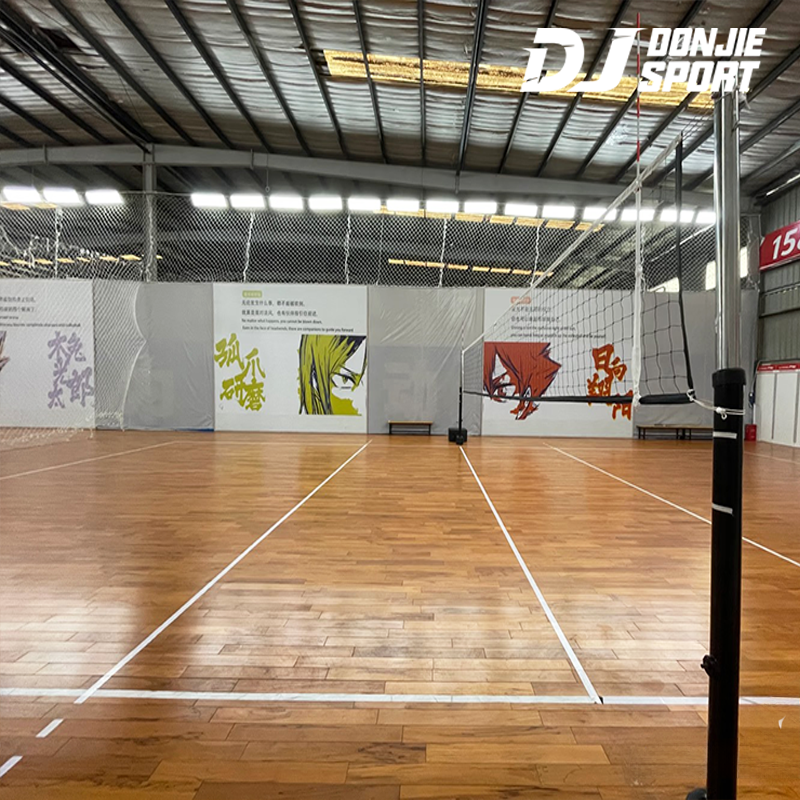
Cost of Wooden Flooring for Badminton Courts
The cost of wooden flooring for badminton courts can vary significantly based on factors such as wood type, court size, and installation complexity. On average, hardwood floors are more expensive than synthetic options, but the long-term durability and performance make them a worthwhile investment. Wooden flooring also tends to add value to the property, which can be beneficial in the long run.
Wooden Flooring vs. Other Flooring Types for Badminton Courts
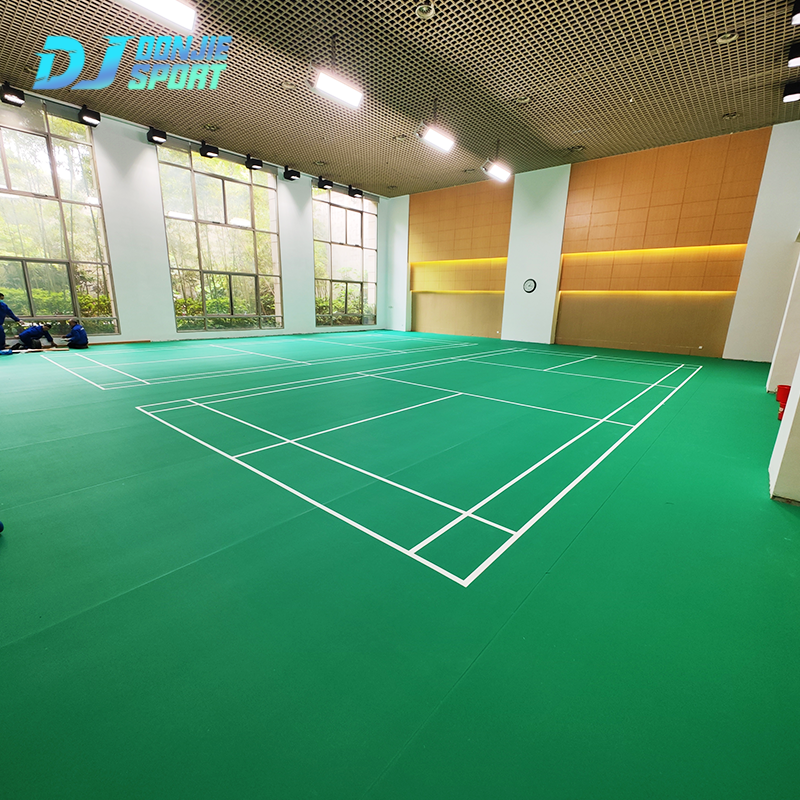
When comparing wooden flooring for badminton courts to other flooring types such as PVC or synthetic options, several factors come into play. Wooden floors provide superior shock absorption, a classic aesthetic, and enhanced traction, making them ideal for professional players. While synthetic floors may offer a lower initial cost, they often lack the comfort and performance features that wooden floors provide.
Conclusion
Wooden flooring for badminton courts is the ideal combination of classic appeal and modern performance. It offers exceptional benefits such as shock absorption, improved traction, and durability, making it a top choice for both recreational and professional settings. Whether you’re building a new court or refurbishing an existing one, wooden flooring is a solid investment that will provide a comfortable, long-lasting, and aesthetically pleasing playing surface. With proper care and maintenance, wooden floors can serve the badminton community for years to come.