Understanding PVC Sports Floors
What is a PVC Sports Floor?
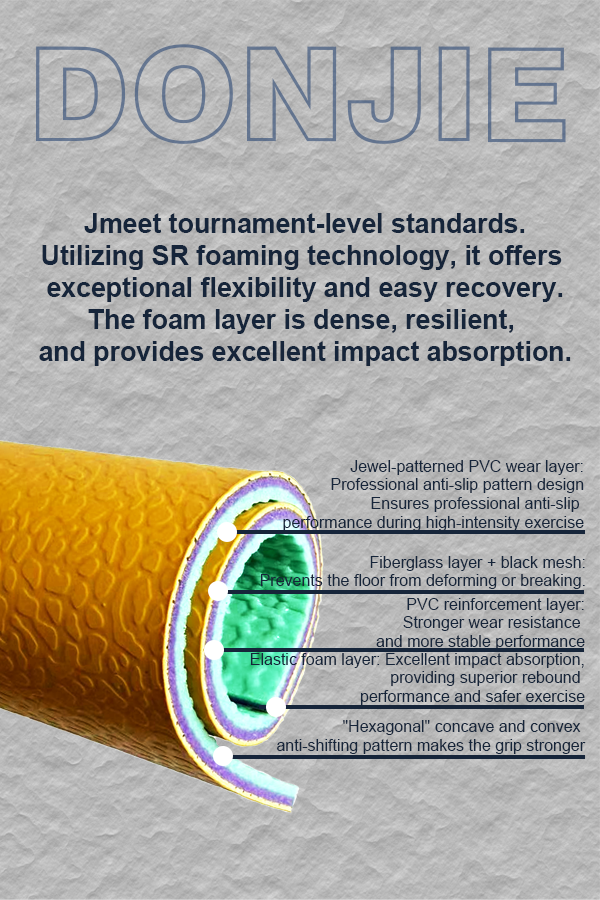
A PVC sports floor, short for Polyvinyl Chloride sports floor, is a type of flooring material made primarily from polyvinyl chloride and its copolymer resins. This synthetic material is specifically engineered for sports – related applications. By adding various fillers, plasticizers, stabilizers, and colorants as auxiliary materials, and through manufacturing processes such as coating, calendering, extrusion, or pressing on a continuous sheet – like base material, a PVC sports floor is created. Its structure is designed to meet the unique demands of different sports activities, offering a balance of performance – enhancing properties.
Key Features of PVC Sports Floors
- Exceptional Slip – Resistance: One of the most crucial features for a sports floor. PVC sports floors are designed with a surface texture that provides a high coefficient of friction, reducing the risk of athletes slipping during quick movements, sudden stops, and sharp turns. Whether it’s a basketball player making a lay – up or a dancer executing a pirouette, the anti – slip property ensures their safety.
- Outstanding Shock Absorption: They have excellent shock – absorbing capabilities. When an athlete jumps and lands, the PVC floor can effectively cushion the impact, reducing stress on joints such as knees, ankles, and hips. This not only helps prevent long – term joint injuries but also allows athletes to perform at their best for longer periods without excessive fatigue.
- High Durability and Wear – Resistance: PVC sports floors are highly resistant to wear and tear. They can withstand the constant foot traffic, equipment movement, and friction from sports activities. Even in high – usage areas like basketball courts or multi – purpose sports halls, they maintain their integrity over time, reducing the need for frequent replacements.
- Waterproof and Moisture – Resistant: These floors are impervious to water, making them suitable for areas where moisture is a concern, such as areas near swimming pools in sports complexes or in climates with high humidity. The waterproof feature also simplifies cleaning and maintenance, as spills can be easily wiped up without the risk of water seeping into the floor and causing damage.
- Easy to Clean and Maintain: Cleaning a PVC sports floor is a breeze. Regular sweeping and mopping with a mild detergent are usually sufficient to keep it looking clean and presentable. There’s no need for complex cleaning procedures or expensive cleaning equipment, saving both time and money in the long run.
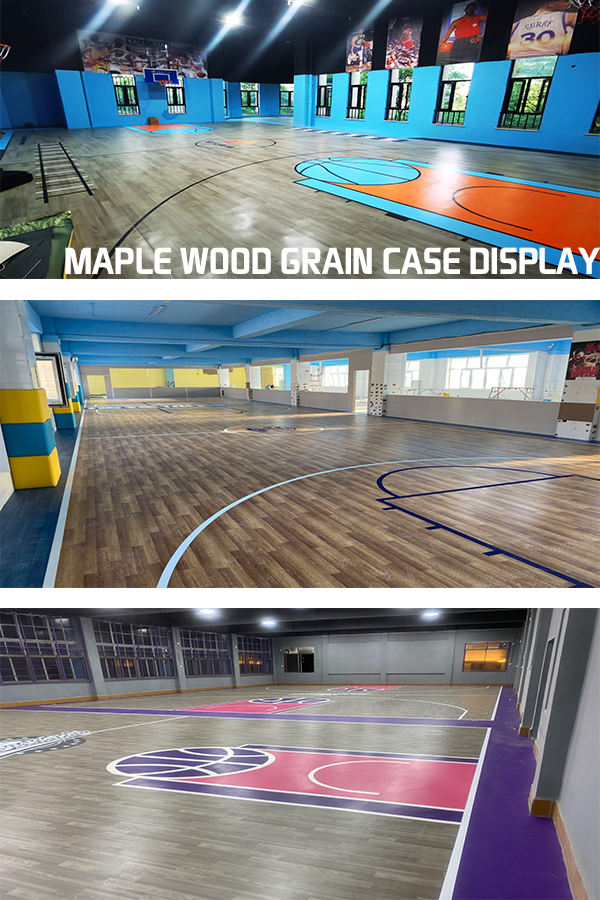
- Color and Design Variety: PVC sports floors come in a wide range of colors and patterns. This allows facility owners to customize the look of their sports areas, creating an aesthetically pleasing environment. Whether it’s a vibrant – colored basketball court to match a team’s colors or a neutral – toned floor for a dance studio, the design options are extensive.
Common Applications of PVC Sports Floors
- Indoor Gymnasiums: PVC sports floors are a popular choice for indoor gymnasiums as they can be used for multiple sports activities. Gymnasiums often host basketball, volleyball, badminton, and gymnastics events, and the versatility of PVC floors makes them suitable for all these sports, providing the necessary performance characteristics for each.
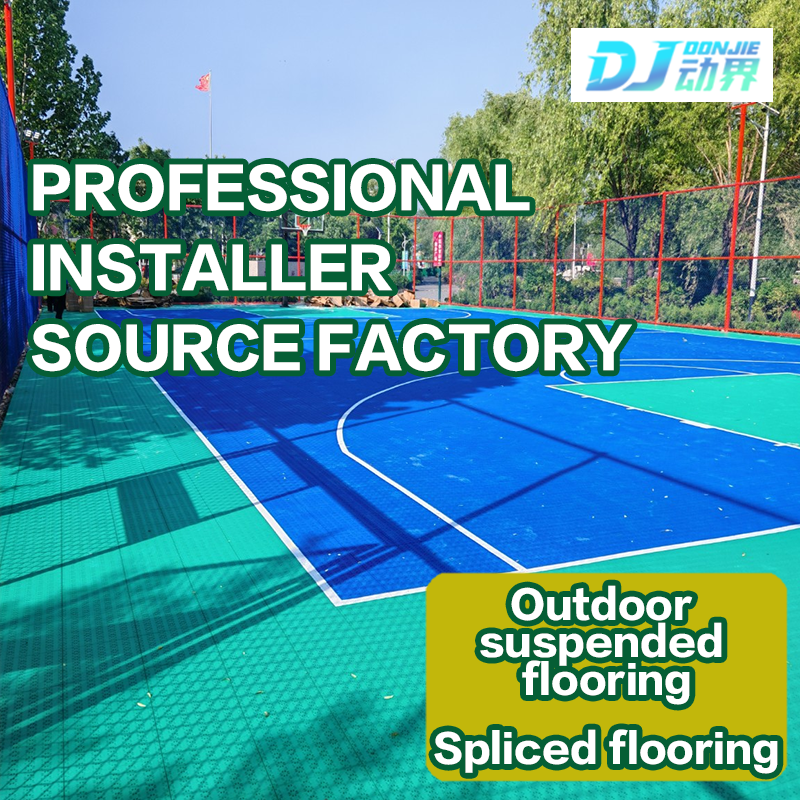
- Basketball Courts: The shock – absorption and slip – resistance features of PVC sports floors are ideal for basketball. Players can make quick moves, jump, and land safely, while the durability ensures that the floor can withstand the intense footwork and ball impacts associated with the game.
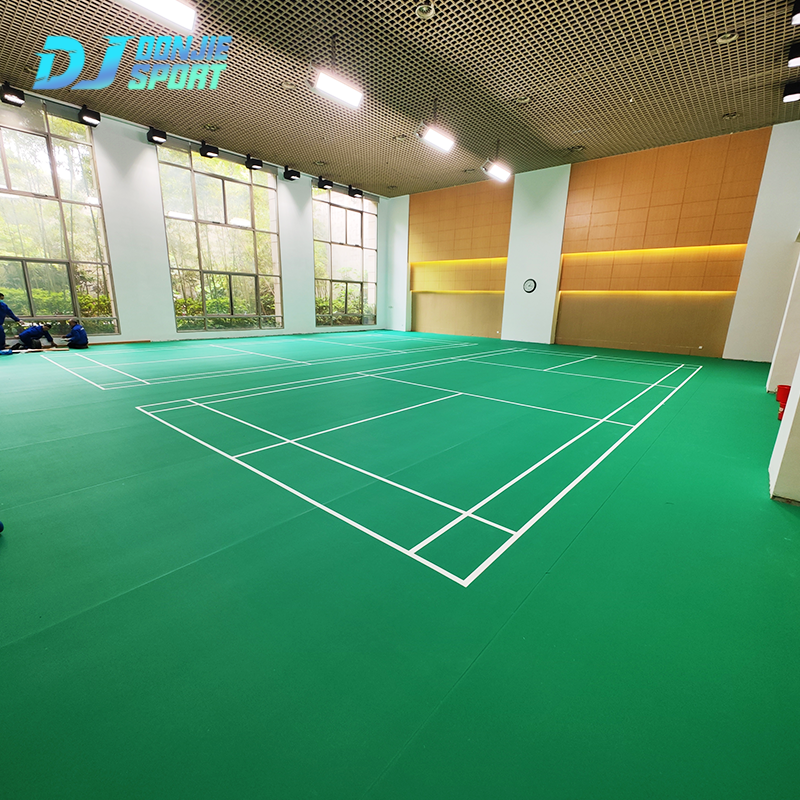
- Badminton Courts: Badminton requires a smooth and non – slippery surface. PVC sports floors offer the perfect combination of these qualities, allowing players to move freely and quickly around the court. The shock – absorption also helps reduce the impact on players’ feet and knees during the many jumps and lunges in the game.
- Table Tennis Courts: For table tennis, a flat and consistent surface is essential. PVC sports floors provide this, along with good ball – bounce characteristics. The lightweight nature of the PVC material also makes it easy to install and re – arrange if needed.
- Dance Studios: Dancers need a floor that is both forgiving on their joints and provides enough traction for complex movements. PVC sports floors meet these requirements, offering shock – absorption to protect dancers from injuries and a non – slip surface to ensure stability during turns, leaps, and spins.
Unveiling Wooden Flooring
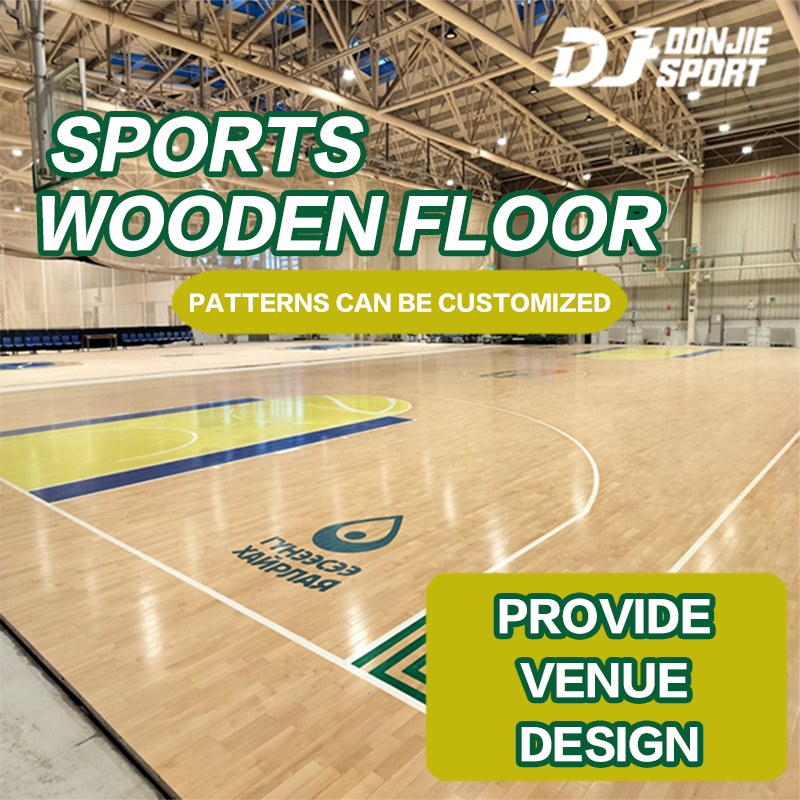
Types of Wooden Flooring in the Sports Arena
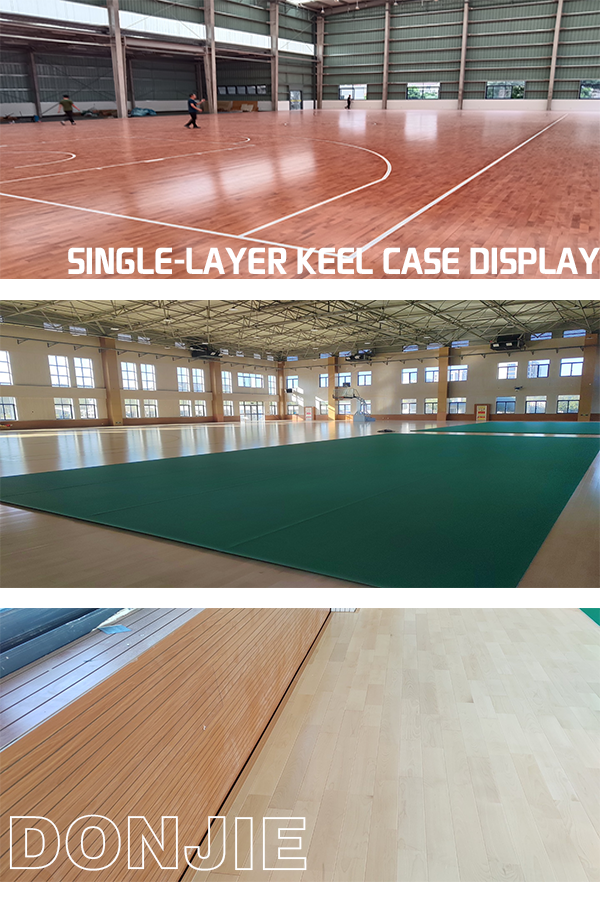
- Solid Wood Flooring: As the name implies, solid wood flooring is made entirely from a single piece of hardwood. Common species used include oak, maple, and birch. Oak is popular for its strength and beautiful grain patterns. Maple, on the other hand, offers a lighter, more uniform color, making it a great choice for sports facilities where a bright and clean look is desired. Solid wood flooring provides an authentic, natural feel underfoot. However, it is more susceptible to changes in humidity and temperature compared to other types of wooden flooring. For example, in areas with high humidity, solid wood floors may expand and warp over time.
- Engineered Wood Flooring: Engineered wood flooring consists of multiple layers. The top layer is a thin veneer of real hardwood, which provides the natural appearance and texture of wood. Beneath this veneer are several layers of plywood or high – density fiberboard (HDF) that are glued together in a cross – laminated pattern. This construction makes engineered wood flooring more stable than solid wood flooring. It is less likely to be affected by humidity and temperature changes, which makes it a suitable option for a wider range of environments. The thickness of the hardwood veneer can vary, with thicker veneers generally offering more durability and the ability to be sanded and refinished multiple times.
Characteristics that Define Wooden Flooring
- Natural Aesthetics: Wooden flooring has a warm, inviting, and natural look that is hard to replicate with synthetic materials. The unique grain patterns and colors of different wood species add a touch of elegance and charm to any sports or activity space. Whether it’s the rich, deep tones of mahogany or the light, creamy hues of pine, wood floors can enhance the overall visual appeal of a dance studio, indoor gymnasium, or sports club.
- Comfortable Underfoot: Wood offers a soft and comfortable feel when walked or stood on for extended periods. The natural springiness of the material provides a certain level of shock absorption, which is beneficial for athletes and users. For instance, in a dance studio, dancers can perform their routines with less stress on their joints as the wooden floor absorbs some of the impact from jumps and movements.
- Sound Absorption: Wooden floors have good sound – absorbing properties. They can reduce the noise generated by footsteps, equipment movement, and ball bounces. In a multi – purpose sports hall, this can be a significant advantage as it helps to create a more pleasant and less noisy environment for both players and spectators. The sound – dampening effect also makes wooden floors suitable for areas where noise control is important, such as adjacent to classrooms or offices in a school sports facility.
- Traditional Appeal: Wood has been used in sports and activity spaces for centuries, and it has a long – standing reputation for quality and performance. Its traditional appeal can give a sense of heritage and history to a sports venue, which can be appealing to some users. For example, an old – fashioned basketball court with a classic wooden floor can evoke a sense of nostalgia and authenticity.
Ideal Settings for Wooden Flooring
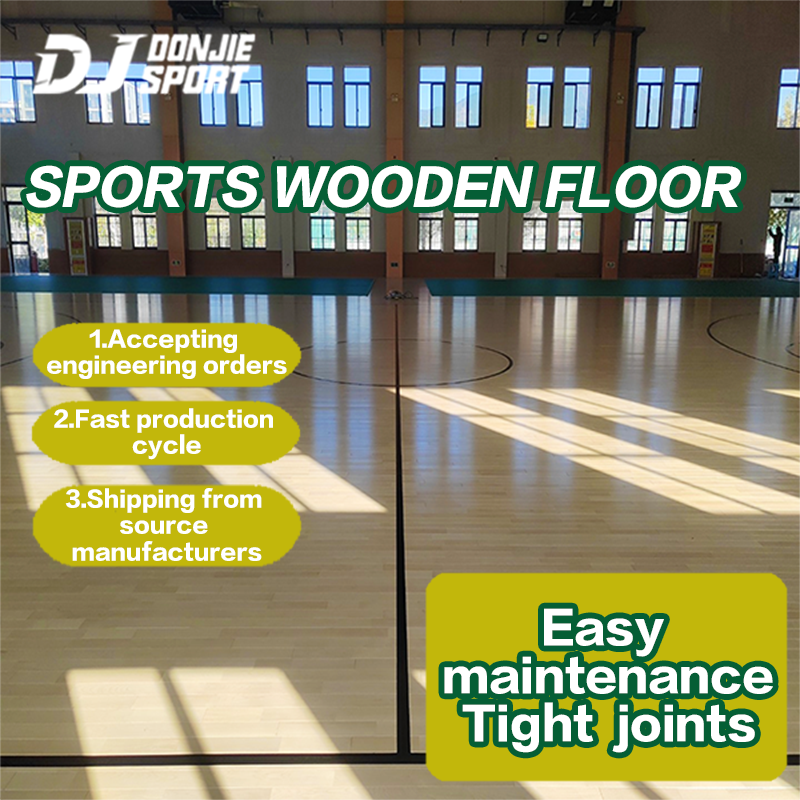
- Indoor Gymnasiums: Many high – end and traditional indoor gymnasiums prefer wooden flooring. The natural aesthetics and shock – absorption properties of wood make it suitable for a variety of sports such as basketball, volleyball, and gymnastics. The warm look of the wood can also create a more inviting atmosphere for athletes and spectators alike.
- Dance Studios: Dance studios are another common setting for wooden flooring. The comfortable underfoot feel, shock – absorption, and the ability to provide a stable surface for complex dance movements make wood an ideal choice. The natural look of the wood also complements the artistic and creative nature of dance, creating a visually appealing backdrop for performances and classes.
Cost Breakdown: Initial Investment
PVC Sports Floor: The Upfront Expenses
- Material Costs: PVC sports floors are generally more cost – effective in terms of material expenses. The raw materials used in PVC production, such as polyvinyl chloride resins, fillers, and additives, are relatively inexpensive compared to high – quality hardwoods. For example, a basic, mid – grade PVC sports floor material might cost around 15 per square foot. This cost can vary depending on factors like the thickness of the floor, the quality of the PVC, and any additional features such as enhanced shock – absorption layers or anti – microbial properties. Thicker PVC floors, which are often preferred for high – impact sports like basketball, may be on the higher end of this price range, while thinner floors suitable for less demanding sports like table tennis can be towards the lower end.
- Installation Costs: Installing a PVC sports floor is also relatively straightforward and thus less costly in terms of labor. The installation process usually involves rolling out the PVC sheets or tiles and then securing them in place. In many cases, PVC sports floors can be installed using adhesive – free methods, such as click – lock systems. This not only speeds up the installation process but also reduces the need for expensive adhesives and complex gluing procedures. The labor cost for installing a PVC sports floor can range from 8 per square foot. In a medium – sized basketball court of around 5,000 square feet, the total installation cost could be between 40,000. Additionally, since PVC floors are lightweight, there are often fewer logistical challenges during installation, which can further cut down on costs.
Wooden Flooring: What You Pay Right Away
- Material Costs: High – quality wooden flooring, especially solid wood, comes with a hefty price tag. Solid maple, a popular choice for sports floors due to its durability and appearance, can cost upwards of 30 per square foot. Engineered wood flooring is generally a bit more affordable, but still, it can range from
20 per square foot. The cost of wooden flooring is influenced by the type of wood species, the quality grade, and the thickness of the boards. For example, rare or exotic wood species will be much more expensive than common ones like oak. Thicker boards are also more costly as they offer greater durability and the ability to be sanded and refinished more times.
- Installation Costs: Installing wooden flooring is a more complex and time – consuming process compared to PVC sports floors, which leads to higher installation costs. Solid wood flooring often requires a sub – floor installation first to ensure a stable base. The boards then need to be carefully laid, nailed, or glued in place, and the seams must be precisely aligned. Engineered wood flooring, while easier to install than solid wood in some ways, still requires a certain level of expertise. The labor cost for installing wooden flooring can range from 15 per square foot. In the same 5,000 – square – foot basketball court, the installation cost for wooden flooring could be between 75,000. Moreover, the installation of wooden floors may require additional equipment and tools, such as specialized nail guns and floor – sanding machines, which can also add to the overall initial investment.
Long – Term Maintenance Costs
Maintaining the Shine of PVC Sports Floors
PVC sports floors are a breeze to maintain, and this is a significant factor in their long – term cost – effectiveness. Regular cleaning is straightforward. A simple sweep with a broom or a dust – mop can remove surface debris, such as dust, dirt, and small particles. For deeper cleaning, a damp mop with a mild, pH – balanced detergent is all that’s needed. This basic cleaning routine can be carried out by the facility staff or even the users themselves with minimal training.
Occasionally, PVC sports floors may require more intensive professional cleaning, especially in high – traffic areas or after particularly messy events. However, these professional cleanings are not frequent. On average, a PVC – floored sports area might need professional maintenance once or twice a year. The cost of professional cleaning services for PVC sports floors is relatively low compared to other flooring options. A typical professional cleaning for a 1,000 – square – foot PVC sports floor could cost around 300, depending on the level of dirt and the services included, such as deep – scrubbing and polishing.
Another advantage of PVC sports floors is their resistance to stains and damage from common sports – related substances. For example, spilled sports drinks or sweat can be easily wiped up without leaving a lasting mark. This means that there’s no need to invest in expensive stain – removal products or worry about costly repairs due to staining. Overall, the long – term maintenance costs of PVC sports floors are minimal, making them an attractive option for budget – conscious facility owners.
The Upkeep of Wooden Flooring: A Costly Affair?
Maintaining wooden flooring is a more involved and costly process compared to PVC sports floors. One of the regular maintenance tasks for wooden floors is waxing or refinishing. This is necessary to keep the wood looking its best, protect it from wear and tear, and maintain its natural luster. Wood floors typically need to be waxed or refinished every 1 – 3 years, depending on the level of usage. The cost of waxing or refinishing a 1,000 – square – foot wooden floor can range from 3,000. This includes the cost of the wax or finish products and the labor required to apply them.
Wooden floors are also highly sensitive to moisture. To prevent warping, cupping, or rotting, it’s essential to maintain a consistent humidity level in the room. This may require investing in a humidifier or dehumidifier, depending on the climate. The cost of purchasing and operating these devices adds to the long – term maintenance expenses. For example, a mid – range humidifier can cost around 300, and the electricity cost to run it over the course of a year can be significant, especially in areas with extreme humidity conditions.
In addition, wooden floors are more prone to scratches and dents from sports equipment, furniture, and heavy foot traffic. Repairing these damages can be costly. Small scratches can sometimes be buffed out, but deeper scratches or dents may require sanding down the affected area and refinishing it. In some cases, individual boards may need to be replaced, which can be a time – consuming and expensive process. The cost of repairing a damaged wooden floor can vary widely depending on the extent of the damage, but it can easily run into the hundreds or even thousands of dollars for larger areas.
Durability: The Longevity Factor
How Long Does a PVC Sports Floor Last?
PVC sports floors are known for their impressive durability. Under normal usage and with proper maintenance, a PVC sports floor can last anywhere from 10 – 20 years or even longer. The wear – resistant surface of PVC is designed to withstand the rigors of continuous foot traffic, the impact of sports equipment, and the friction generated during various sports activities.
For example, in a moderately used community basketball court that is used for a few hours every day, a high – quality PVC sports floor can maintain its performance and appearance well over a decade. The material’s resistance to scratches, dents, and fading ensures that it remains in good condition for an extended period. Additionally, the waterproof and moisture – resistant properties of PVC prevent damage from water – related issues, such as swelling or warping, which can significantly shorten the lifespan of other flooring materials. This makes PVC sports floors a reliable long – term investment for sports facilities.
The Lifespan of Wooden Flooring
The lifespan of wooden flooring can be quite variable and is highly dependent on several factors, including the environment and the frequency of use. In optimal conditions, with careful maintenance, a well – installed wooden floor can last 15 – 20 years. However, these floors are more sensitive to environmental changes compared to PVC sports floors.
Exposure to high humidity levels can cause wooden floors to expand, warp, or cup. In areas with fluctuating temperatures and humidity, such as basements or areas near uninsulated windows, the lifespan of wooden flooring may be significantly reduced. For instance, in a dance studio located in a building with poor climate control, the wooden floor may start to show signs of damage, like buckling or splitting, after only 5 – 10 years of use.
Moreover, the level of usage also plays a crucial role. In high – traffic sports areas where there is a lot of equipment movement and heavy foot traffic, wooden floors are more prone to scratches, dents, and wear – and – tear. Without regular maintenance, such as waxing, refinishing, and prompt repair of damages, the lifespan of wooden flooring can be cut short. In some cases, if not properly cared for, wooden floors may need to be replaced within 5 – 10 years, which can be a costly and time – consuming process.
Performance Over Time
PVC Sports Floor: Consistency in Performance
One of the remarkable aspects of PVC sports floors is their consistent performance over time. The properties that make PVC sports floors suitable for sports activities, such as slip – resistance and shock – absorption, remain relatively stable throughout their lifespan.
The slip – resistant surface of PVC is designed to maintain its coefficient of friction, regardless of how long the floor has been in use. This means that whether it’s the first year of operation or the tenth year, athletes can rely on the floor to provide the same level of traction. For example, in a badminton court with a PVC sports floor, players can make quick lateral movements and sudden stops without the fear of slipping, and this safety feature doesn’t degrade over time.
Similarly, the shock – absorption capabilities of PVC sports floors stay consistent. The cushioning effect that protects athletes’ joints from the impact of jumps and landings remains effective throughout the floor’s life. In a gymnastics hall with a PVC floor, gymnasts can perform their routines with the same level of comfort and safety, year after year. This consistent performance not only ensures the safety and performance of athletes but also contributes to the long – term cost – effectiveness of PVC sports floors, as there’s no need to invest in additional safety measures or performance – enhancing upgrades due to deteriorating floor performance.
Wooden Flooring: Changes with Age
Wooden flooring, on the other hand, experiences several changes with age that can affect both its performance and aesthetics. Over time, wooden floors are prone to wear and tear. The constant foot traffic, especially in high – activity sports areas, can cause the surface of the wood to become scratched and dull. For instance, in a busy basketball court with a wooden floor, the areas where players frequently run, jump, and pivot will show signs of more significant wear, such as the finish wearing off and the wood becoming more exposed.
Wooden floors are also susceptible to deformation. Changes in humidity and temperature can cause the wood to expand and contract, leading to warping, cupping, or buckling. In a dance studio located in an old building with poor climate control, the wooden floor may start to develop uneven surfaces over time, which can be a safety hazard for dancers. A warped floor can affect the smoothness of movement and increase the risk of tripping or ankle sprains.
Another issue with wooden flooring is fading. Prolonged exposure to sunlight, especially in areas with large windows or skylights, can cause the natural color of the wood to fade. This not only affects the visual appeal of the floor but can also make the space look less inviting and well – maintained. These changes in performance and appearance over time often require more frequent maintenance and, in some cases, premature replacement, which can add to the long – term costs associated with wooden flooring.
Environmental Considerations and Cost Implication
PVC Sports Floors and the Environment
When considering the environmental impact of PVC sports floors, it’s a bit of a double – edged sword. On the one hand, the production of PVC involves the use of certain chemicals, and there are concerns about potential pollution during the manufacturing process. The extraction of raw materials for PVC production and the energy – intensive manufacturing processes can contribute to environmental degradation. For example, the production of chlorine, which is a key component in PVC, can release harmful by – products if not properly managed.
However, PVC sports floors do have some redeeming environmental qualities. They are often more energy – efficient to install compared to wooden flooring, as the installation process is less complex and requires less energy – intensive equipment. Additionally, some PVC sports floors are recyclable. As technology advances, the recycling of PVC materials has become more feasible, and there are initiatives to increase the recyclability of PVC products, including sports floors. This means that at the end of their lifespan, these floors can potentially be repurposed, reducing the amount of waste that ends up in landfills.
Wooden Flooring: A Greener Option?
Wooden flooring is often perceived as a more environmentally friendly option due to its natural origin. The raw material, wood, is a renewable resource, especially if it comes from sustainably managed forests. When sourced responsibly, wooden flooring can be part of a sustainable cycle, as new trees can be planted to replace those that are harvested. For example, many forestry management programs ensure that for every tree cut down, a new one is planted, maintaining the overall forest cover.
Nevertheless, the environmental benefits of wooden flooring are not without caveats. The logging industry, if not properly regulated, can lead to deforestation, which has a significant negative impact on the environment. Deforestation can disrupt ecosystems, reduce biodiversity, and contribute to climate change by reducing the number of trees that absorb carbon dioxide. Moreover, the production and processing of wooden flooring require a substantial amount of energy. From milling the logs into planks to finishing the wood, each step in the production process consumes energy, often from non – renewable sources. This energy consumption adds to the overall carbon footprint of wooden flooring, offsetting some of the environmental advantages associated with its natural origin.
Making the Right Choice
Factors to Consider Beyond Cost
- Type of Sports Activity: Different sports have specific flooring requirements. For high – impact sports like basketball and volleyball, a floor with excellent shock – absorption is crucial. PVC sports floors are well – suited for these sports due to their high – quality shock – absorption properties. On the other hand, for sports that require a more natural feel underfoot, such as traditional dance forms that rely on a certain connection with the floor, wooden flooring might be a better choice, as its natural springiness can enhance the dancer’s experience.
- Frequency of Use: If the sports area will be used frequently, durability becomes a top priority. PVC sports floors, with their high – wear resistance, are a great option for high – traffic areas. They can withstand the constant foot traffic and equipment movement without significant degradation. In contrast, wooden floors, although durable, may require more frequent maintenance in high – usage areas to keep them in good condition.
- Aesthetic Preferences: Aesthetics can also play a role in the decision – making process. If you prefer a modern, sleek look, PVC sports floors with their wide range of colors and patterns can provide a contemporary and customizable appearance. However, if you’re aiming for a classic, warm, and natural look, wooden flooring, with its unique grain patterns and colors, is the way to go. For example, a high – end sports club might choose wooden flooring to create an elegant and inviting atmosphere, while a community center on a budget might opt for PVC sports floors for their functionality and cost – effectiveness.
- Installation Space and Conditions: The installation space and its conditions can influence the choice of flooring. PVC sports floors are lightweight and easy to install, making them suitable for areas where access may be limited or where a quick installation is required. They can also be installed over various sub – floors. Wooden flooring, especially solid wood, may require a more stable and level sub – floor, and the installation process can be more complex, which might be a consideration in some spaces.
Final Verdict: Which is More Cost – Effective in the Long Run?
In general, PVC sports floors tend to be more cost – effective in the long run, especially for facilities on a budget or those with high – usage requirements. Their lower initial investment, minimal maintenance costs, long lifespan, and consistent performance make them a practical choice for many sports and activity spaces, such as community sports centers, public schools, and multi – purpose sports halls.
However, wooden flooring can still be a viable option for certain situations. If aesthetics and a traditional, comfortable feel are of utmost importance, and budget is not a major constraint, wooden flooring can create a unique and inviting environment, particularly in high – end sports clubs, professional dance studios, or historical sports venues where the natural charm of wood adds to the overall atmosphere.
Ultimately, the decision between PVC sports floors and wooden flooring depends on a careful evaluation of your specific needs, budget, and preferences. By considering all the factors discussed in this article, you can make an informed choice that will provide a safe, functional, and long – lasting sports floor for your facility.
Recap of the PVC Sports Floor vs Wooden Flooring Showdown
Throughout this in – depth comparison between PVC sports floors and wooden flooring, we’ve explored multiple aspects that are crucial when deciding which option is more cost – effective in the long run. PVC sports floors come with a lower initial investment, both in terms of material and installation costs. Their maintenance is a breeze, with simple cleaning routines and infrequent professional cleanings, resulting in minimal long – term maintenance expenses. They are highly durable, lasting 10 – 20 years or more under normal use, and maintain consistent performance over time, ensuring the safety and functionality of sports activities.
On the other hand, wooden flooring has a higher upfront cost, especially for solid wood, and its installation is more complex and expensive. Maintenance is a more involved and costly affair, with regular waxing or refinishing required, and it’s highly sensitive to moisture, which may lead to the need for additional climate – control equipment. The lifespan of wooden flooring can be variable, and it is more prone to wear and tear, deformation, and fading, which can affect both its performance and aesthetics.