Sustainability is becoming a key focus in modern sports infrastructure. Facility managers, architects, and sports organizations are increasingly seeking ways to minimize environmental impact while providing safe, high-performance surfaces for athletes. PVC sports flooring has emerged as a leading solution for creating sustainable sports spaces. Its durability, low maintenance, and recyclability make it an ideal choice for indoor basketball courts, badminton courts, pickleball courts, and dance studios. This article explores how PVC sports flooring supports sustainability while maintaining superior athletic performance.

The Environmental Benefits of PVC Sports Flooring
Reducing Carbon Footprint: PVC sports flooring is produced with advanced manufacturing techniques that reduce energy consumption and greenhouse gas emissions. Additionally, many PVC floors incorporate recycled materials, further lowering their carbon footprint compared to traditional flooring alternatives.
Longevity and Durability: The long lifespan of PVC sports flooring means fewer replacements are needed over time, reducing waste and conserving resources. Unlike wooden or synthetic alternatives, PVC flooring can withstand intensive use in indoor basketball courts and multi-purpose sports halls without losing performance quality.
Low Maintenance Requirements: PVC sports flooring requires minimal maintenance. Routine cleaning is straightforward, reducing the use of water and chemical cleaning agents. This environmentally friendly maintenance approach is particularly beneficial in sports venues like badminton courts and dance studios, where frequent cleaning is necessary to maintain safety and aesthetics.
Material Composition and Eco-Friendly Manufacturing
PVC sports flooring is composed of non-toxic, recyclable materials that contribute to sustainability. Manufacturers often employ eco-conscious processes such as energy-efficient extrusion and the use of recycled PVC content. These practices help reduce the environmental impact associated with flooring production.
Compared to alternatives like hardwood or rubber flooring, PVC offers a more sustainable material profile. For example, hardwood requires tree harvesting and frequent refinishing, while rubber flooring may contain harmful additives. PVC combines durability with environmental responsibility, making it a top choice for modern sports spaces.
PVC Sports Flooring in Sustainable Sports Venues
Indoor Basketball Courts: PVC flooring provides excellent shock absorption and traction, ensuring athlete safety while reducing surface wear. Its durability translates into fewer replacements, making basketball courts more sustainable over time.
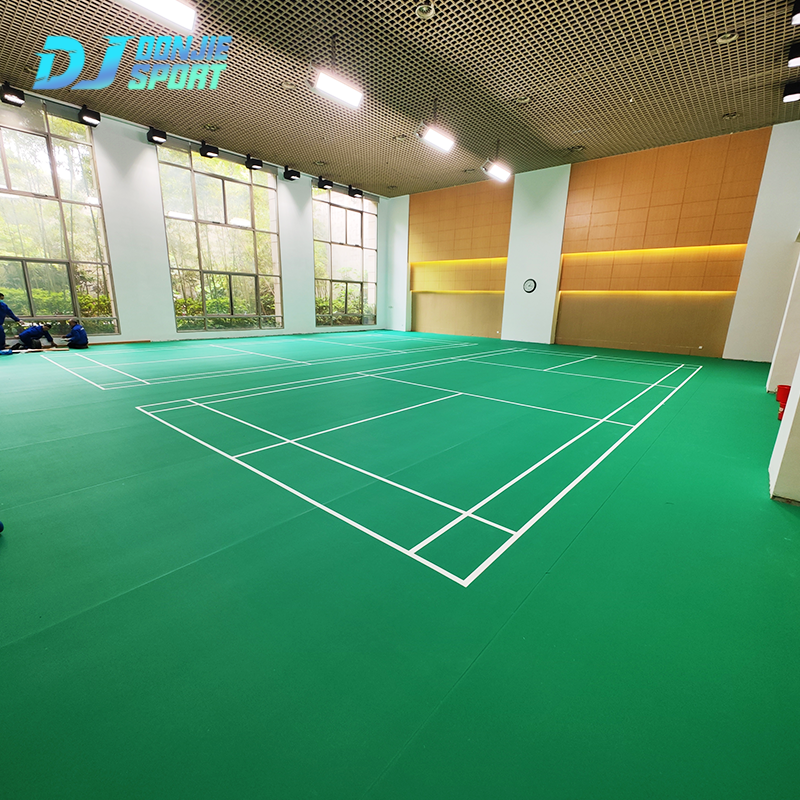
Badminton Courts: The resilient yet flexible surface of PVC floors supports high-speed movements while minimizing joint stress. Facilities using PVC can reduce maintenance cycles and energy use for repairs, aligning with sustainability goals.
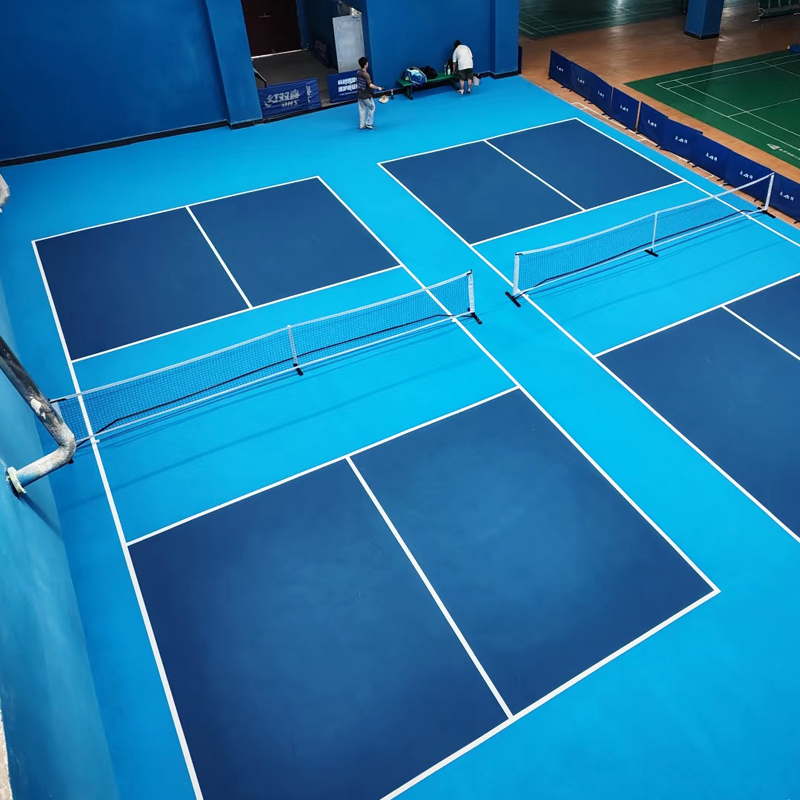
Pickleball Courts: As a growing sport, pickleball requires surfaces that can endure frequent play without compromising performance. PVC flooring meets this need while offering easy cleaning and long-term reliability, reducing material consumption.
Dance Studios and Multi-Purpose Sports Halls: PVC floors balance comfort, slip resistance, and durability, allowing studios and halls to host multiple activities sustainably. The long lifespan of PVC flooring ensures minimal environmental impact across diverse applications.
Lifecycle and Recyclability of PVC Sports Flooring
One of the key sustainability advantages of PVC sports flooring is its lifecycle. High-quality PVC floors can last 10–20 years under normal use, significantly extending the interval between replacements. At the end of their life, PVC floors can be recycled into new flooring products or other industrial applications, reducing landfill waste.
Some sports facilities have successfully implemented programs to recycle old PVC flooring, closing the loop on material usage and exemplifying a commitment to sustainable practices. This recyclability is particularly advantageous in high-traffic sports halls and indoor courts.
Health and Safety Advantages That Support Sustainability
PVC sports flooring also contributes to sustainability by promoting athlete health and reducing environmental stress. Slip-resistant and shock-absorbing surfaces prevent injuries, decreasing the need for resource-intensive medical treatments. Additionally, modern PVC floors emit low levels of VOCs (volatile organic compounds), supporting indoor air quality in enclosed sports venues.
By combining performance with safety, PVC flooring enhances both the ecological and human sustainability of sports spaces, making it an ideal choice for responsible facility management.
Cost Efficiency and Sustainability
Investing in PVC sports flooring is not only environmentally smart but economically advantageous. Its durability reduces replacement frequency, saving materials and costs over time. Minimal maintenance requirements further lower operational expenses, while sustainable sourcing and manufacturing enhance the facility’s green credentials.
This combination of cost efficiency and environmental responsibility is particularly valuable for indoor basketball courts, badminton courts, and multi-purpose halls, where long-term sustainability and economic viability must go hand in hand.
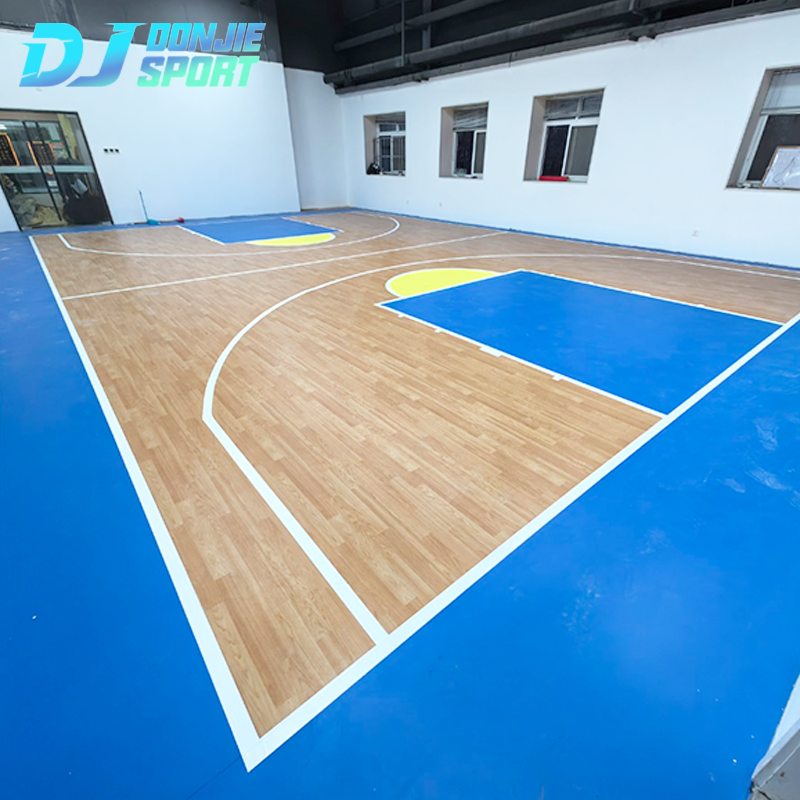
Tips for Implementing PVC Sports Flooring in Green Sports Projects
-
Select Certified Eco-Friendly Products: Look for PVC flooring certified by environmental standards such as ISO 14001 or FloorScore.
-
Partner with Sustainable Suppliers: Choose manufacturers committed to recycled content, low-energy production, and responsible waste management.
-
Integrate Flooring Choices into Facility Planning: Consider PVC sports flooring as part of a broader sustainable strategy, including energy-efficient lighting, water-saving fixtures, and waste reduction programs.
Conclusion
PVC sports flooring provides a practical, eco-friendly solution for sustainable sports spaces. Its durability, low maintenance, recyclability, and safety features make it an ideal choice for indoor basketball courts, badminton courts, pickleball courts, dance studios, and multi-purpose sports halls. By investing in PVC sports flooring, facility managers and sports organizations can create high-performance environments that align with environmental goals and long-term cost efficiency.
Choosing PVC sports flooring is a decisive step toward greener, safer, and more sustainable sports facilities, demonstrating a commitment to both athletic excellence and environmental responsibility.