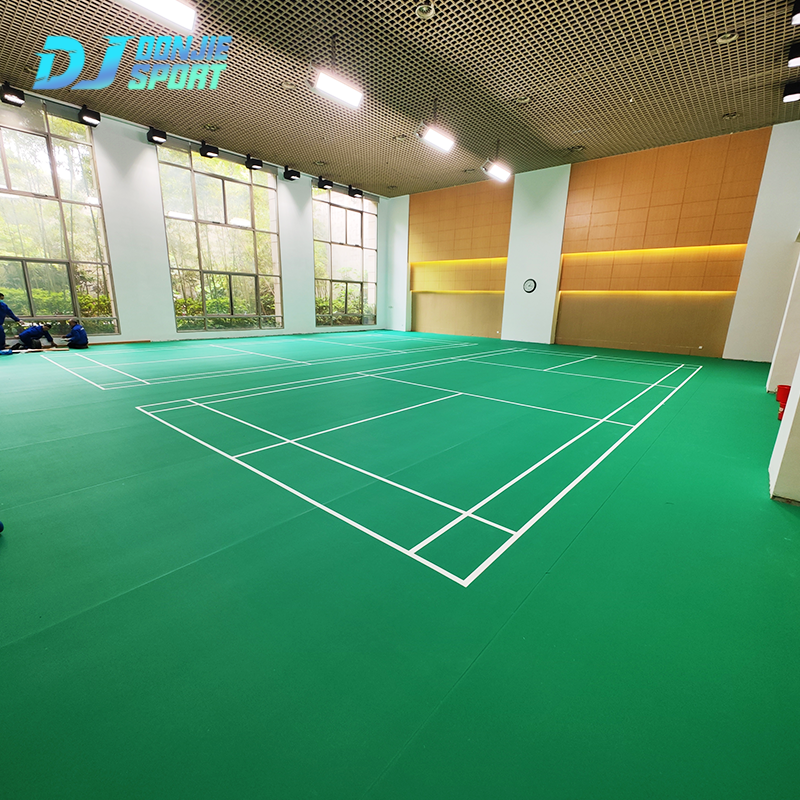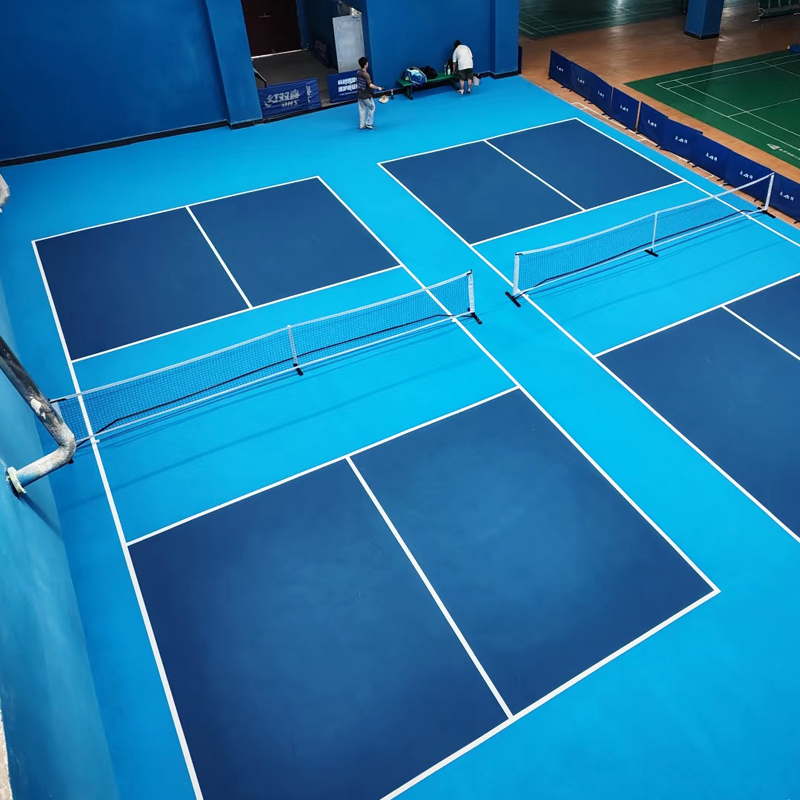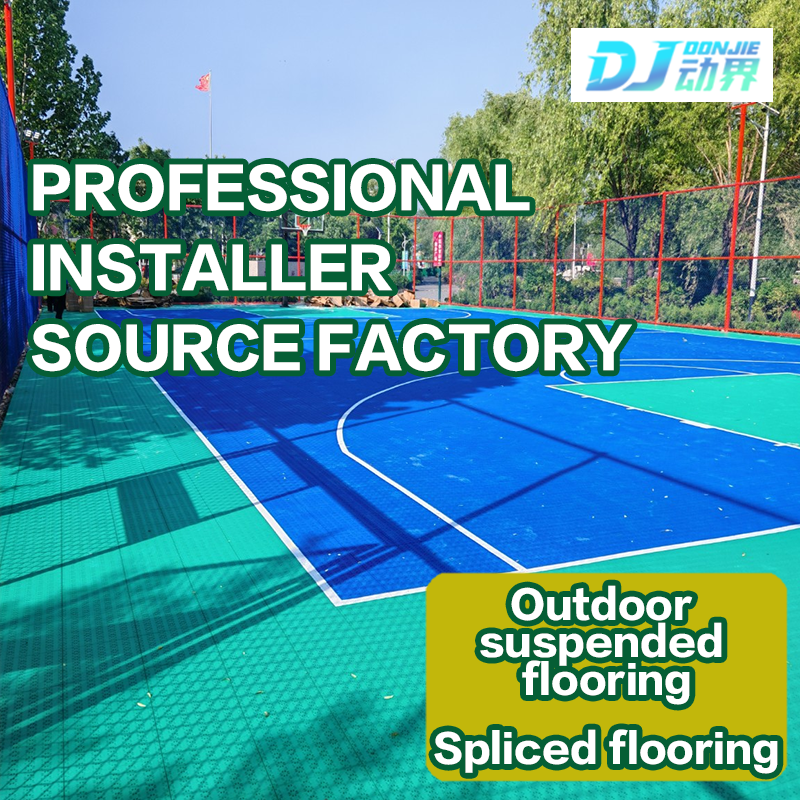
PVC sports flooring has become one of the most popular choices for indoor sports facilities around the world. Known for its durability, comfort, and safety, this type of flooring is widely used in venues ranging from basketball courts and badminton courts to dance studios and multipurpose sports halls. Unlike traditional wood or concrete floors, PVC sports flooring offers a specialized surface that enhances athlete performance while reducing the risk of injuries. In this comprehensive guide, we will explore what PVC sports flooring is, its structure, benefits, installation process, maintenance, and ideal applications for various indoor sports venues.
Understanding PVC Sports Flooring
What is PVC Sports Flooring?
PVC sports flooring is a type of vinyl flooring specifically designed for indoor sports environments. It is composed primarily of polyvinyl chloride (PVC), a resilient synthetic material known for its flexibility and strength. Unlike general vinyl flooring, PVC sports flooring is engineered with performance in mind, offering superior shock absorption, traction, and durability.
Structure of PVC Sports Flooring
Most PVC sports flooring comes in rolls, ranging in thickness depending on the intended use. A typical PVC sports floor includes:
-
Wear Layer: The top surface that protects against scratches, scuffs, and wear from heavy sports use.
-
Color Layer: Often designed with specific sports markings or aesthetic patterns.
-
Backing Layer / Shock Absorption Layer: Provides cushioning to reduce joint stress and improve safety.
Materials Used in PVC Sports Flooring
PVC sports flooring is manufactured using high-quality PVC compounds, stabilizers, and surface coatings. Modern production emphasizes eco-friendly and non-toxic materials, making these floors safe for indoor use and compliant with environmental standards. Additives are often included to enhance anti-slip performance, durability, and resistance to moisture.
Types and Styles of PVC Sports Flooring
Smooth vs. Textured Finishes
PVC sports flooring can have a smooth surface for fast ball movement or a textured finish to provide additional grip. The choice depends on the type of sport and the level of traction required.
Patterns and Colors
Many PVC sports floors feature lines, markings, and patterns specifically designed for basketball, badminton, and pickleball courts. A wide range of colors and aesthetic finishes also allows designers to match the flooring with the facility’s interior design.
Thickness Variations
PVC sports flooring comes in various thicknesses, typically ranging from 3 mm to 8 mm. Thicker floors provide more shock absorption and are suitable for high-impact sports like basketball, while thinner options are ideal for multipurpose activity rooms and dance studios.
Benefits of PVC Sports Flooring
Enhanced Safety and Injury Prevention
One of the main advantages of PVC sports flooring is its ability to reduce injuries. The shock-absorbing layer helps minimize joint stress, while anti-slip surfaces reduce the risk of falls during rapid movements.
Performance Improvement for Athletes
PVC sports flooring provides consistent ball bounce and reliable traction, allowing athletes to perform at their best. The surface flexibility supports quick movements and changes in direction, essential for sports like badminton, basketball, and pickleball.
Durability and Low Maintenance
PVC sports floors are resistant to scratches, scuffs, moisture, and heavy foot traffic. They require minimal maintenance compared to wooden or concrete surfaces, ensuring long-term performance and cost efficiency.
Cost-Effectiveness
While offering professional-level performance, PVC sports flooring is often more affordable than other indoor flooring options. Its longevity and low maintenance further contribute to overall cost savings.
Installation of PVC Sports Flooring
Surface Preparation
Before installing PVC sports flooring, the underlying surface must be clean, dry, and level. Proper preparation ensures that the flooring adheres well and performs optimally over time.
Rolling and Adhesive Techniques
PVC sports flooring can be installed using glue-down methods or loose-lay techniques, depending on the venue size and floor specifications. The adhesive method provides permanent stability, while loose-lay offers easier replacement and maintenance.
Seam Welding and Finishing
Seams are welded or joined carefully to create a smooth, continuous playing surface. Proper finishing ensures durability, safety, and a professional appearance suitable for sports competitions.
Ideal Venues for PVC Sports Flooring
PVC sports flooring is versatile and suitable for a wide range of indoor sports venues:
-
Indoor Sports Halls and Gymnasiums: Accommodates various sports activities with high traffic.
-
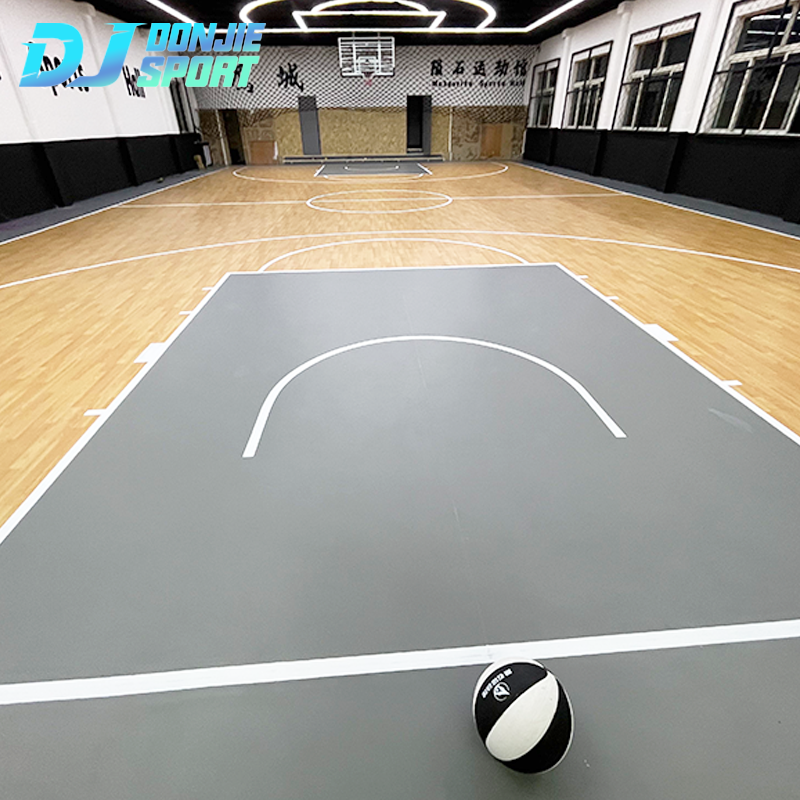
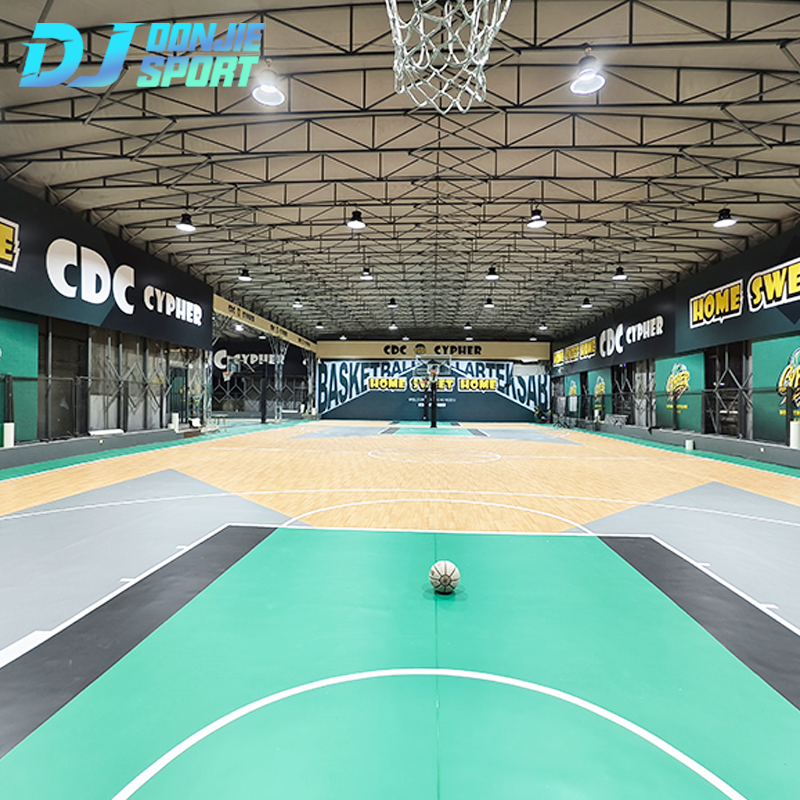
Basketball Courts: Provides shock absorption, traction, and consistent ball bounce.
-
Badminton Courts: Enhances movement and reduces joint stress during fast-paced games.
-
Pickleball Courts: Offers safety and comfort for both competitive and recreational players.
-
Dance Studios: Supports dancers with flexible cushioning and smooth surface for movement.
-
Multipurpose Activity Rooms: Suitable for community centers and training facilities where different sports and events are held.
Maintenance Tips for PVC Sports Flooring
-
Regular Cleaning: Sweep or vacuum regularly to remove dust and debris.
-
Spill Management: Wipe up liquids promptly to prevent stains or damage.
-
Periodic Deep Cleaning: Use a mild cleaning solution recommended for PVC floors to maintain shine and hygiene.
-
Inspection: Check for wear or seam damage periodically and repair as needed to maintain performance.
How to Choose the Right PVC Sports Flooring
Factors to Consider
-
Thickness: Choose based on the sport’s impact level and foot traffic.
-
Surface Texture: Smooth for ball movement, textured for extra grip.
-
Color and Patterns: Align with court markings and interior design.
-
Installation Method: Glue-down for permanent use, loose-lay for flexibility.
Matching Flooring to Sports Activity
Basketball and badminton courts benefit from thicker, high-traction surfaces, while dance studios and multipurpose activity rooms can use thinner, smoother options.
Budget and Lifespan
Select flooring that balances cost, performance, and expected durability to ensure long-term satisfaction and minimal maintenance expenses.
Conclusion
PVC sports flooring is a versatile, durable, and performance-oriented solution for indoor sports venues. From basketball courts and badminton courts to pickleball courts and dance studios, this type of flooring enhances athlete safety, improves performance, and reduces maintenance costs. Choosing the right PVC sports flooring ensures a professional, long-lasting surface suitable for a wide range of indoor activities, making it an ideal investment for modern sports facilities.