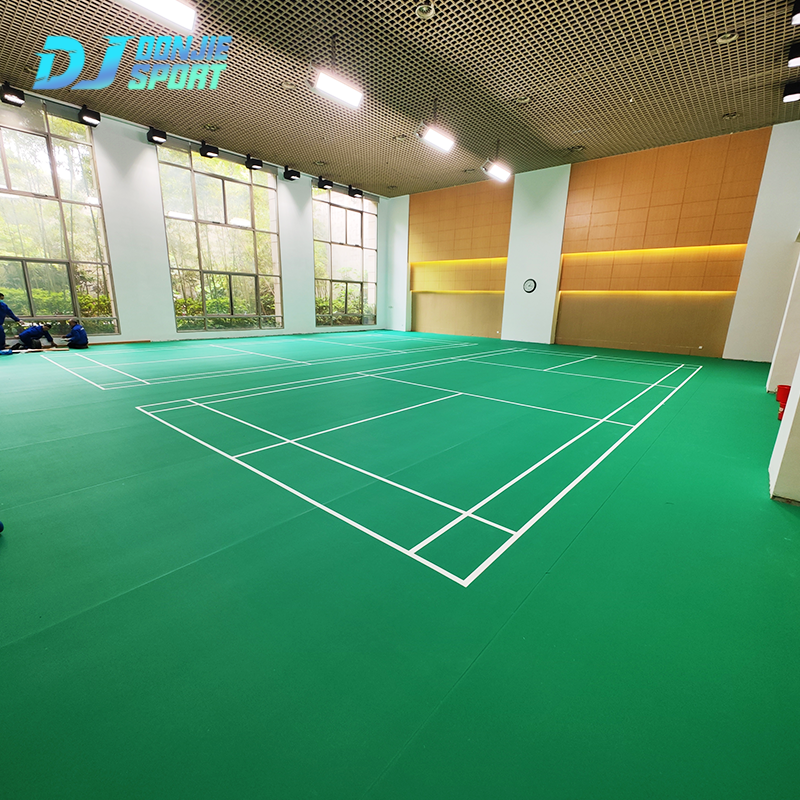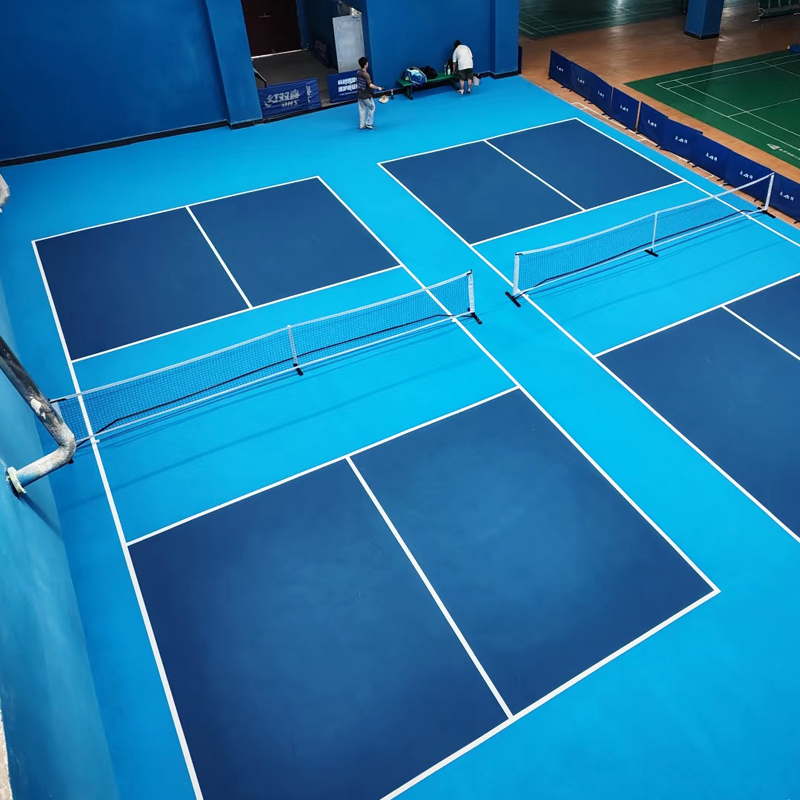
PVC sports flooring, also known as vinyl sports flooring, is a specialized roll material designed for indoor athletic surfaces such as gymnasiums, basketball courts, badminton halls, and multipurpose sports venues. Made primarily from polyvinyl chloride (PVC) resin, this type of flooring features a multi-layer construction that combines resilience, durability, and excellent shock absorption.
Unlike traditional hardwood or rubber floors, PVC roll sports flooring provides a perfect balance of comfort and performance. It typically includes a wear-resistant surface layer, a glass fiber reinforcement layer to prevent deformation, and a foam backing that enhances elasticity and shock absorption. These layers work together to deliver a stable, safe, and long-lasting sports environment.
PVC sports flooring has gained significant popularity worldwide due to its cost-effectiveness, easy installation, and wide range of design options. It’s especially favored in schools, fitness centers, dance studios, and professional sports facilities for its ability to provide consistent ball rebound, slip resistance, and excellent player comfort.
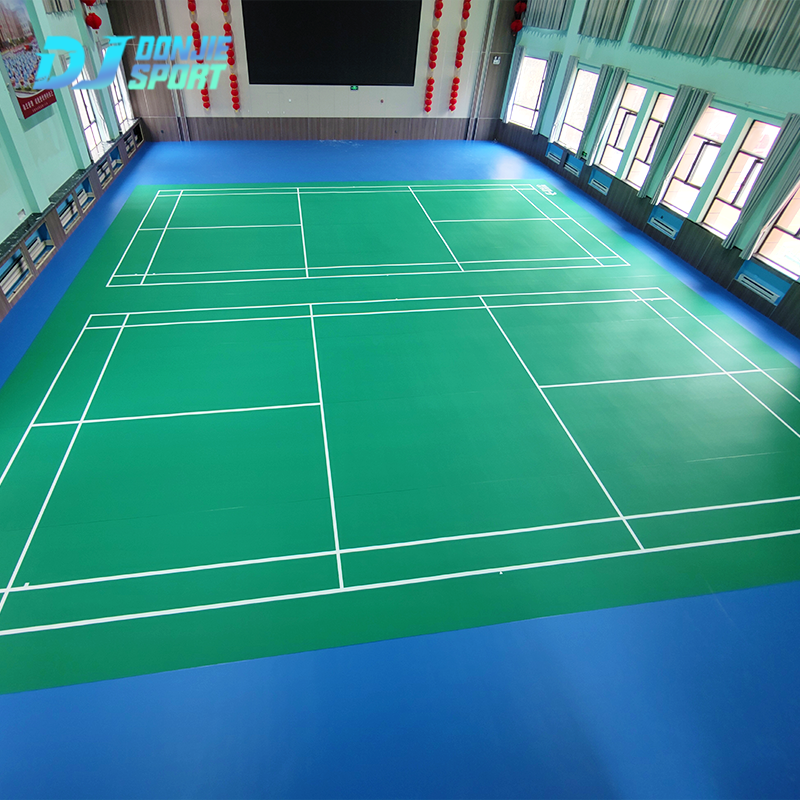
What Are the Advantages and Disadvantages of PVC Sports Flooring?
Introduction to PVC Sports Flooring
PVC sports flooring, also known as vinyl sports flooring, is a specialized roll material designed for indoor sports venues such as gymnasiums, basketball courts, badminton halls, and multipurpose training areas. Made from polyvinyl chloride (PVC) combined with stabilizers, plasticizers, and glass fiber mesh, it delivers a smooth, durable, and flexible surface suitable for high-performance athletic environments.
The flooring is typically constructed in multiple layers: a wear-resistant surface layer, a fiberglass reinforced layer to prevent deformation, a printed decorative layer, and an elastic foam backing for superior cushioning and comfort. This multi-layer design ensures excellent stability, safety, and long-lasting performance — making PVC roll sports flooring one of the most trusted solutions in modern sports facilities.
Advantages of PVC Sports Flooring
Durability and Long-Term Performance
One of the greatest strengths of PVC sports flooring is its exceptional durability. The multi-layer PVC structure provides outstanding resistance to wear, scratches, and impacts. Even under frequent foot traffic, ball rebounds, or sports equipment movement, it maintains a stable surface with minimal signs of fatigue.
Compared with traditional wood or rubber flooring, PVC flooring can last for many years without losing its elasticity or visual appeal. Its resistance to moisture also prevents warping and surface peeling — a common issue with wooden floors. This makes it a cost-effective, long-term flooring solution for any indoor sports venue.
Excellent Shock Absorption and Athlete Protection
Athlete comfort and safety are at the heart of every flooring choice. PVC sports flooring is specifically engineered with an elastic foam underlayer that absorbs impact energy efficiently, reducing stress on joints, knees, and ankles.
Whether during fast-paced basketball games or intense badminton matches, the flooring minimizes the risk of sports injuries by providing a resilient and stable foundation. This shock absorption performance not only protects athletes but also enhances their overall performance and endurance during prolonged activities.
Easy Installation and Maintenance
PVC roll sports flooring is designed for convenient installation. It can be laid over a leveled concrete or wooden subfloor, then welded at the seams to create a smooth, seamless surface. This method prevents dirt or moisture from seeping between joints, ensuring long-term cleanliness and hygiene.
Maintenance is equally simple. Daily cleaning can be done using a soft mop or automatic floor scrubber. There’s no need for waxing or polishing — a major advantage over wood flooring. With proper care, the flooring can maintain its vibrant appearance and grip quality for many years, even in high-traffic gyms and schools.
Superior Slip Resistance and Safety
Safety is a non-negotiable factor in any sports facility. The surface of PVC sports flooring is treated with an anti-slip embossed texture that enhances traction and prevents accidental slips. This is particularly important in sports like basketball or dance, where players frequently make quick directional changes.
The flooring maintains stable friction levels under various humidity and temperature conditions, ensuring consistent performance across different climates. Combined with its cushioned understructure, PVC sports flooring delivers an optimal balance between grip and flexibility, allowing athletes to perform confidently and safely.
Aesthetic Flexibility and Customization Options
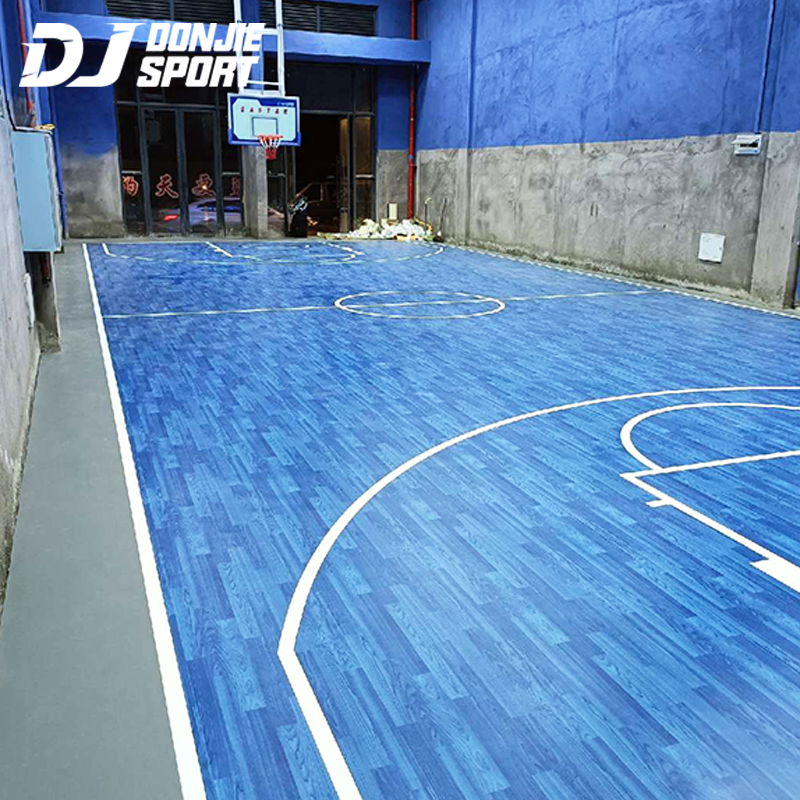
PVC roll sports flooring offers limitless design possibilities. Available in various colors, wood-like patterns, and matte or glossy finishes, it allows facility owners to create visually appealing sports environments that match their branding or interior design themes.
For instance, maple grain or crystal sand textures are popular choices for basketball and badminton courts, while solid color patterns work perfectly in schools or fitness studios. Thickness and foam density can also be customized based on specific sports requirements — whether for professional training, recreation, or multipurpose halls.
Eco-Friendly and Sustainable Design
Modern PVC sports flooring is produced using eco-friendly raw materials and advanced manufacturing processes that minimize waste and emissions. Many high-quality brands use low-VOC (volatile organic compound) formulations, ensuring healthier indoor air quality.
Additionally, PVC flooring is fully recyclable, which contributes to sustainable facility management and aligns with global green building standards. By choosing eco-conscious PVC sports flooring, facility owners not only enhance athletic performance but also promote environmental responsibility.
Disadvantages of PVC Sports Flooring
Sensitive to High Temperatures
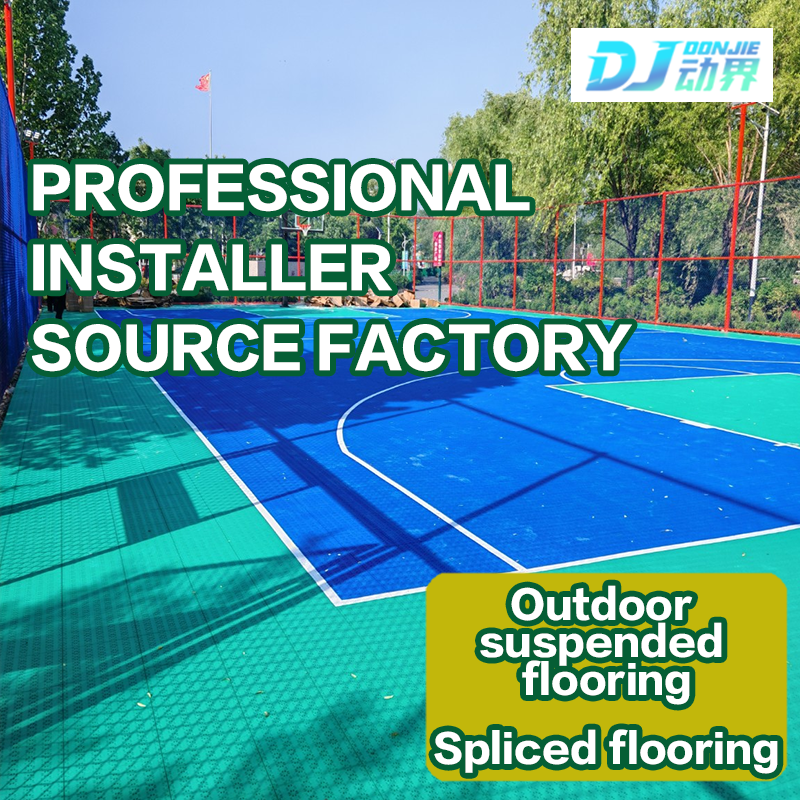
Despite its many advantages, PVC sports flooring has limitations — primarily in temperature sensitivity. PVC material may soften or deform under extreme heat or prolonged exposure to direct sunlight. For this reason, it’s best suited for indoor environments with controlled temperature and ventilation. Outdoor use may reduce its lifespan or affect its performance stability.
Initial Odor and Chemical Sensitivity
Newly installed PVC flooring may emit a mild odor caused by residual manufacturing compounds. Although these emissions are temporary and diminish after a few days with proper ventilation, they may still be noticeable in the beginning. Selecting certified, low-VOC PVC sports flooring manufacturers helps minimize this issue.
Possible Indentation Under Heavy Loads
When heavy sports equipment or furniture is placed on PVC flooring for extended periods, minor indentations or compression marks can appear. This is due to the material’s flexible and cushioned nature. Proper subfloor preparation, weight distribution pads, and regular rearrangement of equipment can help avoid these effects.
Professional Installation Recommended
While PVC roll flooring installation is straightforward in concept, achieving a seamless and durable result requires professional expertise. Precise subfloor leveling, adhesive application, and hot welding are crucial to ensure performance and aesthetics. Inexperienced installation may cause surface bubbles, uneven seams, or weak bonding — which could shorten the floor’s lifespan.
Comparison with Other Types of Sports Flooring
Compared with wood sports flooring, PVC sports flooring is more affordable, moisture-resistant, and easier to maintain. Wooden floors require periodic sanding and refinishing, while PVC only needs routine cleaning.
When compared with rubber flooring, PVC offers greater design flexibility and smoother ball bounce, making it better suited for ball-based indoor sports such as basketball and volleyball. Rubber floors, on the other hand, are better for heavy-weight training zones.
Overall, PVC roll sports flooring remains the most versatile indoor flooring option, balancing performance, comfort, and value.
How to Choose the Right PVC Sports Flooring for Your Facility
Choosing the right PVC sports flooring involves evaluating several factors, including:
-
Thickness and wear layer (determines durability and shock absorption)
-
Foam backing density (affects elasticity and comfort)
-
Surface texture and slip resistance
-
Certification standards (EN14904, ISO9001, etc.)
-
Manufacturer reliability and after-sales service
Working with trusted PVC sports flooring manufacturers like Donjie ensures that you receive flooring solutions tailored to your specific needs — from school gymnasiums to professional sports halls. Donjie’s advanced production process guarantees consistent quality, durability, and visual appeal across every roll.
Conclusion
PVC sports flooring has transformed the way indoor sports facilities are designed and operated. Its durability, comfort, safety, and easy maintenance make it an outstanding choice for a wide range of applications — from basketball and badminton courts to fitness and dance studios.
While it comes with certain limitations such as temperature sensitivity and installation requirements, the advantages far outweigh the drawbacks when installed and maintained correctly. For any facility owner seeking a cost-effective, high-performance, and visually appealing sports surface, PVC roll sports flooring remains the ideal solution.