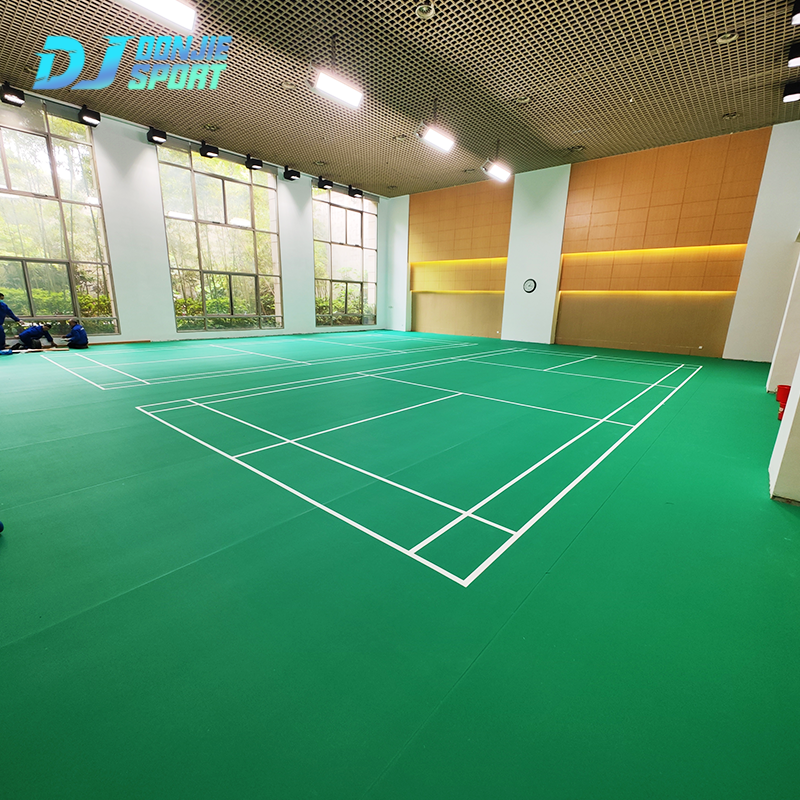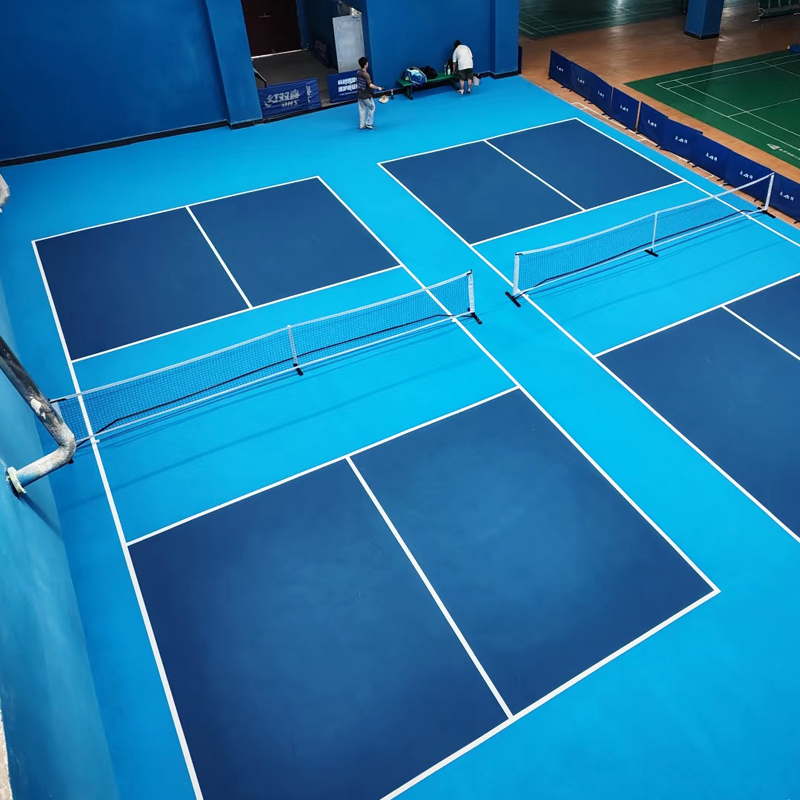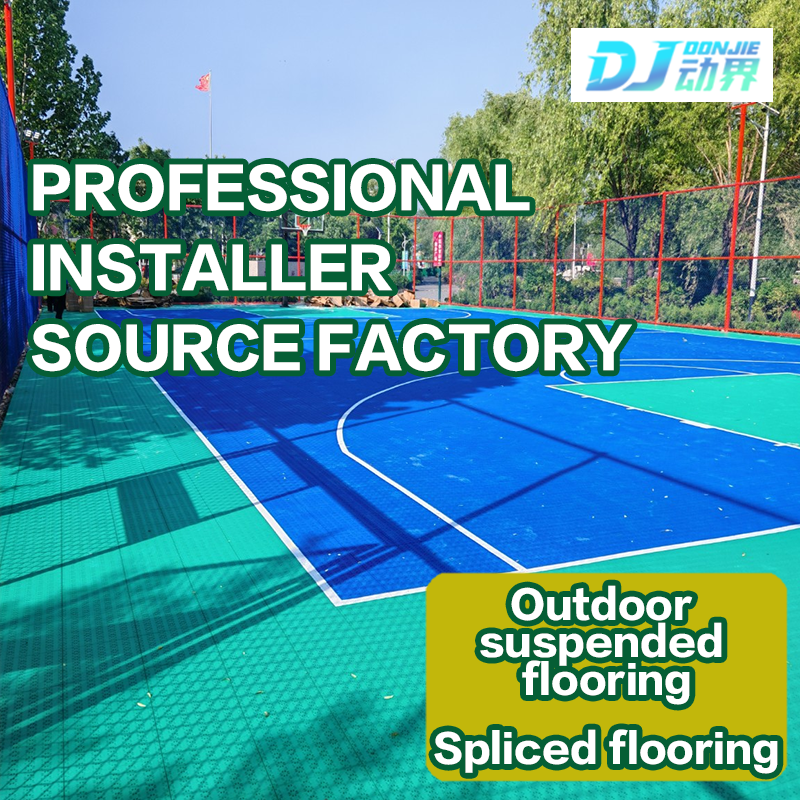
Sports environments require flooring that can withstand heavy activity, equipment impact, and repetitive foot traffic. PVC sports flooring outperforms vinyl in all these areas.
Its multi-layer structure provides excellent indentation recovery, abrasion resistance, and shock absorption, making it ideal for basketball courts, gymnasiums, and multi-purpose halls.
Vinyl flooring, though durable for commercial spaces, often lacks the resilience and anti-slip surface texture needed for sports applications. It may show signs of wear more quickly when subjected to continuous physical activity.
Comfort and Safety: Why PVC Sports Flooring Excels
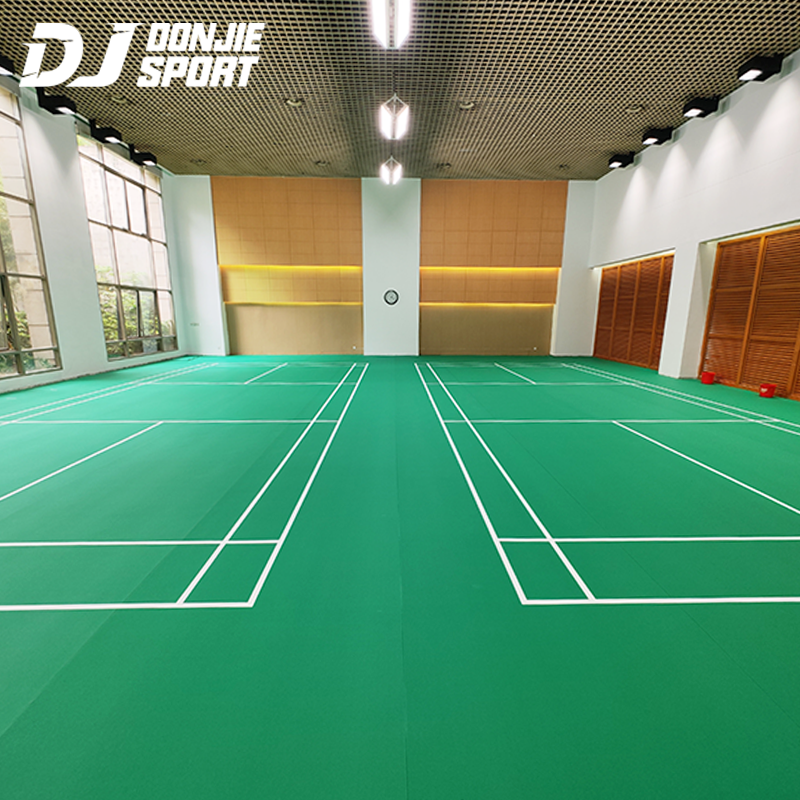
Athlete comfort and safety are top priorities in any sports venue. PVC sports flooring is engineered with foam-backed cushion layers that provide the right level of shock absorption and energy return.
This helps reduce the risk of joint injuries and fatigue during intense activities. Its anti-slip surface texture maintains consistent grip even under moisture, ensuring safer movement. Additionally, PVC rolls offer excellent acoustic insulation, minimizing sound reflection and creating a quieter training environment.
Installation and Maintenance Differences
Another significant difference between vinyl and PVC sports flooring lies in their installation methods and maintenance requirements.
Vinyl flooring typically comes in sheets or planks that are glued down or clicked together. While this makes it convenient for residential or light commercial use, it lacks the stability and precision needed for sports environments. Improper subfloor leveling can lead to uneven surfaces, affecting athlete performance and safety.
In contrast, PVC sports flooring rolls are designed for professional installation. They are laid over a smooth, dry, and clean subfloor using specialized sports adhesives to ensure full bonding. The roll-type material minimizes seams, providing a smooth and continuous surface that enhances both aesthetics and safety.
Maintenance of PVC sports flooring is also easier and more efficient. Its dense surface prevents dirt and sweat from penetrating the material, allowing easy cleaning with neutral detergents. Regular mopping and proper maintenance can extend its lifespan for more than 10 years, even under frequent sports use. Vinyl flooring, meanwhile, may require more frequent refinishing or replacement in high-traffic zones.
Environmental Impact and Sustainability
Modern flooring solutions are not just about performance—they also need to meet environmental standards.
High-quality PVC sports flooring is increasingly produced with eco-friendly materials and low-VOC (Volatile Organic Compounds) technology, ensuring better indoor air quality. Manufacturers often use recyclable PVC and environmentally safe plasticizers to reduce environmental impact.
Vinyl flooring, especially low-grade variants, may contain higher levels of non-recyclable additives or phthalates. Over time, this contributes to environmental waste and potential emissions.
Moreover, because PVC sports flooring lasts longer and requires less replacement, it generates less overall waste compared to short-life vinyl flooring. This makes PVC roll sports flooring a more sustainable choice for schools, gyms, and sports centers looking to combine performance with environmental responsibility.
Cost Comparison: Which One Offers Better Value?
Cost is often a major deciding factor, but value extends beyond the initial price tag.
Vinyl flooring may appear cheaper upfront, but it is primarily designed for light-duty applications. Over time, the costs of repair, refinishing, or early replacement can add up—especially in active environments.
On the other hand, PVC sports flooring offers better long-term value. Its enhanced durability, shock absorption, and easy maintenance reduce lifecycle costs significantly. Even though the initial investment may be slightly higher, facility owners benefit from superior performance, extended lifespan, and lower maintenance expenses.
In short, for a professional sports environment, PVC roll flooring delivers far greater value over time than standard vinyl flooring.
Best Applications for Each Flooring Type
Both vinyl and PVC flooring have their places, but their optimal applications differ greatly.
Vinyl flooring works well in areas such as offices, retail spaces, and residential interiors where comfort and design flexibility are important but heavy physical impact is minimal.
PVC sports flooring, on the other hand, is specifically designed for athletic and recreational facilities, including:
-
Basketball courts
-
Badminton courts
-
Volleyball and handball arenas
-
Dance studios and fitness centers
-
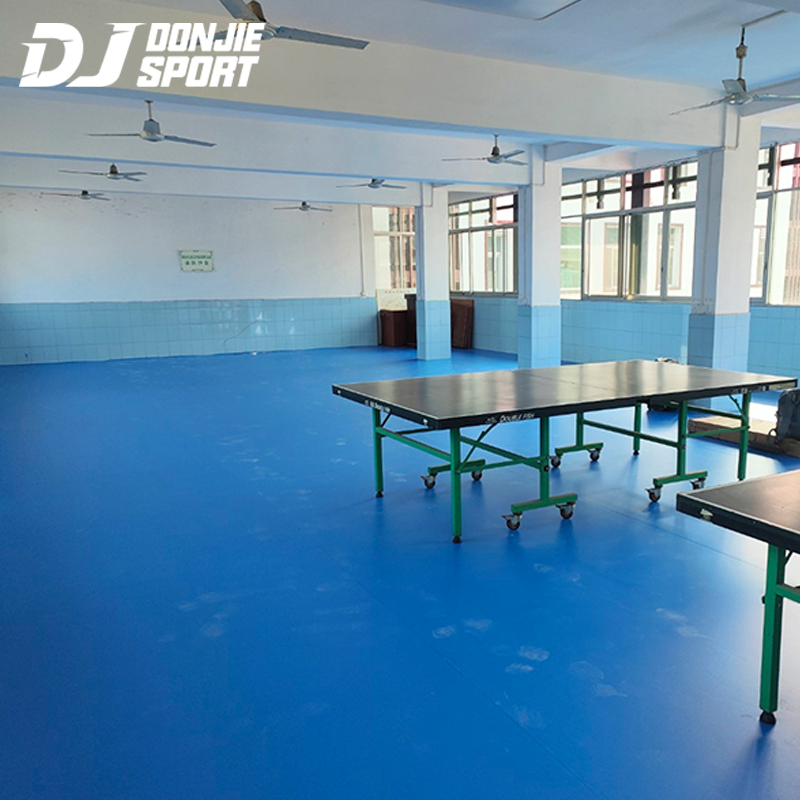
School gymnasiums and multi-purpose halls
Its resilience, safety, and performance-oriented design make it the go-to solution for sports flooring manufacturers and facility planners worldwide.
Making the Right Choice for Sports Environments
When comparing vinyl and PVC sports flooring, the difference is clear. While both materials share similar chemical bases, their performance, structure, and suitability vary dramatically.
Vinyl flooring is suitable for decorative, low-impact environments, but it falls short when it comes to the durability, elasticity, and safety demanded by sports applications. In contrast, PVC sports flooring is purpose-built to handle the challenges of athletic environments—offering superior comfort, shock absorption, and longevity.
For any sports hall, gym, or fitness space that values performance, aesthetics, and sustainability, PVC sports flooring rolls are undoubtedly the better investment. Choosing this specialized flooring ensures that athletes can train safely, facilities maintain professional standards, and owners gain long-term value.