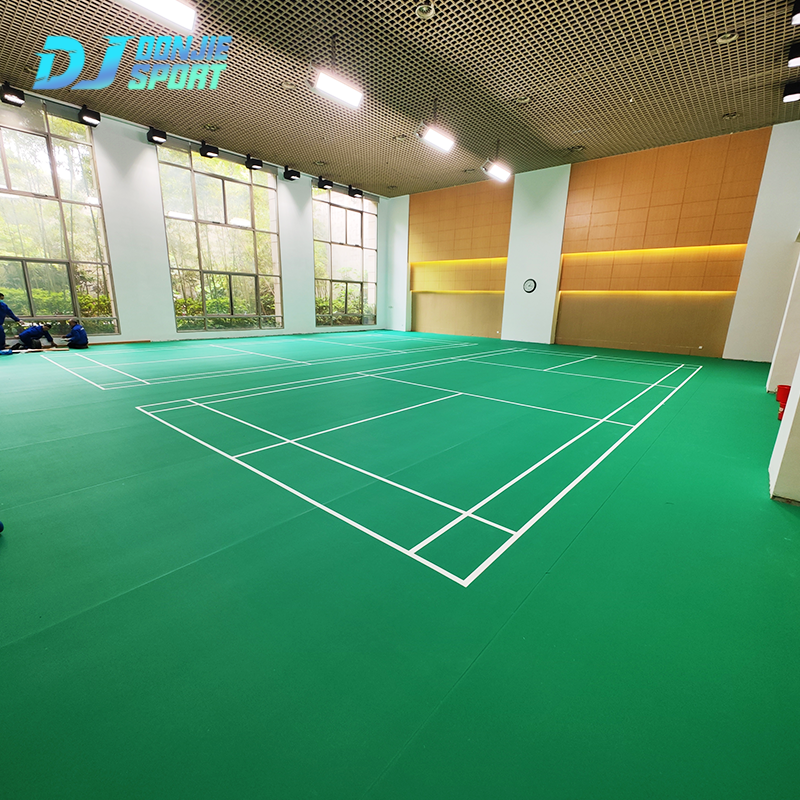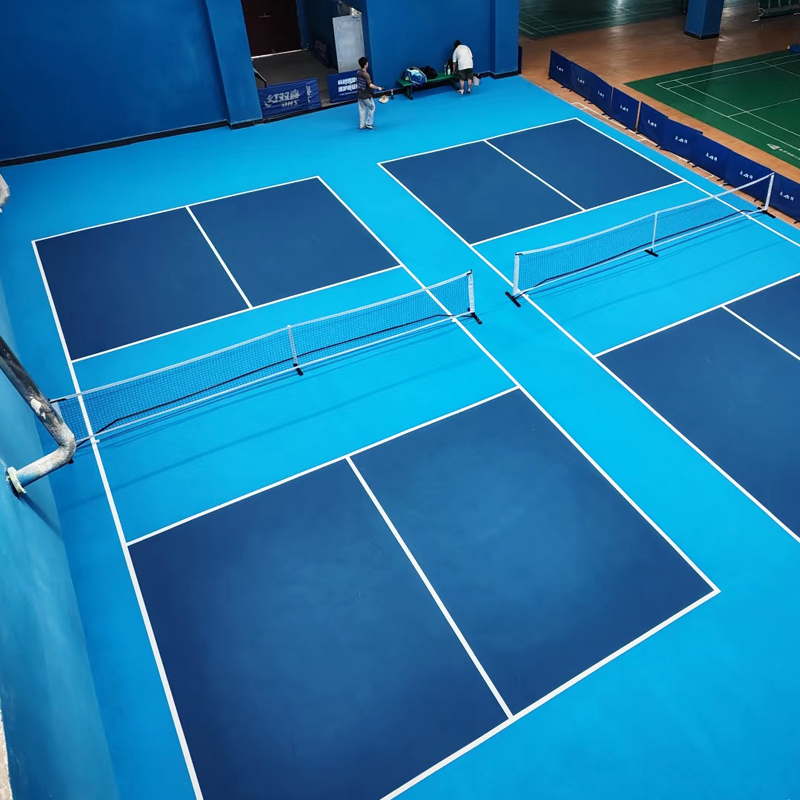
PVC sports flooring has come a long way from its humble beginnings as a simple vinyl sheet used in school gyms and community centers. Over the years, technological innovation and advanced material engineering have completely transformed how we view and experience indoor athletic surfaces. Today, PVC sports flooring represents not just durability and ease of maintenance but also performance excellence, aesthetic appeal, and safety for athletes at every level.
This article explores the fascinating evolution of PVC sports flooring — tracing its journey from basic vinyl materials to the sophisticated, high-performance solutions used in today’s professional sports arenas. Understanding this transformation helps facility owners, architects, and athletes make more informed decisions about the surfaces they play on.
The Early Days of PVC Sports Flooring
The earliest versions of PVC sports flooring emerged in the mid-20th century, primarily as a cost-effective alternative to wood and rubber floors. These early vinyl floors were appreciated for their durability and ease of cleaning but lacked the elasticity and comfort needed for high-impact activities. Most were installed in school gymnasiums, community centers, and multipurpose halls, where sports demands were minimal.
At that stage, the primary focus was practicality — resistance to wear, water, and dirt — rather than athletic performance. The surfaces were typically flat and rigid, offering little shock absorption, which limited their use for professional sports.
Technological Breakthroughs in PVC Sports Flooring Manufacturing
As sports evolved, so did the demand for better surfaces. Manufacturers began to experiment with multi-layer PVC constructions, combining wear layers, printed layers, and foam backings. These innovations introduced flexibility, cushioning, and durability into the design, significantly improving the user experience.
The development of surface embossing technology was another turning point. By creating textured finishes, flooring manufacturers could enhance traction and reduce slipping risks, a crucial factor in fast-paced sports like basketball and badminton. Furthermore, UV-resistant coatings and improved wear layers made modern PVC sports flooring more resilient against scratches, sunlight, and frequent use, ensuring long-term performance with minimal maintenance.
Modern Material Engineering in PVC Sports Flooring
As the demand for better performance and comfort increased, manufacturers began using advanced material engineering to elevate PVC sports flooring from a simple utility surface to a sophisticated performance system. Modern PVC sports flooring now incorporates multi-layer structures designed to deliver precise levels of elasticity, grip, and shock absorption tailored to specific sports requirements.
High-quality PVC compounds are formulated for greater resilience and flexibility, enabling the surface to maintain its integrity under heavy athletic use. These compounds are often reinforced with fiberglass mesh layers to ensure dimensional stability and prevent deformation over time. Another major development is the use of foam-backed layers, which provide superior shock absorption, protect athletes’ joints, and minimize fatigue during long training sessions.
Sustainability has also become a core focus. Many leading PVC sports flooring manufacturers have shifted toward low-VOC (volatile organic compound) materials and phthalate-free plasticizers, ensuring both athlete safety and environmental responsibility. These advancements mark a new generation of flooring solutions that balance comfort, safety, and eco-conscious production.
Performance Characteristics that Define Today’s PVC Sports Flooring
The latest generation of PVC sports flooring is not just a surface—it’s a performance system. Designed with precision, each layer contributes to specific athletic benefits that enhance gameplay and safety.
-
Shock Absorption and Energy Return: Modern PVC floors distribute impact energy evenly, protecting athletes from injuries and improving performance during high-intensity play.
-
Consistent Ball Bounce: The uniform elasticity of PVC layers ensures reliable ball behavior, crucial for sports like basketball, volleyball, and table tennis.
-
Perfect Friction Balance: Engineered surface textures prevent slipping while allowing smooth player movements.
-
Noise and Impact Reduction: The elastic foam layer beneath the surface reduces noise and vibration, creating a quieter environment ideal for schools and indoor arenas.
These features make PVC sports flooring an optimal choice for both professional arenas and recreational facilities seeking to combine performance with comfort.
Aesthetic and Functional Design Advancements
Beyond performance, the visual and functional design of PVC sports flooring has undergone an impressive evolution. Early vinyl floors were limited to basic colors and plain textures, but today’s products embrace a wide range of design possibilities that enhance both the aesthetics and the identity of sports facilities.
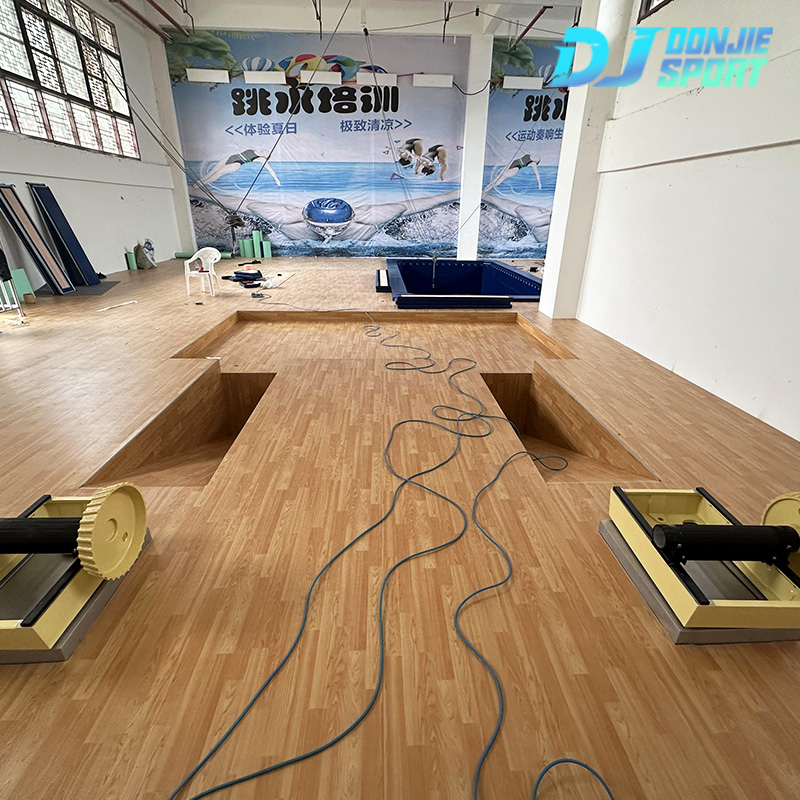
One of the most popular innovations is the wood-grain finish, replicating the look of natural maple or oak surfaces while retaining the resilience and low maintenance of PVC. Surfaces such as crystal sand, small stone, or matte finishes offer unique tactile sensations and visual appeal, catering to different sports environments—from elegant dance studios to rugged gymnasiums.
Modern printing and coating technologies allow custom color options, logos, and line markings to be integrated directly into the flooring. This not only enhances the look but also improves the longevity of court lines, ensuring they remain clear and vibrant even after years of use. In this way, PVC sports flooring blends durability with design flexibility, elevating the visual and functional standards of indoor sports spaces.
Applications of Modern PVC Sports Flooring
The versatility of PVC sports flooring rolls makes them suitable for a wide range of athletic and recreational environments. Each installation type benefits from the unique combination of resilience, grip, and comfort offered by the material.
-
Basketball and Volleyball Courts: PVC sports flooring provides consistent bounce and shock absorption, protecting athletes during dynamic movements.
-
Badminton and Table Tennis Halls: Its anti-slip and elastic properties ensure stability and precision, enhancing gameplay accuracy.
-
Multipurpose Gyms and Fitness Centers: Easy to clean and maintain, PVC floors withstand heavy foot traffic and equipment use without wear.
-
Dance Studios and Aerobic Rooms: The soft underfoot feel and vibration damping make it ideal for rhythmic and high-mobility activities.
Furthermore, PVC sports flooring can be installed in both temporary and permanent venues, thanks to its roll format and straightforward installation process. This flexibility allows sports organizers to adapt spaces quickly for various events and competitions.
Future Trends in PVC Sports Flooring
The evolution of PVC sports flooring is far from over. As technology advances, manufacturers are developing new innovations that will define the next generation of sports surfaces.
One emerging trend is smart flooring technology. Future PVC floors may feature embedded sensors that track athlete performance, monitor pressure distribution, and record usage data to improve training efficiency. These intelligent systems could transform how coaches and players interact with their training environments.
Sustainability will also play a vital role. Expect to see recyclable PVC materials and closed-loop production systems that minimize waste and carbon emissions. Manufacturers are exploring bio-based plasticizers and renewable materials to further reduce environmental impact.
In addition, design trends point toward hybrid performance layers, combining PVC with new polymer compounds for even better grip, elasticity, and durability. These advancements promise to push the limits of what athletic flooring can achieve.
The Ongoing Evolution of PVC Sports Flooring
The story of PVC sports flooring is a testament to how innovation and engineering can redefine the standards of athletic surfaces. From its beginnings as a simple vinyl roll to the advanced, multi-layer systems of today, PVC flooring has continuously evolved to meet the needs of modern athletes and facility owners.
Its combination of durability, comfort, safety, and design versatility makes it an unmatched choice for indoor sports venues worldwide. As material science and sustainability initiatives continue to advance, the future of PVC sports flooring promises even greater possibilities—smarter, greener, and more performance-driven than ever before.