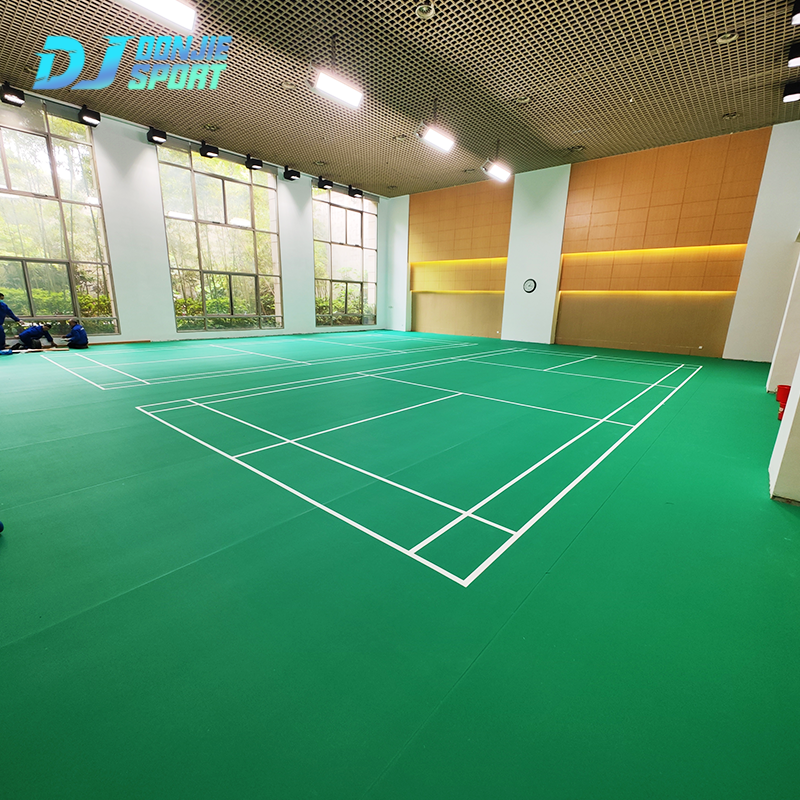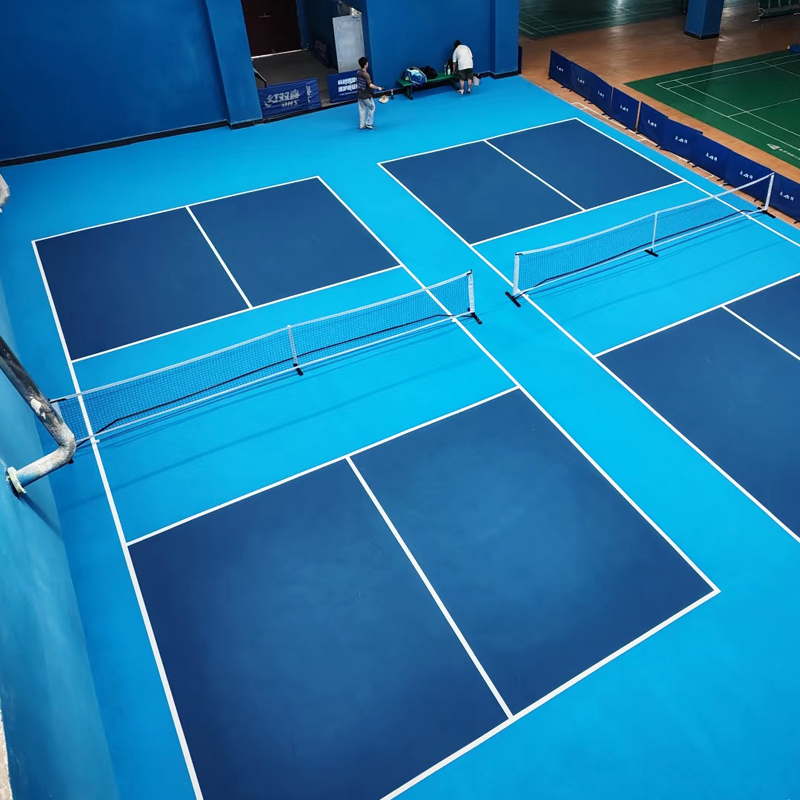
When it comes to creating a safe and high-performance indoor sports environment, PVC sports flooring stands out as one of the most trusted options. From basketball courts to gymnasiums and multipurpose halls, its combination of durability, comfort, and aesthetic appeal makes it the preferred surface for athletes and facility owners alike.
However, beyond its visual and functional benefits, safety remains the cornerstone of quality PVC roll sports flooring. Understanding the safety standards and certifications behind these materials helps ensure the flooring you choose not only performs well but also protects athletes from potential harm.

Understanding PVC Sports Flooring and How It’s Made
PVC sports flooring is a multilayer vinyl roll surface designed specifically for indoor sports facilities. Unlike rigid tiles, PVC roll flooring offers seamless installation and consistent cushioning, which significantly enhances player comfort and reduces the risk of injury.
Manufacturers typically create PVC flooring through a combination of wear-resistant layers, fiberglass reinforcement, and foam backing for shock absorption. This layered construction ensures excellent resilience, anti-slip performance, and long-lasting stability — essential factors for any sports venue that prioritizes safety.
Slip Resistance: Preventing Injuries During Play
One of the primary safety concerns in any sports flooring is slip resistance. High-quality PVC sports flooring is engineered with a textured surface that provides just the right amount of grip — enough to prevent slipping but not so much that it restricts player movement.
Industry standards require specific testing under both dry and wet conditions to ensure that the coefficient of friction remains within a safe range. This balance minimizes the risk of sprains, falls, and collisions during dynamic sports activities.
Shock Absorption and Energy Return: Protecting Joints and Athletes
Proper shock absorption is vital for athlete safety, especially in sports involving running, jumping, and quick directional changes. PVC roll sports flooring is designed with foam backing layers that absorb impact forces, protecting joints and muscles from overstrain.
Meanwhile, energy return ensures that the surface provides enough rebound to enhance performance without causing fatigue. According to EN 14904 standards, indoor sports flooring must maintain a specific range of shock absorption — typically between 25% and 55% — to ensure both comfort and safety.
Fire Resistance and Flame Retardancy in PVC Sports Flooring
Safety also extends to fire performance. Certified PVC sports flooring products are tested for flame retardancy to prevent rapid fire spread in case of an emergency. Manufacturers incorporate flame-retardant materials during production, helping facilities meet international fire safety codes and protecting users in indoor environments.
Environmental Safety: VOC Emissions and Indoor Air Quality
In modern sports facilities, indoor air quality has become a top priority. Poor-quality PVC flooring can emit volatile organic compounds (VOCs) that impact respiratory health. Reputable manufacturers produce low-VOC, non-toxic PVC sports flooring that complies with REACH and RoHS regulations.
These certifications ensure that harmful substances such as heavy metals, formaldehyde, and phthalates are excluded from production — creating a healthier, eco-friendly sports environment.
Surface Friction and Ball Bounce Consistency Tests
For sports like basketball, volleyball, and badminton, maintaining consistent surface friction and ball bounce performance is essential for fair play. Professional-grade PVC sports flooring undergoes laboratory testing to meet EN 12235 and ASTM F2772 standards, ensuring reliable traction and uniform bounce across the entire surface.
Anti-Bacterial and Hygienic Surface Standards
Indoor sports facilities require flooring that not only performs well but also resists bacteria, mold, and fungi. High-quality PVC roll sports flooring features antimicrobial coatings that prevent bacterial growth, maintaining hygiene standards in gyms, schools, and sports centers.
Global Certifications and Regulations to Look For
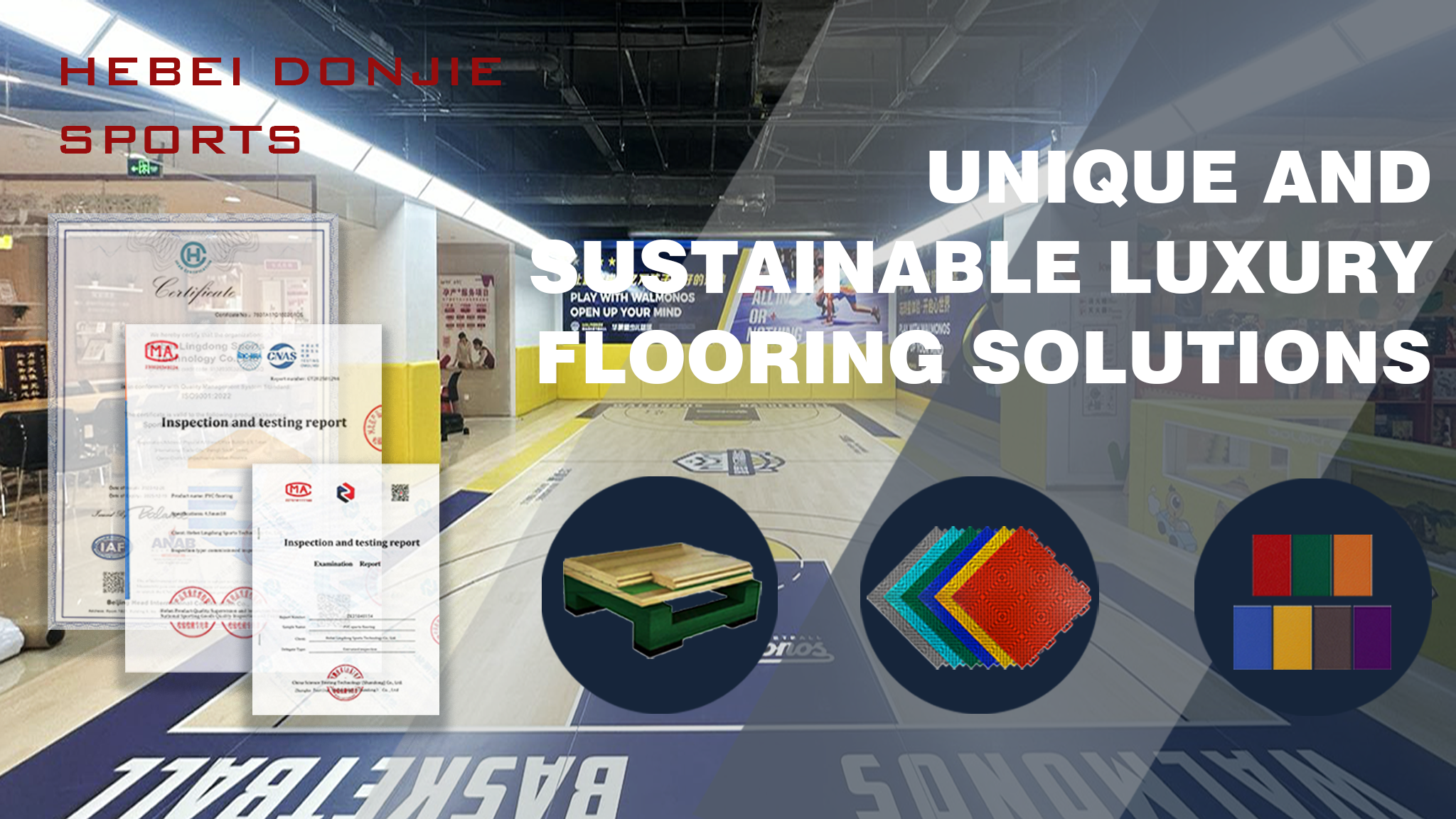
When evaluating PVC sports flooring, certifications play a key role in verifying quality and safety. Reputable manufacturers comply with international standards that ensure the flooring meets performance, health, and environmental criteria.
EN 14904: European Standard for Indoor Sports Flooring
This is one of the most important certifications for indoor PVC roll flooring. EN 14904 defines performance requirements such as shock absorption, surface friction, vertical deformation, and ball bounce. Any flooring used in professional sports halls across Europe must meet this standard, proving it is safe for athletes at all levels.
ISO Quality Management and Material Safety Certifications
Manufacturers who follow ISO 9001 and ISO 14001 systems guarantee that their PVC sports flooring is produced under strict quality and environmental control. These certifications ensure consistency, sustainability, and traceability throughout the production process.
ASTM Standards for Performance and Safety Testing
In North America, ASTM International provides multiple safety benchmarks, including ASTM F2772, which specifies key criteria for indoor sports flooring such as force reduction and surface finish. Meeting ASTM standards means the flooring has passed independent laboratory evaluations for safety and performance.
REACH and RoHS Compliance for Non-Toxic Materials
Both REACH (Registration, Evaluation, Authorisation and Restriction of Chemicals) and RoHS (Restriction of Hazardous Substances) focus on environmental and human health protection. Flooring that meets these regulations is guaranteed to be free from toxic plasticizers, heavy metals, and other harmful compounds, ensuring a safe environment for athletes and spectators alike.
How Manufacturers Ensure PVC Sports Flooring Safety
Reliable PVC sports flooring manufacturers adhere to a strict production process to maintain safety and durability standards from start to finish.
Raw Material Selection: Eco-Friendly Components
Safety starts with the right materials. Leading manufacturers use non-phthalate plasticizers, virgin PVC resin, and high-purity stabilizers to produce eco-friendly and non-toxic flooring. This ensures that the material remains stable, flexible, and safe for long-term indoor use.
Multi-Layer Construction for Safety and Stability
Premium PVC roll flooring is composed of multiple layers, each serving a safety purpose:
-
Wear-resistant surface layer: Enhances durability and slip resistance.
-
Glass fiber reinforcement layer: Prevents expansion and deformation.
-
Foam cushion backing: Absorbs shocks and ensures comfort during play.
This structure guarantees that the flooring remains resilient under intense athletic activity.
Advanced Manufacturing Techniques
Processes like hot-press lamination and UV coating enhance bonding strength between layers and improve surface hygiene. The UV layer also protects against wear, discoloration, and microbial growth — essential for maintaining long-term safety and cleanliness.
Strict Quality Control and Laboratory Testing
Before reaching the market, every batch of PVC sports flooring undergoes testing for friction, shock absorption, dimensional stability, and fire resistance. Only flooring that passes all safety benchmarks is packaged and shipped, giving customers confidence in their investment.
Common Safety Issues to Watch Out For
Even though PVC sports flooring is inherently safe, certain mistakes can compromise its safety performance.
Substandard PVC Flooring Products
Cheap or counterfeit products often fail to meet essential standards. They may contain recycled PVC with impurities, lack proper reinforcement, or emit toxic odors — all of which can pose serious health and safety risks.
Poor Installation and Maintenance
Even the best flooring can become unsafe if not installed correctly. Uneven subfloors, improper adhesive use, or lack of acclimation can cause surface bubbles or warping. Regular cleaning with non-corrosive agents also helps preserve the anti-slip and hygienic properties of the surface.
Incomplete or Misleading Product Labels
Some suppliers may claim compliance with standards they haven’t actually tested for. Always request official test reports or certificates from accredited laboratories before purchase to ensure authenticity.
Tips for Choosing Safe PVC Sports Flooring
Selecting the right PVC roll sports flooring goes beyond color and texture — safety must always come first.
Verify Certifications and Testing Reports
Request up-to-date certificates such as EN 14904 or ASTM F2772, along with detailed lab reports. Authentic manufacturers will always provide documentation to confirm compliance.
Ask About Material Composition
Inquire whether the flooring uses non-toxic, low-VOC materials and phthalate-free plasticizers. These details make a major difference in long-term indoor air quality and athlete well-being.
Choose a Reputable Manufacturer
Buying from experienced PVC sports flooring manufacturers ensures product traceability and post-sale support. A reliable supplier will also assist with installation guidance and maintenance tips.
Think Long-Term Safety and Cost Efficiency
Certified flooring may cost more upfront, but it significantly reduces risks, maintenance issues, and replacement frequency — making it the smarter investment over time.
Safety First for High-Performance Sports Spaces
Safety is not just a feature — it’s the foundation of a great sports environment. Choosing PVC sports flooring that meets international safety standards ensures athletes perform their best while minimizing injury risks. From slip resistance and impact absorption to eco-friendly materials and fire safety, every detail contributes to a surface that’s both secure and sustainable.
Investing in certified, high-quality PVC roll sports flooring reflects a commitment to athlete health, facility reputation, and long-term performance reliability. Whether you’re building a school gym, professional arena, or community hall, make safety your top priority — and choose flooring that’s engineered to protect.