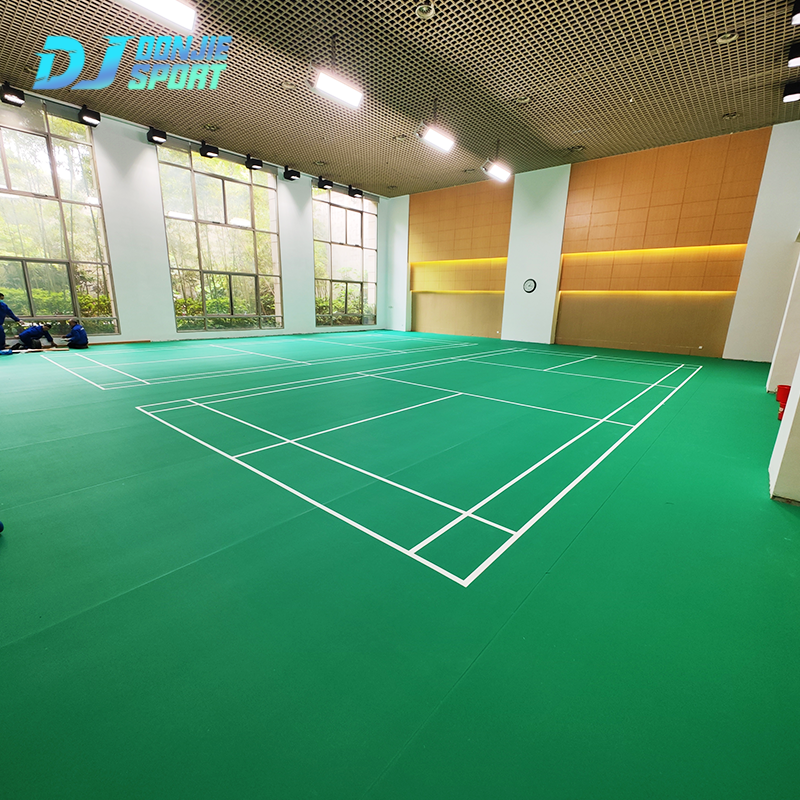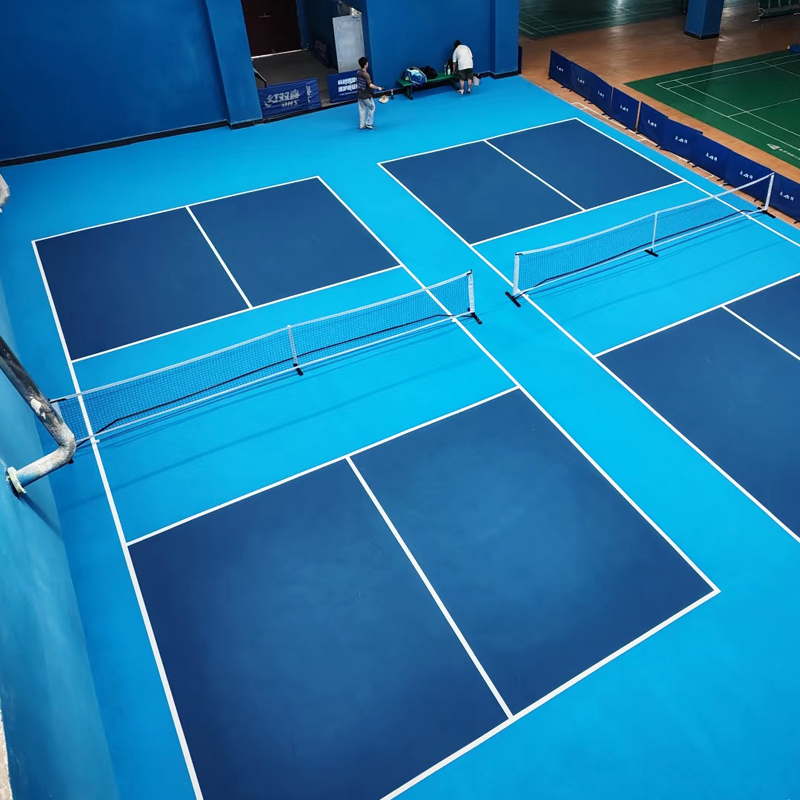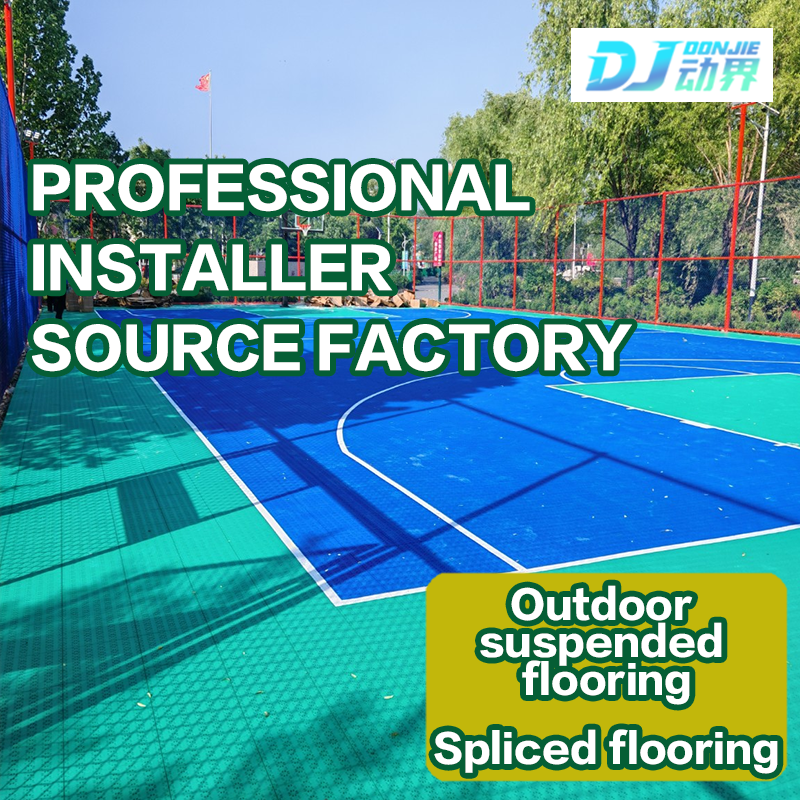
When it comes to designing or upgrading sports facilities, one of the most crucial decisions is choosing the right flooring. The flooring not only impacts the aesthetic appeal of the space but also plays a significant role in player safety, comfort, and performance. With the growing demand for high-quality sports venues, the debate between PVC sport flooring and traditional flooring options has become more prominent.
What is PVC Sport Flooring?
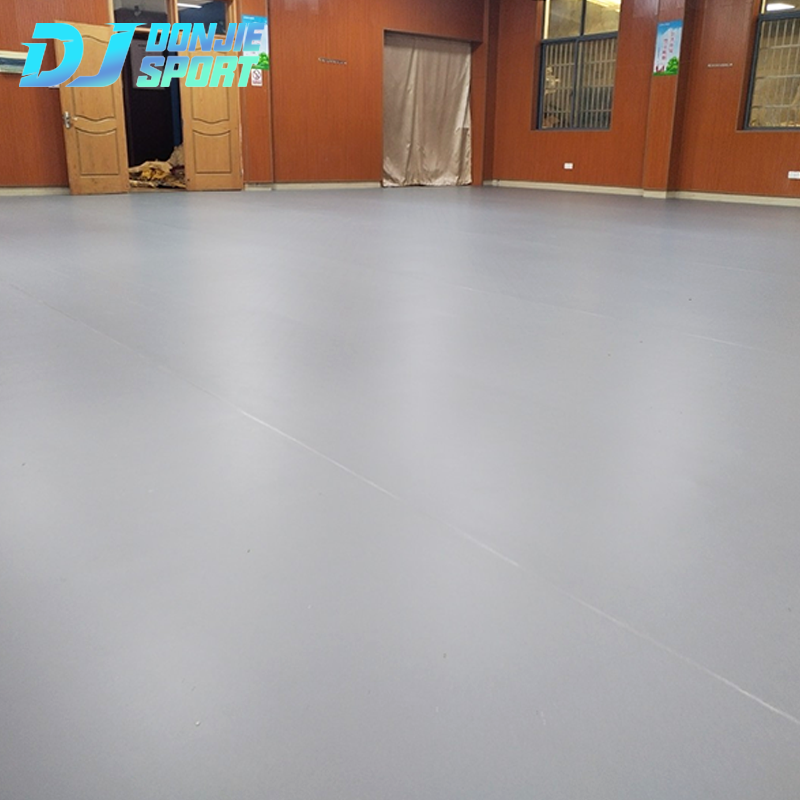
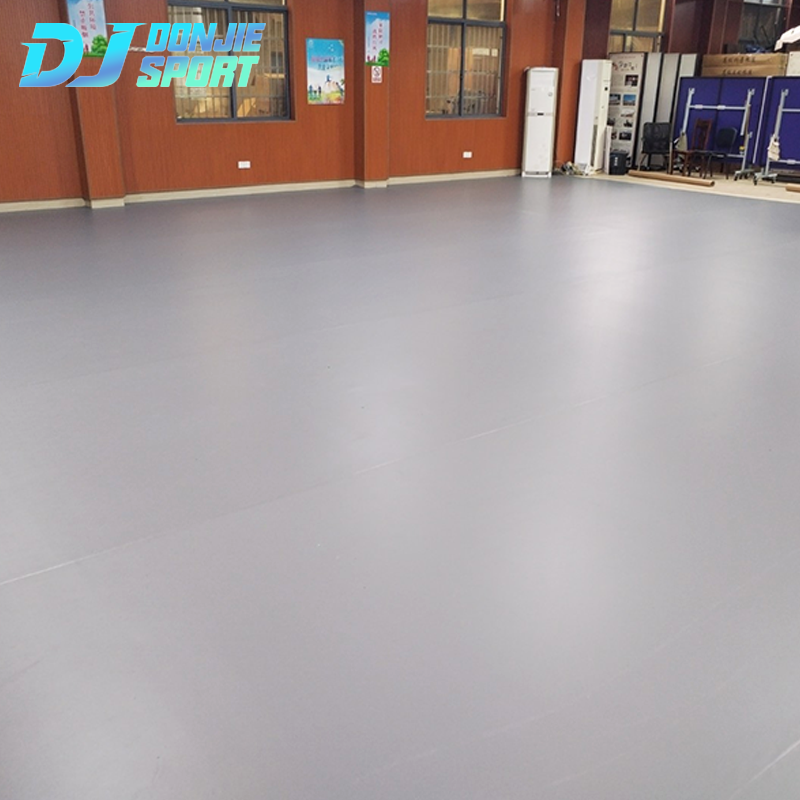
PVC sport flooring is a specialized type of flooring designed specifically for sports environments. Made from polyvinyl chloride (PVC) materials, this flooring is engineered to provide durability, safety, and comfort for athletes. PVC sport flooring is often used in indoor sports facilities, including gyms, basketball courts, and multi-purpose sports halls.
There are different types of PVC sport flooring, including tiles and rolled sheets, which offer flexibility in installation depending on the space and usage. The most notable features of PVC flooring include its superior shock absorption, resistance to wear and tear, and its ability to withstand high-impact activities without compromising performance.
PVC sport flooring is typically designed to reduce fatigue on athletes’ joints while providing excellent traction to minimize the risk of slips and falls. This flooring is not only durable but also relatively low-maintenance, requiring minimal effort to clean and upkeep, making it a practical choice for busy sports facilities.
What is Traditional Flooring?
Traditional flooring refers to the range of materials that have been used in sports venues for years, including wood, rubber, and even concrete. These materials have a long history and are commonly used in different types of facilities, from gyms and fitness centers to high-performance arenas.
Wooden flooring, for example, is often associated with basketball courts and other indoor sports like volleyball. It is known for its aesthetic appeal and excellent shock absorption, which provides a classic and highly functional choice for many sports environments. However, it requires significant upkeep, including refinishing, to maintain its surface quality over time.
Rubber flooring, another traditional option, is durable and provides a high level of shock absorption. It is often used in weight rooms, training facilities, and some indoor courts. Despite its toughness, rubber flooring can wear down over time, particularly under high-traffic conditions.
Each of these traditional flooring materials has its own advantages, but they tend to require more maintenance and can be less versatile than PVC flooring in certain environments.
Durability: How PVC Sport Flooring Outperforms Traditional Flooring
When it comes to durability, PVC sport flooring stands out. This flooring is engineered to resist heavy foot traffic, impacts, and abrasions, making it ideal for sports facilities that see regular use. Unlike wood or rubber flooring, PVC sport flooring does not suffer from dents or scratches as easily, maintaining its appearance for longer periods.
In contrast, traditional flooring options like wood require periodic refinishing to keep the surface smooth and even, especially when used in high-traffic areas. Rubber flooring, while durable, tends to lose its structure and appearance after prolonged exposure to extreme conditions, such as moisture or heavy weights.
Additionally, PVC sport flooring is highly resistant to environmental factors like humidity, which can cause wooden floors to warp over time. PVC’s stability under various conditions makes it a more reliable long-term investment for sports facilities.
Safety: Why PVC Sport Flooring is the Safer Choice
Safety is a top priority in any sports setting, and PVC sport flooring excels in this regard. It is designed to provide optimal shock absorption, reducing the risk of injuries caused by falls, slips, or repeated high-impact activities. The unique surface texture of PVC flooring also enhances grip, minimizing the chance of slipping even when the floor is wet.
Traditional flooring, particularly wood, can become slippery over time, especially if it is not maintained properly. Wood floors require regular refinishing to maintain their non-slip properties, whereas PVC flooring maintains its slip resistance throughout its lifespan.
Moreover, PVC sport flooring helps protect athletes’ joints by providing a cushioned surface that absorbs shock, reducing the risk of joint strain and fatigue. This is particularly important in high-impact sports like basketball and volleyball.
Comfort and Performance: Enhancing the Player Experience
Comfort plays a significant role in player performance, and PVC sport flooring has been specifically designed with this in mind. The surface of PVC flooring is engineered to offer just the right balance of cushioning and firmness, which supports athletes’ movements and reduces the impact on their bodies. This makes it easier for athletes to perform at their best without worrying about the floor affecting their mobility or comfort.
Traditional flooring, especially wood, may not offer the same level of comfort, especially over long periods. Wood floors, while offering good performance for many sports, can feel rigid or hard after continuous use, potentially causing discomfort to athletes. This can result in a higher risk of fatigue and injury.
Additionally, PVC sport flooring can be customized for different sports, providing the ideal surface for various athletic activities, from basketball to badminton. This level of customization is hard to achieve with traditional flooring options.
Maintenance: Comparing the Ease of Care for PVC and Traditional Flooring
One of the most significant advantages of PVC sport flooring over traditional flooring is its low-maintenance requirements. PVC flooring is easy to clean and maintain, requiring only occasional sweeping and mopping to keep it in good condition. Its resistance to stains and dirt accumulation makes it a practical solution for busy sports facilities where cleanliness is a priority.
On the other hand, traditional flooring such as wood requires much more upkeep. Wood floors need to be refinished regularly, which can be costly and time-consuming. Rubber flooring, while low-maintenance, can develop grooves and marks over time, requiring professional cleaning and care.
PVC sport flooring’s ability to stay clean with minimal effort makes it a more convenient option for facilities that need to maintain high standards of cleanliness and hygiene while minimizing operational costs.
Aesthetic Appeal: Which Flooring Adds More to Your Facility?
While traditional flooring like wood is often admired for its natural beauty and warm aesthetic, PVC sport flooring offers a modern and highly customizable appearance. Available in a wide range of colors, patterns, and designs, PVC flooring can be tailored to suit the specific look and branding of a sports facility.
In contrast, traditional flooring materials like wood can only offer limited design options and may not be as visually appealing in modern sports venues. The natural aging process of wood also affects its appearance over time, whereas PVC flooring retains its color and design for a much longer period.
Moreover, PVC flooring can be designed to include logos, lines, and custom patterns, enhancing the visual appeal of sports courts and adding an extra touch of professionalism.
Environmental Impact: Is PVC Sport Flooring the More Sustainable Choice?
Sustainability is an important consideration for any modern sports facility, and PVC sport flooring offers several environmental benefits. Many PVC sport floors are made from recyclable materials, reducing waste and contributing to a more sustainable approach to construction. Additionally, PVC flooring is often produced with minimal environmental impact during manufacturing.
Traditional flooring materials like wood can have a more significant environmental footprint due to deforestation and the intensive resources required to maintain the flooring over time. Rubber flooring, while durable, may not be as easily recyclable as PVC flooring, which can contribute to greater waste.
With growing concerns about sustainability in construction, PVC sport flooring provides an eco-friendly alternative to traditional flooring options.
Cost Comparison: Which Flooring is the Better Investment?
While the initial installation cost of PVC sport flooring may be higher than traditional flooring, its long-term value is undeniable. PVC flooring’s durability, low-maintenance needs, and extended lifespan make it a more cost-effective option in the long run. Traditional flooring materials, particularly wood, require significant upkeep, including refinishing and potential repairs, which can add up over time.
Additionally, the ability of PVC sport flooring to withstand various environmental conditions and heavy usage reduces the need for frequent replacements, further contributing to its cost-effectiveness.
PVC Sport Flooring – The Superior Option for Modern Sports Facilities
After weighing the benefits of both PVC sport flooring and traditional flooring, it’s clear that PVC flooring offers superior durability, safety, comfort, and value for money. While traditional flooring materials like wood may still hold appeal for certain applications, PVC sport flooring is the ideal choice for modern sports facilities that prioritize performance, sustainability, and long-term savings.