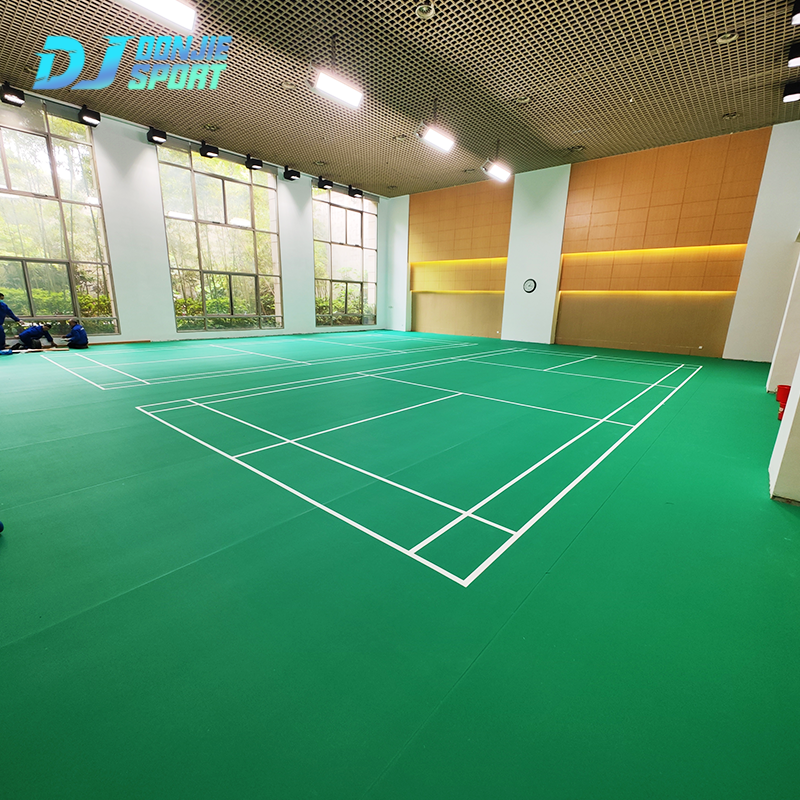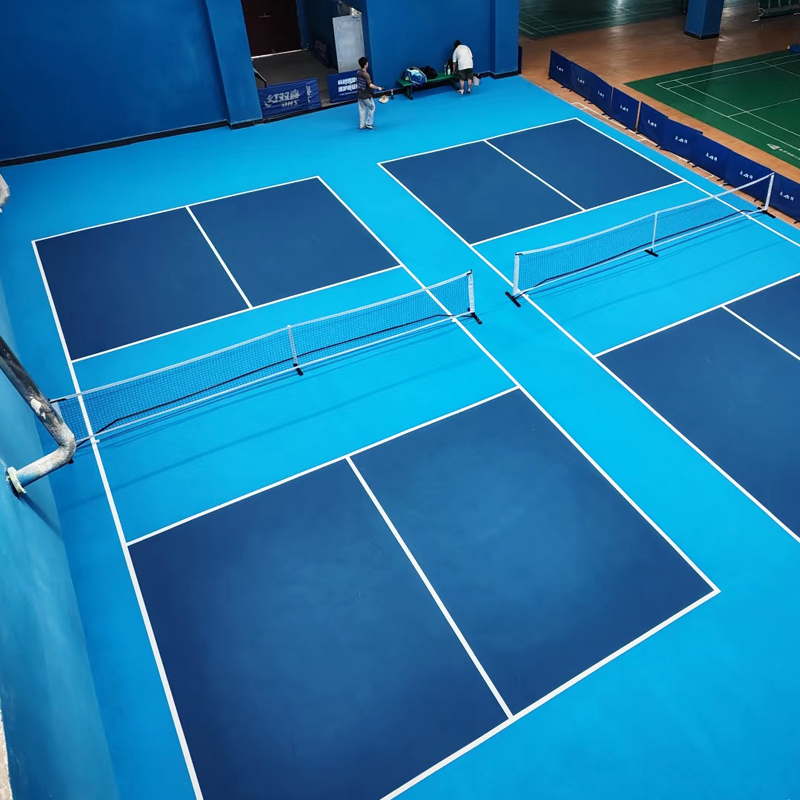
When it comes to choosing the right flooring for sports courts, durability, performance, and maintenance are key factors that facility managers and sports organizations need to consider. Two of the most common materials for sports flooring are Polypropylene (PP) flooring and wood flooring. While wood has been a traditional choice for many years, PP flooring offers several compelling advantages that make it a better option for modern sports courts. In this article, we’ll explore why PP flooring could be the superior choice compared to wood flooring.
Durability: A Key Factor for High-Traffic Sports Courts
Sports courts see constant activity, and the flooring must be able to withstand the wear and tear from heavy foot traffic, intense movements, and the occasional slip or fall. When compared to wood flooring, PP flooring offers superior durability.
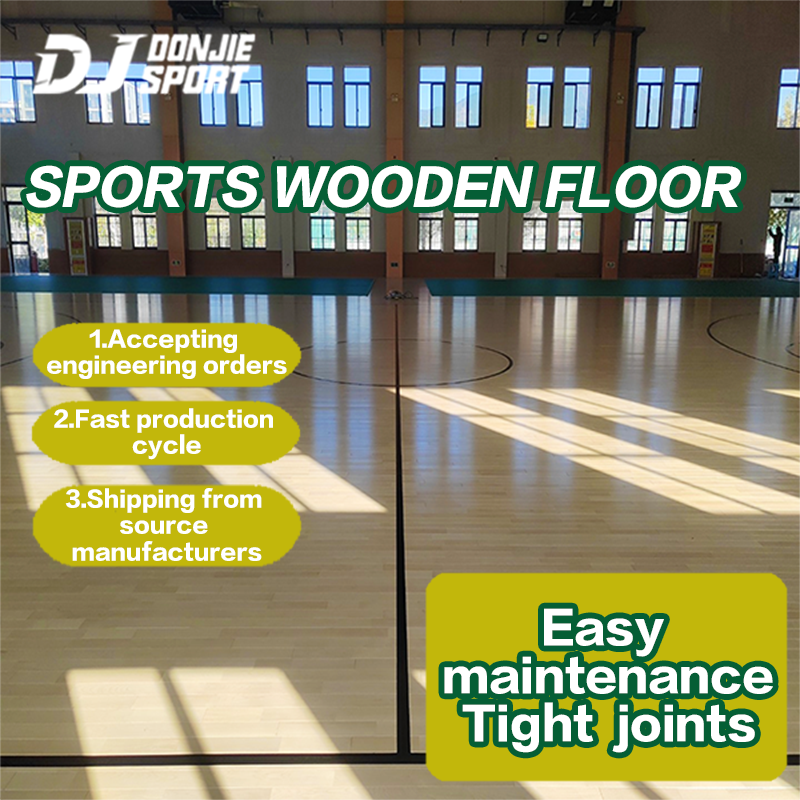
PP flooring is designed to be resistant to scratches, dents, and impacts. Whether you’re dealing with basketball, volleyball, or any other indoor sport, PP flooring can endure the high-impact forces that are common in these activities. Wood flooring, on the other hand, is more prone to surface damage, including scuffs, scratches, and dents, which can accumulate over time and compromise the performance and appearance of the court.
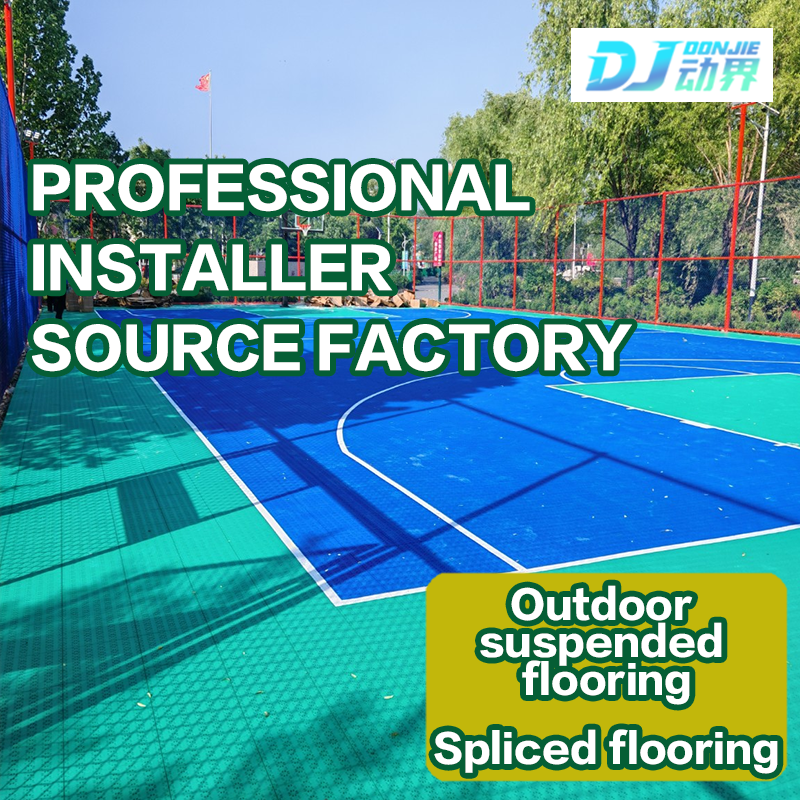
Furthermore, PP flooring is weather-resistant, making it suitable for both indoor and outdoor courts. Unlike wood, which can warp, crack, or become damaged from exposure to moisture and humidity, PP flooring maintains its integrity even in varying environmental conditions. This makes it ideal for outdoor sports courts or multi-purpose sports facilities that may need to withstand changes in weather.
Cost-Effectiveness: Budget-Friendly Flooring Solution
Cost is often a determining factor when selecting flooring materials for sports courts, especially in budget-conscious facilities. In this regard, PP flooring offers a significant advantage over wood flooring.
The initial installation costs for PP flooring are generally lower than that of wood. Additionally, PP flooring is easier to install, as it often comes in interlocking tiles that do not require the complex installation processes associated with wood floors. This means lower labor costs and faster installation times, allowing your court to be ready for use sooner.
When it comes to long-term costs, PP flooring is far more cost-effective. Wood flooring requires frequent refinishing, sanding, and sealing to maintain its appearance and functionality, which adds to the overall maintenance costs. PP flooring, on the other hand, requires minimal maintenance and can last for many years without the need for costly repairs. With PP flooring, you can save money on upkeep and ensure your sports court stays in top condition without the hassle of constant maintenance.
Safety: Enhancing Player Performance with Better Grip and Cushioning
Safety is one of the most important considerations when choosing flooring for sports courts. Players need a surface that offers good grip and cushioning to reduce the risk of injuries.
PP flooring excels in this area due to its excellent shock-absorbing qualities. It provides a stable and comfortable surface, which reduces the risk of joint injuries from high-impact activities. The cushioning effect of PP flooring helps to protect players’ knees, ankles, and hips, making it an ideal choice for intense sports like basketball, tennis, and indoor volleyball.
Wood flooring, while offering a solid playing surface, does not provide the same level of impact absorption. Over time, wood surfaces can become harder and less forgiving, potentially increasing the risk of injuries, particularly during long games or training sessions.
Maintenance: Low-Maintenance Advantage of PP Flooring
Another area where PP flooring outshines wood flooring is in terms of maintenance.
Wood flooring requires regular care and attention. It needs to be refinished periodically to preserve its appearance and functionality, and it can also become scratched or stained more easily. Additionally, wood floors are more vulnerable to moisture damage, which can cause warping or swelling if not maintained properly. Cleaning wood floors often requires special solutions, and spills must be dealt with immediately to prevent staining.
In contrast, PP flooring is much easier to maintain. Its smooth surface makes it simple to clean with just a mop and mild cleaning solution. It resists stains, moisture, and fading, so it retains its aesthetic appeal for longer. Since it is made from durable synthetic materials, PP flooring is less susceptible to the kind of wear that requires frequent maintenance, making it a more hassle-free option for busy sports facilities.
Environmental Impact: Sustainable Benefits of PP Flooring
In today’s eco-conscious world, sustainability plays a key role in material selection. PP flooring is a more environmentally friendly choice compared to wood flooring for several reasons.
PP flooring is often made from recyclable materials and can itself be recycled at the end of its life cycle. This makes it a more sustainable option for sports facilities looking to reduce their environmental footprint. On the other hand, wood flooring, especially if sourced from non-sustainable logging practices, contributes to deforestation and environmental degradation. Even when sourced from sustainable forests, wood flooring still involves the energy-intensive processes of cutting, transporting, and treating the wood, which can have a larger carbon footprint than synthetic alternatives.
By choosing PP flooring, sports facilities can contribute to a greener future while maintaining high-quality performance for their courts.
Aesthetic Flexibility and Customization
When it comes to aesthetics, PP flooring offers a wide range of design options that are often not available with wood flooring.
While wood flooring has a classic and elegant appeal, it is limited to a natural wood finish, which might not always match the specific needs of a sports facility. PP flooring, on the other hand, is available in a variety of colors, patterns, and textures, making it easy to customize to match the branding or specific design preferences of the sports venue. Whether it’s a bright, vibrant color scheme or a sleek, modern design, PP flooring offers flexibility that wood flooring simply cannot provide.
Additionally, PP flooring can be tailored for different sports, providing the appropriate surface for basketball courts, volleyball courts, or multi-purpose sports arenas, enhancing both the functionality and aesthetic appeal of the space.
Why PP Flooring Is the Smart Choice for Sports Courts
In conclusion, PP flooring offers numerous advantages over wood flooring for sports courts. From its superior durability and low-maintenance requirements to its safety features and environmental benefits, PP flooring is an excellent choice for modern sports facilities. It is cost-effective, highly customizable, and provides long-lasting performance that can withstand the high demands of indoor and outdoor sports. If you’re looking for a durable, budget-friendly, and safe option for your sports court, PP flooring is the smart choice.