When it comes to designing sports courts, whether for basketball, badminton, or volleyball, the type of flooring used plays a crucial role in both the safety of athletes and the performance of the game. The right flooring can enhance player comfort, reduce injury risks, and even affect the pace and style of play. While there are various flooring options available, two of the most popular choices for sports courts are wood flooring and PVC (Polyvinyl Chloride) flooring.
Both materials offer distinct advantages depending on the needs of the facility, the type of sport played, and the budget available. Wood flooring, with its classic appeal and performance features, has been a staple in sports courts for years. On the other hand, PVC flooring is a modern alternative that brings with it durability, ease of maintenance, and environmental considerations. In this article, we’ll explore both options in-depth to help you make an informed decision about which is best suited for your sports court.
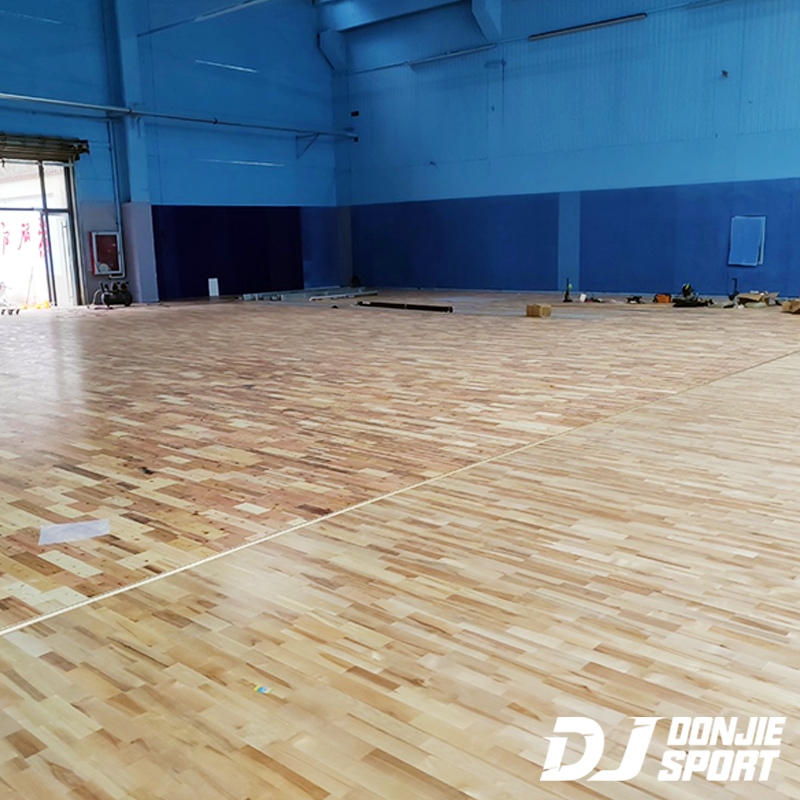
Wood Flooring: Timeless Elegance and Performance
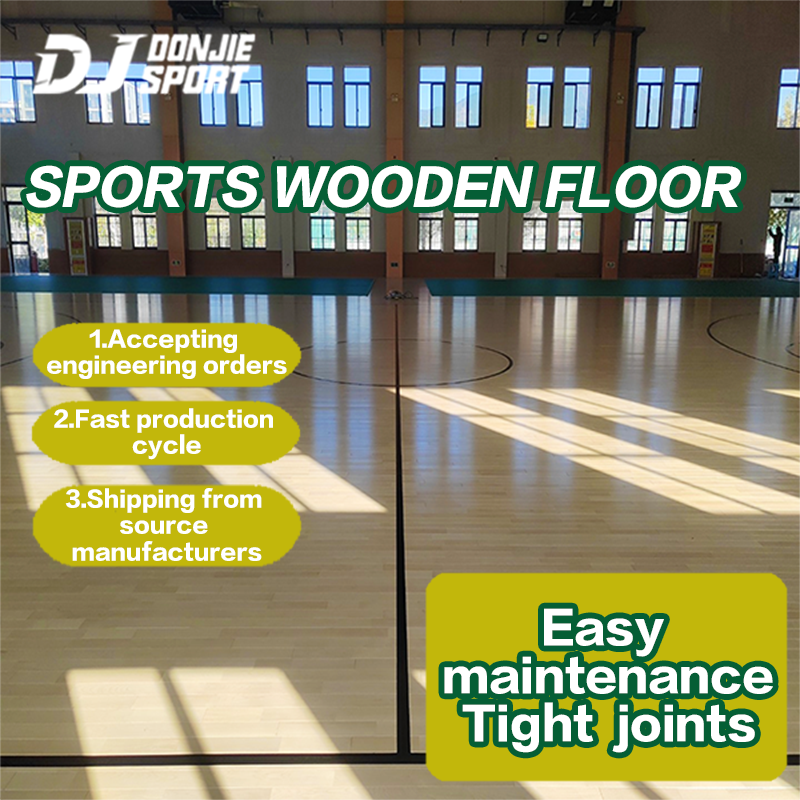
Wood flooring has been the traditional choice for sports courts for generations, prized for its aesthetic appeal and performance qualities. The warm, natural look of wood creates an inviting atmosphere that enhances the overall experience for players and spectators alike.
Classic Appeal and Aesthetic Benefits
Wood floors are often the first choice for prestigious sports facilities, such as basketball courts in universities and professional arenas, because they provide a classic, professional look. The rich texture and color of hardwood floors offer a timeless elegance that is difficult to replicate with other materials. In addition, wood’s natural grain patterns can add a distinct visual appeal, which is why it’s often the go-to choice for high-end, indoor sports courts.
Performance Advantages for Indoor Courts
Wood flooring offers an excellent balance between traction and glide, making it suitable for many sports that require sudden, quick movements, such as basketball or volleyball. The material also provides a smooth and even surface that helps athletes perform at their best, providing consistent ball bounce and predictable movement. The combination of these factors enhances player confidence, which is crucial in high-performance environments.
Durability and Maintenance Challenges
While wood flooring is durable, it does require more maintenance compared to newer materials like PVC. Wood floors can be susceptible to scratches, dents, and stains, particularly in high-traffic areas. Over time, the surface may need refinishing to restore its original look and smoothness. This regular upkeep can result in additional costs for facilities in terms of both time and money. Furthermore, wood flooring is sensitive to environmental conditions such as humidity and temperature, which can cause expansion or contraction, affecting the floor’s performance and appearance.
Cost Considerations for Wood Flooring
One of the major drawbacks of wood flooring is its cost. The initial installation tends to be more expensive than PVC options due to the high material cost and the need for expert installation. Additionally, the long-term maintenance costs, which can include refinishing, sealing, and repairs, should be factored in when considering wood flooring as an investment. While it may offer a great look and high performance, these ongoing costs may not be ideal for all sports facilities, particularly those on a tighter budget.
PVC Flooring: Modern Innovation for Sports Venues
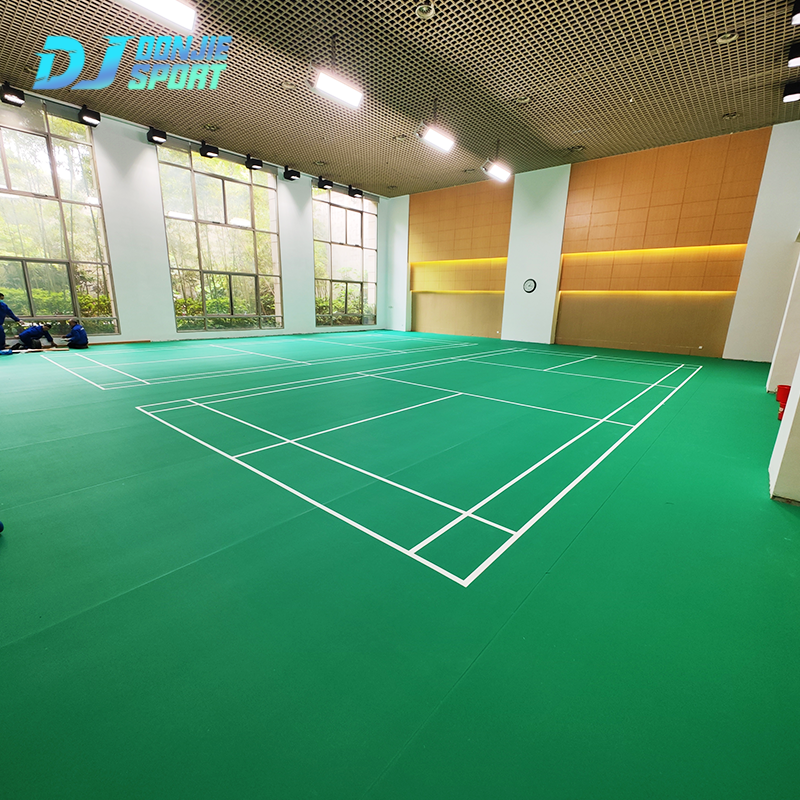
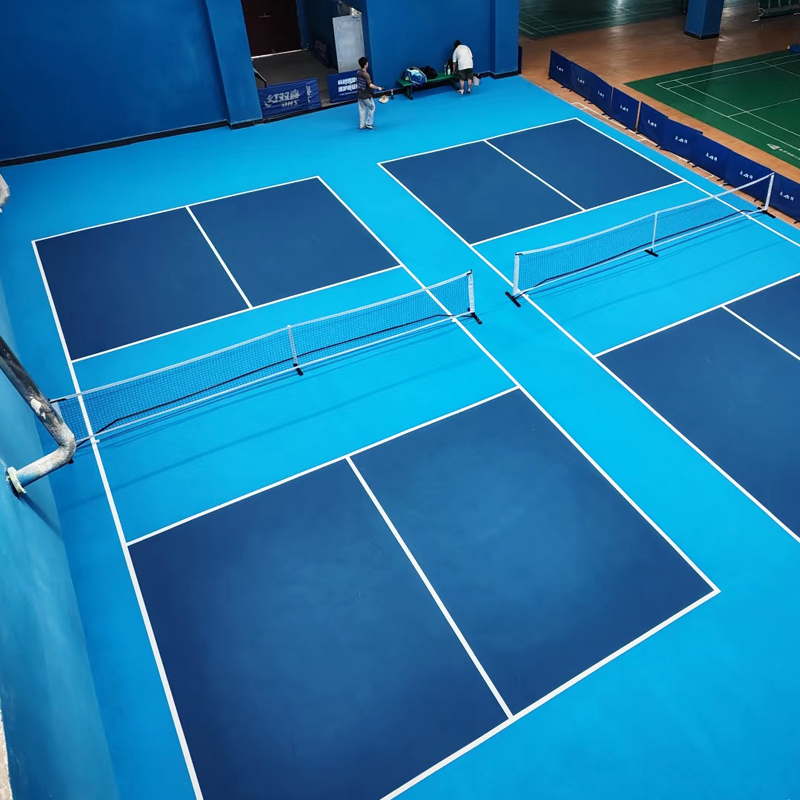
In recent years, PVC flooring has emerged as a popular choice for sports courts, thanks to its affordability, durability, and ease of maintenance. This synthetic material is designed to withstand heavy foot traffic and intense sports activity, making it an attractive alternative to wood flooring for many venues.
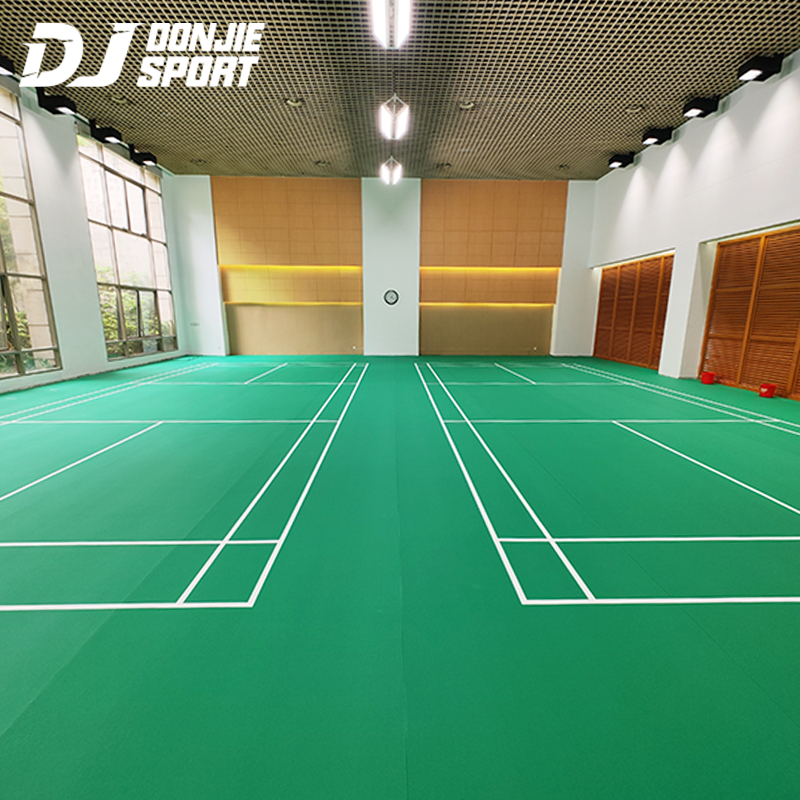
The Rise of PVC Flooring in Sports Court Design
PVC flooring has gained significant traction in sports facilities because of its ability to meet the demands of modern sports. It is widely used in indoor arenas, gyms, and multi-purpose sports halls due to its versatility and cost-effectiveness. PVC flooring is available in a variety of styles and thicknesses, allowing facility owners to choose the best option for their specific needs.
Key Advantages of PVC Flooring: Durability, Shock Absorption, and Safety
One of the primary benefits of PVC flooring is its exceptional durability. PVC floors are designed to handle the daily wear and tear of high-traffic sports venues, including heavy foot traffic, equipment, and impact from balls or other objects. Furthermore, PVC flooring is engineered to provide superior shock absorption, reducing the risk of joint strain and injuries during intense games or practices. This makes it particularly beneficial for athletes who engage in high-impact sports, such as basketball, volleyball, or indoor soccer.
In addition, PVC flooring is slip-resistant, which contributes to a safer playing surface. Its high level of traction minimizes the risk of slips and falls, helping to protect athletes from injury.
How PVC Flooring Handles High Traffic and Wear
Unlike wood flooring, PVC flooring can withstand constant use without losing its structural integrity. It is resistant to abrasions, dents, and stains, and it will not warp or buckle due to changes in temperature or humidity. For facilities located in areas with fluctuating weather conditions, PVC flooring offers a significant advantage because it remains stable and durable throughout the year.
Environmental Impact and Sustainability of PVC Flooring
In recent years, there has been increasing interest in the environmental impact of PVC flooring. Many manufacturers now offer eco-friendly versions made from recycled materials, helping to reduce waste and promote sustainability. PVC is also a more energy-efficient option to produce compared to hardwood, which requires more resources for harvesting and processing.
Comparing the Durability of Wood and PVC Flooring
When comparing the durability of wood and PVC flooring, it becomes clear that each material has its strengths. Wood floors, while beautiful and offering a classic look, are vulnerable to damage from moisture, scratches, and wear. This can lead to costly repairs and refinishing over time. In contrast, PVC flooring offers a far more durable solution that can withstand heavy foot traffic, frequent cleaning, and the wear-and-tear of constant use without the need for frequent repairs.
PVC’s resistance to moisture and humidity also makes it ideal for environments where these conditions can fluctuate, such as gyms and sports halls. While wood flooring can warp or swell due to excessive moisture, PVC flooring maintains its integrity and performance regardless of environmental changes.
Aesthetics and Design Flexibility
Wood flooring is widely known for its aesthetic appeal, offering a natural, high-end look that suits many sports venues. Its elegant appearance is hard to beat, especially in arenas where the visual appeal of the court is important. However, PVC flooring is catching up in terms of design options. Today, PVC flooring is available in a range of colors, textures, and designs, allowing for creative customization. Some PVC options even mimic the look of wood, giving sports facilities the best of both worlds—an aesthetically pleasing court that offers the durability and performance of modern materials.
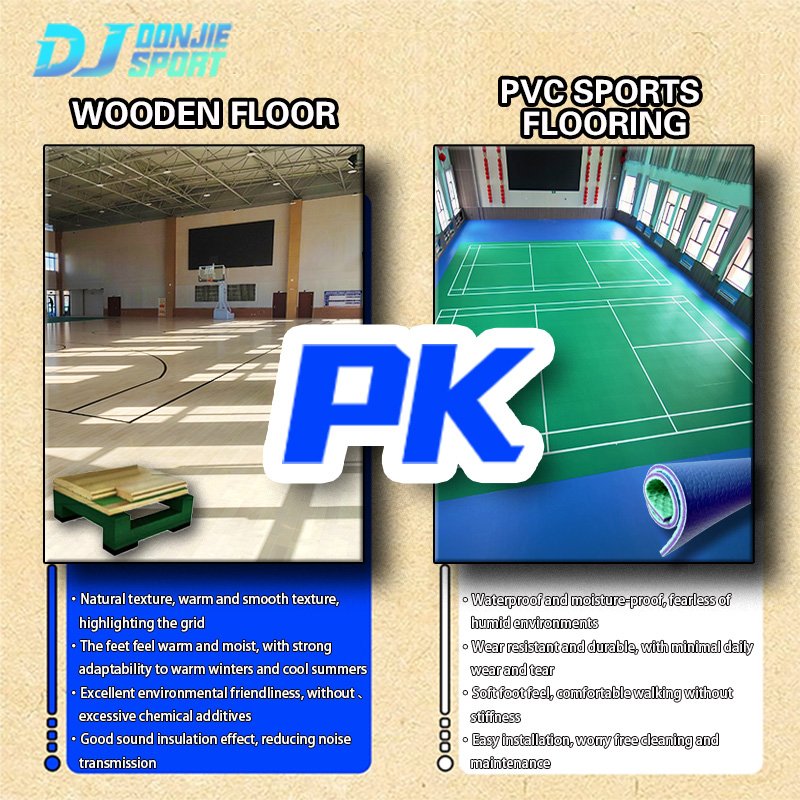
Maintenance and Upkeep: Wood vs. PVC Flooring
Wood flooring requires more attention and care to maintain its appearance and performance. Regular refinishing and sealing are necessary to protect the surface from scratches, scuffs, and stains. On the other hand, PVC flooring is incredibly easy to maintain. It can be cleaned with minimal effort, as it resists stains and can be swept, mopped, or wiped down without fear of damage. Additionally, PVC floors do not need refinishing, which reduces the long-term maintenance costs.
Performance Features: Which Flooring Enhances Athlete Safety and Performance?
When it comes to performance, both wood and PVC flooring excel in different ways. Wood flooring provides an excellent balance of grip and smoothness for athletes, offering consistent ball bounce and traction. However, PVC flooring is engineered to offer superior shock absorption, reducing impact on the joints and muscles. This makes it ideal for high-impact sports and long-duration use, helping to enhance player safety and comfort. Both materials meet safety standards, but the increased shock absorption of PVC flooring makes it a better choice for venues prioritizing athlete protection.
Cost Comparison: Which Flooring is the Best Investment?
In terms of upfront cost, wood flooring is typically more expensive due to the cost of materials and installation. However, it may be a good investment for facilities where aesthetics and traditional appeal are important. PVC flooring, on the other hand, is more affordable to install and offers significant savings over time due to its durability and low maintenance requirements. In the long run, PVC flooring may offer a better return on investment, especially for high-traffic sports venues.
Which is the Best Flooring for Your Sports Court?
Both wood and PVC flooring have their advantages depending on the needs of the sports facility. Wood flooring offers a timeless, high-quality look and excellent performance but comes with higher costs and maintenance demands. PVC flooring, however, offers superior durability, shock absorption, and ease of maintenance at a more affordable price point, making it an excellent choice for many modern sports venues.
Ultimately, the best choice for your sports court will depend on your budget, design preferences, and specific requirements for durability and performance. For facilities looking for a practical, cost-effective solution that doesn’t compromise on quality, PVC flooring is the clear winner. However, for those seeking a traditional, elegant look and willing to invest in maintenance, wood flooring remains an excellent option.