When it comes to choosing the ideal flooring for indoor sports facilities, whether it’s for a gym, basketball court, or multi-purpose arena, two popular options often emerge at the top of the list: wood and PVC flooring. Both materials offer distinct benefits and drawbacks, but which one stands out as the better choice in terms of longevity and performance?
Choosing the right flooring is crucial not only for aesthetics but also for the safety, comfort, and performance of athletes. Durability, shock absorption, maintenance, and overall cost are all factors that must be considered when making this decision. This blog post will compare wood flooring and PVC flooring, diving deep into the factors that influence their lifespan and functionality in sports environments. By the end of this article, you’ll have a clearer idea of which flooring option will best suit your needs for both short-term and long-term performance.
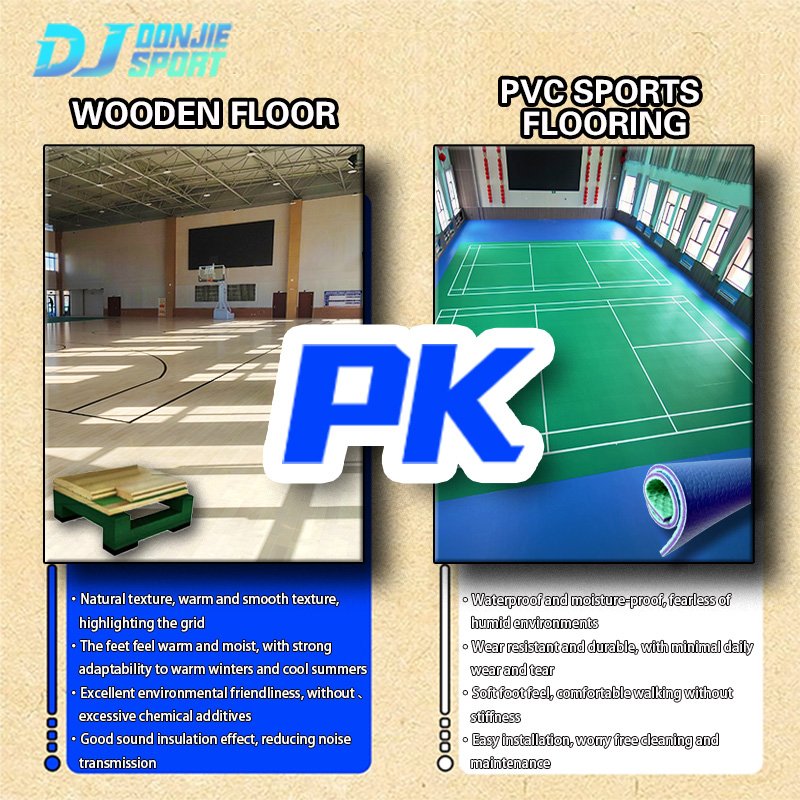
Durability: How Long Do Wood and PVC Floors Really Last?
The durability of a flooring material is one of the most critical factors when choosing for sports venues. Both wood and PVC floors are designed to withstand heavy use, but their long-term performance varies based on their composition and maintenance.
Wood Flooring Durability
Wood floors are often regarded as a classic choice for sports facilities due to their timeless aesthetic and comfort. However, when it comes to durability, wood can be more susceptible to wear and tear over time. Natural wood, although strong, is vulnerable to damage from moisture, temperature fluctuations, and heavy foot traffic. Scratches, dents, and warping can occur, especially in high-traffic areas. Wood flooring generally requires regular refinishing to maintain its appearance and structural integrity.
On average, with proper maintenance, a high-quality wood floor can last anywhere from 10 to 20 years, but this longevity is dependent on the level of care it receives. It also requires periodic resurfacing to restore its protective finish and to ensure a smooth, safe surface for athletes.
PVC Flooring Durability
In contrast, PVC flooring is known for its superior durability, especially in high-traffic areas. Made from synthetic materials, PVC flooring is highly resistant to wear, fading, and staining. It is engineered to handle the demands of indoor sports venues, including basketball courts, gymnasiums, and multi-purpose arenas, with minimal maintenance. PVC floors are designed to resist moisture, making them ideal for environments that may experience fluctuating humidity or water exposure.
PVC flooring can last between 15 to 25 years, depending on the quality of the material and the level of use. Because it doesn’t require refinishing, its longevity is often higher than that of wood flooring, and it is also more resistant to scratches and dents caused by heavy equipment or foot traffic. In summary, while wood floors can offer a more traditional look, PVC flooring tends to be the more durable option in the long run, especially for sports facilities.
Performance: Which Flooring Offers Better Playing Conditions?
For any sports facility, player comfort and performance are paramount. Both wood and PVC flooring offer unique benefits in terms of the playing surface, but their performance characteristics vary.
Wood Flooring Performance
Wood flooring is known for providing a natural feel underfoot, making it a popular choice for indoor courts like basketball or volleyball. One of its standout features is its shock absorption qualities. When properly installed, wood floors offer excellent resilience, reducing the impact on athletes’ joints and helping to minimize the risk of injuries like sprains or strains. This makes wood flooring ideal for high-impact sports.
However, wood floors can become slippery when wet, and their level of grip may vary depending on how well the finish is maintained. Over time, wood floors can become uneven or develop gaps, which can affect their performance and safety.
PVC Flooring Performance
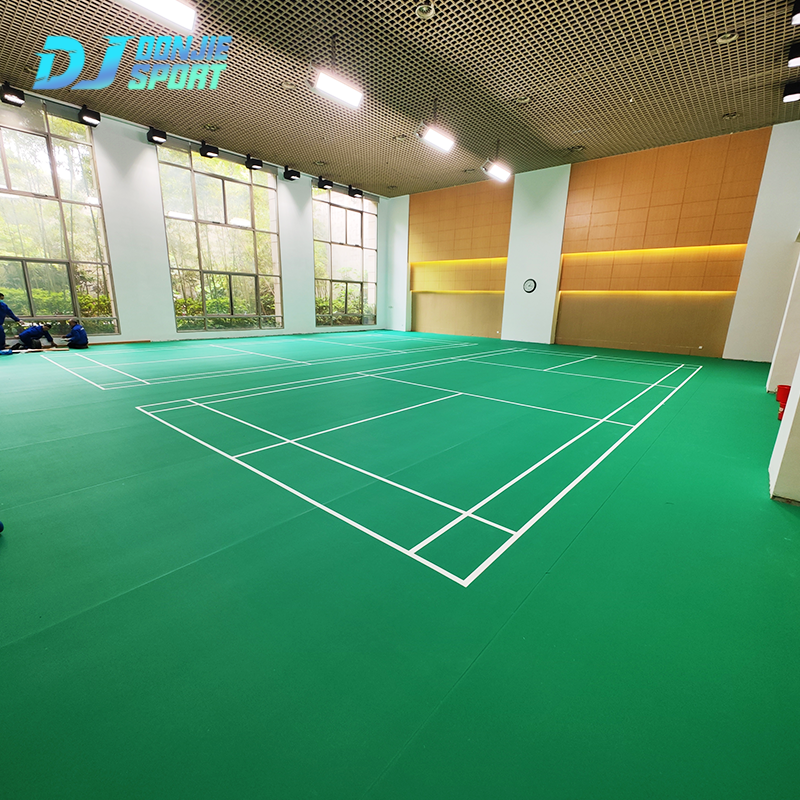
PVC flooring has made significant strides in terms of performance in recent years. Modern PVC floors are engineered to offer excellent slip resistance, which is crucial in sports environments where quick movements and sudden direction changes are common. PVC sports floors often have a textured surface that provides reliable grip, ensuring players remain safe and confident during play.
Moreover, PVC flooring is designed to offer consistent shock absorption across the entire surface. It provides a stable, cushioned feel, which helps reduce fatigue and minimizes the risk of injuries. For sports that involve high-speed movement or intense footwork, such as basketball or badminton, PVC flooring can offer superior traction and performance over wood flooring.
Maintenance: Ease of Care for Wood vs. PVC Floors
Flooring maintenance is essential for preserving the aesthetic and performance qualities of sports surfaces. When considering wood versus PVC, maintenance requirements play a significant role in the overall cost and convenience.
Wood Flooring Maintenance
Wood floors require regular upkeep to maintain their appearance and structural integrity. Depending on the level of foot traffic, wood floors may need to be refinished every 5 to 10 years. Additionally, cleaning wood floors requires careful attention to avoid water damage. Routine sweeping, mopping, and occasional waxing are necessary to preserve the wood’s finish.
While wood flooring adds warmth and elegance to sports facilities, its upkeep can be more time-consuming and costly compared to synthetic alternatives. The need for refinishing, sanding, and sealing means more downtime for your facility and potentially higher costs in the long run.
PVC Flooring Maintenance
PVC flooring, on the other hand, is far less demanding in terms of maintenance. Its surface is easy to clean and doesn’t require refinishing. Regular cleaning with a damp mop is generally all that’s needed to keep PVC floors looking pristine. PVC flooring is also resistant to stains, moisture, and dirt, making it more hygienic and easier to maintain.
Given its low-maintenance nature, PVC flooring is an excellent choice for facilities looking to minimize downtime and maintenance costs. The ability to simply wipe away spills and debris makes it a practical choice for high-traffic areas.
Cost: Which Flooring Option is More Cost-Effective in the Long Run?
When choosing between wood and PVC flooring, cost is always a consideration. While the initial cost of installation can vary, it is important to evaluate both the upfront costs and the long-term expenses associated with each material.
Wood Flooring Cost
Wood flooring typically has a higher initial installation cost compared to PVC. The material itself can be expensive, and the labor involved in installing a wooden floor, including the necessary subfloor preparation, can add to the total expense. Furthermore, as wood flooring requires refinishing and repairs over time, maintenance costs can accumulate, making it a more expensive option in the long term.
PVC Flooring Cost
PVC flooring, on the other hand, tends to be more affordable both in terms of initial installation and ongoing maintenance. The material cost is typically lower, and because it doesn’t require refinishing, the long-term costs of PVC flooring are much lower than wood flooring. This makes PVC flooring a more budget-friendly option for sports facilities that are conscious of both initial and ongoing expenses.
Aesthetic Appeal: Which Material Looks Better in Different Settings?
While performance and durability are the primary factors in choosing the right flooring for sports venues, aesthetics also play an important role in the overall ambiance of the facility.
Wood Flooring Aesthetics
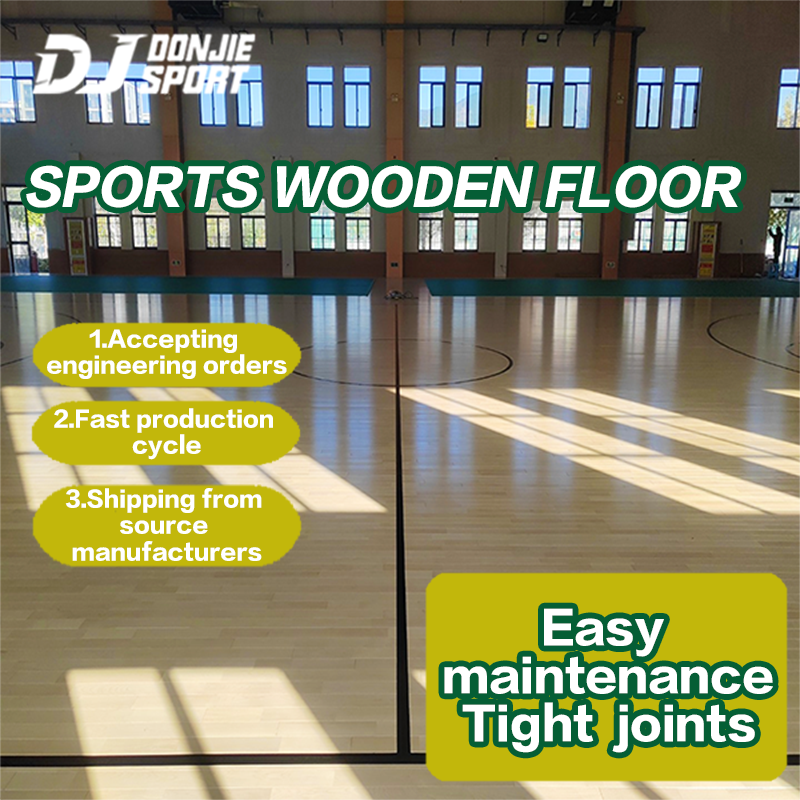
Wood floors offer a natural, warm, and timeless look that is hard to replicate. The rich grain and texture of the wood can elevate the appearance of any sports facility, providing a sense of tradition and elegance. However, wood may not fit with all modern designs and can be limited in terms of color and customization options.
PVC Flooring Aesthetics
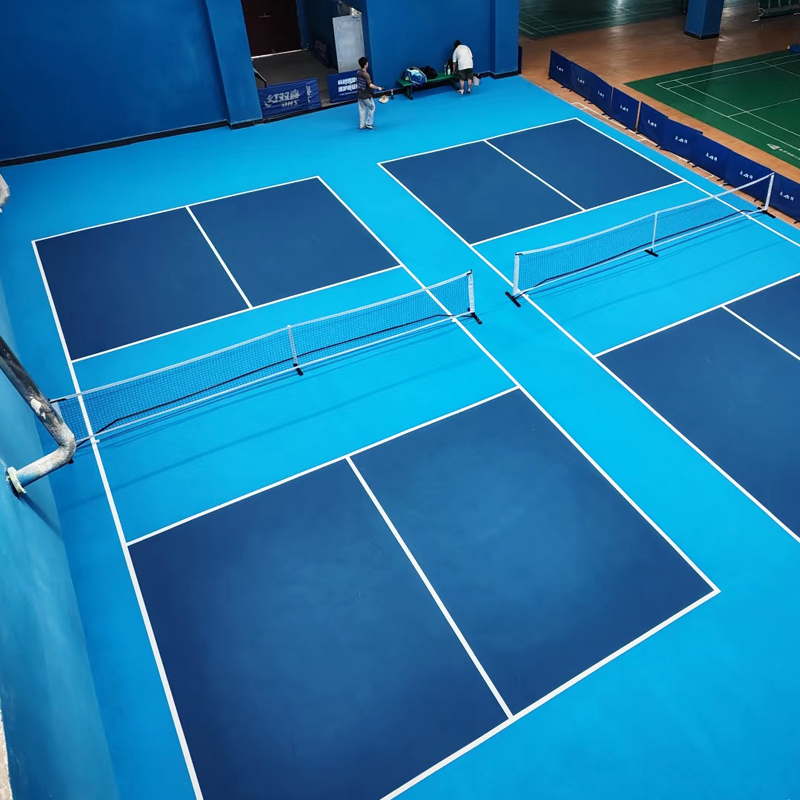
PVC flooring is highly versatile in terms of aesthetics. Available in a wide range of colors, patterns, and textures, PVC can be customized to suit the design preferences of any sports facility. From vibrant courts to sleek, professional-looking gyms, PVC flooring can be tailored to match the brand and theme of the facility, providing a modern and appealing appearance.
Which Flooring Option is Best for Your Sports Facility?
When it comes to choosing the right flooring for your sports facility, both wood and PVC flooring have their advantages and drawbacks. Wood flooring offers a traditional, elegant appearance and excellent shock absorption, making it a solid choice for certain sports. However, it requires more maintenance and is more susceptible to wear and damage over time.
PVC flooring, on the other hand, is a durable, low-maintenance, and cost-effective option that performs well in high-traffic environments. It provides consistent performance, excellent traction, and long-lasting durability, making it an ideal choice for modern sports facilities that demand reliability and ease of care.
Ultimately, the decision depends on your specific needs, budget, and aesthetic preferences. For facilities that prioritize performance and minimal maintenance, PVC flooring is the clear winner. For those seeking a more traditional, natural look and willing to invest in regular upkeep, wood flooring may be the better option.