When it comes to designing and outfitting indoor sports venues, one of the most critical decisions is selecting the right flooring. The type of flooring you choose will have a significant impact on player performance, safety, and the long-term maintenance of the facility. With various options available—each with its own set of advantages and drawbacks—choosing the ideal material can be a challenging task. This article delves into the pros and cons of three popular flooring options for indoor sports: wood flooring, PVC flooring, and PP flooring. We will examine how each material stacks up in terms of durability, maintenance, aesthetics, and performance, helping you make an informed decision based on the specific needs of your sports facility.
Wood Flooring – A Classic Choice
Aesthetic Appeal and Traditional Look
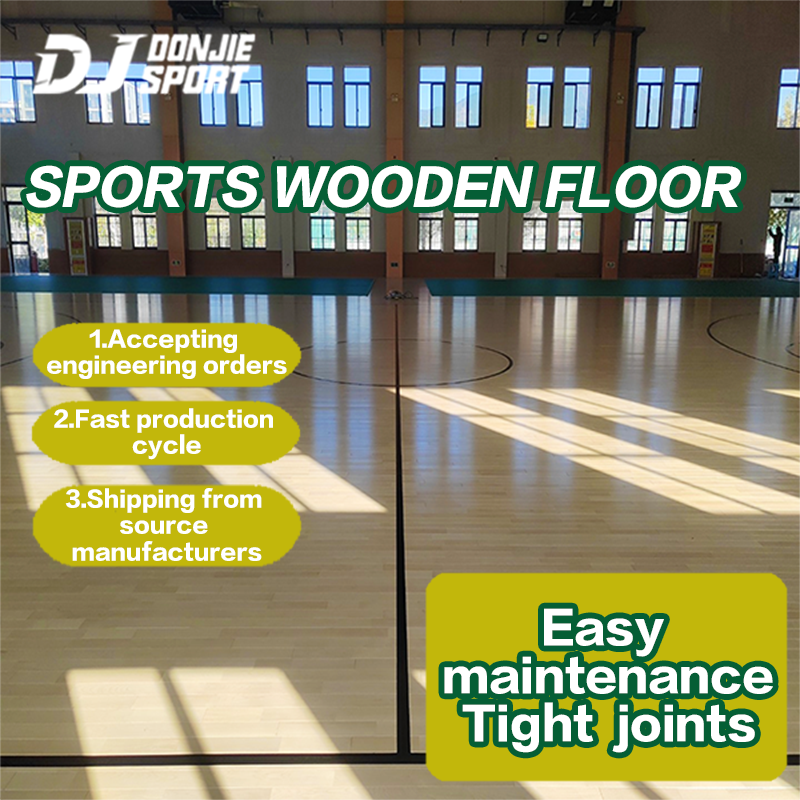
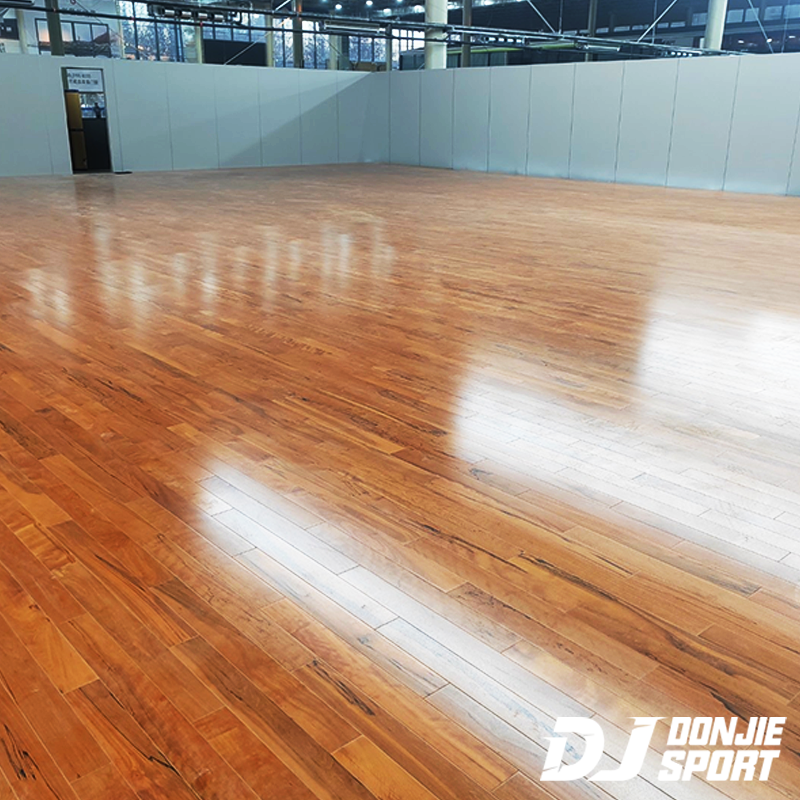
Wood flooring is often regarded as the gold standard for sports venues, particularly basketball courts, volleyball courts, and multi-purpose gyms. Its natural appearance, rich grain, and warm tones provide an aesthetic that is both timeless and professional. Many athletes prefer the feel of a wood floor, as it evokes a sense of tradition and high-level competition. Whether it’s for a professional sports hall or a high school gym, wood flooring brings a certain charm that is hard to match.
Durability and Performance
Wood flooring is known for its durability and performance, particularly in high-impact sports. It offers natural shock absorption, reducing the risk of injury for athletes during intense games and practice sessions. However, over time, even the best wood floors can show signs of wear. Frequent use, especially in competitive environments, can lead to scratches, dents, and fading. To maintain the floor’s integrity, periodic refinishing and repairs are necessary.
Pros of Wood Flooring for Indoor Sports
-
Shock Absorption: Natural wood has excellent shock-absorbing properties, which helps reduce strain on joints and muscles during high-impact movements.
-
Long Lifespan: A well-maintained wood floor can last for many years, even decades, making it a long-term investment.
-
Professional Look: The classic appearance of wood floors provides a professional atmosphere, which is particularly important for arenas hosting high-profile events.
Cons of Wood Flooring for Indoor Sports
-
High Maintenance: Wood floors require regular maintenance, including sanding, refinishing, and sealing. They are also vulnerable to moisture, which can cause warping and swelling.
-
Cost: Wood flooring is typically more expensive to install than PVC or PP options. The long-term maintenance costs also add up, making it a more costly choice overall.
PVC Flooring – The Modern, Versatile Option
Overview of PVC Flooring
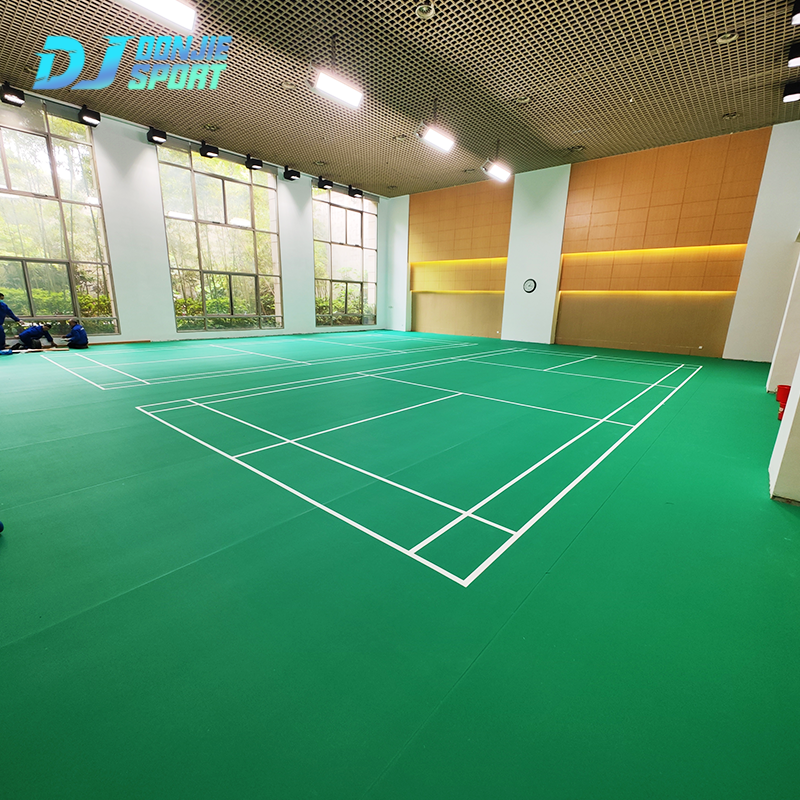
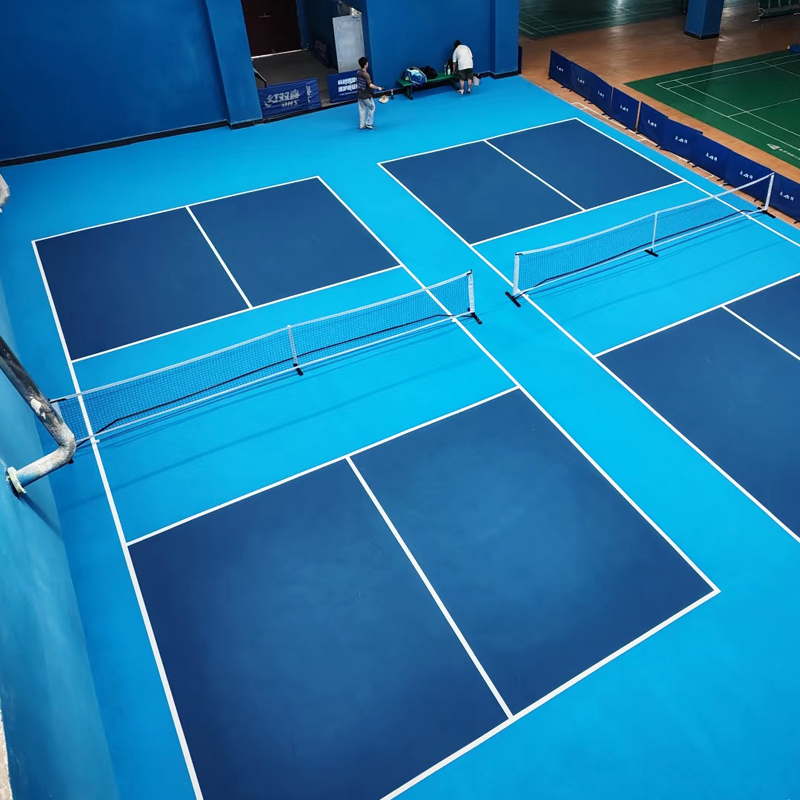
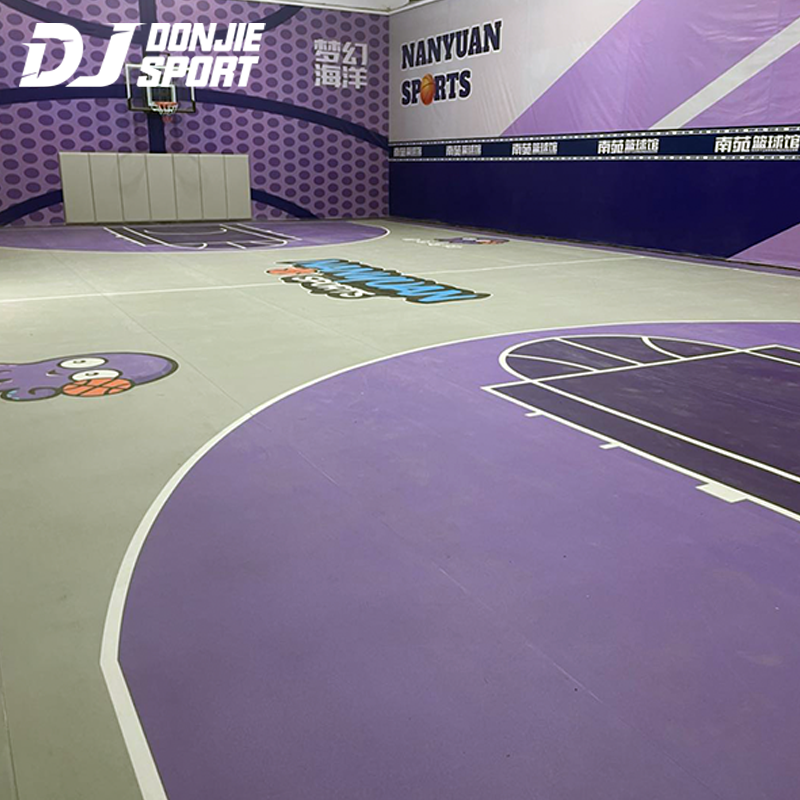
Polyvinyl chloride (PVC) flooring has gained popularity in recent years due to its durability, versatility, and low maintenance requirements. PVC floors are often used in multipurpose sports halls, fitness centers, and recreational facilities because they are available in a variety of designs, colors, and finishes. With advancements in technology, PVC flooring has evolved to mimic the look of wood or other natural materials, while still offering superior durability.
Advantages of PVC Flooring for Sports Halls
One of the primary benefits of PVC flooring is its durability. It is resistant to water, stains, and abrasions, making it an ideal option for busy sports environments. PVC floors are relatively easy to maintain, requiring only regular cleaning to keep them looking new. They also offer excellent slip resistance, which is crucial for preventing accidents during intense physical activity.
Performance Benefits for Athletes
PVC flooring provides a firm yet forgiving surface that offers good grip and traction, making it suitable for a wide range of sports such as basketball, volleyball, and badminton. It also delivers a level of shock absorption that reduces the impact on players’ joints. Although it may not match the natural feel of wood, the performance benefits of PVC flooring for athletes are substantial.
Drawbacks of PVC Flooring
-
Aesthetic Limitations: While PVC flooring has made great strides in mimicking natural materials, it still lacks the warm, organic feel of wood floors. For some facilities, this might be a dealbreaker, especially for venues that place high importance on appearance.
-
Scratching and Dulling: Over time, PVC flooring may develop visible scratches or scuff marks, especially in high-traffic areas. These imperfections can detract from the floor’s overall appearance.
PP Flooring – Practical and Cost-Effective
Introduction to PP Flooring
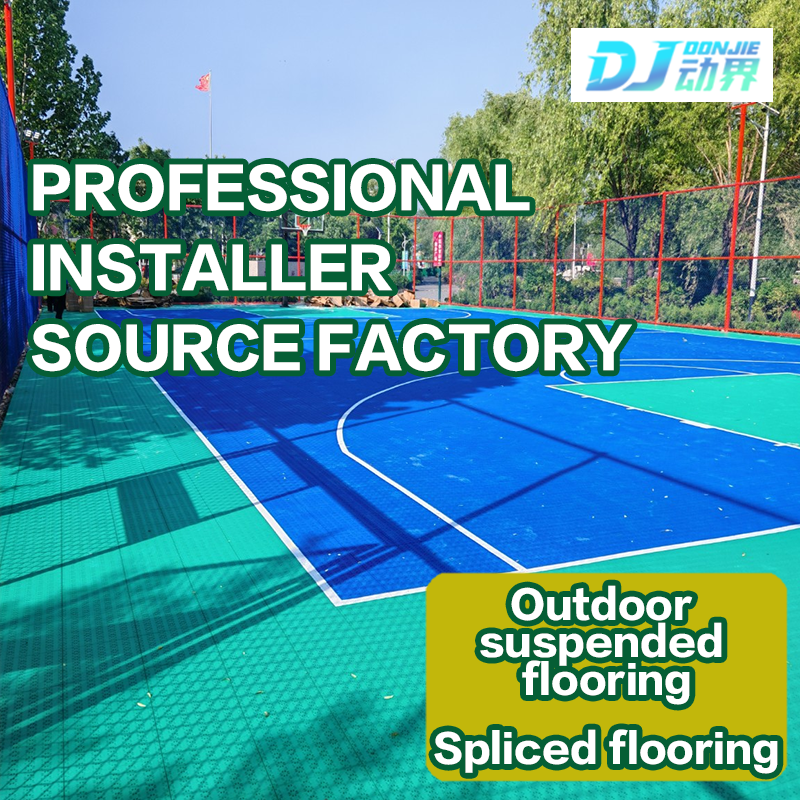
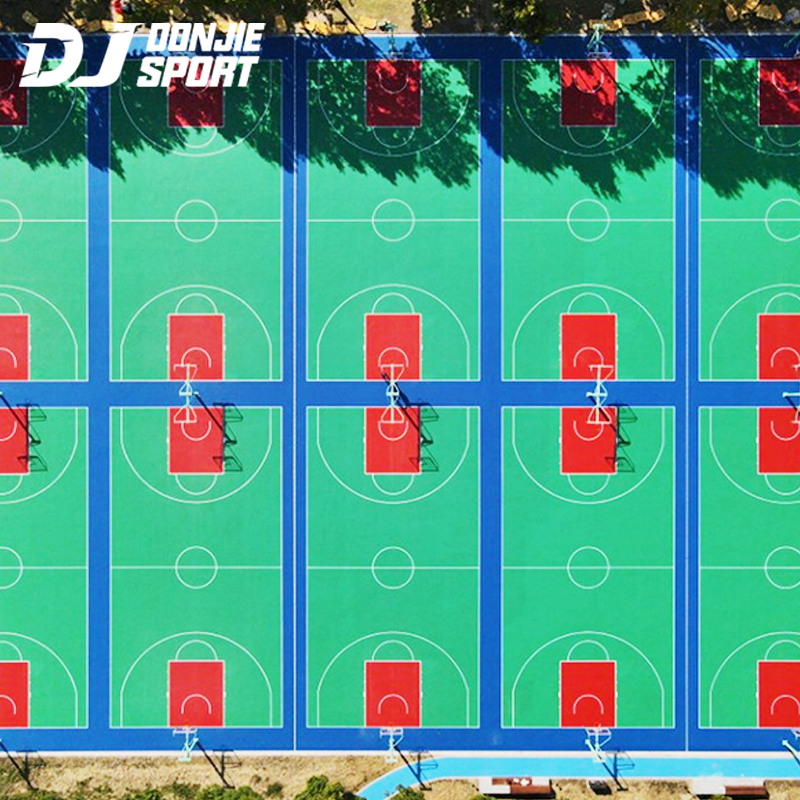
Polypropylene (PP) flooring is an interlocking tile system that is often used in sports facilities, particularly in multi-purpose spaces that host a variety of activities. PP flooring is made from durable plastic material, which offers high resistance to impact, wear, and weather conditions. It is commonly used for recreational sports, fitness centers, and even outdoor courts due to its ease of installation and affordability.
Benefits of PP Flooring in Sports Environments
PP flooring is highly durable and resistant to heavy traffic, making it a great choice for gyms, community centers, and schools. The interlocking design makes installation quick and easy, with no need for adhesives or complex preparation. PP flooring also offers excellent slip resistance and shock absorption, providing a safe and comfortable surface for athletes.
PP Flooring and Athlete Performance
While PP flooring is not as flexible as wood or PVC, it still offers sufficient shock absorption and support for most indoor sports activities. The modular tile system allows for easy repairs or replacements if a section of the floor becomes damaged. The versatility of PP flooring makes it a popular choice for multi-purpose venues, as it can handle everything from basketball games to aerobics classes.
Challenges with PP Flooring
-
Lower Aesthetic Appeal: PP flooring tends to have a more utilitarian look compared to wood or PVC. The interlocking tiles often have a more industrial feel, which may not be suitable for venues that prioritize aesthetic value.
-
Customization Limitations: While PP flooring is available in various colors and designs, it doesn’t offer the same level of customization as PVC flooring. For facilities looking for unique or high-end design options, PP flooring may not be the best fit.
Comparing the Three Flooring Types
Cost Comparison
When considering installation costs, PP flooring is typically the most budget-friendly option, followed by PVC flooring. Wood flooring is often the most expensive due to the high cost of materials and the ongoing maintenance required. However, wood floors can offer a longer lifespan when properly maintained, which can justify the higher upfront costs.
Durability Over Time
Wood floors require significant upkeep to maintain their durability, while PVC and PP flooring generally need less maintenance and offer better resistance to moisture, scratches, and wear. PVC floors are ideal for high-traffic areas, while PP floors are an excellent choice for multipurpose venues that require flexibility.
Player Experience and Safety
Wood flooring provides the best shock absorption, making it the top choice for professional athletes. However, PVC and PP flooring still provide a safe playing surface with adequate grip and performance features, making them suitable for recreational sports and community-based facilities.
Aesthetic and Design Flexibility
Wood floors are unmatched in their aesthetic appeal, offering a natural and classic look. PVC flooring offers a wide range of design options, making it customizable to various sports venue themes. PP flooring, while practical, is less customizable and tends to have a more industrial appearance.
Conclusion
Selecting the right flooring for your indoor sports facility depends on several factors, including budget, intended use, and desired aesthetics. Wood flooring remains the traditional choice for high-performance sports courts due to its natural beauty and excellent shock absorption properties. PVC flooring, while more affordable and low-maintenance, offers versatility and durability for a variety of sports. PP flooring is the most cost-effective option, providing a practical and flexible solution for multipurpose spaces, though it lacks the aesthetic appeal of wood and PVC.