When it comes to choosing flooring for sports venues, whether it’s a gymnasium, indoor court, or multi-use facility, the flooring material plays a crucial role in both durability and performance. Flooring in these environments must endure heavy foot traffic, athletic activities, and the wear and tear that comes with constant use. Not only does it need to withstand physical impact, but it also must contribute to safety, comfort, and optimal performance.
Among the most popular flooring materials for sports venues are wood, PVC, and PP (polypropylene). Each of these materials has its unique advantages and limitations, making it essential to understand their properties when deciding which one is the best choice for your facility.
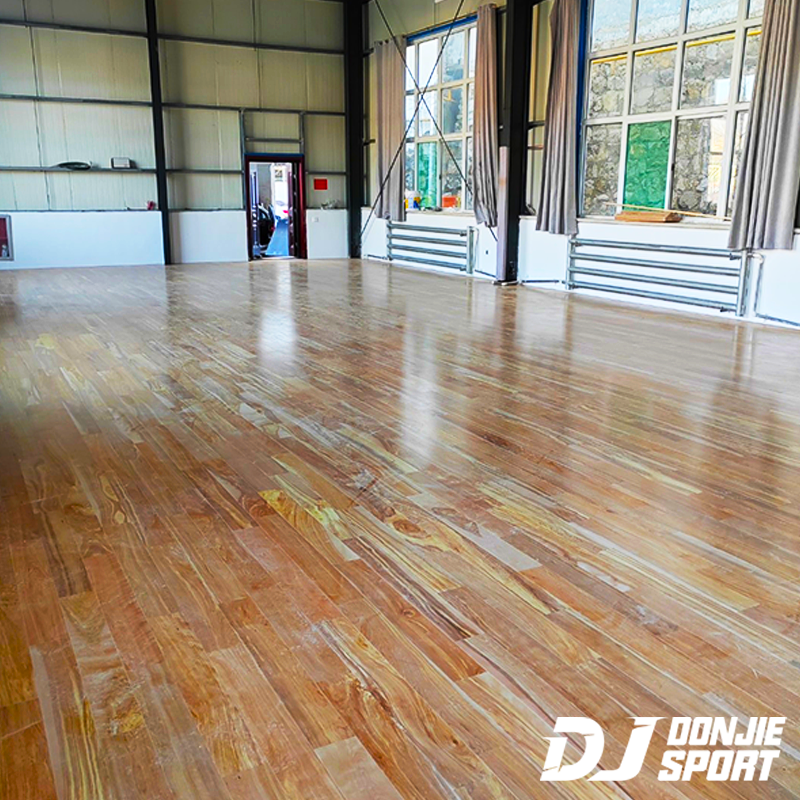
Wood Flooring: The Traditional Option
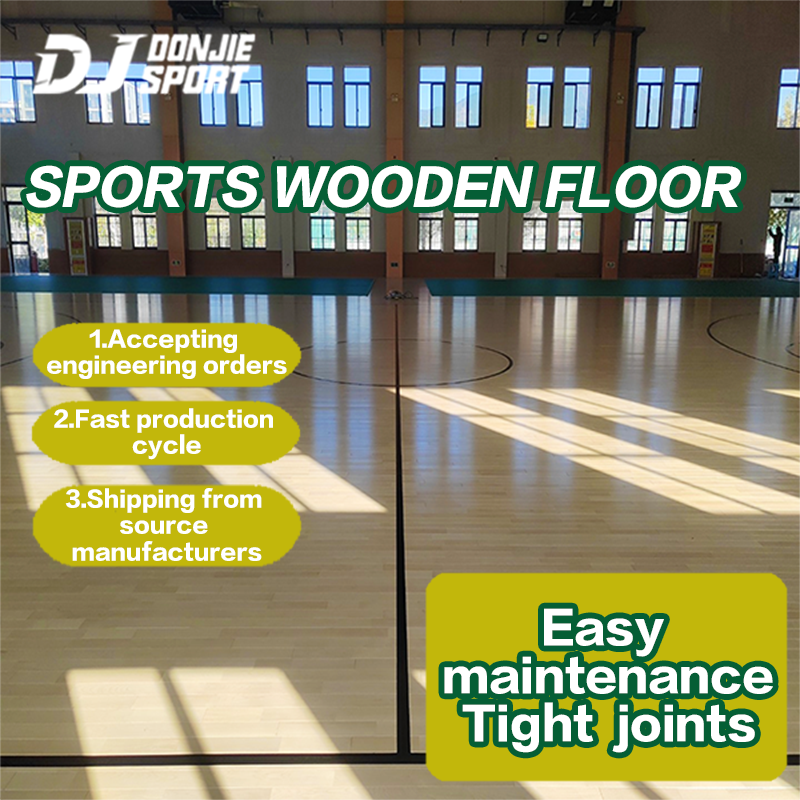
Wood flooring has long been the preferred choice for many indoor sports facilities, especially for sports like basketball, volleyball, and badminton. Traditional wood flooring offers a classic look and natural feel, making it a favorite for high-end sports venues, including professional basketball courts and multipurpose sports halls.
Performance Benefits
Wood flooring provides excellent shock absorption, reducing the risk of injuries by minimizing impact on joints during intense physical activity. The smooth surface also offers great traction, preventing players from slipping during fast movements.
Durability Challenges
While wood flooring can last for many years, it’s more vulnerable to scratches, dents, and moisture damage than synthetic materials. Humidity changes, spills, and high-traffic areas can cause the wood to warp or lose its integrity over time. Furthermore, wood is susceptible to fading from UV exposure, which can affect the aesthetics of the flooring.
Maintenance and Long-Term Costs
Wood flooring requires regular maintenance to keep it in good condition. This includes sanding, refinishing, and re-coating the surface to maintain its smoothness and performance. Over time, the cost of maintaining wood flooring can add up, especially in high-traffic areas where the flooring wears faster.
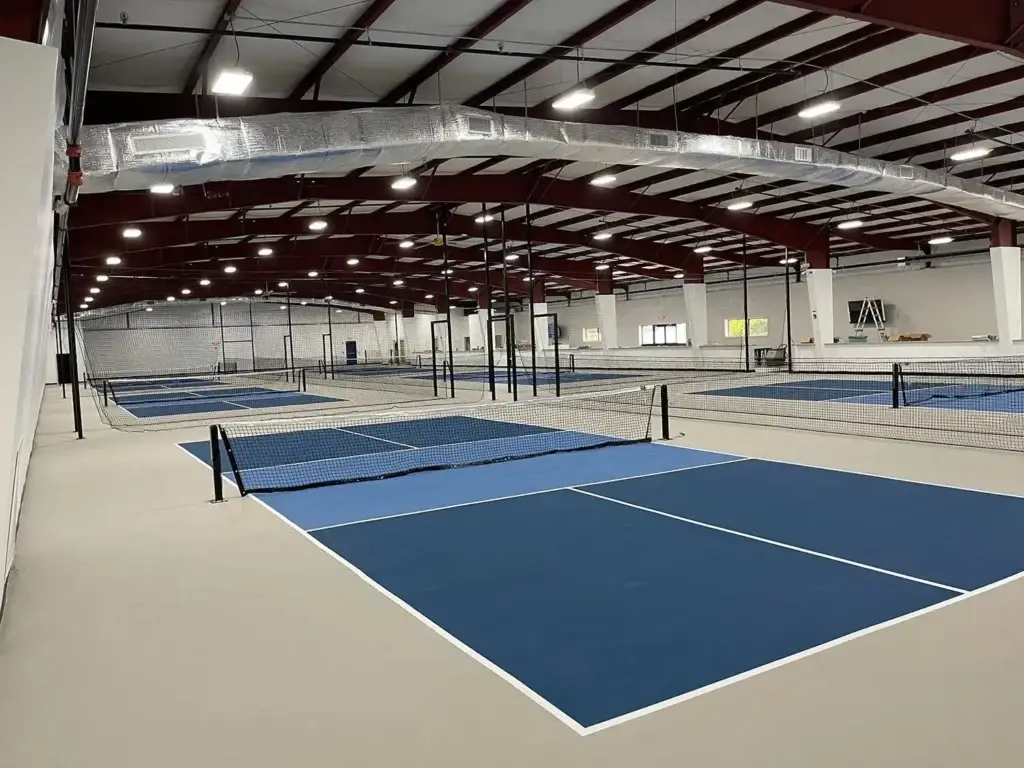
PVC Flooring: The Modern Solution for Durability
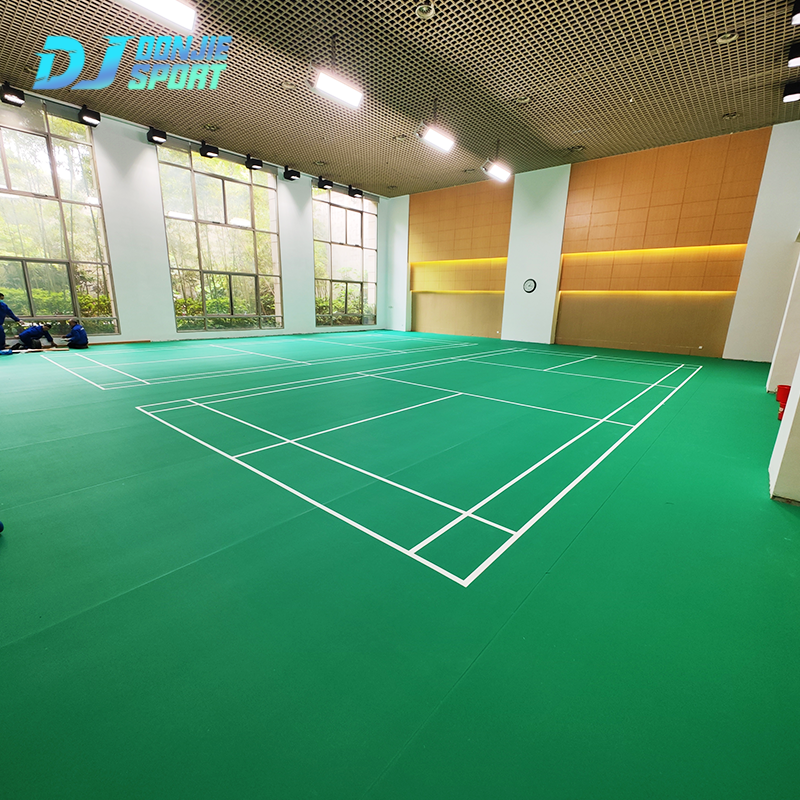
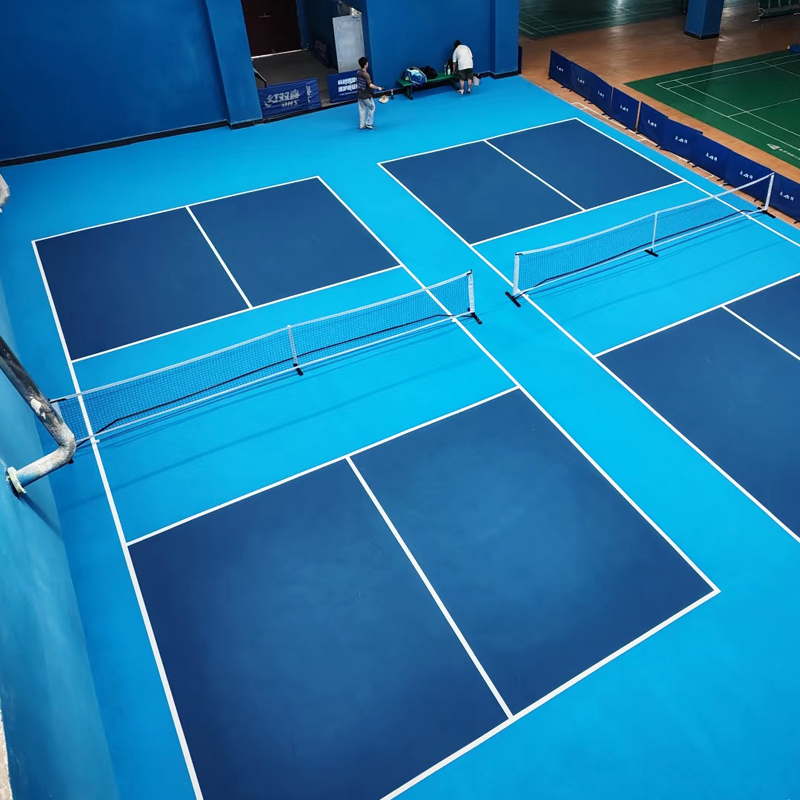
PVC flooring, or polyvinyl chloride flooring, is an engineered material made from synthetic polymers, designed for durability and high performance in sports environments. It has grown in popularity due to its versatility, performance characteristics, and cost-effectiveness compared to traditional wood floors.
What Is PVC Flooring?
PVC flooring consists of multiple layers, with the top layer often featuring a textured surface that offers slip resistance, while the core provides shock absorption. PVC flooring is ideal for high-performance sports because it offers a combination of comfort, safety, and durability.
Performance Advantages
One of the key benefits of PVC flooring is its exceptional shock absorption, which reduces the impact on players’ joints. It’s designed to provide both comfort and stability, helping athletes perform at their best while minimizing the risk of injury. Additionally, PVC floors are available in a range of textures to enhance grip, making them suitable for various sports that require quick stops and direction changes.
Durability and Longevity
PVC flooring stands up to heavy foot traffic, moisture, and temperature fluctuations. It’s resistant to stains, scratches, and impacts, offering long-term durability even in busy sports venues. Unlike wood, PVC flooring won’t warp or swell when exposed to water or humidity, making it a more resilient choice for indoor sports courts.
Maintenance and Cleaning
PVC floors are easy to clean and maintain, requiring only regular sweeping and occasional mopping to keep them in top condition. They are highly resistant to dirt buildup, making them a practical option for busy sports facilities. Moreover, PVC flooring is relatively low-maintenance compared to wood, which requires refinishing over time.
Cost-Effectiveness
PVC flooring is often more affordable than wood flooring, both in terms of initial installation and long-term maintenance costs. The ability to withstand heavy usage without significant wear and tear makes it a cost-effective choice for many sports venues.
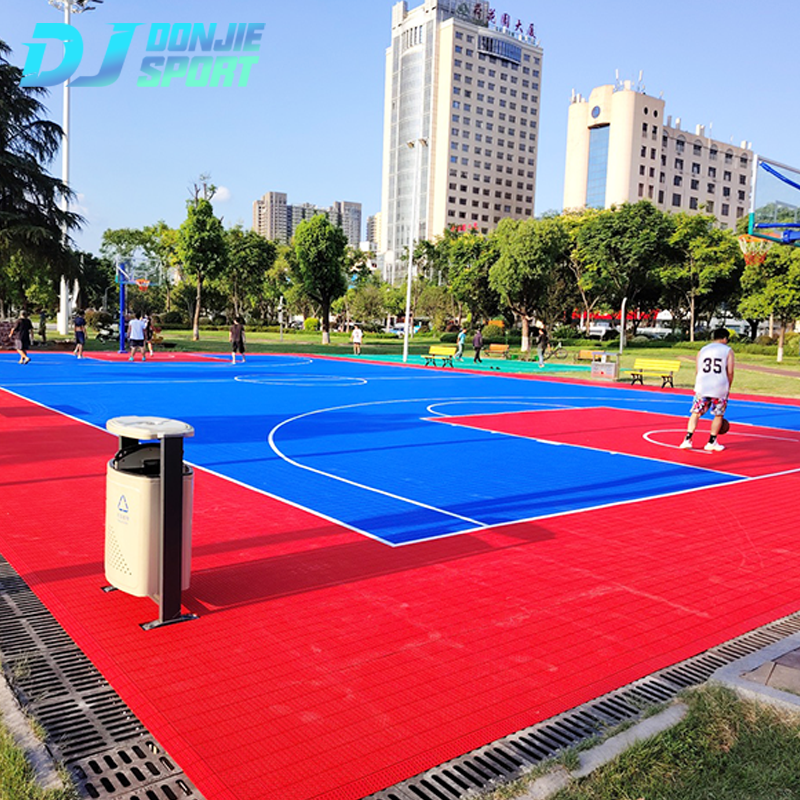
PP Flooring: Durability with Flexibility
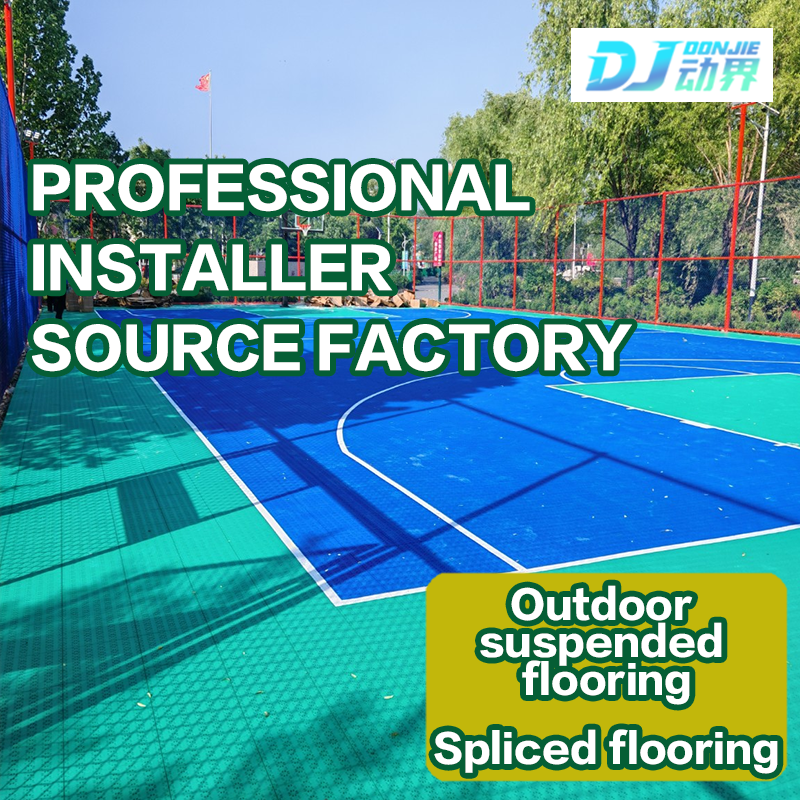
PP (polypropylene) flooring is another popular choice for sports venues, especially in multi-purpose areas or facilities that require modular flooring solutions. It is made from high-density plastic materials and is designed for easy installation, flexibility, and long-lasting performance.
What Is PP Flooring?
PP flooring is typically available in interlocking tiles, which makes it ideal for venues that require a flexible and modular solution. It’s commonly used for indoor basketball courts, gyms, and even in temporary or pop-up sports venues due to its convenience and ease of installation.
Performance Benefits
PP flooring offers excellent durability under heavy traffic and sports activities. The interlocking tile design allows for quick assembly and reconfiguration of sports courts, making it versatile for various sports, including basketball, volleyball, and badminton. Its shock-absorbing properties ensure that players’ joints are protected during high-impact activities.
Durability Under Extreme Conditions
One of the standout features of PP flooring is its ability to withstand extreme conditions, such as high humidity, temperature fluctuations, and heavy wear. Unlike wood, PP flooring doesn’t warp or crack under moisture or fluctuating temperatures, making it an ideal choice for venues with variable climates.
Maintenance and Lifespan
Like PVC, PP flooring is low-maintenance and easy to clean. Regular sweeping and occasional mopping are usually sufficient to keep it in good condition. Since the tiles are interlocking, any damaged or worn-out sections can be easily replaced, extending the lifespan of the flooring system.
Cost vs. Performance
PP flooring is often seen as a cost-effective option due to its modular nature and the ability to replace individual tiles instead of the entire surface. While it may not have the same aesthetic appeal as wood flooring, it offers excellent performance and durability, especially for multi-purpose venues.
How to Choose the Right Flooring for Your Sports Facility
Selecting the right flooring for your sports facility depends on several factors, including the type of sport, frequency of use, and budget. If your venue hosts professional-level sports, wood flooring may be preferred for its aesthetic appeal and traditional feel. However, for multi-use or high-traffic venues, PVC or PP flooring may be a better choice due to their durability, ease of maintenance, and cost-effectiveness.
When deciding, consider the following:
-
Type of sport: Some sports may require specific features like enhanced grip, shock absorption, or slip resistance.
-
Frequency of use: High-traffic areas benefit from materials that are durable and resistant to wear.
-
Budget: PVC and PP flooring offer affordable alternatives to traditional wood without compromising performance.
-
Aesthetic preferences: Wood offers a natural, premium look, while PVC and PP flooring come in a variety of colors and designs that can complement different venue aesthetics.
Finding the Perfect Balance Between Durability and Performance
In conclusion, each flooring material—wood, PVC, and PP—has its strengths, and the best choice depends on your facility’s unique needs. Wood flooring is ideal for traditional sports venues where aesthetics and performance are key, but it comes with maintenance and durability challenges. PVC flooring offers excellent durability, shock absorption, and cost-effectiveness, making it a solid option for modern sports facilities. Meanwhile, PP flooring is a versatile and durable choice, particularly for multi-purpose venues that require flexibility and easy installation.