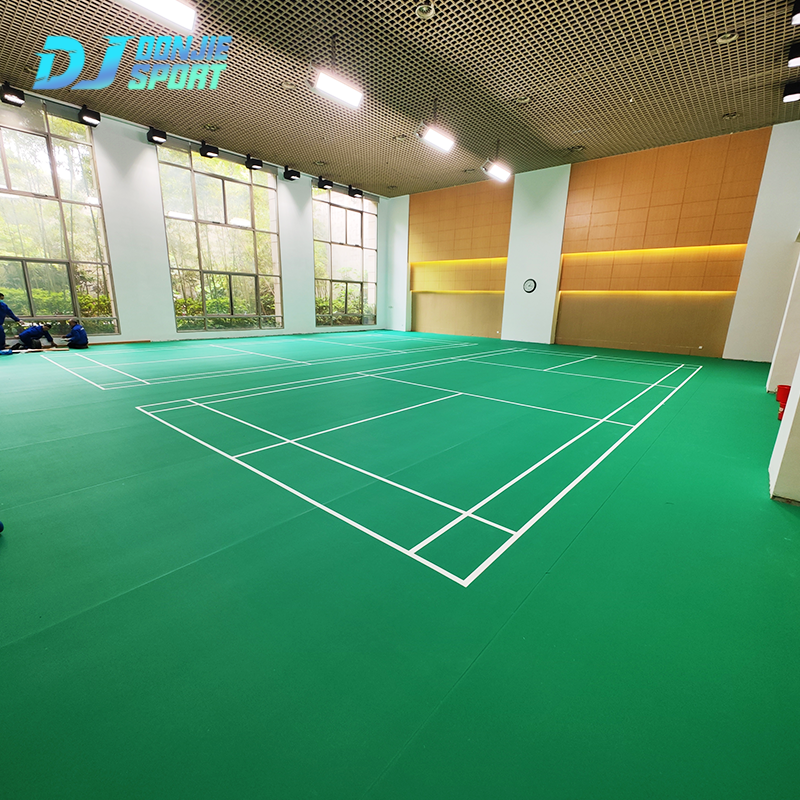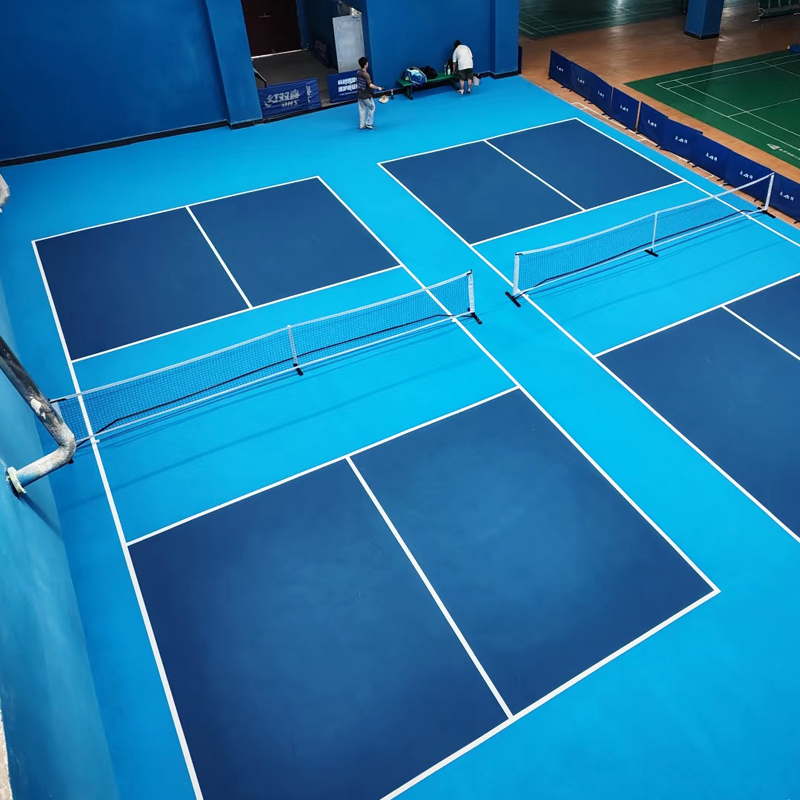
In the world of competitive sports, the flooring beneath athletes plays a crucial role in determining performance levels, safety, and long-term health. A carefully selected flooring system not only impacts the athletes’ movements but also contributes to reducing injury risks. Among the various flooring options available, wood sport floors have gained significant popularity in sports arenas worldwide. Whether in basketball courts, volleyball halls, or multi-purpose indoor venues, wood sport floors offer an unmatched combination of safety, comfort, and durability.
In this article, we’ll explore how wood sport floors elevate athletic performance and safety, discussing the key features that make them the preferred choice for sports facilities aiming to provide optimal conditions for athletes.
The Importance of Flooring for Athlete Performance
When it comes to sports, every movement matters. Whether it’s a quick pivot, a sudden sprint, or an explosive jump, the quality of the flooring directly impacts how athletes perform. Flooring materials can either enhance or hinder an athlete’s ability to perform at their best.
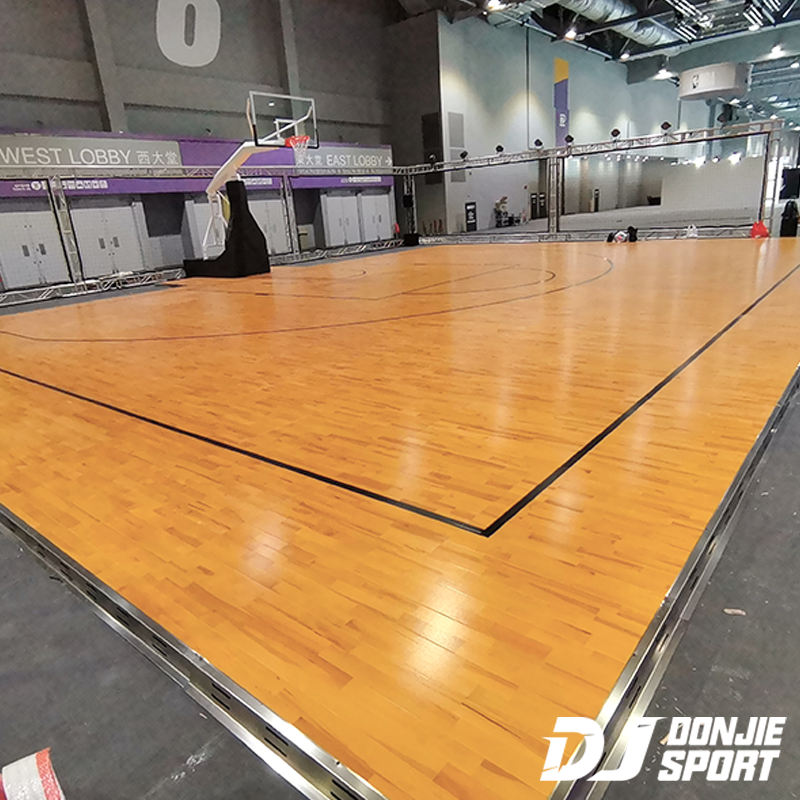
Wood sport floors are specifically designed to support a wide range of athletic movements. The natural texture and slight give of wood provide athletes with the right amount of grip, ensuring they can move quickly without slipping. In contrast to hard, unforgiving surfaces like concrete or asphalt, wood floors allow for a smoother, more controlled performance.
Furthermore, wood sport floors promote better posture and body alignment, which can significantly improve athletic technique. This is especially important for athletes who are performing high-intensity actions that require a combination of balance, power, and speed. The shock-absorbing properties of wood floors help athletes land safely after jumps or sudden stops, reducing the stress on joints and muscles. This leads to improved endurance and fewer fatigue-related injuries during play.
Wood Sport Floors: A Balanced Combination of Performance and Safety
One of the main reasons wood sport floors are the go-to choice for high-performance arenas is their ability to strike a perfect balance between performance and safety. Unlike many synthetic flooring options, wood floors naturally provide shock absorption, which reduces the impact on athletes’ joints, especially during high-impact sports like basketball and volleyball.
Wood flooring is designed to absorb the energy of an athlete’s movements, helping to mitigate the repetitive strain on muscles and bones. This helps prevent common injuries such as sprains, strains, and stress fractures, which are often caused by floors that don’t provide enough cushioning.
The resilience of wood floors also contributes to superior performance. Unlike materials that might offer too much give (like foam), wood floors provide the stability athletes need to push off with power and execute high-speed movements. The consistency of the surface ensures a predictable performance, enabling athletes to focus entirely on their game without worrying about floor instability or slipping.
The Engineering Behind Wood Sport Floors
Wood sport floors are more than just natural timber laid down in a venue. They are the result of meticulous engineering, combining the best of performance, safety, and durability. The construction of wood flooring systems involves multiple layers, including a hardwood top layer, subflooring, and moisture control features.
High-quality hardwood like maple, oak, or beech is often used for sport flooring because of its density and durability. These hardwoods are chosen for their strength and ability to withstand the high-impact nature of sports.
The flooring is typically constructed with a special subfloor system designed to provide additional shock absorption, while also managing moisture to prevent warping or swelling due to environmental changes. This ensures the wood stays stable over time, maintaining its appearance and performance even in high-traffic sports venues.
Furthermore, the finish applied to wood floors plays an important role in safety. A properly treated surface reduces the risk of slip injuries while ensuring optimal traction. The finish also enhances the natural beauty of the wood, giving sports venues a professional and aesthetically pleasing look that athletes and fans alike can appreciate.
How Wood Sport Floors Contribute to Athlete Safety
When considering flooring options, safety is a top priority for sports facilities, and wood floors excel in this area. The ability of wood flooring to absorb shock helps prevent injuries caused by the repeated impact of running, jumping, and landing.
For athletes, the safety provided by wood floors is essential. Wood floors reduce the intensity of impact by dispersing the energy of a player’s movement, minimizing stress on the knees, hips, and ankles. This makes wood sport floors an excellent choice for reducing the likelihood of joint-related injuries, which are common in high-contact sports.
Additionally, wood floors are less likely to cause slips and falls compared to some other flooring types. The natural texture of wood, when properly maintained, provides superior grip, even when sweat or moisture is present. This is critical for preventing accidents, as athletes often have to make quick, sharp movements during gameplay.
The Long-Term Benefits of Wood Sport Floors for Athletic Venues
While the initial cost of installing wood sport floors can be higher than some alternatives, the long-term benefits far outweigh the investment. Wood floors are incredibly durable and can last for decades with proper care. This makes them a cost-effective option for sports facilities that want to minimize long-term maintenance costs.
Additionally, wood floors are easy to maintain. Regular cleaning and periodic refinishing are generally all that’s required to keep them in top condition. Wood is also a sustainable material, making it an environmentally friendly option for sports venues looking to reduce their carbon footprint.
Beyond durability and low maintenance, wood floors also support athlete health and performance for the long run. Over time, the consistent performance and safety provided by wood flooring help prevent chronic injuries, contributing to the longevity of athletes’ careers.
Comparisons with Other Flooring Materials
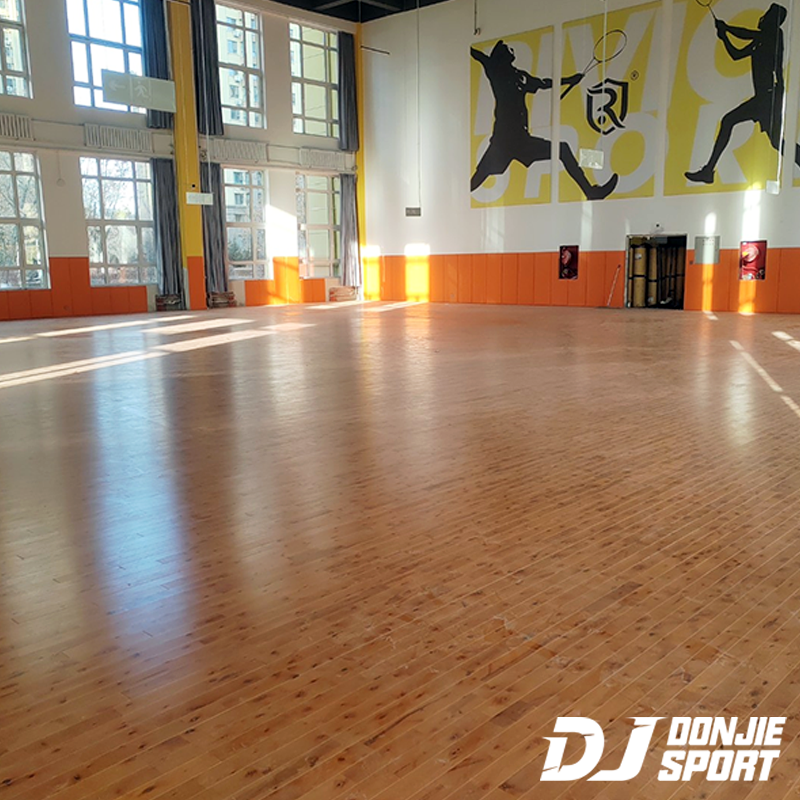
When comparing wood sport floors with other flooring options such as PVC or rubber, it becomes clear why wood is often the top choice for high-performance venues.
PVC flooring, while durable and low-maintenance, can be too rigid and lacks the natural shock absorption that wood floors offer. Rubber flooring, on the other hand, tends to provide more cushioning, but it doesn’t have the same level of stability and resilience that wood floors provide for high-intensity sports.
Wood floors offer a unique blend of safety and performance, making them a versatile choice for various indoor sports. They not only provide superior grip and shock absorption but also create an aesthetically pleasing environment for both athletes and spectators.
Conclusion
Wood sport floors stand out as the ideal flooring choice for sports venues aiming to enhance both athlete performance and safety. Their combination of shock absorption, grip, and long-lasting durability ensures that athletes can perform at their peak while minimizing the risk of injury. The engineering behind these floors, from the hardwood selection to the moisture control systems, guarantees a high-quality, sustainable flooring solution for years to come.