In the world of indoor sports, the playing surface plays a crucial role in both the safety and performance of athletes. Over the years, indoor court surfaces have evolved significantly, with various materials being tested and utilized for different sports. Among these, Wood Sport Floors have emerged as a game-changer, offering numerous benefits over traditional flooring options. From durability and safety to aesthetic appeal, wood has proven to be an ideal choice for athletic facilities worldwide.
As sports technology continues to advance, understanding the impact of the flooring beneath athletes’ feet is crucial. Wood Sport Floors have become synonymous with high-quality indoor courts, making them the preferred option for professionals, coaches, and athletes alike. But what exactly makes them so special? Let’s dive deeper into why Wood Sport Floors are transforming indoor court surfaces.
Understanding Wood Sport Floors
What Are Wood Sport Floors?
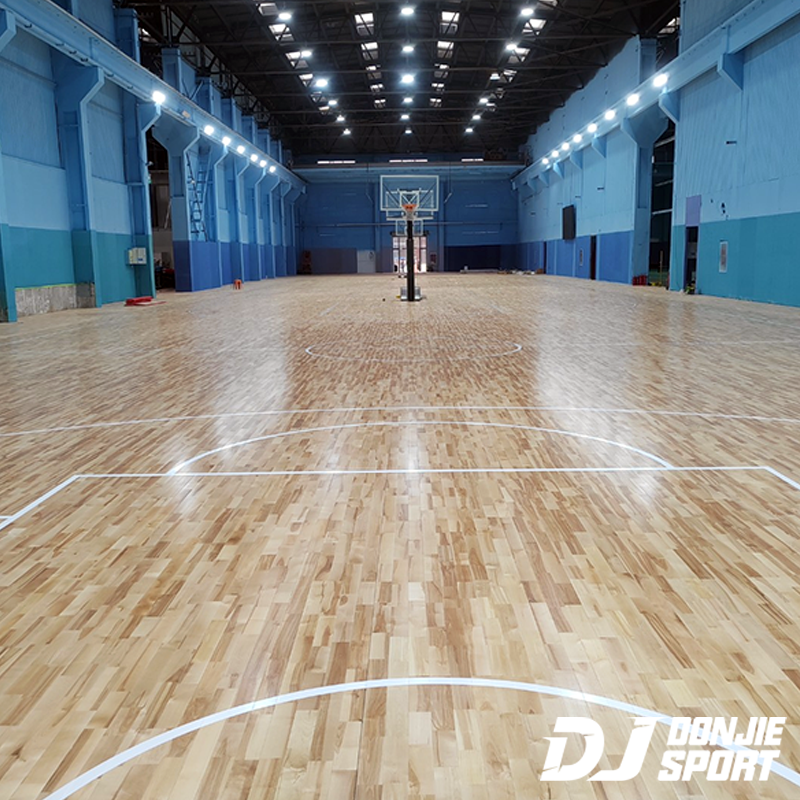
Wood Sport Floors are specially designed hardwood flooring systems made for indoor sports arenas and training facilities. These floors are engineered to provide superior traction, comfort, and durability, essential for high-performance environments. Typically constructed using solid hardwood or engineered wood, they are designed to withstand heavy foot traffic and intense physical activity.
Materials and Construction: How They’re Made
Wood Sport Floors are crafted using premium materials like maple, oak, or beech, which offer excellent durability and shock-absorption properties. The construction process often involves multiple layers, with the surface layer made of high-quality hardwood and an underlayer that adds additional resilience and flexibility. These floors are finished with protective coatings to prevent damage from moisture, wear, and tear, ensuring their longevity.
The Key Advantages of Wood Sport Floors
Durability and Longevity
One of the primary reasons Wood Sport Floors are so highly regarded is their unmatched durability. These floors are built to last, with a lifespan that can span decades when properly maintained. Unlike synthetic alternatives, which may degrade over time, wood floors retain their integrity even after years of use, making them a solid long-term investment.
Enhanced Traction for Player Safety
Safety is paramount in any sporting environment, and Wood Sport Floors provide optimal traction for athletes. The natural texture of wood enhances grip, reducing the risk of slipping or injuries during rapid movements. Whether it’s basketball, volleyball, or badminton, players can perform their best while feeling secure on the court.
Shock Absorption and Injury Prevention
The unique properties of wood also offer superior shock absorption, which helps in preventing injuries such as sprains, strains, and joint stress. The wood’s natural elasticity provides a cushion that absorbs impact, giving athletes a safer surface to play on compared to harder surfaces like concrete or tile.
Aesthetic Appeal and Customization Options
In addition to their performance benefits, Wood Sport Floors offer exceptional aesthetic value. The classic look of wood enhances the ambiance of any indoor sports venue. With customizable finishes and designs, wood floors can be tailored to match the branding of a facility, making them a visually appealing choice for sports venues of all types.
How Wood Sport Floors Improve Athlete Performance
The Role of Flexibility in Movement
Wood Sport Floors are designed to support the dynamic movements athletes make. The natural flexibility of the wood allows players to pivot, jump, and sprint with ease, offering a responsive surface that maximizes performance. The slight give in the floor ensures that every movement is supported, enabling athletes to execute their best plays.
Optimized Surface for Various Sports
Whether it’s basketball, volleyball, or other court sports, Wood Sport Floors provide a versatile surface that suits different activities. The uniformity of the wood surface ensures a consistent bounce for balls, while its stability allows for the diverse range of movements required by athletes in various sports.
Athlete Comfort and Focus
Wood floors also offer a comfortable playing surface that helps athletes maintain focus during intense games. The cushioned, yet firm surface minimizes fatigue, allowing players to stay energized throughout their performance, which is crucial for long matches or training sessions.
Wood Sport Floors vs. Other Flooring Options
Comparing Wood with Synthetic Materials
While synthetic floors like vinyl and rubber are commonly used in sports facilities, Wood Sport Floors stand out for their superior benefits. Synthetic floors may offer some durability, but they often lack the natural feel and performance advantages that wood provides. Additionally, synthetic materials may not have the same level of shock absorption, which can impact an athlete’s comfort and safety during physical activity.
The Unique Benefits of Wood Over Alternatives
Wood is a timeless, premium material that offers a combination of beauty, performance, and longevity that synthetic options simply cannot replicate. The natural ability of wood to absorb impact, coupled with its aesthetic appeal, makes it an ideal choice for sports facilities that prioritize both functionality and design.
Installation and Maintenance of Wood Sport Floors
Step-by-Step Installation Process
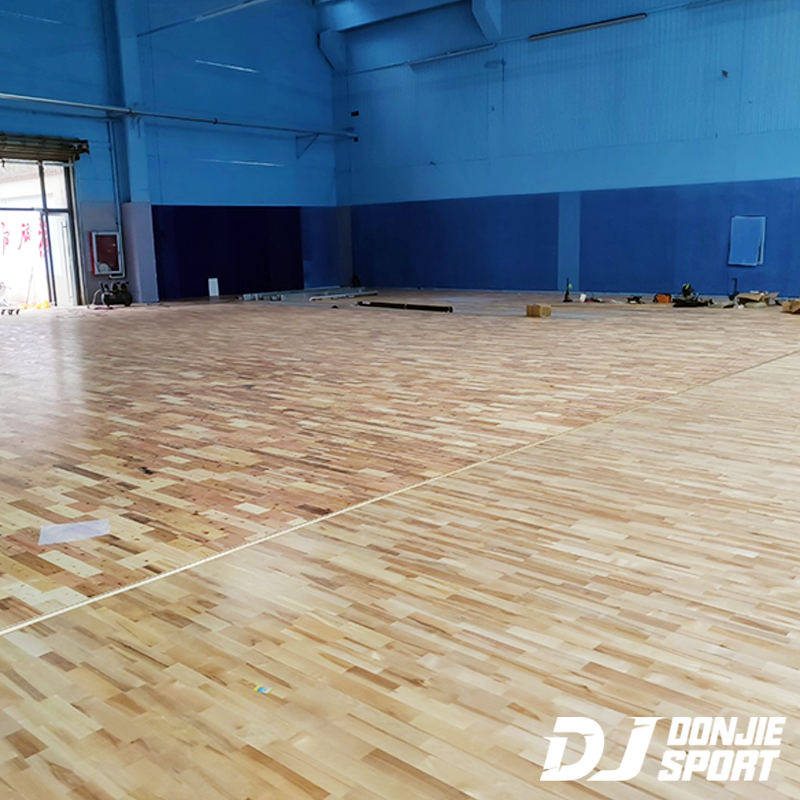
Installing Wood Sport Floors requires specialized knowledge and precision. The process typically involves preparing the subfloor, laying down the wooden panels, and securing them with nails or adhesive. A professional installer ensures that the floor is perfectly aligned, level, and ready for high-performance use.
Maintenance Tips for Longevity
To keep Wood Sport Floors in optimal condition, regular maintenance is essential. This includes periodic cleaning, refinishing, and resealing to protect the wood from wear and moisture damage. Proper care can significantly extend the lifespan of the floor and maintain its appearance and functionality.
Cost Considerations and ROI
While the initial investment in Wood Sport Floors may be higher than synthetic alternatives, the long-term benefits make it a wise choice for many facilities. The durability, safety features, and aesthetic value of wood flooring provide excellent return on investment, especially for venues with heavy usage.
The Environmental Impact of Wood Sport Floors
Sustainability and Eco-Friendly Practices
Wood Sport Floors are made from renewable resources, and many manufacturers source their wood from sustainable forests. This makes them a more eco-friendly option compared to synthetic materials that may involve harmful chemicals and processes. Additionally, wood floors can be recycled or repurposed at the end of their lifespan, reducing waste.
Recyclability and Resource Efficiency
Wood floors are often produced using sustainable practices, including the use of reclaimed or repurposed wood. This minimizes the environmental impact of the flooring production process while ensuring that valuable resources are used efficiently.
Conclusion
Why Choose Wood Sport Floors for Your Facility
The benefits of Wood Sport Floors are clear: they provide unmatched durability, safety, and performance for indoor courts. Whether you’re building a new facility or upgrading an existing one, wood is an excellent choice for any athletic venue.
The Future of Indoor Sports Surfaces
As the demand for high-quality sports flooring continues to grow, Wood Sport Floors are likely to remain the top choice for athletic facilities worldwide. With their superior performance and environmental benefits, wood floors are set to play a major role in the future of indoor sports venues.