Sport floors have come a long way from the basic surfaces of the past. In earlier years, athletic venues often used concrete or asphalt, which provided little to no cushioning, making it hard for athletes to perform at their best. Over time, technology and design advancements have led to a variety of materials being used for indoor sports venues, with wood sport floors emerging as a top contender for high-performance arenas.
Wood has long been valued for its natural beauty and functionality, but when it comes to athletic performance, hardwood sport floors stand out as one of the best choices. They combine both aesthetics and practical benefits, which is why they are the flooring of choice for many professional courts, gyms, and training facilities.
The Benefits of Wood Sport Floors
When choosing the right flooring for a sports facility, several factors come into play. Wood sport floors offer numerous benefits that make them a top choice for gyms, basketball courts, volleyball courts, and other athletic venues. Here’s why they are worth the investment:
Natural Aesthetics
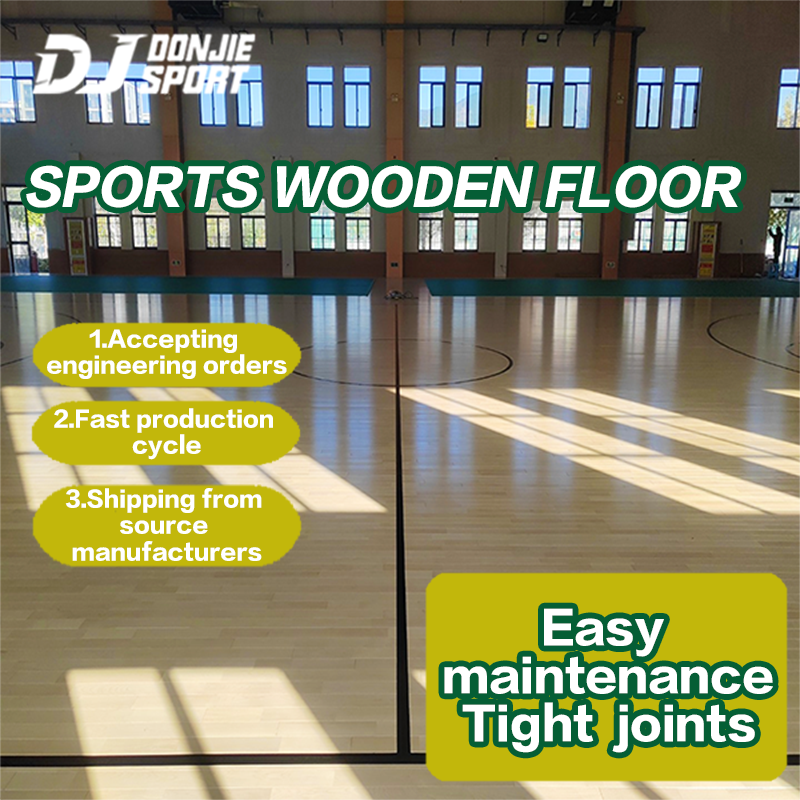
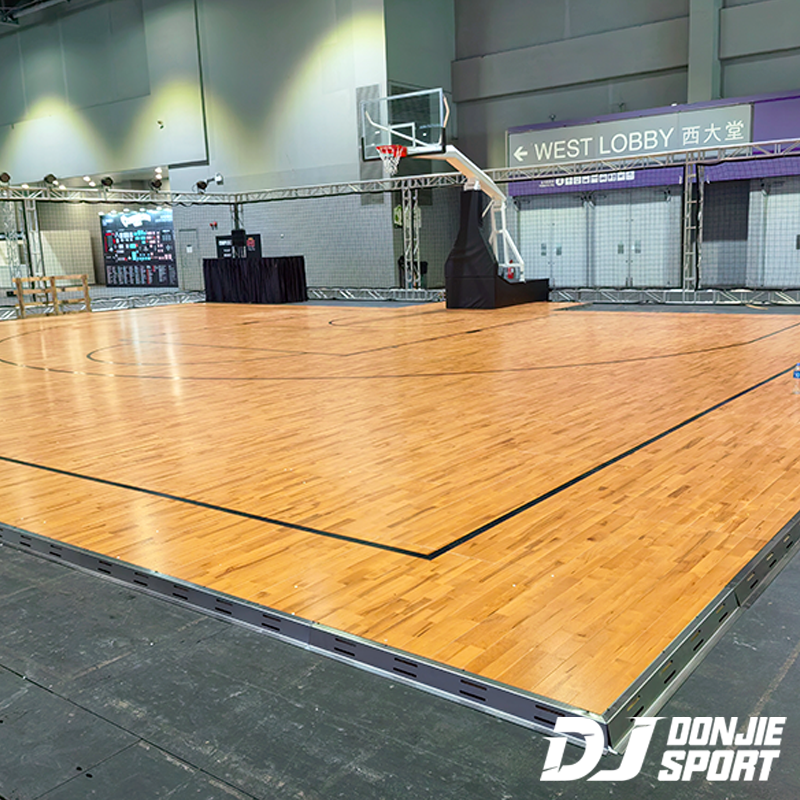
Wood has a timeless, natural appeal that instantly elevates the aesthetic of any sports facility. Its rich tones and smooth finish create an inviting, professional atmosphere that resonates with athletes and spectators alike. Unlike synthetic options, wood sport floors have an organic feel that can help create a more engaging environment, enhancing the overall experience for both players and fans.
Durability
Wood sport floors are known for their long-lasting durability. When properly maintained, they can last for decades, making them a sound long-term investment for sports facilities. Hardwood is inherently resistant to wear and tear, and with the right surface treatment, it can withstand heavy foot traffic, high-impact movements, and even the wear from sports equipment like basketball shoes and volleyballs.
Comfort
One of the most crucial factors for any sports flooring is how it impacts player performance and safety. Wood sport floors are engineered to offer the perfect balance of shock absorption and rebound, providing a comfortable surface that minimizes the risk of injury. The natural flexibility of wood helps to reduce stress on joints, which is essential for athletes who frequently engage in high-intensity movements. This makes wood floors particularly beneficial for training and professional-level competitions, where comfort and injury prevention are paramount.
Customization
Wood sport floors can be customized in terms of color, finish, and pattern, making them highly versatile. Whether you’re looking to match your facility’s branding or create a unique look for a specific venue, wood floors provide endless design possibilities. Additionally, wood is a material that can be easily refinished, ensuring that your floors maintain their aesthetic and functional qualities over time.
Wood Sport Floors vs. Other Flooring Options
While there are various types of flooring available for sports facilities, wood floors stand out for their unique blend of performance, aesthetics, and comfort. Here’s how they compare to other popular flooring options:
Synthetic Floors
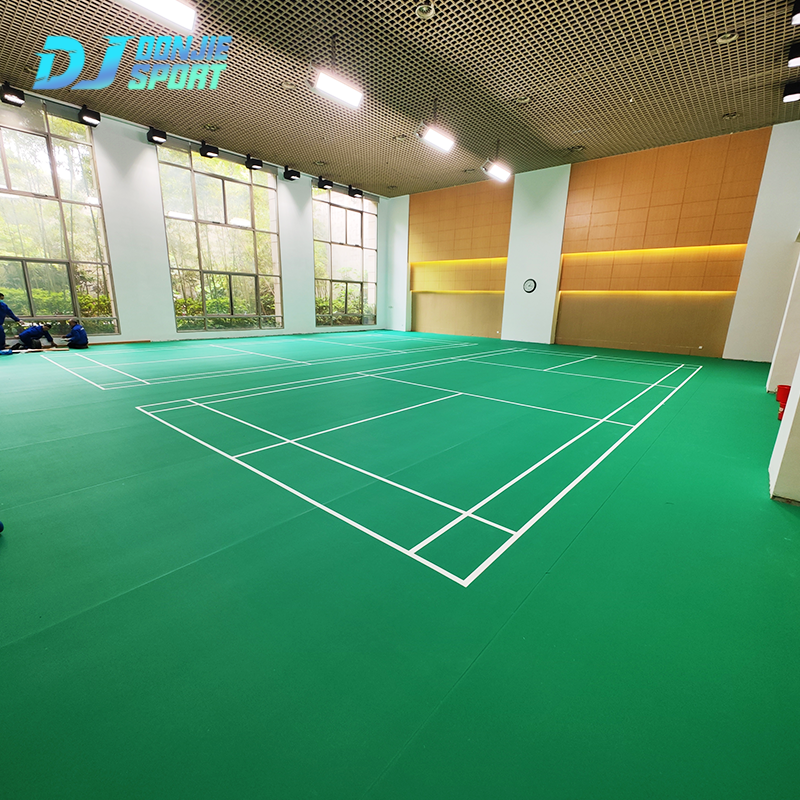
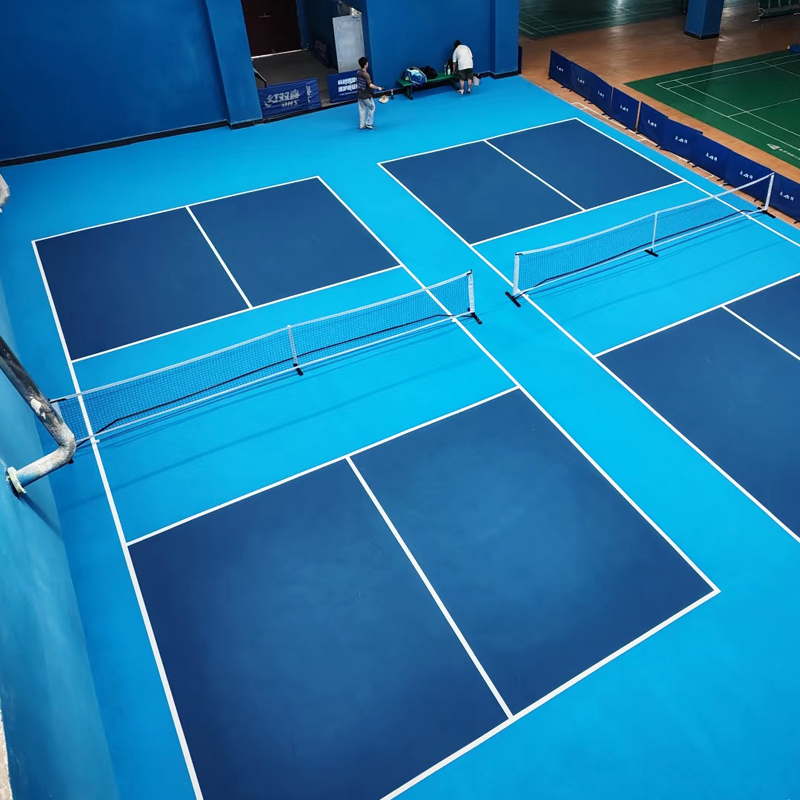
Synthetic floors, such as vinyl or rubber, are often seen as cost-effective alternatives to wood. However, they typically lack the aesthetic appeal and the natural feel of wood. While synthetic surfaces may offer some level of shock absorption, they don’t provide the same level of comfort and performance as wood. Additionally, synthetic flooring can wear out faster, especially under heavy use.
Rubber Floors
Rubber flooring offers good durability and shock absorption, making it a popular choice for gyms and fitness centers. However, rubber floors often lack the aesthetic quality and elegance that wood floors provide. They also tend to be less responsive in terms of player performance, with some players reporting that rubber floors feel “too soft” or “spongy” for certain sports.
In contrast, wood floors maintain a perfect balance between performance and comfort. They’re designed to be resilient enough to absorb impact while also providing a firm surface that enhances player movement, making them the top choice for many high-performance sports environments.
The Technology Behind High-Performance Wood Sport Floors
High-performance wood sport floors are the result of years of engineering and technological innovation. Modern wood floors are designed with multiple layers and treatments to enhance their performance. Here’s how advanced technology is making wood floors even better:
Engineered Wood Layers
The majority of high-performance wood sport floors are constructed with engineered wood. This construction process involves combining several layers of wood to create a durable, stable surface. The multiple layers help prevent warping and expansion, which can occur due to moisture and temperature fluctuations in the environment. Engineered wood also improves shock absorption and ensures that the floor remains level over time.
Surface Finishes
Wood floors are treated with special surface finishes that provide durability and resistance to abrasion. Modern finishes are designed to enhance the wood’s natural look while also protecting it from damage caused by foot traffic, spills, and sports equipment. These finishes are also designed to maintain the grip and traction needed for athletic performance, ensuring that players can move quickly and safely on the surface.
Why Coaches and Athletes Prefer Wood Sport Floors
Coaches and athletes alike appreciate the performance benefits that wood sport floors provide. Feedback from professionals in a variety of sports highlights the reasons why wood floors are preferred over other options:
Enhanced Performance
Wood floors are known for their ability to improve athletic performance. The shock-absorbing qualities of wood reduce the impact on players’ joints, which is especially important for athletes who perform repetitive movements like jumping, pivoting, and landing. This makes wood floors ideal for high-impact sports such as basketball, volleyball, and gymnastics.
Injury Prevention
One of the most significant advantages of wood floors is their ability to reduce the risk of injury. The natural shock absorption provided by wood floors helps to prevent strains, sprains, and stress-related injuries, making them a safer option for athletes at all levels. This is particularly important in training environments, where athletes are putting their bodies to the test day in and day out.
The Installation Process and Maintenance of Wood Sport Floors
While wood sport floors are designed to last, they require proper installation and maintenance to ensure longevity and optimal performance.
Installation Process
Installing a wood sport floor involves several key steps, including preparing the subfloor, laying the wood planks, and securing them in place. The flooring is then treated with a protective surface finish that enhances durability and performance. Proper installation is crucial to ensure that the floor remains level and stable over time.
Maintenance Tips
Maintaining wood floors is relatively straightforward. Regular cleaning, refinishing, and periodic inspection are essential to keeping the surface in top condition. Wood floors should be cleaned regularly to remove dirt and debris, and refinishing should be done every few years to restore the surface and prevent wear. Wood floors also require proper humidity control to prevent expansion and contraction.
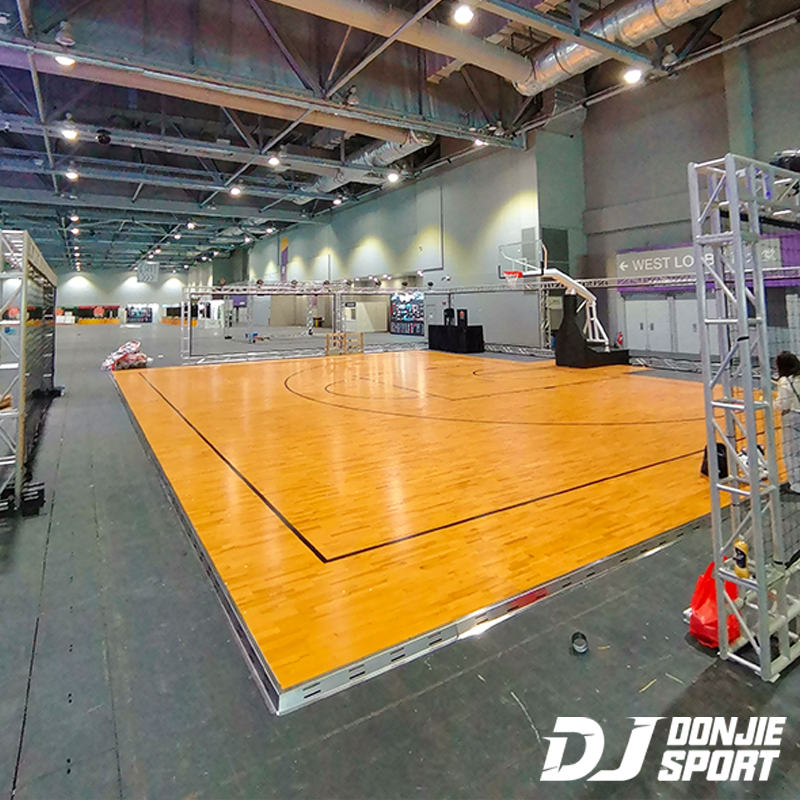
The Cost-Benefit Analysis: Is a Wood Sport Floor Worth the Investment?
While the initial cost of installing a wood sport floor can be higher than other flooring options, the long-term benefits far outweigh the upfront investment. A well-maintained wood sport floor can last for decades, providing excellent performance and aesthetics throughout its lifespan.
When comparing the costs of wood floors to other materials, it’s important to consider the long-term value. Wood floors tend to have a longer lifespan and require fewer repairs and replacements compared to synthetic floors. The positive impact on player performance and safety also adds significant value, making wood floors an excellent choice for facilities that want to provide the best possible environment for athletes.
Making the Right Choice for Your Sports Facility
Wood sport floors are more than just a flooring option—they are an investment in performance, safety, and aesthetics. Whether you’re outfitting a professional arena, a school gymnasium, or a training facility, wood sport floors offer unparalleled benefits in terms of durability, comfort, and design flexibility. The investment in a high-performance wood floor will not only enhance the athletic experience for players but also elevate the reputation of your facility.