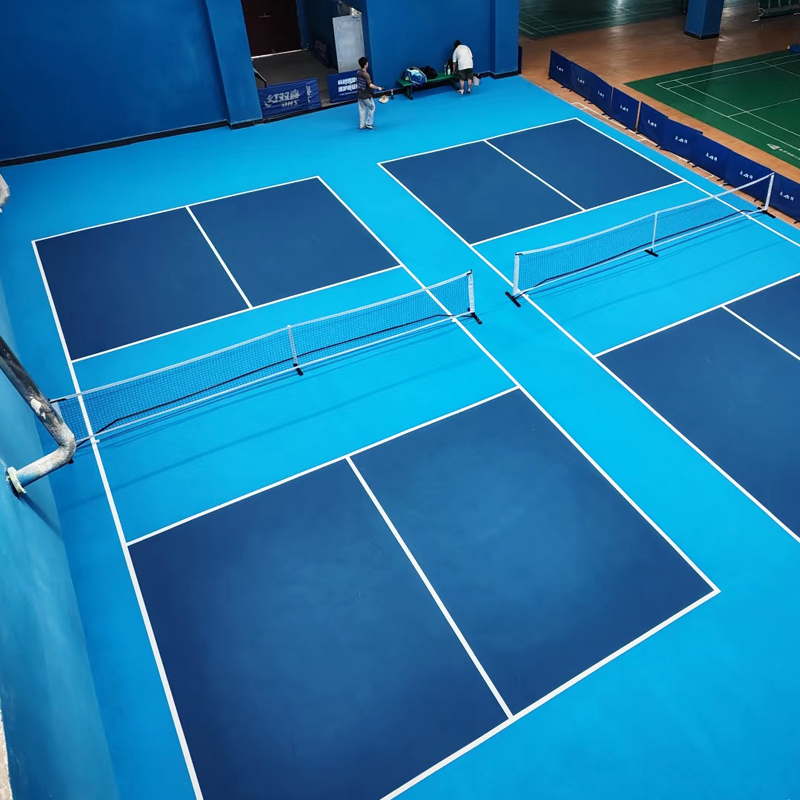
In recent years, the sports industry has seen a significant shift toward sustainability. As more sports arenas and facilities strive to reduce their environmental impact, the demand for sustainable building materials has grown. One such material that has been gaining attention is wood sport flooring. Not only is it an eco-friendly alternative to synthetic materials, but it also provides numerous performance and aesthetic benefits for modern sports arenas.
Wood sport floors have become a preferred choice for many top-tier venues, offering a sustainable solution without compromising on quality or performance. In this article, we will explore why wood sport floors are the ideal sustainable choice for modern sports arenas, from their environmental benefits to their exceptional performance and aesthetic appeal.
The Rise of Sustainability in Sports Facilities
Sustainability has become a key focus in the design and construction of sports facilities worldwide. As the environmental impact of traditional building materials continues to come under scrutiny, sports venue owners, architects, and planners are looking for alternatives that minimize harm to the planet. This has led to the increased adoption of sustainable materials, including wood, for various applications in sports arenas.
Wood, with its natural qualities and eco-friendly reputation, has gained prominence as a top choice for flooring solutions. As sports venues strive to meet green building certifications and reduce their carbon footprints, wood sport floors have emerged as a sustainable solution that aligns with these goals. Not only does wood offer significant environmental benefits, but it also contributes to healthier indoor environments for athletes and spectators alike.
What Makes Wood Sport Floors a Sustainable Choice?
The sustainability of wood sport floors lies primarily in the material’s renewable nature. Unlike synthetic flooring options, which often rely on non-renewable resources, wood is biodegradable and can be sourced responsibly through certified forestry practices. Many wood sport flooring manufacturers use timber from Forest Stewardship Council (FSC) or Programme for the Endorsement of Forest Certification (PEFC) certified forests, ensuring that the wood is harvested in a way that supports the long-term health of forests and the environment.
Furthermore, wood floors are known for their exceptional durability. A well-maintained wood floor can last for decades, significantly reducing the need for frequent replacements, which are common with other types of flooring. This longevity translates to less waste and a lower overall environmental impact, making wood sport floors a sound investment for sustainable sports facilities.
Environmental Benefits of Wood Sport Floors
Wood sport floors offer several environmental benefits, making them a standout choice for eco-conscious sports arenas. One of the primary advantages is wood’s ability to sequester carbon. As trees grow, they absorb carbon dioxide from the atmosphere, helping to mitigate climate change. Even after the timber is processed into flooring, it continues to store carbon, contributing to the reduction of greenhouse gases.
Compared to synthetic flooring options, wood floors generally have a smaller environmental footprint. The production of wood flooring consumes less energy and generates fewer carbon emissions than the manufacturing processes involved with plastic or rubber-based alternatives. Additionally, wood is naturally resistant to certain pollutants, promoting better indoor air quality and healthier environments for athletes and spectators alike.
Performance and Safety: The Perfect Blend for Modern Arenas
While sustainability is a driving factor, the performance of wood sport floors is another reason for their popularity. Wood floors are renowned for their ability to enhance athletic performance, providing a stable yet slightly flexible surface. The natural properties of wood allow for shock absorption, which helps reduce the strain on players’ joints, ligaments, and muscles during high-impact activities.
This shock-absorbing quality is especially crucial in sports like basketball, volleyball, and badminton, where quick movements and jumping are frequent. Wood sport floors meet the international safety standards for sports flooring, ensuring a safe playing surface that minimizes the risk of injuries. The consistent and predictable surface also allows athletes to perform at their best, whether they are competing at an elite level or training for personal goals.
Aesthetic Appeal and Versatility
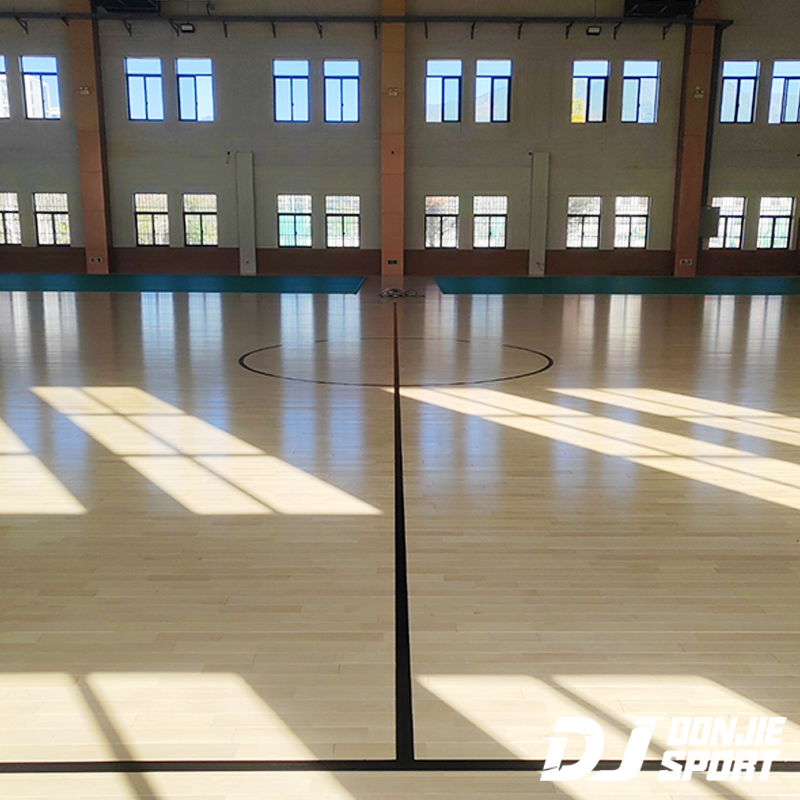
In addition to their functional benefits, wood sport floors are visually appealing. The natural grain and warm tones of wood add an element of sophistication to any arena. This aesthetic quality makes wood flooring a popular choice for sports venues that host a variety of events, from athletic competitions to concerts and community gatherings.
Wood sport floors also offer a high degree of customization. The color, finish, and pattern of the wood can be tailored to match the branding of a team, organization, or venue. This versatility allows sports facility owners to create an environment that aligns with their vision while still providing a top-tier performance surface for athletes.
Cost-Effectiveness Over Time
While the initial investment for wood sport floors may be higher than synthetic alternatives, the long-term value of wood flooring cannot be overstated. With proper maintenance, wood floors can last for decades, reducing the need for costly replacements or repairs. The durability and low maintenance requirements of wood flooring make it a more cost-effective solution in the long run.
Wood floors are also easy to repair. If a section of the floor is damaged, it can be refinished, buffed, or replaced without needing to redo the entire surface. This versatility in maintenance ensures that wood floors remain in top condition for many years, offering excellent return on investment.
Case Studies of Successful Wood Sport Floor Installations
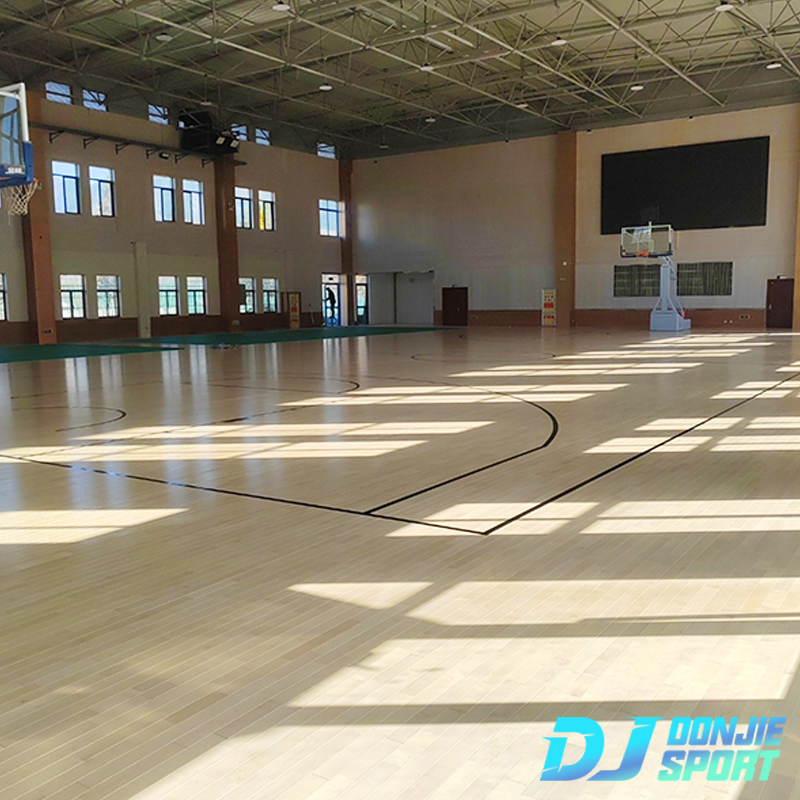
Numerous high-profile sports arenas around the world have embraced wood sport floors for their sustainability and performance benefits. For example, many basketball courts and volleyball arenas use wood floors to enhance player performance while creating a visually stunning environment. Facilities like the Madison Square Garden and Barclays Center in New York are known for their high-quality wood sport floors, which contribute to both aesthetic appeal and athlete performance.
In addition to professional sports venues, wood sport floors are also a popular choice for schools, universities, and multi-purpose recreational centers. The ability to customize wood floors to suit various sports and events makes them ideal for facilities that host a range of activities.
Future of Wood Sport Floors in Sports Arenas
The future of wood sport floors looks promising as technology continues to advance. Innovations in wood flooring technology are making the material even more durable, sustainable, and easy to maintain. With growing interest in eco-friendly building materials and sustainability, wood sport floors are poised to remain a top choice for modern sports arenas.
Moreover, the increasing demand for LEED-certified (Leadership in Energy and Environmental Design) and other green building certifications means that more sports venues are looking to incorporate wood into their designs. As the industry continues to prioritize sustainability, the role of wood sport floors in the future of sports arenas will only become more significant.
Conclusion
Wood sport floors provide a sustainable, high-performance solution for modern sports arenas. Their environmental benefits, combined with exceptional durability, safety, and aesthetic appeal, make them an ideal choice for venues looking to reduce their ecological footprint without sacrificing quality. As the demand for eco-friendly materials continues to rise, wood sport floors will remain at the forefront of sustainable sports infrastructure.