As the world becomes more conscious of sustainability, the demand for eco-friendly materials has increased across all industries, including sports. In modern sports facilities, the flooring choice is one of the most important decisions for creating a safe, high-performance environment for athletes. Indoor wooden sports flooring stands out not only for its aesthetic appeal and durability but also for its eco-friendly benefits.
In this article, we’ll explore why indoor wooden sports flooring is the ideal choice for sports facilities seeking to combine sustainability with performance. From renewable sourcing to low carbon footprints, let’s dive into how wooden flooring contributes to a greener, more efficient sports venue.
The Environmental Benefits of Indoor Wooden Sports Flooring
Renewable Resources: Sustainable Sourcing of Wood
Indoor wooden sports flooring is primarily made from hardwoods that are sourced from sustainable forests. These forests are responsibly managed to ensure they are replenished and preserved for future generations. Unlike synthetic flooring materials, which are made from petroleum-based products, wood is a natural resource that can be harvested and regrown, making it a renewable choice for any sports facility.
Low Carbon Footprint of Wood Flooring
One of the biggest environmental advantages of wood is its ability to act as a carbon sink. Trees absorb carbon dioxide during their growth, and when used in flooring, wood continues to store carbon throughout its lifespan. This means that choosing indoor wooden sports flooring helps offset greenhouse gas emissions, making it a low carbon footprint option compared to other materials like plastic or vinyl.
Biodegradable and Non-Toxic Materials
Unlike synthetic flooring options that can take hundreds of years to decompose and may release harmful chemicals, wood is biodegradable. At the end of its lifecycle, wooden flooring can be recycled or composted, returning to the earth without causing harm to the environment. Furthermore, indoor wooden sports flooring is typically free from harmful chemicals like phthalates and VOCs, ensuring a healthier indoor air quality for athletes and facility users.
The Environmental Benefits of Indoor Wooden Sports Flooring
Durability and Longevity of Wooden Sports Flooring
Indoor wooden sports flooring is renowned for its durability and ability to withstand heavy use, even in high-traffic sports environments. Unlike cheaper alternatives that may degrade over time, wooden flooring is designed to last for decades with proper maintenance. The wood’s natural strength ensures that it can handle the wear and tear of various sporting activities, from basketball to volleyball, without compromising performance.
Wooden floors are engineered to resist scratching, scuffing, and denting, maintaining their aesthetic appeal even after years of use. Furthermore, the resilience of wood means fewer replacements and repairs are required, which not only saves money but also reduces the need for manufacturing new flooring materials—an added eco-benefit.
Resilience Against Wear and Tear in High-Traffic Sports Facilities
Indoor wooden sports flooring is built to endure the constant foot traffic and dynamic movements typical of sports arenas. The layers of finish and protective coatings on wooden floors further enhance their resistance to abrasions and impacts. Unlike some synthetic options that can fade or become damaged quickly, wooden flooring retains its high-performance qualities for longer, making it a more sustainable investment for sports facilities.
Performance Benefits of Indoor Wooden Sports Flooring
How Wooden Flooring Enhances Athlete Performance
Athletes often perform at their best when they are comfortable, and the right flooring can make all the difference. Indoor wooden sports flooring is specifically designed to enhance player performance by offering excellent grip, balance, and cushioning. The natural elasticity of wood provides athletes with better shock absorption, reducing the impact on their joints during intense physical activity.
This ability to absorb shock minimizes the risk of injury while also improving the overall playing experience. Whether it’s a professional basketball game or a community volleyball match, players can perform confidently on a surface that supports their movements and reduces strain.
Shock Absorption and Comfort for Active Users
Wooden sports floors are engineered to provide an ideal level of shock absorption. This feature is particularly crucial for sports that require constant jumping, pivoting, and quick directional changes, such as basketball and tennis. The comfort of the wood underfoot minimizes the pressure on athletes’ legs and back, preventing fatigue and injury during long hours of play.
The natural wood also has an inherent warmth, which is more comfortable compared to synthetic flooring materials that may feel colder or harder. This added comfort contributes to longer, more enjoyable training sessions and matches.
Aesthetic Appeal: Combining Functionality with Style
The Visual Impact of Wooden Flooring in Sports Venues
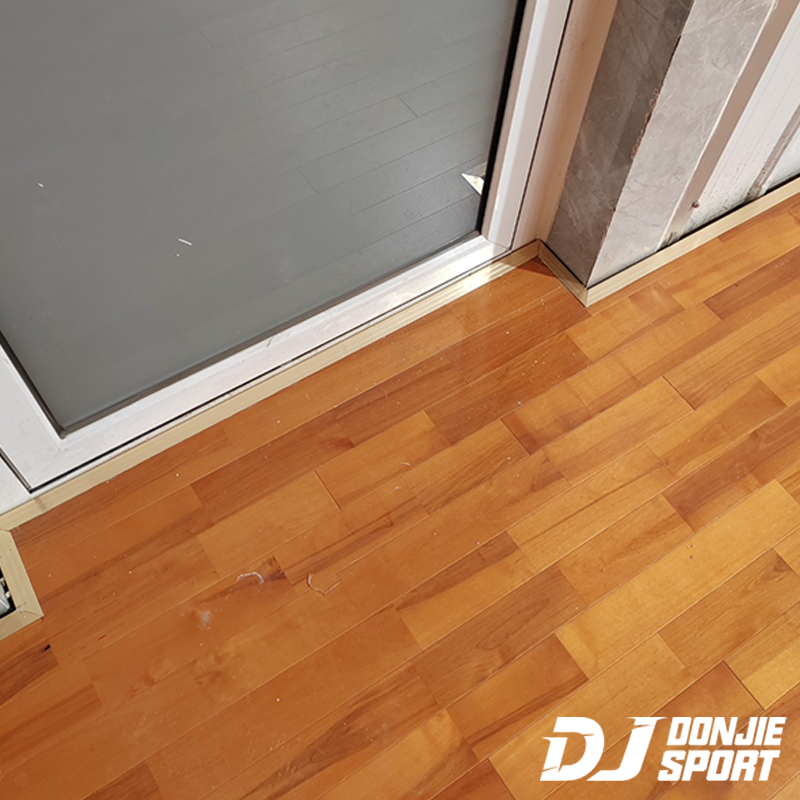
Indoor wooden sports flooring not only offers outstanding performance but also enhances the visual appeal of any sports facility. The natural grain patterns and rich tones of wood add a touch of elegance to the arena, making it a visually appealing space for athletes and spectators alike. Wooden flooring can complement a wide range of facility designs, from contemporary to traditional, creating a harmonious and inviting atmosphere.
Creating a Warm and Inviting Atmosphere in Modern Sports Facilities
Wooden flooring adds warmth and character to a sports venue, elevating the overall ambiance. Whether it’s an upscale basketball court, a professional volleyball arena, or a community fitness center, the beauty of wood adds to the facility’s prestige. The aesthetic appeal of wooden floors can also make sports venues feel less sterile and more welcoming, encouraging greater community involvement and engagement.
Easy Maintenance and Long-Term Cost Efficiency
Low Maintenance Requirements for Wooden Sports Flooring
One of the standout features of indoor wooden sports flooring is its low maintenance needs. Unlike some synthetic floors that require frequent cleaning, polishing, and treatment, wooden floors are relatively easy to care for. With periodic refinishing, wood floors maintain their beauty and durability for years. Regular sweeping and occasional mopping are typically all that’s needed to keep the floor in top condition.
This easy maintenance translates to time and cost savings for facility owners. With fewer repairs and replacements needed, the overall lifecycle costs of wooden sports flooring are much lower than those of synthetic alternatives, making it a wise long-term investment.
Cost Savings Over Time: Longevity and Minimal Upkeep
Although the initial installation cost of wooden sports flooring may be higher than that of some synthetic options, the long-term benefits far outweigh the upfront expense. The durability of wood means that the flooring won’t need to be replaced or repaired frequently. This translates into significant cost savings over the life of the flooring, making it a highly cost-effective choice for sports facilities.
Moreover, the energy efficiency and low maintenance costs associated with wooden floors contribute to the overall cost savings of running a sports venue. The materials themselves are not only more sustainable but also more economically viable in the long run.

How Indoor Wooden Sports Flooring Contributes to Sustainable Facility Design
Integrating Sustainability into Modern Sports Facility Construction
As sustainability becomes a key factor in modern construction, indoor wooden sports flooring plays a pivotal role in green building initiatives. Many sports facility designers and architects are choosing wood flooring for its eco-friendly properties, ensuring their projects meet sustainable design standards. Wood’s natural beauty and low environmental impact make it a go-to choice for facilities aiming to achieve sustainability certifications such as LEED (Leadership in Energy and Environmental Design).
The Role of Wooden Flooring in Green Building Standards
Wooden sports flooring can contribute significantly to meeting green building standards due to its renewable sourcing, low emissions, and overall minimal environmental footprint. The material’s ability to store carbon throughout its lifecycle further enhances its appeal as a sustainable building component. By incorporating wood into sports facility design, builders can ensure their projects align with global sustainability goals.
Making the Switch to Eco-Friendly Wooden Sports Flooring
Indoor wooden sports flooring is not just an aesthetically pleasing choice; it’s a forward-thinking, sustainable solution for modern sports venues. Its environmental benefits, durability, and ability to improve athlete performance make it the ideal flooring choice for facilities that prioritize both functionality and sustainability. As sports venues continue to evolve, embracing eco-friendly options like wooden flooring ensures a healthier, more sustainable future for athletes and the environment alike.
Embracing Eco-Friendly Solutions for the Modern Athlete
By selecting indoor wooden sports flooring, facility owners can make a lasting impact on their environmental footprint while providing athletes with the highest quality performance surface. The transition to wooden sports flooring is a step toward more sustainable, efficient, and aesthetically pleasing sports venues—setting the stage for a greener future in sports.