In recent years, the demand for multi-sport facilities has surged as athletes, schools, and recreational centers seek versatile spaces for a wide range of sports. From basketball to volleyball, and even indoor tennis, these facilities need durable, high-performance surfaces to accommodate diverse sporting activities. One of the best ways to meet these demands while ensuring long-term performance and safety is by choosing hardwood sports flooring.
When building or renovating a multi-sport venue, the flooring selection is more than just an aesthetic choice; it’s an investment in the longevity and functionality of the facility. Hardwood sports flooring is a proven solution for high-traffic areas, providing a solid foundation for athletic performance while being easy to maintain. In this article, we’ll explore why hardwood sports flooring is the smart choice for multi-sport facilities and how it can enhance your venue’s performance, safety, and overall value.
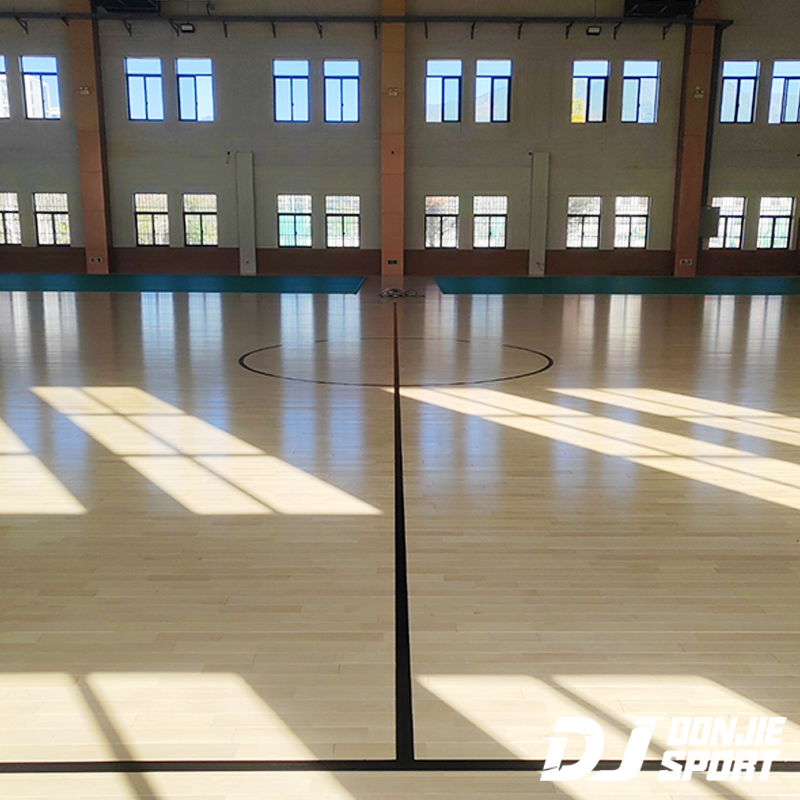
Section 1: Understanding Hardwood Sports Flooring
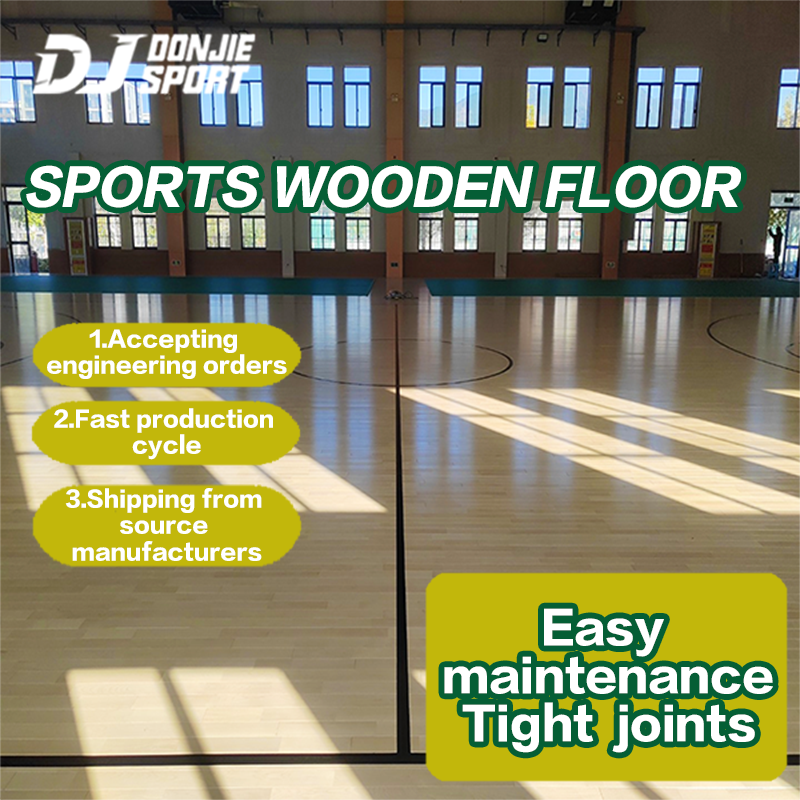
Hardwood sports flooring is specifically designed to meet the unique needs of athletic environments. Unlike traditional hardwood flooring used in homes, sports-grade hardwood flooring is engineered to provide optimal performance under the rigors of various sports. The most common hardwood used in sports flooring is maple, known for its durability, consistent grain, and shock-absorbing qualities. Other hardwood options such as oak are also used in certain applications depending on the specific requirements of the facility.
What sets hardwood sports flooring apart from other types of flooring is its ability to provide a consistent and reliable playing surface. Whether it’s basketball, volleyball, or indoor track and field, hardwood floors offer the perfect balance of smoothness and grip. The natural qualities of hardwood make it ideal for multi-sport venues, where the flooring must be capable of supporting diverse sporting activities.
Section 2: Durability and Longevity of Hardwood Sports Flooring
One of the primary reasons hardwood sports flooring is considered a smart investment is its exceptional durability. Unlike many synthetic options, hardwood floors can withstand years of high-intensity use without losing their integrity. The combination of its natural density and strength allows it to endure heavy foot traffic, frequent use of sports equipment, and the stresses of various sports activities.
Wood flooring can last for decades with proper care, making it a cost-effective option in the long term. In comparison to synthetic flooring materials that may require frequent repairs or replacement, hardwood flooring is designed to stand the test of time. Furthermore, if the surface starts to show signs of wear, it can be easily sanded down and refinished, restoring it to its original condition without the need for a full replacement.
Section 3: Safety and Performance Benefits
Safety is a crucial consideration in any sports facility, and hardwood sports flooring excels in this area. Hardwood is designed to absorb shock, which helps reduce the risk of injuries, such as sprains and fractures, that can result from falls or sudden movements. The cushioning effect provided by the wood allows athletes to perform at their peak without the fear of unnecessary strain or impact on their joints.
Additionally, hardwood sports floors provide an optimal level of traction, ensuring athletes can maintain control while moving quickly across the surface. This helps improve their performance by giving them the stability they need during games or practices. The combination of shock absorption and traction makes hardwood flooring a preferred choice for a wide variety of sports, offering both safety and top-tier performance.
Section 4: Easy Maintenance and Low Upkeep Costs
Maintaining hardwood sports flooring is straightforward, which adds to its appeal for multi-sport facilities. Unlike carpet or rubber flooring, hardwood requires minimal cleaning and upkeep. Regular sweeping and occasional mopping with a wood-safe cleaner are usually all that’s needed to keep the surface in good condition. The natural grain of the wood also resists dirt buildup, and its smooth surface makes it easy to clean after each use.
Repairs, when needed, are simple and cost-effective. Minor scratches or dents can be repaired with wood fillers, and, as mentioned earlier, hardwood floors can be sanded and refinished to remove deep wear marks, restoring their original appearance. This is far more cost-effective than replacing worn-out synthetic flooring materials, making hardwood an economical choice in the long run.
Section 5: Aesthetic Appeal and Versatility for Multi-Sport Facilities
Hardwood sports flooring offers more than just functional benefits—it’s also a visually appealing option for sports venues. The rich, natural grain of the wood provides a timeless aesthetic that enhances the atmosphere of any facility. Whether you’re designing a gymnasium for a high school or a professional multi-sport arena, the beauty of hardwood elevates the space, making it feel both professional and welcoming.
Moreover, hardwood flooring is highly versatile, capable of adapting to various sports needs. Whether it’s basketball, volleyball, badminton, or other indoor sports, hardwood provides a consistent and durable surface that enhances gameplay. Additionally, hardwood floors can be customized with different finishes, logos, and designs to match the branding and style of your facility, creating a polished, professional look.
Section 6: The Environmental and Sustainability Factor
Sustainability is an increasingly important factor when selecting materials for any new construction or renovation project, and hardwood flooring stands out in this regard. Many hardwood floors are sourced from sustainably managed forests, ensuring that the environmental impact is minimized. Moreover, hardwood is a renewable resource, making it an eco-friendly choice for building or renovating sports facilities.
When a hardwood floor reaches the end of its lifespan, it can be recycled, further contributing to its environmental benefits. By choosing hardwood sports flooring, you are making a sustainable choice that not only serves your facility but also supports responsible forestry practices and environmental preservation.
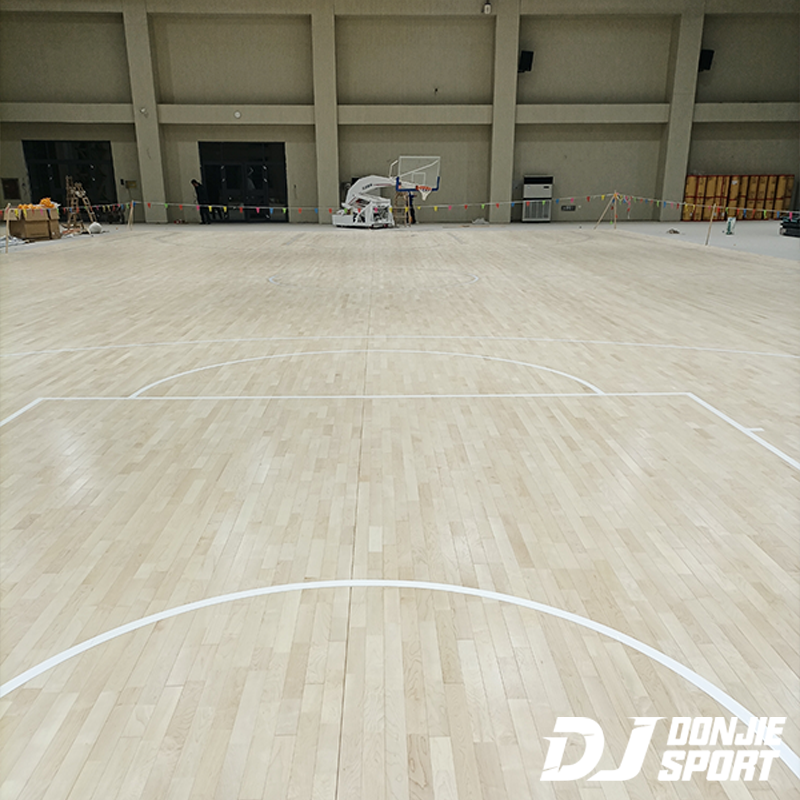
Section 7: The ROI of Hardwood Sports Flooring
The initial investment in hardwood sports flooring may be higher than some other options, but the long-term return on investment (ROI) makes it a smart financial decision. The durability and low maintenance costs of hardwood flooring ensure that the total cost of ownership remains low over time. Hardwood floors can last for decades, providing a stable and reliable surface for multiple sports seasons.
Additionally, the aesthetic appeal and performance benefits of hardwood flooring can increase the overall value of your sports facility. High-quality flooring can attract more users, improve player performance, and make your venue more desirable for events, thus increasing bookings and usage rates. In this way, hardwood flooring provides both tangible and intangible returns that far outweigh the initial cost.
Why Hardwood Sports Flooring Should Be Your Top Choice
Hardwood sports flooring offers a combination of durability, safety, aesthetic appeal, and long-term value that makes it the ideal flooring solution for multi-sport facilities. Whether you’re building a new sports venue or renovating an existing one, hardwood floors provide a smart investment that will pay off for years to come. From performance benefits to ease of maintenance and environmental considerations, hardwood sports flooring ticks all the boxes for modern sports facilities.