When setting up an indoor pickleball court, one of the most important decisions you’ll make is choosing the right flooring. The type of flooring you select can significantly impact the quality of play, player safety, and the longevity of the court itself. For a sport like pickleball, where players are constantly moving and the ball bounces at high speeds, the flooring must provide the ideal balance between durability, traction, and shock absorption.
In this guide, we’ll explore the best flooring options for indoor pickleball courts, focusing on their ability to withstand heavy use, provide a safe playing surface, and enhance overall performance. Whether you’re building a court for a recreational center, a community gym, or a professional venue, the right flooring will ensure that players enjoy a smooth, consistent, and safe game every time they step on the court.

Understanding the Unique Requirements of Indoor Pickleball Courts
Indoor pickleball courts are unique in that they require flooring that can withstand both the fast-paced nature of the game and the indoor environment. The right flooring type can not only enhance player performance but also ensure safety and longevity. Below are the key factors to consider when choosing flooring for indoor pickleball courts:
Durability
Pickleball courts experience a significant amount of foot traffic and constant ball impact. As a result, the flooring must be able to withstand repeated use without deteriorating. Flooring options like rubber and vinyl are known for their high durability, making them perfect choices for busy courts.
Grip and Traction
One of the most important qualities of a pickleball court floor is the level of grip it provides. Too much friction can cause players to trip or injure themselves, while too little can lead to slips. Flooring materials like rubber and interlocking tiles offer a balanced surface that ensures players have the right amount of traction without sacrificing comfort.
Shock Absorption
Pickleball involves a lot of quick movements, sudden stops, and changes in direction, which can put strain on players’ joints. A floor that offers adequate shock absorption can help reduce the impact on players’ knees, hips, and ankles. Rubber and polyurethane floors are particularly effective in this regard.
Maintenance
Maintenance is another key consideration. Floors that are easy to clean and maintain will save time and costs in the long run. Flooring materials like vinyl and interlocking tiles require minimal upkeep, while wood floors may need refinishing periodically.
Top Flooring Options for Indoor Pickleball Courts
Rubber Flooring for Indoor Pickleball Courts
Rubber flooring is a popular choice for indoor pickleball courts because of its durability, shock absorption, and non-slip surface. Rubber is highly resistant to wear and tear, making it ideal for high-traffic areas. Additionally, rubber floors offer excellent traction, which is essential for maintaining player stability and preventing injuries. The material’s natural ability to absorb shock also minimizes the strain on players’ joints, making it an excellent choice for both recreational and professional courts.
In terms of maintenance, rubber flooring is easy to clean and resistant to staining, which helps maintain the court’s appearance over time. It’s also available in a variety of colors and designs, allowing you to customize the court to fit your aesthetic preferences.
Vinyl Flooring for Indoor Pickleball Courts
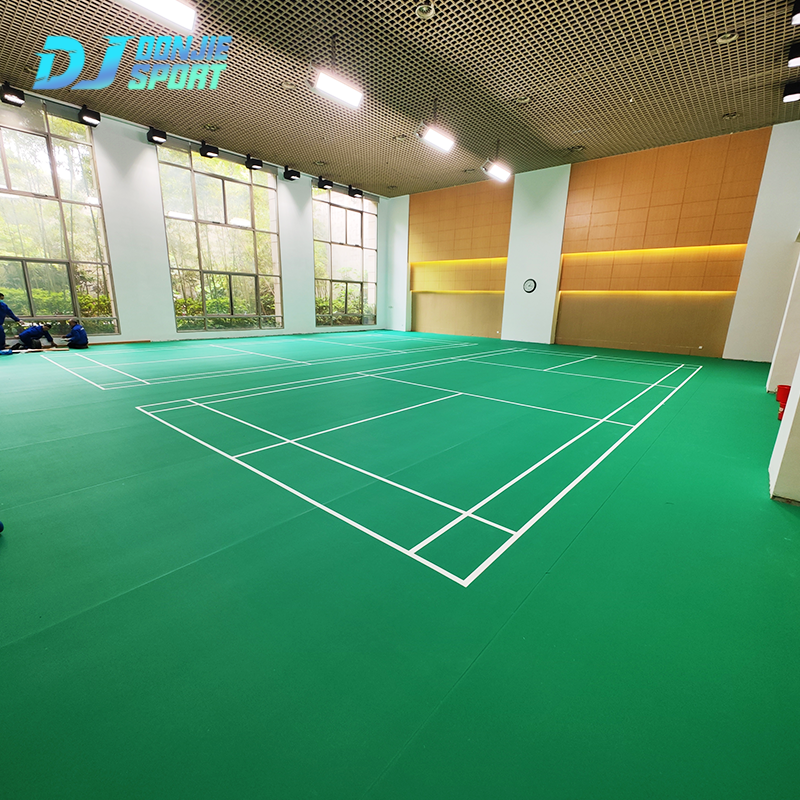
Vinyl flooring has gained popularity in indoor pickleball courts due to its affordability and versatility. It’s available in different patterns and textures, including options that mimic the appearance of wood or stone. Vinyl is known for its smooth surface, which provides consistent bounce for the ball and offers a comfortable surface for players.
Vinyl floors are also relatively easy to maintain and clean, making them a convenient option for busy courts. However, they may not offer the same level of shock absorption as rubber, so additional padding might be needed for enhanced comfort.
Wooden Flooring for Indoor Pickleball Courts
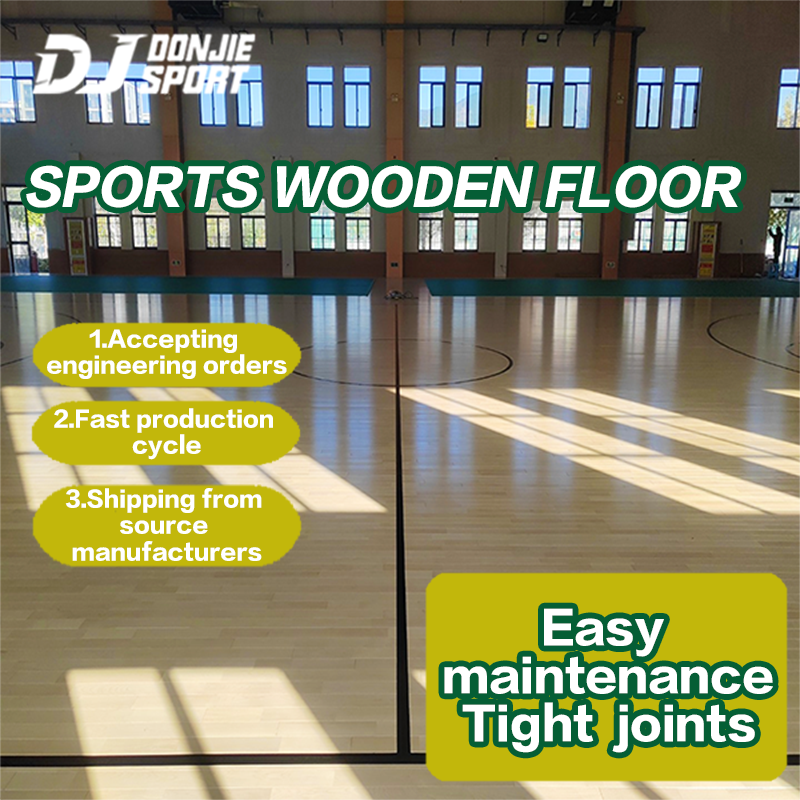
Wooden floors are a classic option for indoor sports courts. Known for their natural beauty and smooth surface, wood floors are commonly used in professional pickleball venues. Wooden flooring offers excellent ball bounce and smoothness, providing an enjoyable playing experience. The flexibility of wood also helps in reducing impact, which is beneficial for players’ joints.
However, wooden floors can be higher maintenance compared to other flooring types. They require regular polishing and are more susceptible to scratches and dents, especially in high-traffic areas. Proper care is essential to maintain the floor’s quality over time.
Polyurethane Flooring for Indoor Pickleball Courts
Polyurethane flooring is another high-performance option that is particularly suitable for sports courts. It is known for its smooth finish and excellent grip, making it ideal for indoor pickleball courts. Polyurethane floors provide exceptional durability and are resistant to chemicals, moisture, and abrasions, making them an excellent long-term investment.
In terms of performance, polyurethane floors offer a consistent bounce for the ball and great shock absorption, enhancing player comfort. However, this type of flooring tends to be more expensive compared to other options, making it more suitable for commercial or high-end pickleball facilities.
Interlocking Tiles for Indoor Pickleball Courts
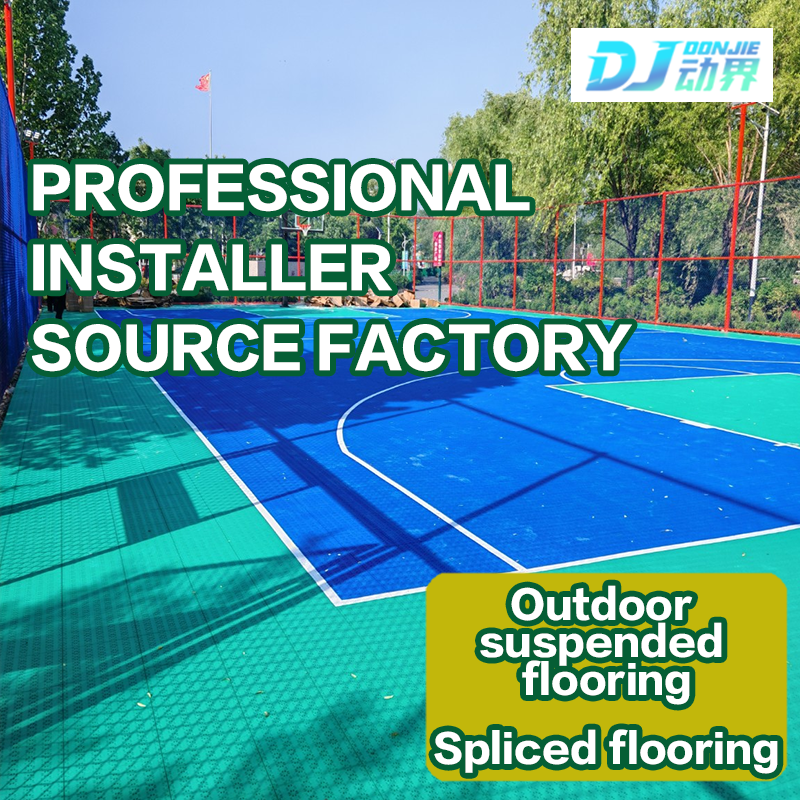
Interlocking tiles have become a popular choice for many indoor sports courts, including pickleball courts. These modular tiles are easy to install and can be replaced individually if damaged, which adds to their long-term cost-effectiveness. Interlocking tiles are made from durable materials like PVC or polypropylene, and they offer excellent grip and shock absorption.
The primary benefit of interlocking tiles is their flexibility. They can be customized to suit different court sizes and layouts. Furthermore, they require minimal maintenance and can be easily cleaned with regular sweeping and mopping. Interlocking tiles also provide a consistent and predictable playing surface, which is essential for indoor pickleball courts.
Factors to Consider When Choosing the Best Flooring for Your Indoor Pickleball Court
When selecting the best flooring for your indoor pickleball court, there are several additional factors to keep in mind:
The Climate and Its Impact on Flooring Choice
Indoor courts may experience temperature and humidity fluctuations, which can affect the performance and longevity of certain types of flooring. For instance, wooden floors may warp in humid environments, while rubber and vinyl flooring are less affected by these conditions.
Considerations for Frequent Use vs. Occasional Play
If your court will see frequent use, durability becomes even more important. Rubber, vinyl, and interlocking tiles are all excellent choices for high-traffic courts. For occasional play, wooden floors may provide a more aesthetic and traditional option, though they may require more maintenance.
Budget Considerations: Cost vs. Long-Term Investment
While wood and polyurethane flooring might have a higher initial cost, they could provide greater performance and longevity. On the other hand, materials like vinyl and rubber may be more affordable but still offer excellent value for money.
Maintenance and Cleaning Requirements
Regular cleaning and maintenance will ensure that the flooring remains in top condition. Materials like rubber and interlocking tiles require less maintenance compared to wood floors, which may need periodic refinishing.
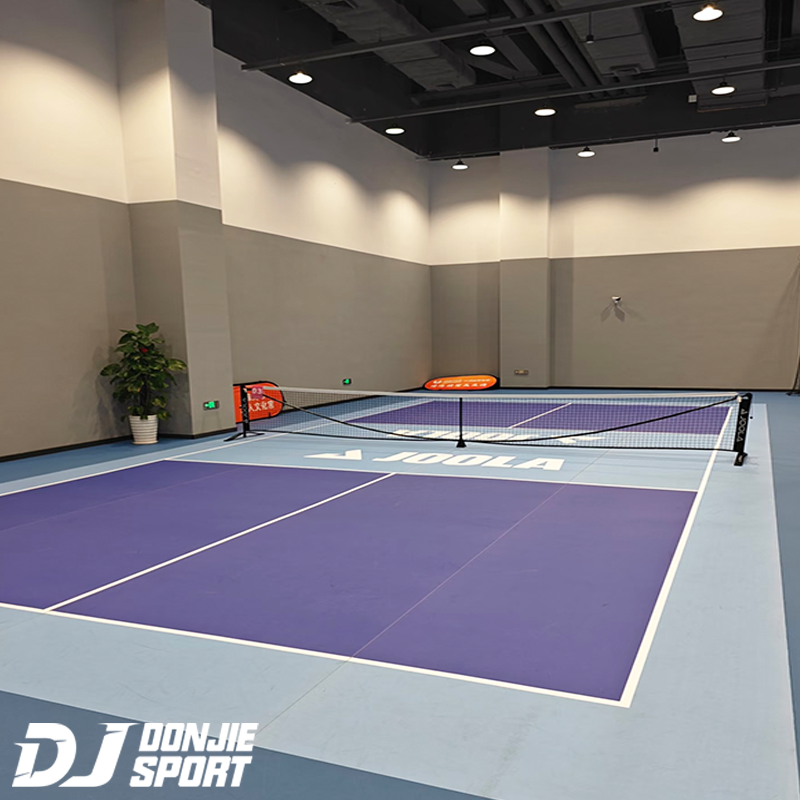
How to Maintain Indoor Pickleball Court Flooring for Longevity and Performance
To get the most out of your indoor pickleball court flooring, regular maintenance is essential. Here are some tips:
-
Rubber Flooring: Sweep regularly to remove dirt and debris. Clean with a mild soap solution and avoid harsh chemicals.
-
Vinyl Flooring: Sweep and mop the surface regularly to keep it clean. Use a mild cleaner to prevent damage to the surface.
-
Wooden Flooring: Polish wooden floors regularly and apply protective coatings to prevent wear. Use a soft broom and avoid water spills.
-
Polyurethane Flooring: Clean with a damp mop and avoid abrasive cleaners to preserve the finish.
-
Interlocking Tiles: Regularly sweep the tiles and clean with a damp mop. Replace individual tiles if they become damaged.
Choosing the Right Flooring for Your Pickleball Court
Selecting the best flooring for your indoor pickleball court depends on several factors, including performance, durability, maintenance, and budget. Each flooring type offers unique benefits, from the comfort and shock absorption of rubber to the aesthetic appeal of wood. By considering the specific needs of your court, you can choose a flooring option that enhances the play experience for everyone involved.