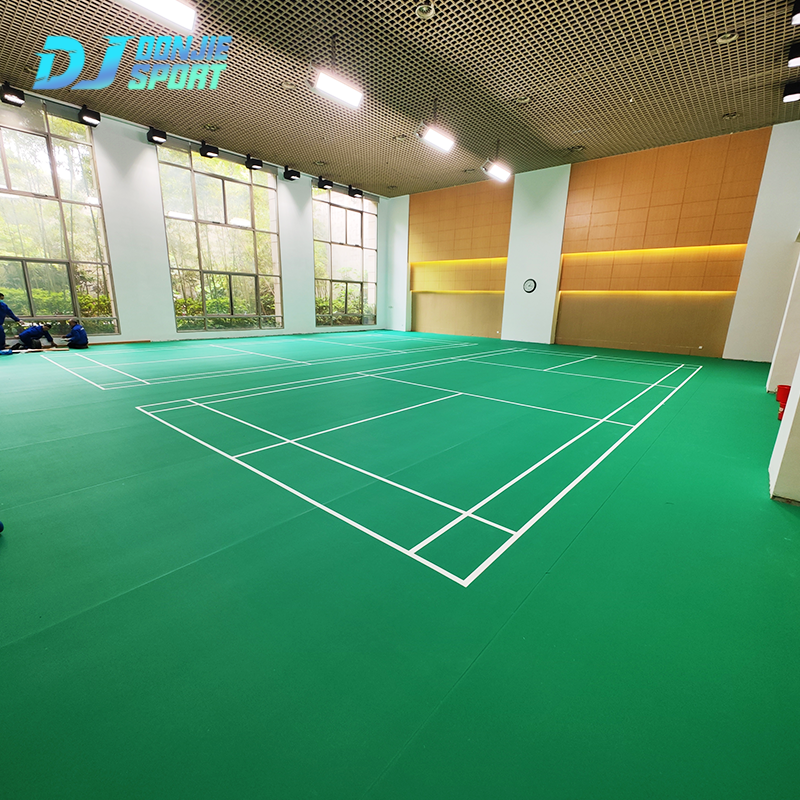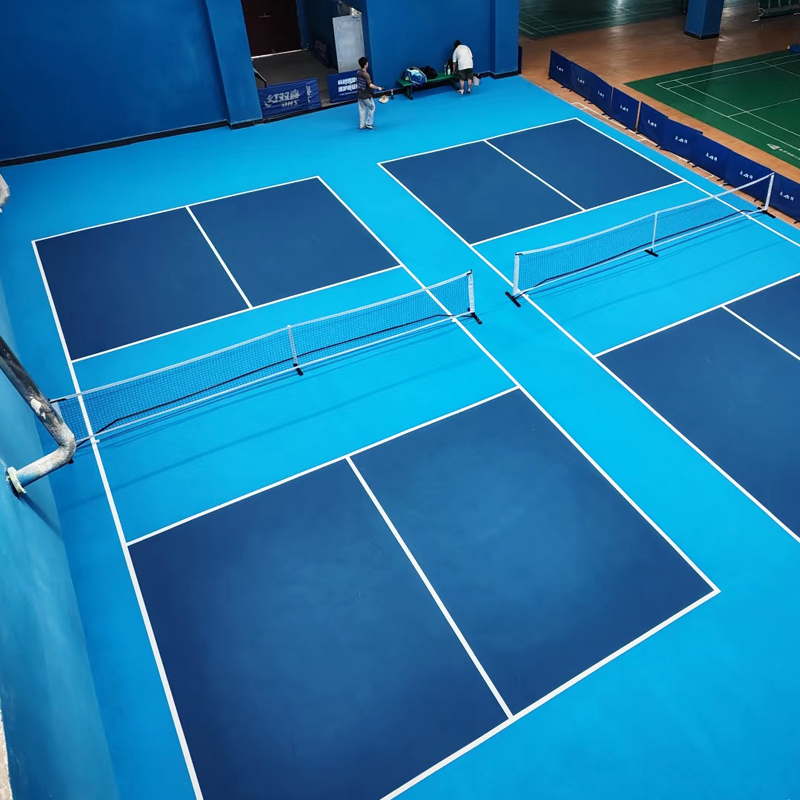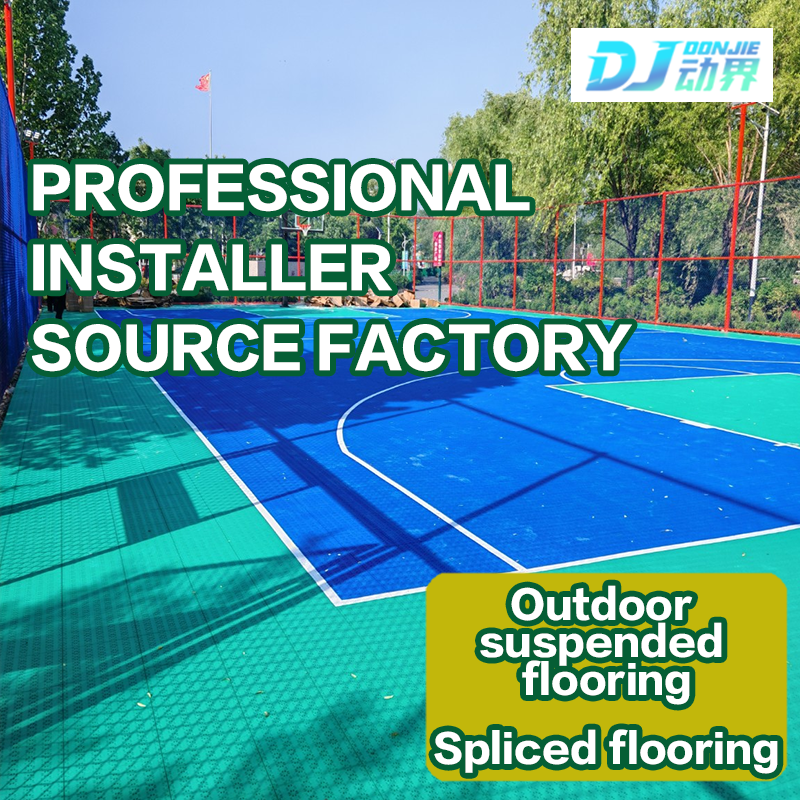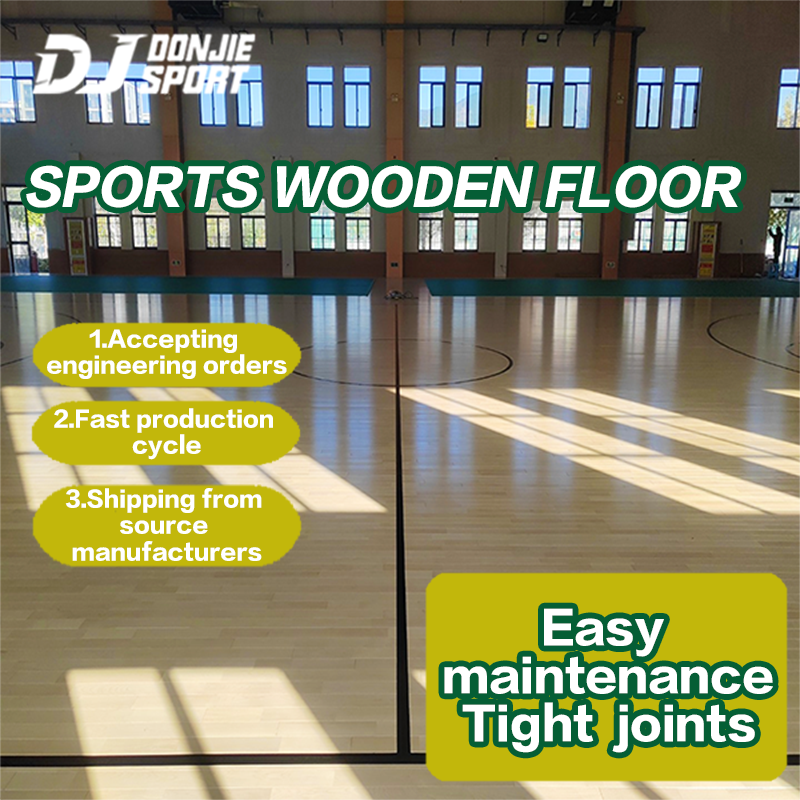
When it comes to setting up a pickleball court, one of the most important factors to consider is the flooring. The type of floor you install plays a significant role in the game’s quality, player performance, and safety. For both indoor and outdoor pickleball courts, choosing the right floor tiles can make all the difference in creating a space that is not only functional but also long-lasting. Pickleball Court Floor Tiles are designed to provide the perfect balance of durability, comfort, and performance, ensuring that the court remains in top condition even after years of play.
In this guide, we will walk you through the process of selecting and installing these tiles, so your court can deliver optimal results for players, withstand wear and tear, and stay safe for everyone. Whether you’re setting up a professional-grade facility or creating a recreational space at home, knowing how to properly install and maintain Pickleball Court Floor Tiles is essential for making a smart investment that lasts.
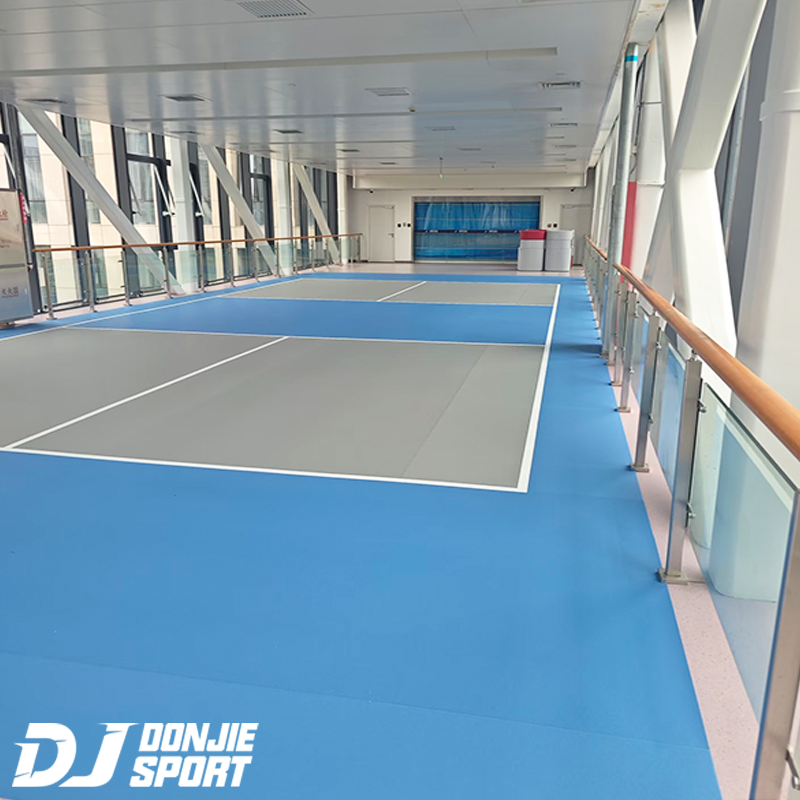
Choosing the Right Pickleball Court Floor Tiles
Selecting the best Pickleball Court Floor Tiles is the first step towards ensuring a long-lasting and high-performing court. When making your choice, several factors come into play:
-
Durability: Pickleball courts experience high foot traffic and constant movement, so it’s essential to choose tiles that can withstand this wear and tear. High-quality tiles made from durable materials like PVC or polypropylene ensure the floor will last for many years, even in the face of heavy use.
-
Shock Absorption: Pickleball is a dynamic sport, and players often make quick, sudden movements. A tile that provides adequate shock absorption helps reduce the impact on joints, preventing injuries and enhancing player comfort. Look for tiles designed to absorb the impact of fast-paced footwork without compromising performance.
-
Weather Resistance: If you’re installing your pickleball court outdoors, the tiles need to be weather-resistant. Exposure to UV rays, rain, and fluctuating temperatures can cause some materials to degrade. Choose outdoor-rated tiles that are UV-stabilized and water-resistant, ensuring that your court remains intact regardless of the weather.
-
Surface Texture: For the safety and performance of players, the surface of the floor tiles must offer the right level of grip. Tiles with a textured surface provide traction, preventing slips and falls while also ensuring a smooth, fast game. Choose tiles that are designed with a non-slip texture to promote player safety.
Preparing Your Space for Installation
Before installing your Pickleball Court Floor Tiles, it’s crucial to properly prepare the surface. Proper preparation ensures the floor is level, clean, and ready for installation, preventing issues down the line. Here’s how to get your space ready:
-
Assessing the Existing Flooring Condition: If you’re installing tiles over an existing surface, inspect the floor for any damage, debris, or imperfections. Uneven or cracked flooring could cause instability and affect the performance of the tiles. Consider repairing or replacing the existing floor if necessary.
-
Cleaning and Leveling the Surface: Thoroughly clean the area where the tiles will be installed. Sweep away dirt, dust, and debris, and make sure the surface is completely dry before proceeding. For best results, level the floor to ensure that the tiles lay flat and evenly. This step is especially important if you’re laying tiles on concrete or another uneven surface.
-
Determining the Court Dimensions: Measure the area where the court will be set up. Pickleball courts come in various sizes depending on whether it’s a standard or modified court. Knowing the precise dimensions will help you calculate the number of tiles you’ll need and determine the layout for optimal installation.
Step-by-Step Guide to Installing Pickleball Court Floor Tiles
Once your space is prepared, you can begin the installation process. Here’s a step-by-step guide to help you achieve a flawless setup:
-
Gather the Right Tools and Materials: Before you start, make sure you have all the necessary tools and materials:
-
Pickleball court floor tiles
-
Tile spacers (if needed)
-
Adhesive (optional, depending on tile type)
-
Utility knife or tile cutter for trimming
-
Measuring tape and chalk for layout
-
Rubber mallet to secure tiles
-
-
Laying the First Row of Tiles: Begin by laying the first row of tiles along one edge of the court. Start at the center of the court and work your way outward, ensuring that the tiles are aligned properly. This will help create a consistent grid and ensure the tiles fit snugly together.
-
Securing the Tiles: Depending on the type of Pickleball Court Floor Tiles you choose, some tiles may snap together with interlocking edges, while others may require adhesive. If you’re using interlocking tiles, simply press them firmly into place. If you’re using tiles that need adhesive, spread the adhesive over the surface with a notched trowel, and then lay the tiles on top.
-
Cutting Tiles for Edges and Corners: As you approach the edges and corners of the court, you’ll likely need to cut some tiles to fit. Use a tile cutter or utility knife to make precise cuts, ensuring that the tiles fit perfectly along the edges. Take your time with this step to ensure the cuts are straight and the tiles align well with the rest of the court.
-
Finishing the Court Setup: Once all the tiles are installed, check the court for any gaps or loose tiles. Tap the tiles gently with a rubber mallet to ensure they’re fully secured. If you’re using adhesive, allow the floor to cure for the recommended amount of time. Finally, install any finishing trim or edge pieces to give the court a clean, polished look.
Tips for Maintaining Pickleball Court Floor Tiles
Proper maintenance of your Pickleball Court Floor Tiles ensures their longevity and keeps the court in top condition. Here are some helpful tips for maintenance:
-
Routine Cleaning: Clean the court regularly to remove dirt, leaves, and other debris. Use a broom or a leaf blower to keep the surface clean, and mop it with a mild detergent solution to maintain its appearance.
-
Protecting Tiles from Harsh Weather: If you have an outdoor court, consider covering it during extreme weather, such as heavy rain or snow, to protect the tiles from moisture damage. UV rays can also cause fading, so using a cover or canopy can help extend the life of your tiles.
-
Repairing Minor Damage: Over time, tiles may experience minor damage, such as cracks or loose edges. If you notice any issues, replace the damaged tiles immediately to prevent further deterioration. Most tiles are easy to replace, so maintenance is simple and cost-effective.
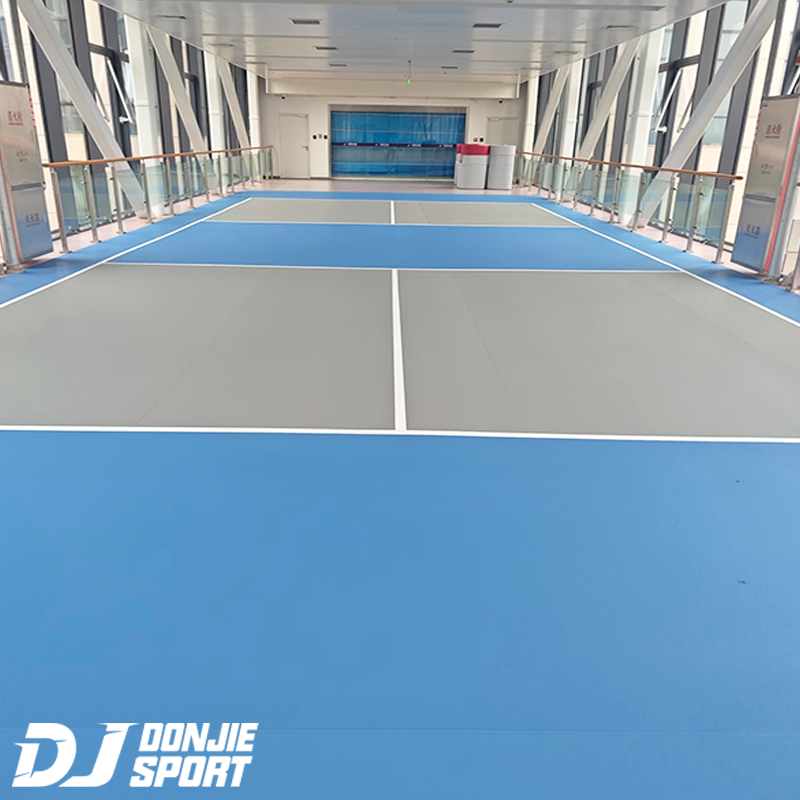
Why Pickleball Court Floor Tiles are a Great Investment
Investing in high-quality Pickleball Court Floor Tiles provides long-term benefits:
-
Long-Term Cost-Effectiveness: While the initial installation cost may be higher than some other options, Pickleball Court Floor Tiles are highly durable, requiring minimal maintenance. This means fewer repairs and replacements over time, making them a cost-effective choice in the long run.
-
Improved Player Experience and Performance: High-quality tiles enhance the overall playing experience, providing the right surface for fast-paced movement and better traction. Players will appreciate the comfort and performance boost that a well-installed floor provides.
-
Minimal Upkeep: With proper maintenance, Pickleball Court Floor Tiles require minimal effort to keep them in great shape. The low-maintenance nature of these tiles makes them an ideal choice for both commercial and residential courts.
Conclusion
Installing Pickleball Court Floor Tiles is a rewarding investment that enhances both the aesthetic and functional qualities of your court. With the right preparation, installation steps, and maintenance, your court will provide a durable and high-performance surface for years to come. Whether you’re building a new court or upgrading an existing one, follow this guide to ensure a smooth installation process and a long-lasting playing surface.