Pickleball is one of the fastest-growing sports in schools and colleges across the United States. Its combination of tennis, badminton, and ping pong makes it accessible and exciting for people of all ages. As more educational institutions incorporate pickleball courts into their facilities, it’s crucial to choose the right flooring to maximize safety, comfort, and performance. The flooring for pickleball courts directly affects the players’ experience, from their movement on the court to injury prevention. It also impacts the longevity and maintenance of the court. In this guide, we’ll discuss the key factors to consider when selecting flooring for pickleball courts in schools and colleges.
Key Considerations When Selecting Flooring for Pickleball Courts
Durability and Longevity
In schools and colleges, pickleball courts are subjected to frequent use, and the flooring needs to withstand the wear and tear of daily activities. Whether it’s used for recreational play, physical education classes, or intramural sports, the flooring must be durable enough to handle intense foot traffic and the wear caused by balls, paddles, and frequent movement.
Choosing a durable flooring option ensures the court remains in good condition for years, minimizing the need for costly repairs or replacements. For high-traffic courts, selecting a material with long-term durability should be a top priority.
Safety Features
Safety is paramount when selecting flooring for pickleball courts. The flooring material must provide adequate traction to prevent slipping, especially during fast-paced gameplay. Flooring with built-in slip resistance reduces the risk of injuries like sprains, twists, and falls.
Moreover, shock absorption is another crucial safety feature. Floors that offer sufficient cushioning help reduce the impact on joints, particularly in younger or older players, who may be more prone to injuries. This is especially important in schools and colleges where a variety of age groups may be using the facility.
Budget Constraints
Schools and colleges often operate under strict budget limitations. While it’s tempting to opt for the cheapest flooring option, it’s important to balance affordability with quality. The initial cost of the flooring may be significant, but investing in a higher-quality, durable material will save money in the long run by reducing the need for frequent repairs or replacements.
Additionally, when working within a budget, it’s essential to factor in not only the initial cost of the flooring but also installation and maintenance expenses.
Different Types of Flooring for Pickleball Courts
There are several flooring options to consider for pickleball courts. Each has its advantages and disadvantages depending on your facility’s needs, location, and budget.
PVC Flooring
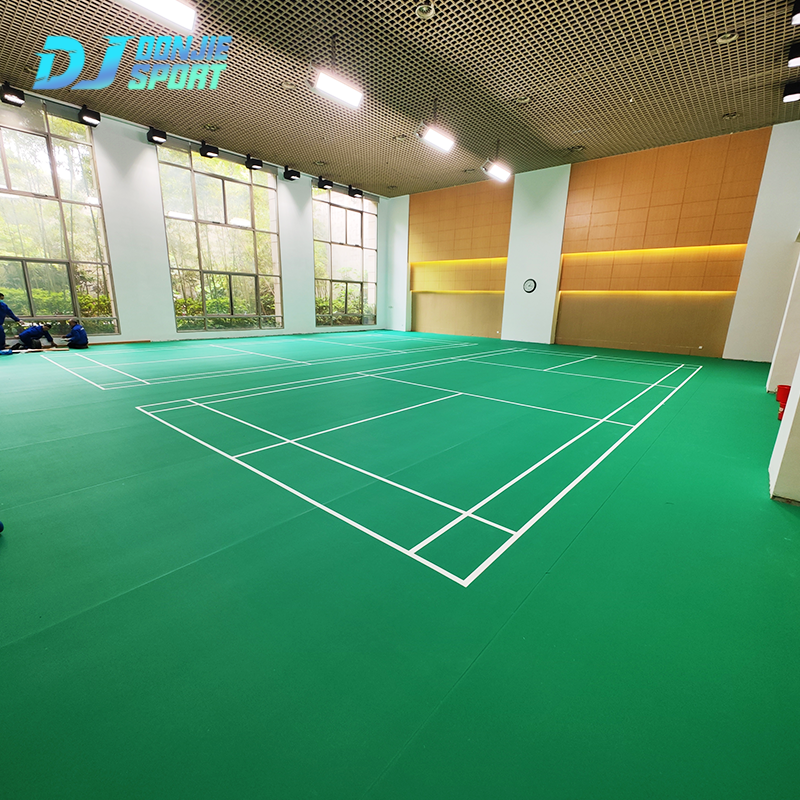
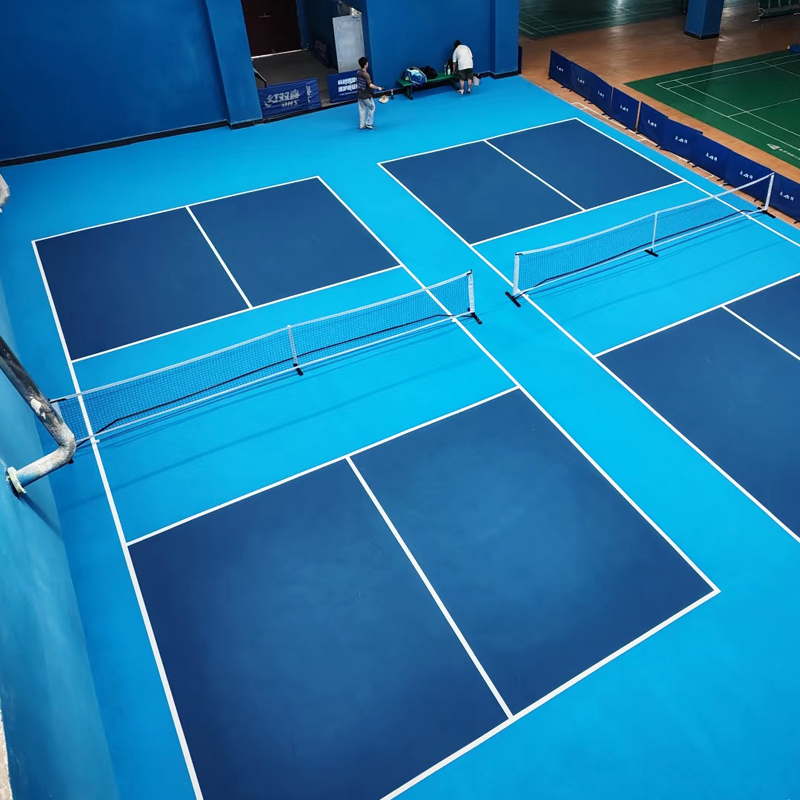
PVC (Polyvinyl Chloride) flooring is a popular choice for indoor pickleball courts. It is durable, easy to maintain, and resistant to wear. PVC flooring provides a consistent and reliable playing surface, which is critical for players’ performance. The material also offers excellent shock absorption, reducing the risk of injuries. Additionally, PVC floors can be customized with different colors and designs, allowing schools and colleges to create visually appealing courts.
One downside of PVC flooring is that it can be more expensive than other options, particularly if you’re looking for higher-quality variants designed for sports use. However, the long-term benefits in terms of durability and low maintenance can justify the initial cost.
Rubber Flooring
Rubber flooring is another great option for pickleball courts. Its cushioning effect helps reduce impact on the players’ joints and muscles, which makes it a popular choice for high-activity environments like schools and fitness centers. Rubber flooring also provides excellent slip resistance, ensuring player safety during intense games.
While rubber floors are durable and require minimal maintenance, they can be more expensive to install than PVC. However, it is a great choice for schools and colleges that prioritize comfort and safety in their facilities.
Wood Flooring
Wood flooring is a traditional choice for indoor courts, particularly in gyms and multi-sport areas. It provides a classic, professional look and is commonly used in basketball and volleyball courts. Wood floors offer great resilience and smoothness for gameplay, but they can be more expensive and require more maintenance.
While wood flooring is durable, it doesn’t always offer the same level of shock absorption as rubber or PVC floors. It’s also more prone to damage from moisture, which makes it less ideal for outdoor pickleball courts.
Interlocking Tiles
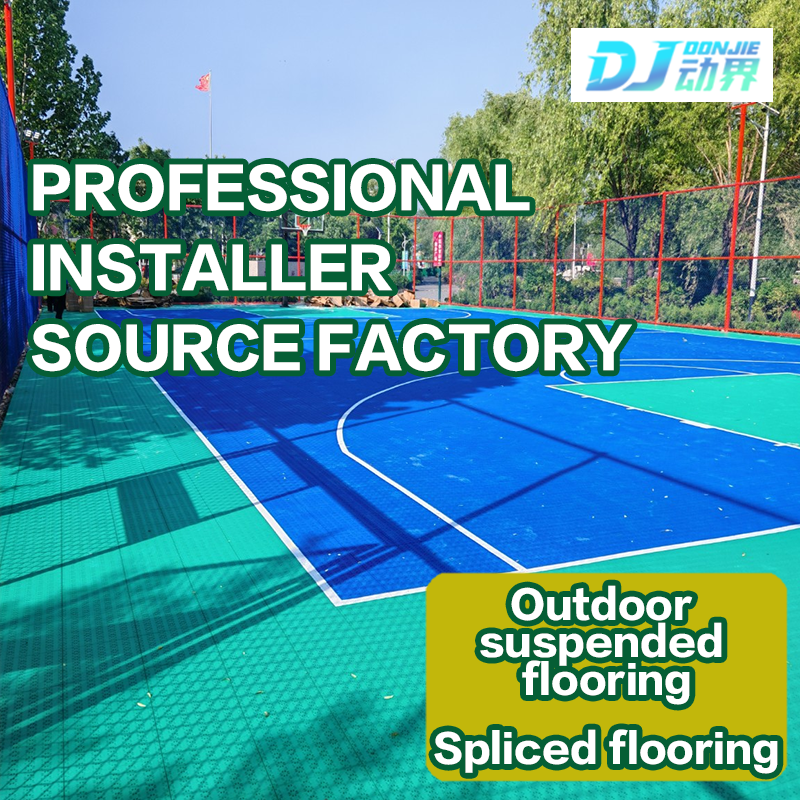
Interlocking tiles are a popular choice for schools and colleges due to their ease of installation and maintenance. These tiles can be easily replaced if damaged and offer flexibility for multi-sport use. Interlocking tiles are often made of PVC or rubber, providing excellent durability and slip resistance.
The major benefit of interlocking tiles is their quick installation time, which is perfect for busy educational institutions that may need to upgrade or repurpose their court spaces. The downside, however, is that they may not offer the same level of smoothness and consistency as seamless flooring options like PVC or rubber.
How to Choose the Best Flooring Material Based on Court Usage
Frequency of Use
The level of court use is a major factor in deciding which flooring material to choose. If the court will be used daily or frequently, you’ll need a highly durable and low-maintenance flooring option like PVC or rubber. For less frequently used courts, interlocking tiles might be a good cost-effective solution that still provides adequate performance.
Multi-Purpose Courts
Many schools and colleges use their courts for multiple sports, not just pickleball. When choosing flooring for multi-purpose courts, it’s essential to consider materials that can handle different types of activity. PVC and interlocking tiles are ideal for these situations because they offer versatility and can accommodate various sports, including basketball, badminton, and volleyball.
Indoor vs Outdoor Courts
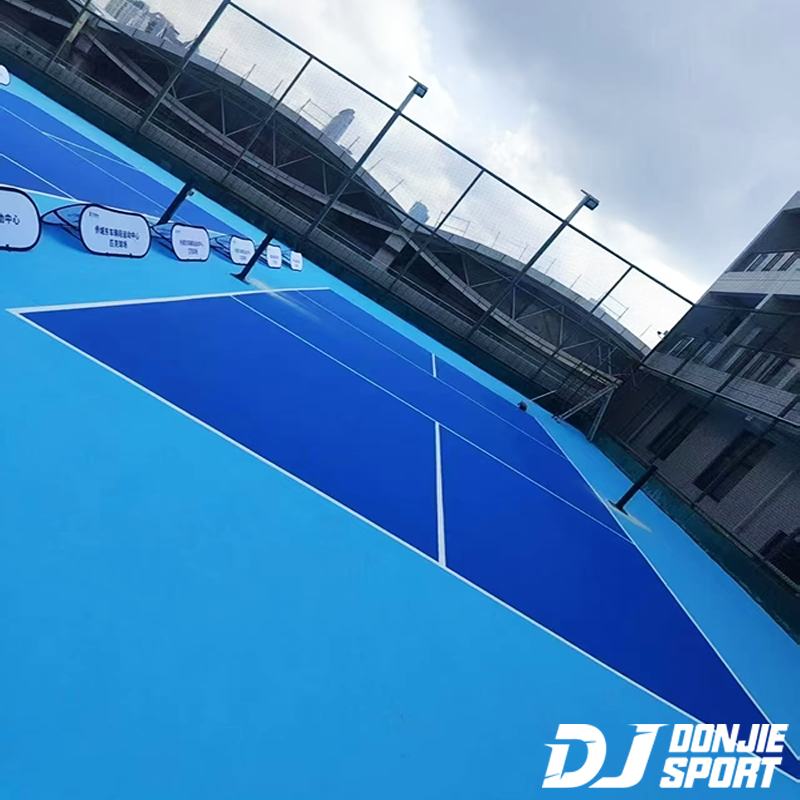
The environment where the court is located plays a significant role in the flooring choice. For outdoor pickleball courts, the flooring must be weather-resistant and durable against UV rays, moisture, and temperature fluctuations. Rubber and interlocking tiles are often better suited for outdoor conditions, while PVC is usually reserved for indoor courts.
Installation Considerations for Schools and Colleges
Installation Time and Cost
When selecting flooring, consider how long the installation will take and whether it can be completed during school breaks or over weekends. PVC flooring and rubber flooring can take a little longer to install, whereas interlocking tiles can be installed much more quickly. Be sure to budget for installation costs in addition to the material costs.
Maintenance Requirements
Maintaining pickleball court flooring is critical to prolonging its life. Some flooring options, like PVC and rubber, require minimal maintenance, while wood floors may require regular refinishing and resealing. Interlocking tiles are relatively low-maintenance, as individual tiles can be replaced if damaged.
Sustainability and Eco-Friendliness
With growing awareness of environmental issues, many schools and colleges are opting for sustainable flooring materials. Recycled rubber, for example, is a great eco-friendly option for schools that want to make a positive environmental impact while maintaining performance standards.
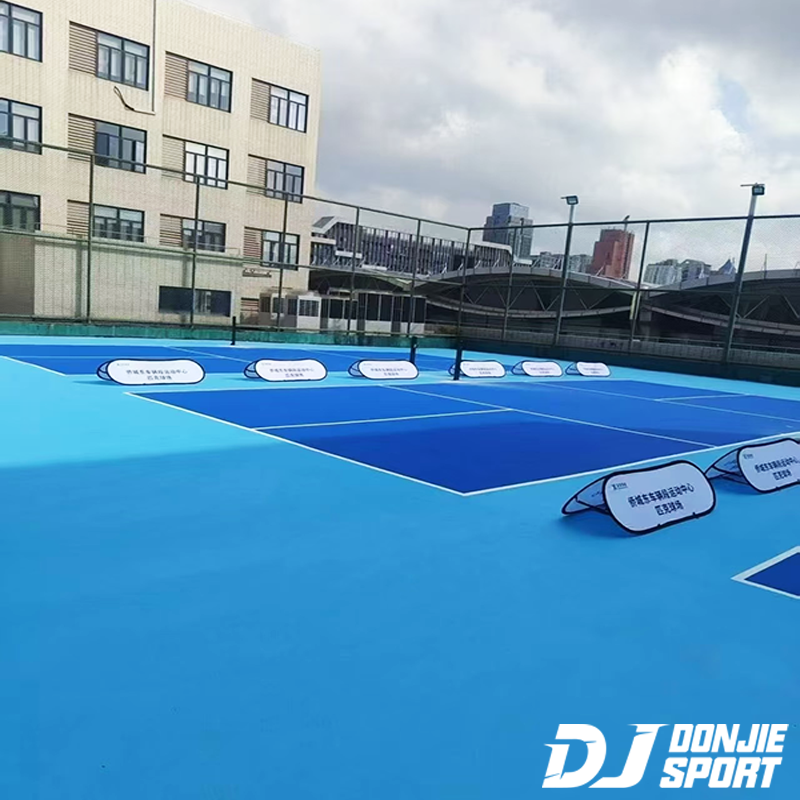
Why Flooring for Pickleball Courts Impacts Performance
The flooring material chosen for a pickleball court plays a significant role in the player experience. High-quality flooring ensures that players have a comfortable, safe, and consistent surface to play on. The right flooring can also enhance performance by providing better traction, allowing players to move more freely, and reducing the risk of injuries caused by hard impacts or poor slip resistance.
The wrong flooring can have a negative impact on gameplay and increase the risk of injuries. Whether it’s too slippery or too hard, poor flooring can affect a player’s performance and lead to unnecessary injuries.
Making the Right Choice for Your Facility
Selecting the right flooring for pickleball courts in schools and colleges is a decision that requires careful consideration of multiple factors, including durability, safety, budget, and usage. PVC, rubber, and interlocking tiles all offer distinct advantages and are excellent choices for educational institutions depending on their needs and priorities.