Pickleball has rapidly become one of the most popular sports in the United States, with recreational and professional courts popping up everywhere. Whether you’re managing a public facility or setting up a private court, ensuring that your pickleball court flooring stays in peak condition is crucial. Well-maintained flooring not only enhances the playability of the court but also helps in prolonging the lifespan of the flooring material, ensuring that players enjoy a consistent and safe experience.
Maintaining your pickleball court flooring doesn’t have to be a daunting task. With the right care and attention, your court can maintain its optimal performance for years. In this guide, we’ll explore the steps you can take to maintain your pickleball court flooring and how regular maintenance can contribute to both player safety and court longevity.
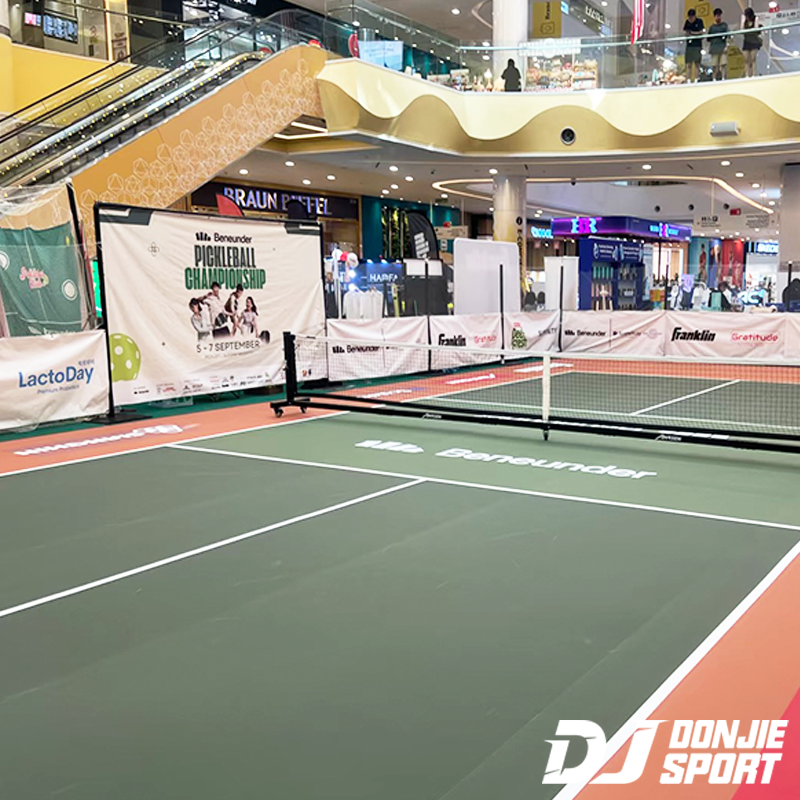
Types of Pickleball Court Flooring
Understanding the type of flooring you have is essential for its maintenance. The most common flooring materials for pickleball courts are PVC, rubber, and acrylic. Each type has unique care requirements to ensure its durability and playability.
-
PVC Flooring: PVC sports flooring is popular for its shock-absorbent properties and durability. It is commonly used in indoor facilities due to its slip-resistant qualities and ease of maintenance. However, it does require periodic deep cleaning to remove dust and dirt that can accumulate in the grooves.
-
Rubber Flooring: Known for its excellent grip and comfort, rubber flooring is often found in both indoor and outdoor pickleball courts. It provides cushioning for players and helps reduce the impact on joints. Regular sweeping and mopping with mild solutions will prevent debris buildup, which can degrade the surface over time.
-
Acrylic Flooring: Acrylic floors are designed for outdoor courts. They are highly resistant to weathering and provide a hard, smooth surface that enhances ball bounce. Acrylic flooring needs to be protected from UV rays and environmental damage. It’s also important to inspect for cracks regularly, especially in high-traffic areas.
Choosing the right flooring is just the beginning. Each flooring type requires specific care to keep it in optimal condition for performance and longevity.
Daily Care and Cleaning of Pickleball Court Flooring
One of the most crucial aspects of maintaining your pickleball court flooring is ensuring daily care. Keeping your flooring clean prevents dirt, debris, and moisture from causing long-term damage. Below are some basic steps you should incorporate into your daily routine.
-
Sweeping: A quick sweep of the court after every use will prevent dirt and debris from settling into the surface. Sweeping also reduces the chances of debris causing surface damage or making the court slippery.
-
Mopping: Regular mopping with a damp mop and a non-abrasive cleaner will remove any oils, sweat, and grime that accumulate during play. Avoid using harsh chemicals or acidic cleaners, as they can damage the flooring surface.
-
Moisture Control: It’s vital to ensure that your court is dry after cleaning. Excess moisture can cause mold or mildew to form, particularly in indoor settings. For outdoor courts, ensure there’s proper drainage to prevent water from pooling on the court.
By maintaining these simple daily tasks, you’ll help protect the integrity of your court flooring while also ensuring it remains safe and playable.
Deep Cleaning and Restoration Techniques
While daily maintenance is essential, occasional deep cleaning and restoration techniques will help restore the flooring to its original state and ensure it remains in top condition for longer.
-
Deep Cleaning: Every few months, perform a more thorough cleaning to remove stubborn dirt or grime that daily cleaning might miss. Use a floor scrubber or a pressure washer on low settings for hard-to-reach areas or textured surfaces. Make sure to follow the manufacturer’s guidelines for your specific flooring material to avoid causing any damage.
-
Scuff and Mark Removal: Pickleball courts are subject to a fair amount of wear and tear, especially from shoes and balls. To maintain a clean and professional appearance, it’s important to periodically remove scuffs and marks. For PVC and acrylic floors, a gentle scrub with a specialized cleaner can help restore the surface. For rubber flooring, a simple rubber cleaner may be sufficient.
-
Restoration: Over time, some courts may experience discoloration or slight wear. Depending on the material, refinishing or restoring the surface may be necessary. Acrylic courts may need a new layer of paint, while PVC floors may require professional cleaning and buffing.
For major repairs or full restoration, it’s advisable to contact a professional service that specializes in sports flooring to ensure the work is done correctly.
Protecting Your Pickleball Court Flooring from Environmental Damage
Your pickleball court flooring is vulnerable to environmental factors such as UV rays, weather conditions, and dirt accumulation. Here’s how to protect it from damage.
-
UV Protection: UV rays can cause fading and degradation of acrylic and PVC flooring. If you have an outdoor court, consider investing in UV-resistant court coatings or coverings to protect the surface from sun exposure. You can also use UV-blocking mats or tarps when the court is not in use to reduce UV impact.
-
Use Court Covers: Court covers are a great way to shield the flooring from the elements, especially during harsh weather conditions. When the court is not in use, cover it with a weatherproof tarp or court-specific cover to prevent rain, snow, and dirt from damaging the surface.
-
Mats for Entry Points: Place mats at entrances to the court to reduce the amount of dirt, moisture, and debris that is brought onto the playing surface. Mats help keep the flooring clean and free from abrasive particles that could wear down the surface.
By taking these preventative measures, you can extend the life of your pickleball court flooring and keep it in pristine condition.
Maintaining the Surface for Optimal Playability
The performance of your pickleball court is directly affected by the quality of the flooring surface. Here are some tips for maintaining the surface to ensure optimal playability:
-
Surface Texture: Different flooring materials offer varying levels of grip, which impacts the safety and comfort of players. Over time, the texture of the court may wear down, making it slippery. Regular maintenance, including light sanding or recoating for acrylic surfaces, can restore the court’s texture.
-
Bounce and Grip: For optimal play, it’s important that the court’s surface provides a consistent bounce and proper grip. If you notice that the ball’s bounce becomes unpredictable or the surface is too slippery, it may be time for a surface touch-up or resurfacing.
-
Leveling and Uniformity: Ensure that the court is level to avoid any areas where water or debris might accumulate. A level surface ensures that players have a safe and consistent experience. Regularly inspect the court for any uneven spots or areas that have settled over time.
When to Replace or Refinish Your Pickleball Court Flooring
No matter how well you maintain your pickleball court flooring, there will come a time when it needs to be replaced or refinished. Knowing when to do this is crucial for preventing further damage and ensuring player safety.
-
Signs of Wear: Cracks, severe discoloration, and visible damage are all indicators that the court may need to be refinished or replaced. For rubber and PVC courts, frequent repairs may also indicate the need for resurfacing.
-
Cost vs. Benefit: Refurbishing your flooring can be more cost-effective than replacing it entirely. However, if the floor is severely damaged or beyond repair, replacing it may be the better option.
-
Refinishing Frequency: Depending on the type of flooring, refinishing may be required every few years to maintain optimal performance. Check with your flooring supplier for recommendations on how often to refinish your specific flooring type.
Conclusion
Maintaining your pickleball court flooring is essential to ensuring its longevity, safety, and playability. By following the tips outlined above—such as daily cleaning, deep cleaning, surface restoration, and environmental protection—you can keep your court in top condition for years to come. Regular maintenance not only enhances the court’s performance but also provides a better experience for players, making it a worthy investment for any facility.