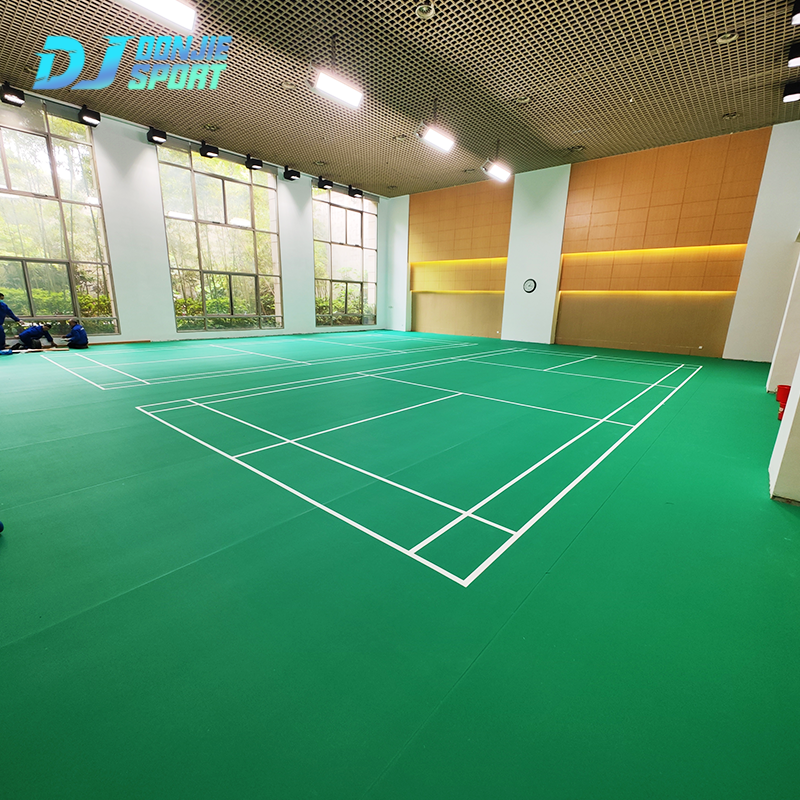
When building or upgrading an outdoor pickleball court, choosing the right flooring is crucial for ensuring long-term performance. Not only does the flooring affect the gameplay experience, but it also plays a key role in the safety, comfort, and durability of the court. Whether you’re constructing a public facility, a private backyard court, or a commercial sports complex, selecting flooring that can withstand weather changes, heavy traffic, and daily wear is essential.
Outdoor pickleball courts are exposed to various elements such as rain, sun, and temperature fluctuations, making the flooring choice particularly important. The right flooring will enhance the playing experience by offering the right amount of grip, shock absorption, and consistent performance. In contrast, poor flooring can cause maintenance headaches and compromise player safety.
In this article, we’ll dive into the key factors to consider when choosing outdoor pickleball court flooring for long-term use. We’ll explore the most popular flooring types, compare their pros and cons, and provide recommendations based on different needs and budgets. Let’s begin by looking at the most important considerations for flooring durability in outdoor settings.
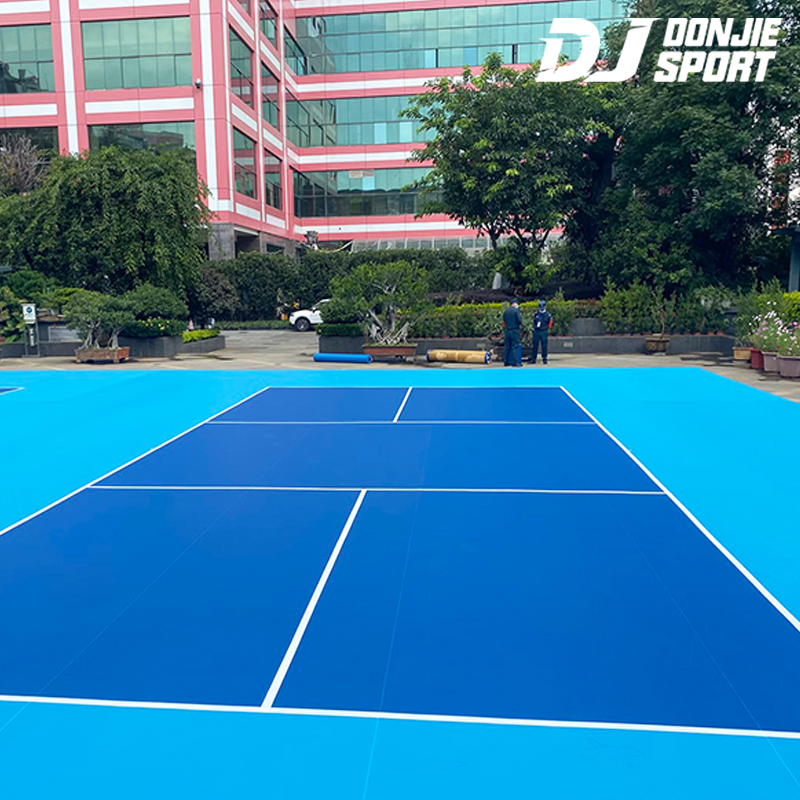
Key Factors to Consider for Long-Term Durability
Choosing the right flooring for your outdoor pickleball court is about more than just aesthetics or cost; it’s about ensuring the court performs well over time, no matter the weather conditions. When selecting outdoor pickleball court flooring, there are a few key factors that influence both short-term and long-term performance:
Weather Resistance and UV Stability
Outdoor courts are exposed to the elements year-round, from intense UV rays to fluctuating temperatures and heavy rainfall. Flooring materials that can withstand these harsh conditions without fading, cracking, or becoming slippery are essential. UV-stabilized materials are particularly important to ensure that the flooring retains its color and texture even under constant sunlight.
Slip Resistance and Traction
Player safety should always be a top priority. Flooring must provide enough traction to prevent slipping, especially when the surface is wet from rain or dew. Materials that offer excellent slip resistance will not only help players maintain their balance but also reduce the risk of injuries. Anti-slip coatings or textures can significantly improve the overall safety of the court.
Shock Absorption for Player Comfort
Long periods of play on hard surfaces can lead to joint strain or discomfort, particularly on knees and ankles. Flooring that offers a degree of shock absorption, such as rubber or cushioned tiles, helps reduce the impact on players’ bodies. This feature is especially important for high-performance players or those who play for extended hours.
Maintenance and Longevity
While some flooring options may have a higher upfront cost, their durability can result in lower long-term maintenance expenses. Flooring that resists staining, cracking, or wear over time requires less upkeep and keeps the court in optimal condition longer. Easy-to-clean surfaces also contribute to reducing overall maintenance costs.
Types of Outdoor Pickleball Court Flooring
Now that we’ve discussed the essential factors for long-term durability, let’s explore the most common types of outdoor pickleball court flooring. Each option offers unique benefits, and choosing the best one depends on your specific needs and court conditions.
Rubber Flooring
Rubber is a popular choice for outdoor pickleball courts due to its durability and shock-absorbing properties. Rubber surfaces provide excellent traction, even in wet conditions, and can handle a variety of weather conditions without degrading. Additionally, rubber is relatively low-maintenance, requiring only occasional cleaning to keep it in top shape.
Rubber flooring offers a cushioned feel that is easy on players’ joints, making it ideal for both recreational players and athletes who train extensively. However, it may require more regular cleaning than harder surfaces, and it can be more expensive to install initially.
Polyurethane and Acrylic Surfaces
Polyurethane and acrylic coatings are often used in professional outdoor pickleball courts due to their superior performance and smooth finish. These surfaces provide consistent ball bounce and excellent traction, making them ideal for high-level play. They also offer UV resistance, ensuring that the color and texture stay intact over time.
While these surfaces are durable and require minimal maintenance, they are not as cushioned as rubber, and they can be subject to wear if exposed to extreme weather conditions. The installation process is more labor-intensive, and the initial cost may be higher than other options.
Interlocking Tiles
Interlocking tiles are a versatile and easy-to-install option for outdoor pickleball courts. These tiles are made from durable materials such as PVC or polypropylene and can be locked together to form a smooth, stable court surface. One of the main advantages of interlocking tiles is that they are easy to replace, making them a cost-effective option for long-term use.
These tiles are designed for outdoor use and can handle a variety of weather conditions, but they do not provide the same level of shock absorption as rubber or cushioned surfaces. However, they are a great choice for courts that need quick installation and flexibility, particularly for temporary or multi-purpose setups.
Artificial Grass
For a more natural look, artificial grass is a unique choice for outdoor pickleball courts. While it may not be as durable or consistent in performance as rubber or acrylic, artificial grass provides a softer, more forgiving surface compared to hard court options. It is also a visually appealing option that can blend in with the surrounding environment.
However, artificial grass can wear down more quickly with heavy use, and it may require more maintenance, such as brushing and re-filling with infill material to maintain its look and feel. It’s best suited for recreational courts where aesthetics and comfort are more important than professional-grade performance.
Pros and Cons of Each Flooring Type for Outdoor Pickleball Courts
Each flooring type comes with its own set of benefits and drawbacks. Here’s a breakdown to help you make an informed decision based on your court’s needs:
-
Rubber Flooring:
Pros: Great shock absorption, excellent traction, low maintenance, weather-resistant.
Cons: Higher upfront cost, can get dirty quickly, may need occasional cleaning. -
Polyurethane and Acrylic Surfaces:
Pros: Professional-grade performance, UV resistant, low maintenance.
Cons: Harder surface, less cushioning, higher installation cost. -
Interlocking Tiles:
Pros: Easy installation and replacement, durable, weather-resistant.
Cons: Less cushioned, potential for shifting if not installed properly. -
Artificial Grass:
Pros: Aesthetic appeal, soft surface, comfortable for recreational play.
Cons: Wears down with heavy use, requires regular maintenance, less consistent performance.
Cost Considerations for Outdoor Pickleball Court Flooring
When choosing flooring, cost is a major consideration. While some flooring options, like interlocking tiles, may have a lower upfront cost, others, like rubber or polyurethane surfaces, might require a larger investment. It’s important to weigh the installation costs against the long-term benefits, including durability, maintenance, and player comfort.
For example, rubber flooring may be more expensive initially, but its durability and low maintenance costs may make it more economical in the long run. On the other hand, interlocking tiles provide an affordable solution with the option to replace individual sections if needed.
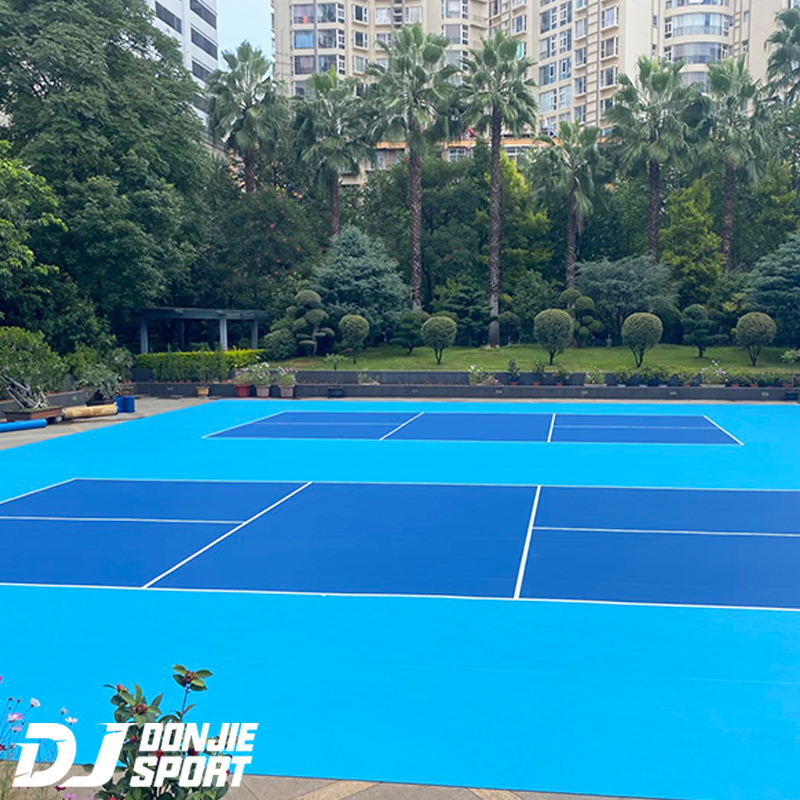
Choosing the Best Flooring Based on Court Usage
The type of flooring you choose should be tailored to how often the court will be used. For high-traffic public courts, a durable option like rubber or polyurethane may be best, while for personal backyard courts, you might prioritize comfort and aesthetics with interlocking tiles or artificial grass.
-
High-traffic courts: Go for rubber or polyurethane for their durability and ability to withstand constant play.
-
Residential courts: Interlocking tiles or artificial grass provide a balance of comfort and appearance.
Best Practices for Maintaining Outdoor Pickleball Court Flooring
Regardless of the flooring type, regular maintenance is crucial for extending the lifespan of your court. Here are some maintenance tips:
-
Rubber flooring: Sweep regularly and clean spills promptly. Power washing can remove stubborn dirt.
-
Polyurethane and acrylic: Sweep debris regularly and wash the surface with water and mild detergent.
-
Interlocking tiles: Check for shifts or loose tiles and replace them as needed.
-
Artificial grass: Brush regularly to maintain the nap and fill with fresh infill material to keep the surface level.
The Best Flooring for Your Outdoor Pickleball Court
Choosing the best outdoor pickleball court flooring comes down to understanding your court’s needs and usage patterns. Rubber flooring offers excellent durability and player comfort, while polyurethane and acrylic surfaces are ideal for professional-grade play. Interlocking tiles provide a flexible, easy-to-install option, and artificial grass offers a natural aesthetic.
For long-term use, it’s essential to select a material that can handle the wear and tear of outdoor conditions while providing the best playing experience for your needs. By considering factors such as weather resistance, comfort, and maintenance, you can ensure that your pickleball court remains in top shape for years to come.