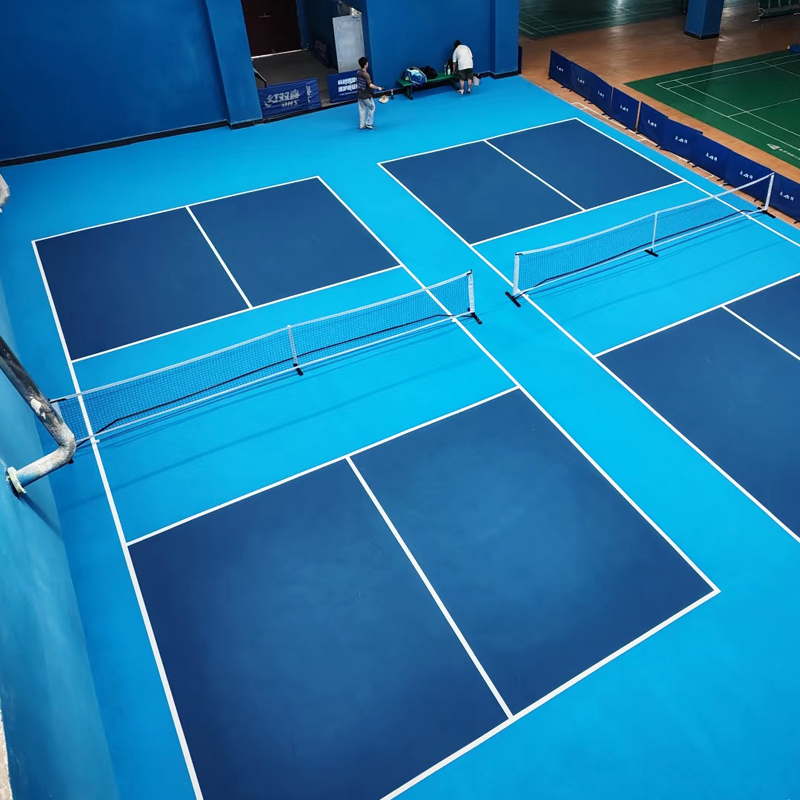
Pickleball has gained tremendous popularity in recent years, and outdoor courts are becoming a common sight in both recreational and professional settings. However, when it comes to outdoor pickleball court flooring, choosing the right material is crucial. Since outdoor courts are exposed to various weather conditions, the flooring needs to withstand the elements while providing a safe and comfortable playing surface.
In this article, we’ll explore the different types of materials available for outdoor pickleball court flooring, focusing on how they perform under various weather conditions. Additionally, we’ll examine the factors that influence the choice of flooring, from durability to maintenance needs, to help you make an informed decision for your court.
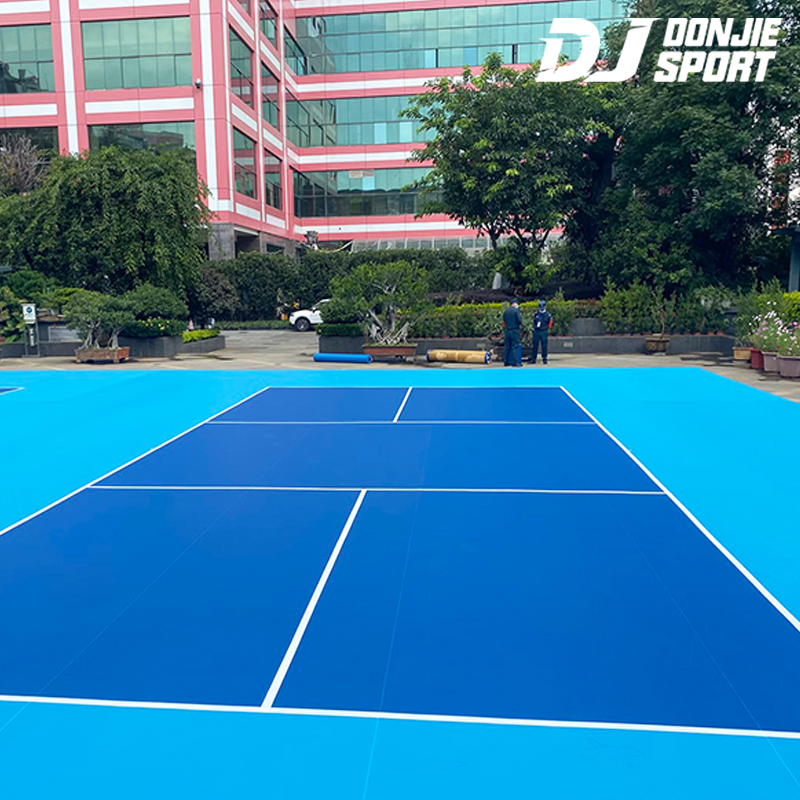
Understanding the Key Features of Pickleball Court Floor Tiles
When selecting flooring for an outdoor pickleball court, it’s essential to focus on the key features that will contribute to the court’s longevity, player safety, and performance. Here’s what you should look for in Pickleball Court Floor Tiles:
Durability and Weather Resistance
Outdoor courts are constantly exposed to harsh environmental conditions, including rain, heat, and even snow. The flooring material must be durable enough to withstand UV rays, moisture, and temperature fluctuations. A strong and resilient surface will not only last longer but also reduce the need for frequent repairs or replacements.
Comfort and Safety for Players
While durability is important, the court’s comfort is also a top priority. Pickleball players need a surface that offers the right amount of cushioning and grip to prevent injuries. Flooring that provides adequate shock absorption reduces the impact on players’ joints, enhancing comfort during prolonged play. Additionally, an anti-slip surface is vital to ensure player safety, especially in wet conditions.
Top Materials for Outdoor Pickleball Court Flooring
There are several flooring materials available for outdoor pickleball courts. Here are some of the best options:
PVC Flooring
PVC flooring is one of the most popular choices for outdoor pickleball courts due to its durability and resistance to harsh weather. PVC tiles are UV-resistant and easy to clean, making them an excellent choice for areas that experience high temperatures and frequent exposure to the sun. They also provide a smooth, comfortable playing surface that reduces wear and tear on both the court and the players.
Rubber Flooring
Rubber flooring offers superior shock absorption, which is essential for reducing the impact on players’ joints. It also provides excellent grip, even when wet. Rubber flooring is particularly suitable for areas that experience heavy rainfall or humidity, as it is highly resistant to moisture and mold. However, rubber flooring may not be as durable in areas with extreme heat, as prolonged exposure to sunlight can cause the material to deteriorate over time.
Composite Materials
Composite flooring is a versatile option for outdoor pickleball courts. These tiles are typically made from a blend of recycled rubber and plastic, offering a combination of durability and environmental sustainability. Composite materials are resistant to UV rays, moisture, and temperature extremes, making them an ideal choice for various weather conditions. They also provide a cushioned playing surface, which enhances player comfort and reduces the risk of injury.
Interlocking Tiles
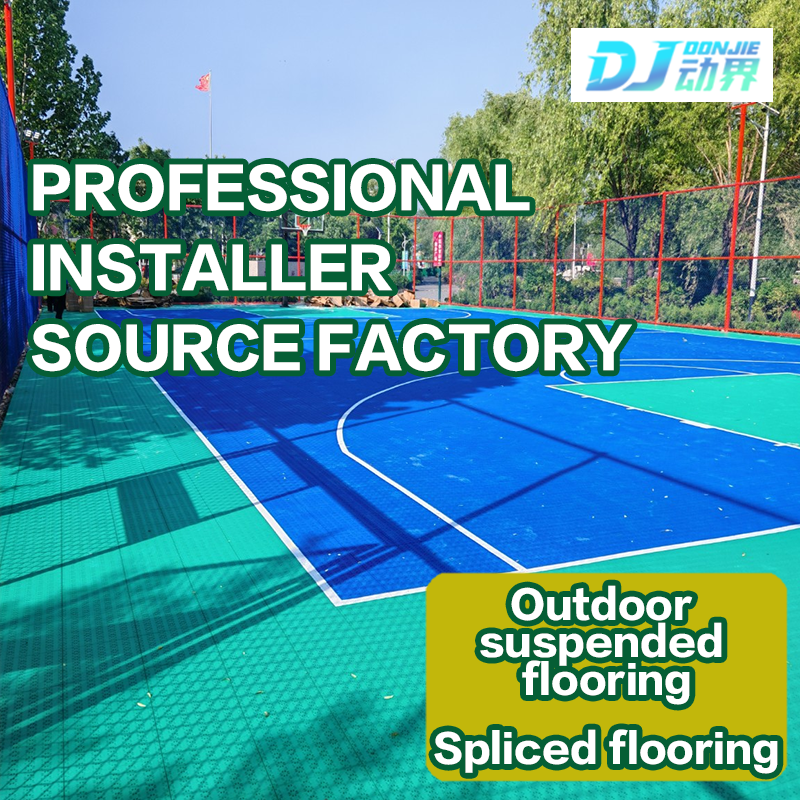
Interlocking tiles are another excellent option for outdoor pickleball courts. They are easy to install and can be replaced individually if damaged. Interlocking tiles are available in various materials, including PVC and rubber, allowing you to choose the best option based on your location’s weather conditions. These tiles provide a stable surface for play and are designed to withstand temperature fluctuations and moisture.
How Weather Conditions Impact Flooring Choices
Hot and Sunny Climates
In areas with high temperatures and intense sunlight, flooring materials must be UV-resistant to prevent fading and cracking. PVC and composite materials are excellent choices, as they can withstand prolonged exposure to the sun without degrading. Rubber flooring may not be the best option in extremely hot climates, as it can become brittle over time.
Rainy and Humid Environments
Moisture can wreak havoc on outdoor flooring, leading to mold, mildew, and deterioration of certain materials. Rubber and composite materials are ideal for rainy climates, as they are highly resistant to moisture and humidity. PVC tiles also perform well in wet conditions but may require more frequent cleaning to prevent water buildup.
Cold and Snowy Areas
In colder climates, flooring materials must be able to handle freezing temperatures without cracking or becoming slippery. Rubber flooring can be an excellent option for snowy regions due to its ability to maintain traction in cold conditions. PVC and composite materials can also work well, but it’s important to ensure the flooring can handle the freezing and thawing cycles without damage.
Durability and Maintenance: What to Look for in Outdoor Flooring
UV Resistance
UV rays from the sun can cause fading, cracking, and degradation of many outdoor flooring materials. To ensure longevity, it’s important to choose flooring that is UV-resistant. PVC and composite materials are generally the best choices for this, as they maintain their color and integrity over time.
Anti-Slip Properties
Safety is a top priority for any outdoor sports surface. Choose flooring that offers sufficient grip to prevent players from slipping, especially in wet conditions. Rubber and composite materials tend to offer the best anti-slip properties, while PVC flooring often requires a textured surface to enhance traction.
Easy Maintenance
Outdoor pickleball courts require regular cleaning to keep them in top condition. Look for flooring materials that are easy to maintain, such as PVC or interlocking tiles. These materials can be easily swept or washed down with a hose, while rubber flooring may need occasional treatment to prevent buildup of dirt and moisture.
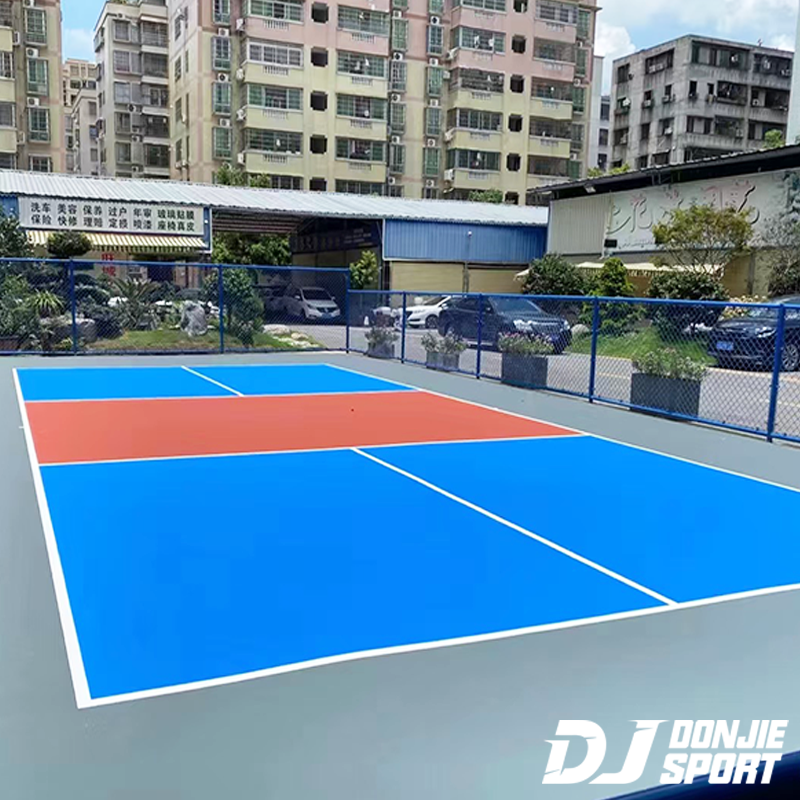
Cost-Effectiveness of Pickleball Court Floor Tiles for Outdoor Use
Choosing the right flooring material is an investment in the long-term durability and performance of your outdoor pickleball court. While high-quality materials like PVC and composite tiles may have a higher upfront cost, they offer long-lasting benefits, reducing the need for frequent repairs or replacements. On the other hand, lower-cost options like rubber flooring may require more maintenance or need to be replaced sooner.
Consider the cost over time, including maintenance and replacement, to make a smart financial decision. Interlocking tiles are often the most cost-effective solution due to their easy installation and ability to replace individual tiles if damaged.
Installation Tips for Outdoor Pickleball Court Flooring
Proper installation is key to ensuring the longevity and performance of your outdoor pickleball court flooring. Here are a few tips:
-
Surface Preparation: Ensure the court surface is level and free of debris before installation. Proper preparation will help the flooring tiles stay in place and prevent shifting over time.
-
DIY vs. Professional Installation: While interlocking tiles can often be installed by DIY enthusiasts, larger projects or specialized materials may require professional installation for optimal results.
Making the Best Choice for Your Outdoor Pickleball Court
Choosing the right flooring material for your outdoor pickleball court is a critical decision that impacts the longevity, safety, and performance of the court. By considering factors such as weather conditions, durability, and ease of maintenance, you can make an informed choice that will serve both players and the facility for years to come.