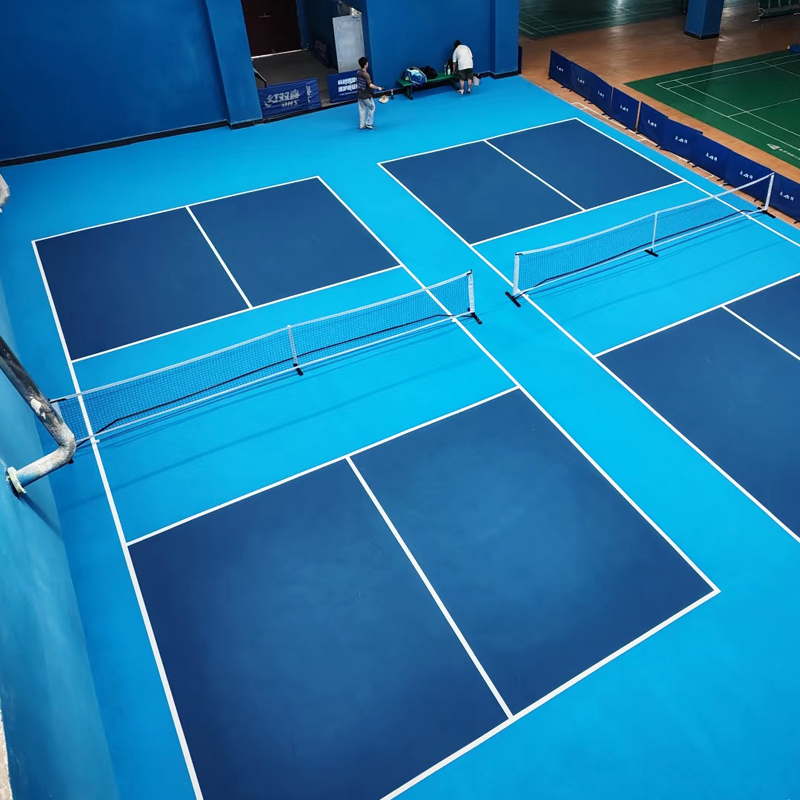
When it comes to creating the perfect pickleball court, one of the most important decisions you’ll make is selecting the flooring. The surface you choose will have a significant impact on the performance of the game, the safety of the players, and the maintenance of the court over time. The right flooring will enhance the playing experience, reduce injuries, and create an environment that supports long-term use.
Whether you’re building a court for a professional facility, a community center, or even a home setup, understanding the various pickleball court flooring options will help you make the best choice. This guide will walk you through the essential factors to consider and introduce the most popular materials available today.
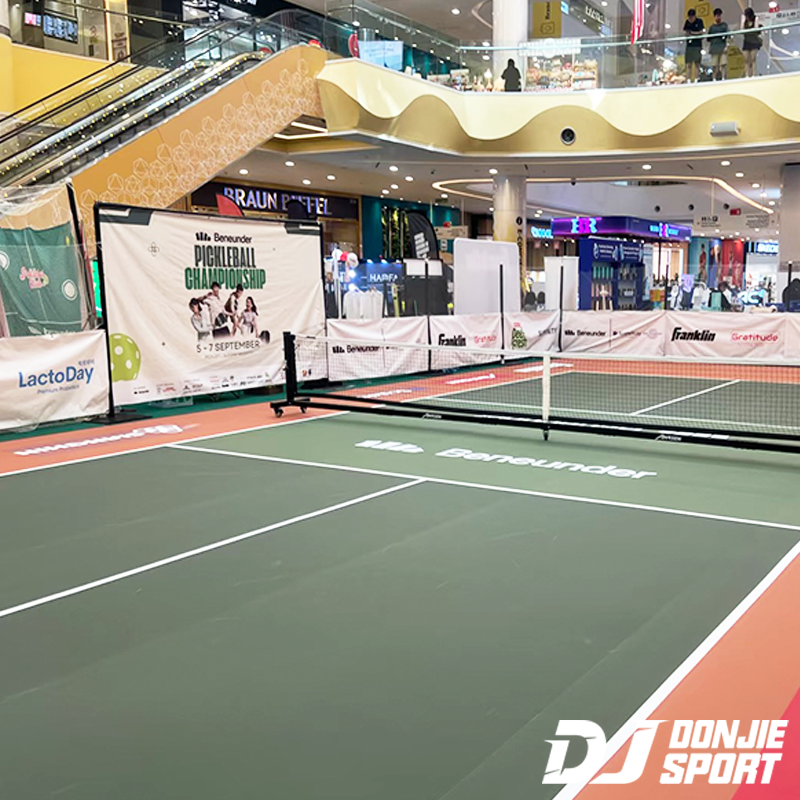
Factors to Consider When Choosing Pickleball Court Flooring
Durability and Maintenance Needs
Flooring for pickleball courts needs to be durable enough to handle constant use. Courts that are used by multiple players every day will need a surface that can withstand heavy foot traffic, ball impacts, and even weather conditions if it’s an outdoor court. Maintenance requirements also play a key role in your decision, as different materials have different upkeep costs.
Player Comfort and Safety
A key consideration when choosing flooring is ensuring player safety and comfort. Flooring that offers adequate cushioning can help prevent injuries, especially to the joints, while also providing a consistent bounce. Non-slip surfaces are essential for safety, helping players maintain control during rapid movements.
Budget Considerations
Cost will always be a factor in any facility decision. Some flooring options may have a higher initial cost but lower long-term maintenance, while others may be more affordable upfront but require more frequent repairs. Understanding your budget and calculating the total cost of ownership will help guide your decision.
Indoor vs. Outdoor Requirements
Indoor pickleball courts require different flooring than outdoor courts, as outdoor conditions can affect durability and performance. Outdoor flooring needs to be weather-resistant and offer excellent traction for players, while indoor flooring needs to balance comfort with durability. Be sure to choose flooring based on the specific needs of your environment.
Popular Pickleball Court Flooring Options
Rubber Flooring for Pickleball Courts
Pros and Cons of Rubber Flooring
Rubber flooring is one of the most common materials used for pickleball courts, both indoor and outdoor. It is durable, offers excellent shock absorption, and provides a cushioned surface that is easy on the joints. The flexibility of rubber flooring allows for comfortable movement and reduces the risk of injury.
However, rubber flooring can sometimes feel too soft for certain players, leading to a less consistent ball bounce. It is also prone to staining and may require more frequent cleaning in outdoor environments.
Best Use Cases for Rubber Flooring
Rubber flooring is a great option for recreational or multi-purpose indoor courts. It’s ideal for facilities that see a lot of foot traffic, as it can withstand long periods of use without showing much wear. It’s also a good choice for facilities aiming to prioritize player comfort and safety, especially for those who play pickleball frequently.
PVC Sports Flooring for Pickleball
Why PVC is a Popular Choice
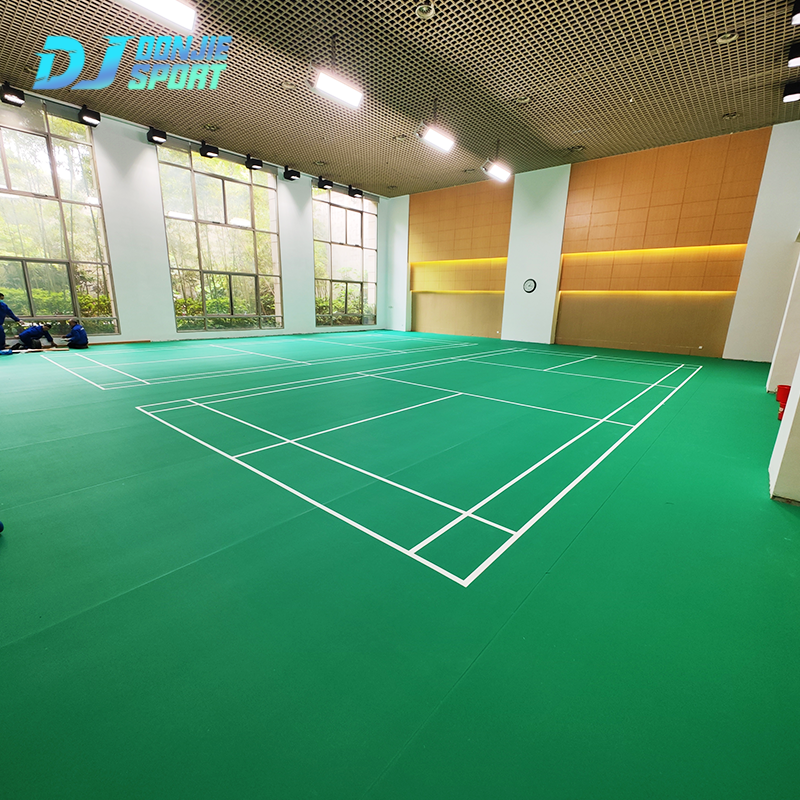
PVC sports flooring is becoming a popular choice for pickleball courts, particularly for indoor settings. Its resilient surface provides a consistent bounce, and it is known for its durability. PVC flooring can also be customized in various colors and designs, making it a versatile option for different court aesthetics.
Features of PVC Flooring that Enhance Gameplay
PVC sports flooring has a hard surface that minimizes wear and tear, even after heavy use. It offers excellent grip and traction, reducing the chances of slipping during play. Its smooth texture ensures that the ball bounces predictably, which is crucial for competitive play. Additionally, PVC flooring is low-maintenance, requiring only occasional cleaning to keep it looking fresh.
Wood Flooring for Pickleball Courts
Traditional Options and Their Modern Appeal
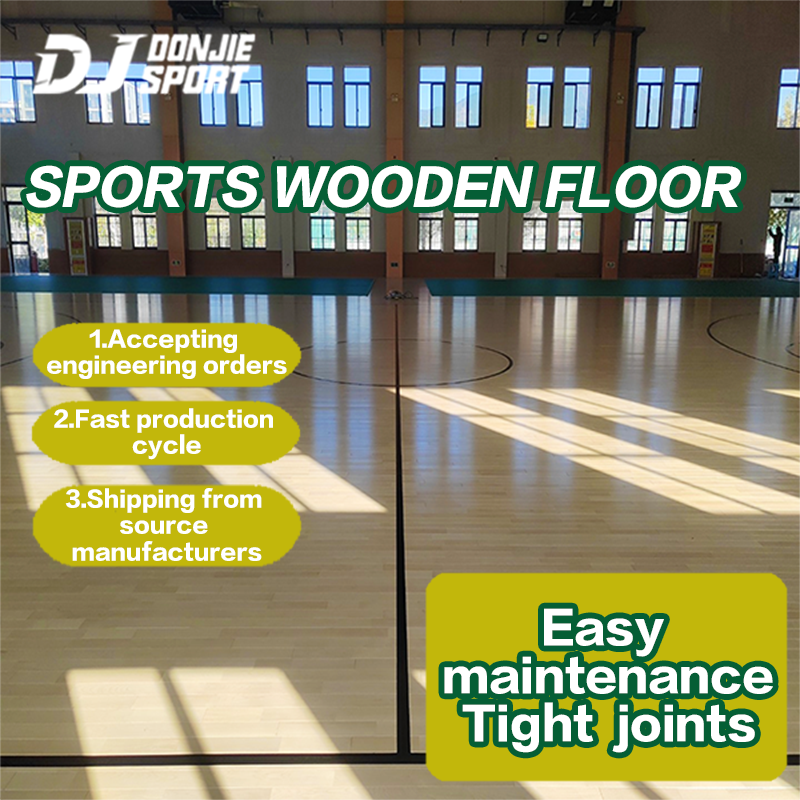
Wooden flooring remains a classic choice for indoor pickleball courts, especially in gyms and sports complexes. It offers a natural aesthetic and provides a solid playing surface that many players find appealing.
How Wood Affects Ball Bounce and Gameplay Dynamics
Wood flooring offers a consistent, predictable bounce that is ideal for competitive play. The surface has some give, which helps in reducing the risk of injury during fast movements. However, wood can be a bit slippery, especially if not treated with non-slip coatings, and it may require more maintenance to keep it in good condition.
Outdoor Court Tiles for Pickleball
Interlocking Outdoor Tiles
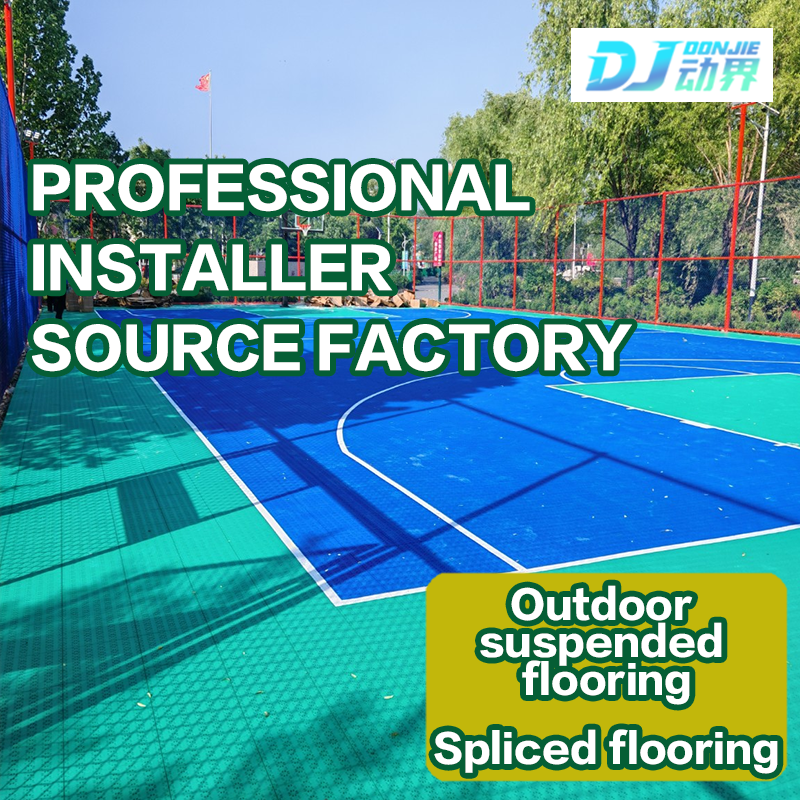
Interlocking tiles are a popular option for outdoor pickleball courts, as they are easy to install and maintain. These tiles are designed to fit together like puzzle pieces, creating a seamless surface for play. The interlocking design ensures stability, even during high-intensity games.
Benefits of Modular Designs for Quick Installation
Outdoor court tiles are modular, meaning they can be installed quickly and easily without the need for professional labor. This makes them an excellent choice for facilities that need to set up courts fast, as well as for individuals or organizations on a budget.
Weather-Resistance Considerations
Outdoor court tiles are designed to withstand the elements, including UV exposure, moisture, and temperature fluctuations. They are resistant to fading, cracking, and warping, which makes them perfect for outdoor pickleball courts. The drainage channels built into the tiles also help prevent water accumulation, reducing the risk of slippery surfaces.
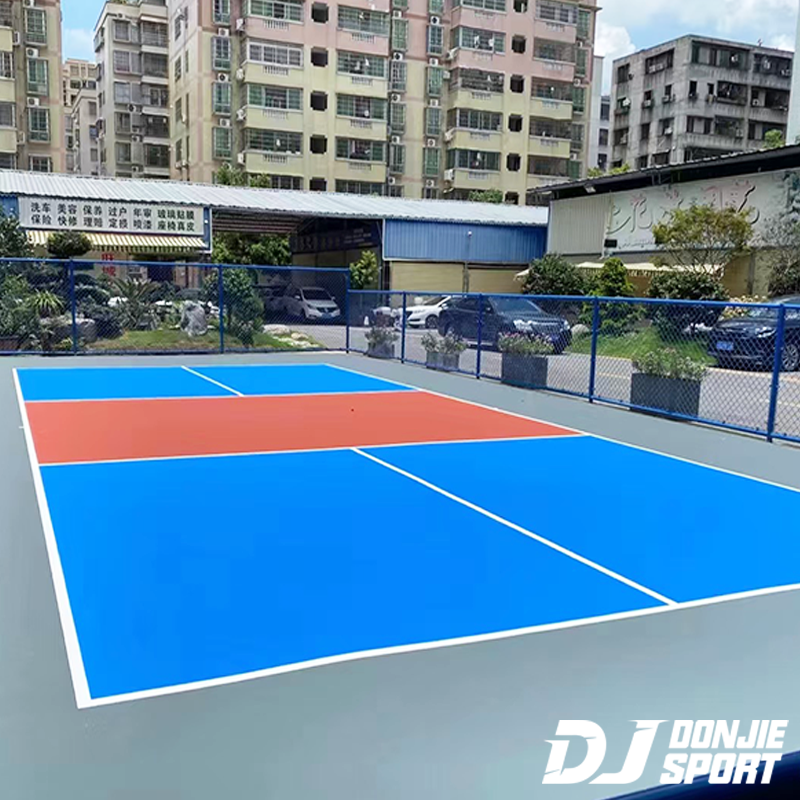
How to Choose the Best Flooring for Your Facility’s Specific Needs
Matching Flooring Material with Facility Size and Usage
Choosing the right flooring for your pickleball court depends largely on how the facility will be used. For high-traffic facilities or multi-use venues, durable options like rubber or PVC flooring are ideal. For smaller, less busy venues, wooden flooring or interlocking tiles may suffice.
The Impact of Flooring on Performance and Comfort During Play
The surface of your court directly affects the quality of gameplay. Players need a consistent bounce and reliable traction to perform at their best. Choosing the right flooring material ensures players can move freely without fear of slipping or compromising their performance.
Accessibility and Safety Features
Safety should always be a top priority when choosing flooring. Flooring that provides enough cushioning can help reduce strain on players’ joints. Moreover, non-slip surfaces are essential for preventing falls and injuries. For players with special accessibility needs, flooring that is easy to navigate or provides additional cushioning can make a significant difference.
Cost and Budgeting for Pickleball Court Flooring
Initial Investment vs. Long-Term Savings
The cost of flooring varies significantly depending on the material. Rubber and PVC floors tend to be more affordable initially but may require regular maintenance or replacement. On the other hand, wood flooring has a higher upfront cost but can be more durable over the long term if well-maintained.
When planning your budget, consider both the initial installation cost and the long-term maintenance requirements. While the cheapest option might seem attractive at first, it could end up costing more in repairs and upkeep.
Understanding Total Cost of Ownership (Maintenance, Replacements, etc.)
In addition to the installation costs, you should factor in the costs associated with maintaining the flooring. Rubber flooring may need to be replaced after a certain number of years, while PVC floors typically last longer but may require occasional cleaning or repairs. Wooden flooring often requires periodic sanding and refinishing to keep it in top condition.
Making the Right Pickleball Flooring Decision for Your Facility
Choosing the right flooring for your pickleball court is crucial for creating a safe, enjoyable environment for players. The right flooring material will enhance the game, reduce the risk of injury, and ensure that the court remains in top condition for years to come. Whether you choose rubber, PVC, wood, or outdoor court tiles, each material offers unique benefits that can support different facility needs.
Take the time to assess the specific requirements of your facility, including budget, maintenance, and player preferences, before making your decision. By selecting the right flooring, you’ll ensure your pickleball court provides a high-quality experience for everyone who plays.