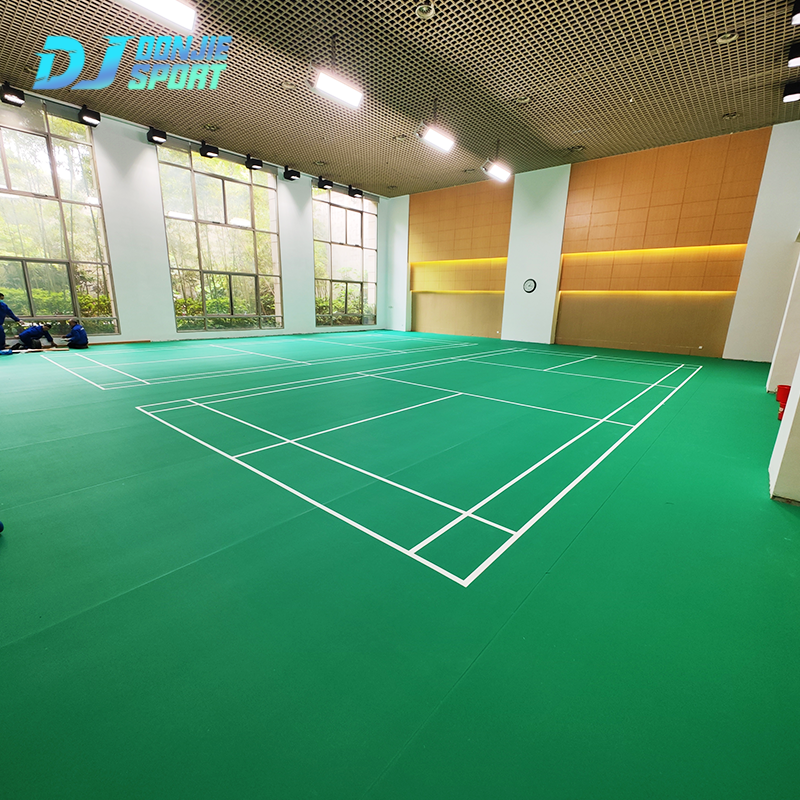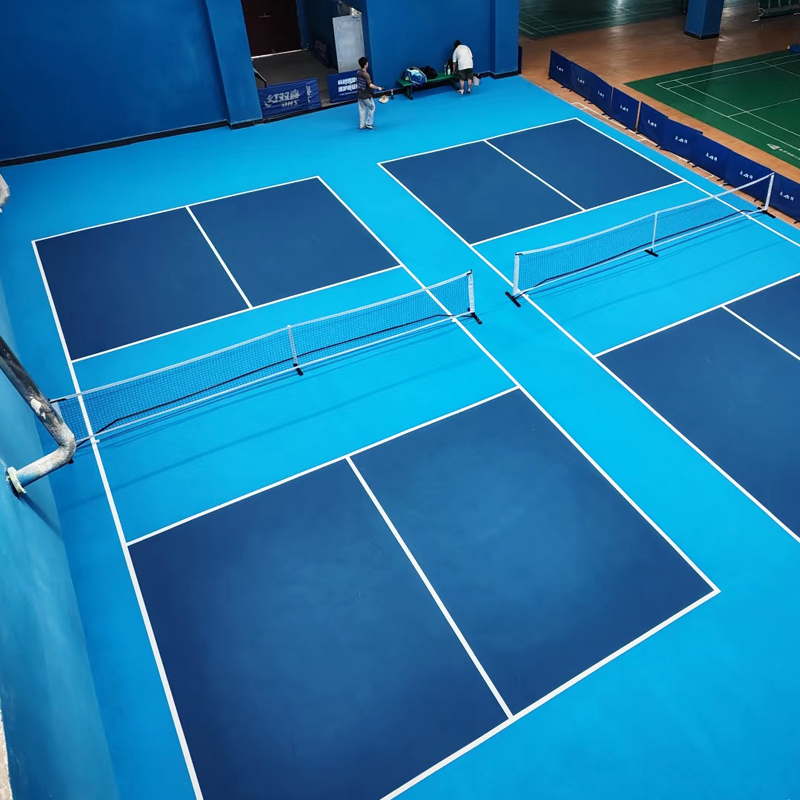
Pickleball, a fast-paced sport that blends elements of tennis, badminton, and table tennis, has become a favorite among athletes of all ages. As the sport continues to grow in popularity, so does the need for quality courts that enhance performance. One of the most crucial factors in creating the ideal pickleball environment is the flooring. The right surface can improve a player’s speed, reduce the risk of injuries, and ensure consistent play. In this article, we explore how choosing the best flooring for your pickleball court can help enhance performance.
Understanding the Impact of Flooring on Pickleball Performance
The flooring of a pickleball court is not just a surface to stand on—it plays a significant role in how the game is played. The right flooring can improve player performance by providing the right balance of grip, cushioning, and ball bounce. A court with the wrong surface can hinder movement, cause discomfort, and even lead to injury.
Here’s how flooring impacts performance:
-
Speed: The texture and material of the floor can affect the pace of the game. A slick or too-hard surface might slow players down, while a surface with good traction allows them to move freely.
-
Bounce: Different surfaces affect how the ball bounces. A consistent and predictable bounce is crucial for competitive play.
-
Grip: The surface needs to offer enough traction to prevent slipping, especially during quick directional changes or lateral movements.
-
Injury Prevention: Floors with appropriate cushioning help reduce strain on joints, especially the knees and ankles, which are often stressed in fast, reactive movements typical of pickleball.
Types of Flooring Materials for Pickleball Courts
Pickleball courts can be constructed from a variety of materials, each offering unique benefits. Below are the most common types of flooring used for pickleball courts:
-
Rubber Flooring:
Rubber is a popular choice for indoor pickleball courts because it provides excellent shock absorption. This helps reduce joint strain during extended play sessions. Rubber flooring is durable, easy to clean, and offers a non-slip surface, making it ideal for high-intensity games. It also reduces noise, which is beneficial in indoor settings where noise control is important. -
PVC Flooring:
PVC (polyvinyl chloride) flooring is another excellent choice for both indoor and outdoor pickleball courts. Known for its durability and low maintenance, PVC surfaces are designed to withstand wear and tear. PVC flooring can also be engineered for specific performance characteristics, such as optimal ball bounce and traction, making it ideal for both recreational and competitive players. -
Wood Flooring:
Wood is a traditional material commonly used in indoor courts. It offers a classic look and provides a consistent bounce for the ball. However, it requires more maintenance compared to other options, and it may not offer the same level of shock absorption as rubber or PVC. Wood surfaces can also be slippery when wet, making them less ideal for outdoor courts. -
Tile Flooring:
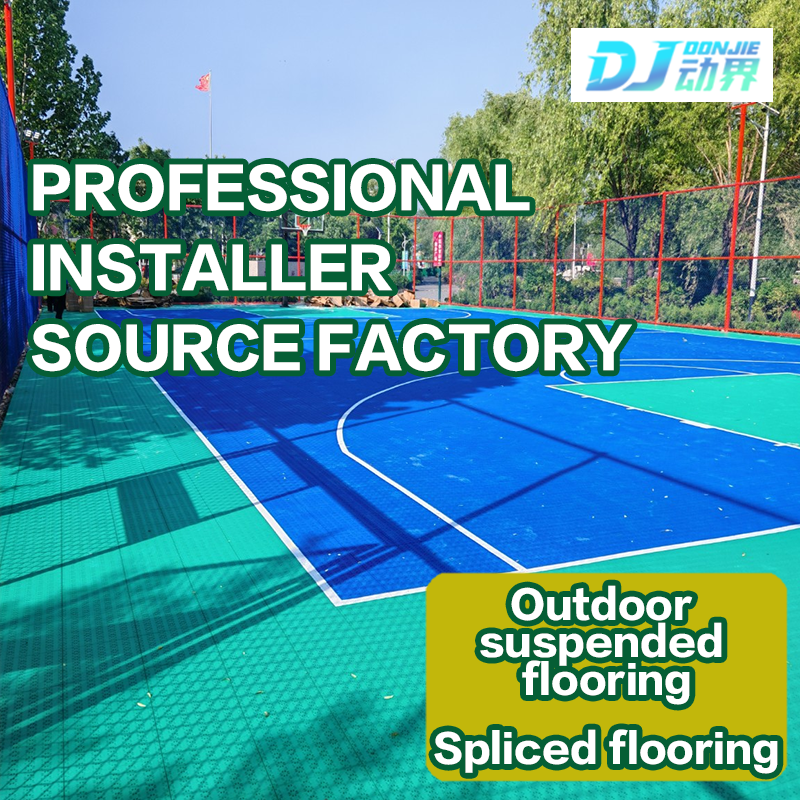
Tile flooring is a modular option that is easy to install and replace. It is ideal for outdoor courts as it can withstand various weather conditions, such as extreme heat and rain. Tile surfaces are designed for durability, but they require specific installation to ensure the surface is level and consistent across the entire court.
Choosing the Right Surface Based on Court Location
The location of your pickleball court plays a significant role in determining the best flooring type. Indoor courts often have different requirements compared to outdoor courts.
-
Indoor Courts:
Indoor courts require flooring that provides excellent grip, bounce, and consistency. Materials like rubber or PVC are ideal for these environments as they can handle high foot traffic while providing the necessary support for quick lateral movements. Additionally, indoor flooring should have sound-dampening properties to minimize the echo in larger indoor arenas. -
Outdoor Courts:
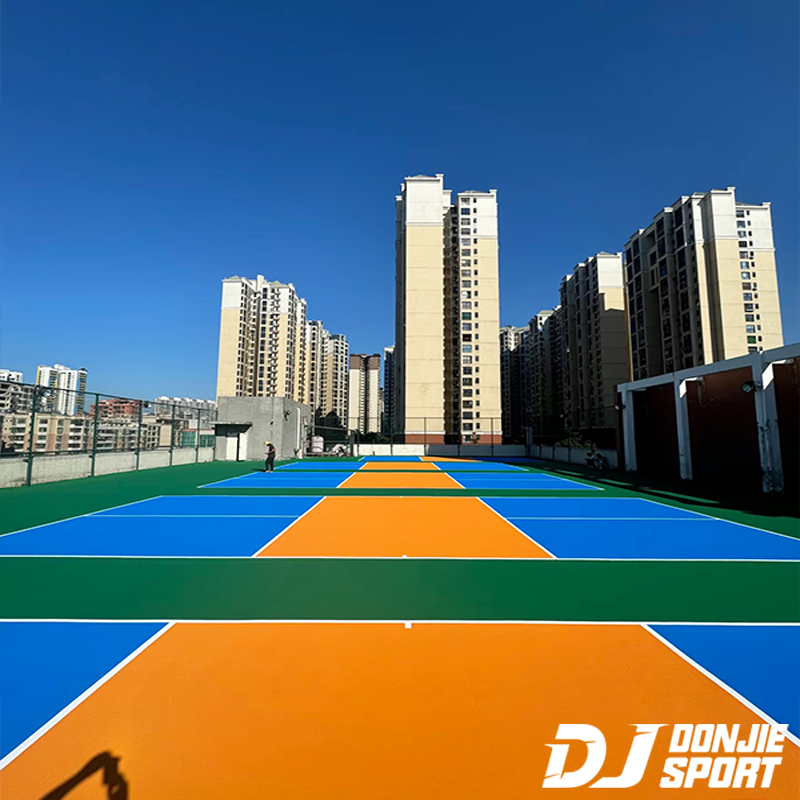
Outdoor courts need flooring that can withstand the elements, including temperature fluctuations, moisture, and UV rays. PVC and tile flooring are great options for outdoor pickleball courts because they are durable and weather-resistant. These materials offer excellent grip and bounce consistency, even under harsh weather conditions.
How Flooring Affects Player Health and Safety
Health and safety should be a top priority when selecting pickleball flooring. The right surface can protect players from injury while enhancing their overall playing experience.
-
Prevention of Common Injuries:
Pickleball involves quick movements, sudden stops, and frequent direction changes, all of which can put strain on joints, particularly the knees, ankles, and hips. Flooring that provides adequate cushioning, such as rubber or PVC, can help absorb impact and reduce the risk of injury. Surfaces with too little cushioning or too much hardness can contribute to joint pain and increase the likelihood of sprains and strains. -
Traction and Stability:
Traction is another critical factor in preventing falls and injuries. Flooring materials like rubber and PVC offer superior grip, reducing the likelihood of players slipping, even during intense rallies. The texture of the surface also affects stability, ensuring players can make quick movements with confidence.
Performance Features to Look for in Pickleball Flooring
When selecting flooring for a pickleball court, there are several key performance features to consider:
-
Bounce Consistency:
The ball’s bounce is a critical component of the game. Different flooring materials offer varying levels of bounce, with some providing a higher bounce and others offering a lower bounce. For competitive play, consistency is key. PVC and rubber surfaces are typically designed to offer a consistent bounce across the entire court. -
Traction and Grip:
A good pickleball surface must provide excellent traction to prevent slipping. Both PVC and rubber are engineered to offer superior grip, allowing players to make quick, controlled movements without fear of losing their footing. -
Surface Texture:
The texture of the flooring affects how the ball reacts during play. A surface that is too rough may create erratic bounces, while a smoother surface may result in a slower game. The ideal texture provides a balanced interaction between the ball and the floor, ensuring a smooth and predictable game.
Durability and Maintenance of Pickleball Flooring
Durability and ease of maintenance are essential factors to consider when choosing pickleball flooring. Courts that experience high traffic or exposure to outdoor elements require a surface that can withstand wear and tear.
-
Durability:
Flooring materials like PVC and rubber are known for their long-lasting performance. They are designed to endure high levels of activity and exposure to the elements without deteriorating quickly. Wooden floors, on the other hand, require more frequent maintenance and may wear down faster with heavy use. -
Maintenance:
Rubber and PVC floors are relatively easy to maintain. A simple cleaning routine, such as sweeping and occasional washing, is often sufficient to keep them in good condition. Wood floors may require refinishing over time to maintain their appearance and performance.
How to Choose the Best Flooring for Your Facility
Choosing the best flooring depends on several factors, including the location of your court, your budget, and the performance needs of your players.
-
Match Flooring to Player Needs:
For competitive players, PVC or rubber flooring is the best option due to its durability, bounce consistency, and player comfort. For recreational players, wood or tile may be a suitable choice, provided the surface is well-maintained. -
Cost vs. Benefit:
While materials like wood may be less expensive upfront, the cost of maintenance and repairs may be higher in the long run. Investing in durable materials like PVC and rubber might have a higher initial cost but can save money on repairs and replacements over time.
Conclusion
Choosing the right flooring for your pickleball court is essential for enhancing performance and ensuring player safety. By understanding the impact of different surfaces on bounce, grip, and injury prevention, you can make an informed decision that meets the needs of your players and facility. Whether you’re outfitting an indoor or outdoor court, investing in quality flooring will elevate the game and provide a better experience for everyone involved.