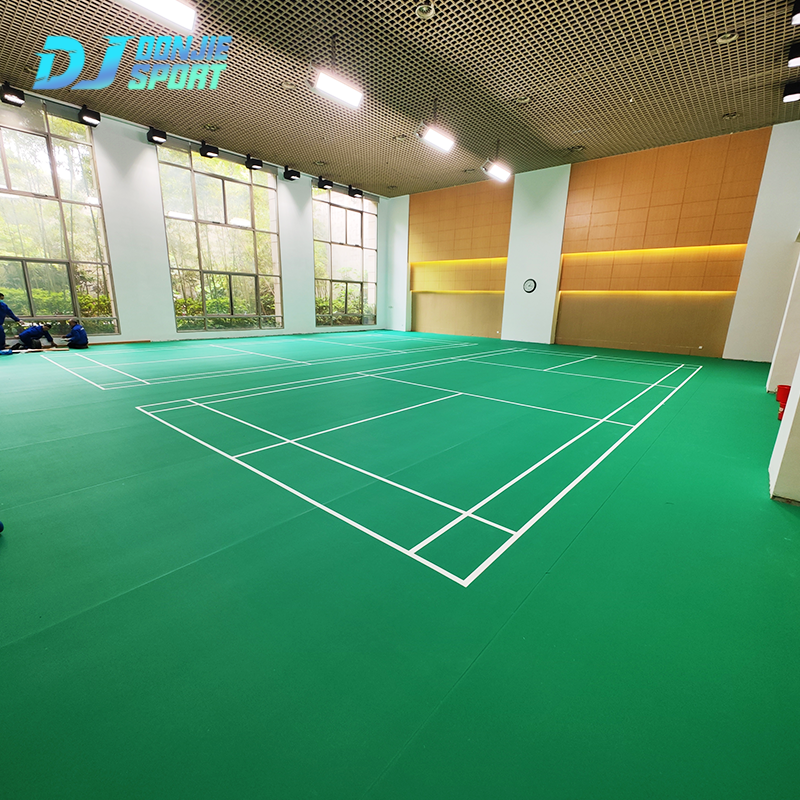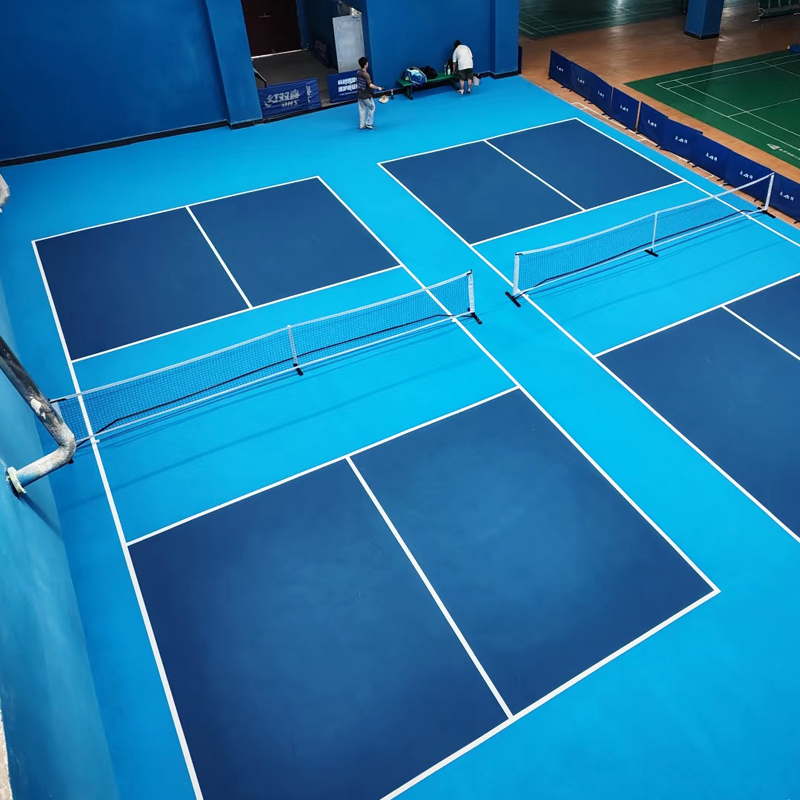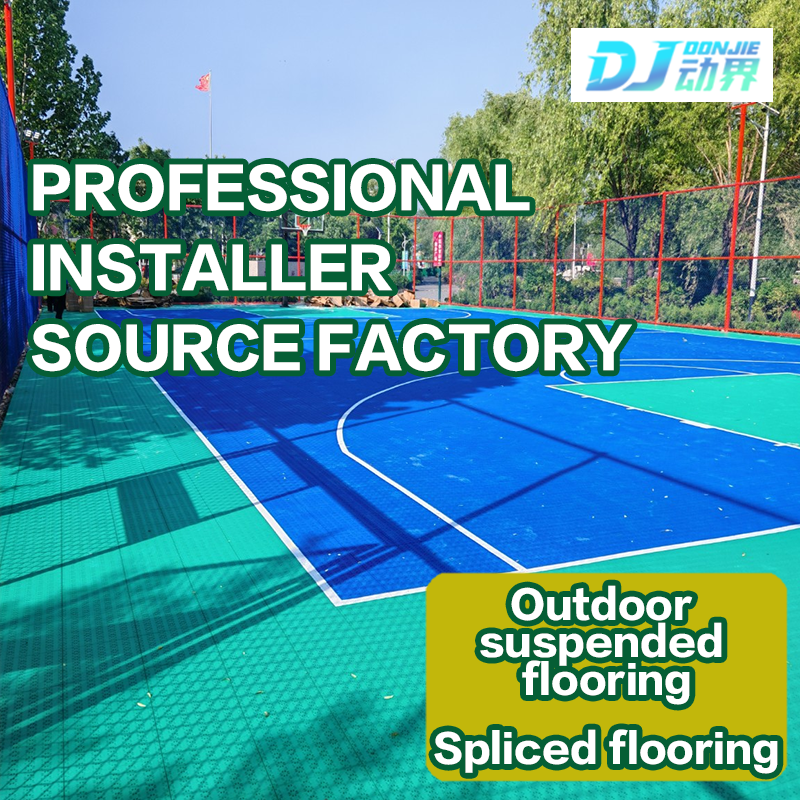
Choosing the right flooring for your pickleball court is crucial for providing an optimal playing experience. Whether you’re setting up an indoor court for competitive play or an outdoor court for recreational use, flooring mats are an essential component. Pickleball Court Flooring Mats offer the perfect combination of durability, comfort, and performance that players need. This article explores the key considerations when selecting flooring mats for your facility, ensuring a safe, high-performance environment for pickleball enthusiasts.
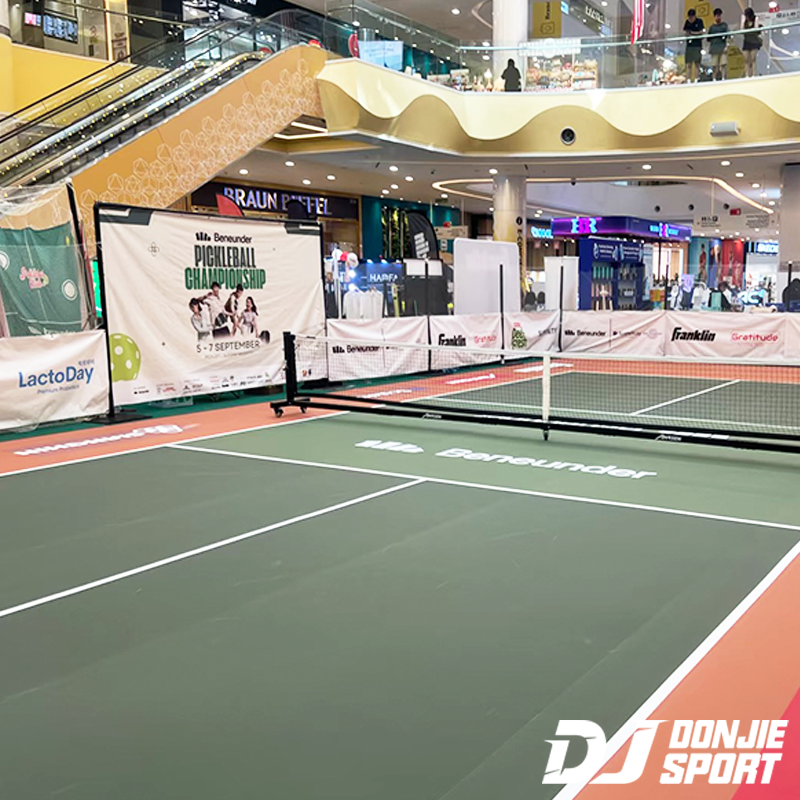
What Are Pickleball Court Flooring Mats?
Pickleball court flooring mats are specially designed surfaces that are used to cover the playing area of a pickleball court. They are typically made from high-quality materials such as PVC, rubber, or polyurethane, which provide the right balance of shock absorption, traction, and durability. These mats are available in various formats such as interlocking tiles, roll-out mats, and snap-together mats, each offering unique benefits depending on your court’s specific needs.
The primary function of these mats is to provide a smooth, level surface for pickleball games while also minimizing the risk of injury. Their slip-resistant texture and cushioning properties enhance player performance and comfort during long matches.
Key Considerations When Choosing Pickleball Court Flooring Mats
Durability
One of the most important factors to consider when choosing Pickleball Court Flooring Mats is their durability. Since pickleball courts are often used frequently, the flooring needs to withstand heavy foot traffic, impacts from balls, and general wear and tear. High-quality flooring mats made from robust materials will ensure that your court maintains its integrity over time, reducing the need for frequent replacements.
Shock Absorption
For player safety and comfort, shock absorption is another crucial factor. Flooring mats that absorb shock help reduce the strain on players’ joints and muscles, minimizing the risk of injuries such as sprains or strains. Proper cushioning ensures that players have a comfortable experience, even during long sessions of intense play.
Surface Texture
The surface texture of your flooring mats directly affects gameplay. A mat with the right amount of grip ensures that players can move quickly without slipping, while also allowing the ball to bounce predictably. Too much grip can slow down play, while too little grip can lead to players losing their footing. Finding the right balance is key to optimizing both player performance and safety.
Maintenance
Maintaining your pickleball court flooring mats is essential for keeping them in good condition. Choose flooring mats that are easy to clean and maintain, as this will save time and effort in the long run. Materials like PVC and rubber are often easier to maintain and can be cleaned with simple tools and cleaners, making them an ideal choice for busy facilities.
Aesthetic Considerations
Pickleball court flooring mats come in a variety of colors and designs. Whether you want to match the mats to your facility’s branding or create a vibrant, inviting court, there are plenty of options available. Customization allows you to create a court that reflects your style and enhances the overall atmosphere of your facility.
Benefits of Pickleball Court Flooring Mats
Enhanced Player Comfort and Injury Prevention
Flooring mats designed for pickleball courts help prevent injuries by providing cushioning that reduces impact on the body. The shock absorption properties of these mats help protect players from the stress of constant footwork and high-impact movements. This is particularly important for older players or those who play for extended periods.
Improved Ball Bounce Consistency
The consistency of the ball bounce is essential for competitive play. Pickleball Court Flooring Mats help maintain uniformity in ball bounce, ensuring that the game is predictable and fair. A well-maintained floor provides an even surface that allows for a consistent, reliable bounce during every match.
Weather Resistance for Indoor and Outdoor Courts
Many pickleball courts are used outdoors, which means that weather resistance is a must. Pickleball Court Flooring Mats are often designed to withstand the elements, including rain, UV rays, and temperature fluctuations. Choosing mats that are weather-resistant ensures that your court remains in good condition no matter what the weather brings.
Cost-Effectiveness
Compared to other types of flooring, such as hardwood or specialized synthetic surfaces, flooring mats offer a more affordable solution for pickleball courts. They are not only cost-effective to purchase but also easy to maintain, which means long-term savings for your facility.
Types of Pickleball Court Flooring Mats Available
Interlocking Mats
Interlocking mats are one of the most popular choices for pickleball courts. These mats fit together easily, creating a seamless playing surface without the need for adhesives or special tools. They are ideal for both temporary and permanent installations and are known for their durability and ease of maintenance.
Roll-Out Mats
Roll-out mats are another option that provides full coverage for the court. These mats are unrolled and laid flat across the surface, offering a smooth, continuous playing area. They are often lightweight and portable, making them a good choice for facilities that need to set up and take down their courts quickly.
Snap-Together Mats
Snap-together mats combine the best of interlocking and roll-out mats. These mats snap into place, creating a secure and stable surface for pickleball play. They are easy to install and remove, which is perfect for courts that need to be converted for other uses.
Installation of Pickleball Court Flooring Mats
Installing Pickleball Court Flooring Mats is a relatively straightforward process, especially if you choose interlocking or snap-together mats. However, regardless of the mat type, there are several steps and considerations to ensure a smooth and long-lasting installation.
Step-by-Step Guide to Installation
-
Prepare the Surface:
Begin by preparing the area where the mats will be installed. The floor should be clean, smooth, and level. If you’re installing mats over an existing surface, ensure that any debris, dirt, or moisture is removed. -
Choose the Right Mat Type:
Select the type of flooring mats that best suit your needs (interlocking, roll-out, or snap-together). Each type has its unique benefits, but interlocking and snap-together mats are generally easier to handle and require minimal tools. -
Lay Out the Mats:
Start by laying the mats in a grid pattern, beginning at one corner of the court. If you’re using interlocking or snap-together mats, simply connect the edges to create a continuous floor surface. For roll-out mats, unroll them carefully and ensure there are no wrinkles or air bubbles. -
Secure the Mats (if needed):
Depending on the mat type, you may need to use additional methods to secure the mats. For interlocking and snap-together mats, this step is often unnecessary, but roll-out mats may need to be taped or glued in place. -
Trim the Edges (if required):
If the mats extend beyond the boundaries of the court, trim the excess to ensure a clean, finished look. You can use a utility knife to cut the mats to the proper size. -
Check for Stability:
After installation, walk around the entire court to check that the mats are securely in place and there are no gaps or loose areas. Ensure that there is a stable and even surface across the entire court.
DIY vs. Professional Installation
While many people opt to install the mats themselves, professional installation services are available for those who prefer a hands-off approach. Professional installers will ensure that the mats are laid down properly, minimizing any errors that could affect the court’s usability. If you’re dealing with a larger or more complex installation, hiring a professional can save time and effort.
Tips for a Smooth Installation Process
-
Measure the Area: Accurately measure your court’s dimensions before purchasing mats to ensure you have enough coverage.
-
Consider the Surface: Be mindful of the surface you’re installing on (wood, concrete, etc.), as some mats are better suited for certain surfaces.
-
Use a Leveling Tool: If you’re using roll-out mats, ensure the surface is flat and even before installation.
-
Check the Mat Compatibility: Ensure that all mats are compatible with each other if you’re mixing different styles.
Maintenance and Longevity of Pickleball Court Flooring Mats
Proper maintenance is essential for extending the life of your Pickleball Court Flooring Mats and keeping them in good condition for years. Regular cleaning and care will ensure that the mats maintain their performance, appearance, and safety features.
Cleaning and Care Best Practices
-
Regular Sweeping and Vacuuming: To prevent dirt and debris from accumulating on the surface, regularly sweep or vacuum the mats.
-
Washing: For deeper cleaning, use a mild soap solution and a soft cloth or mop to wipe down the mats. Avoid harsh chemicals, as they can damage the surface material.
-
Remove Stains Quickly: If a spill or stain occurs, clean it immediately to prevent the mat from absorbing the liquid or developing permanent marks.
How to Repair or Replace Damaged Mats
Over time, wear and tear can cause some mats to become damaged. However, repairing or replacing individual mats is simple:
-
Interlocking Mats: If a single mat becomes damaged, you can easily replace it by removing the affected mat and slotting a new one into place.
-
Roll-Out Mats: For roll-out mats, you may need to replace the entire mat if it becomes significantly damaged. However, small tears or issues can be patched with adhesive.
-
Snap-Together Mats: Like interlocking mats, snap-together mats can be replaced individually by removing the damaged pieces and connecting the new mats.
Signs It’s Time to Replace Your Flooring Mats
-
Visible Wear and Tear: If your mats show signs of significant wear such as deep grooves, cracks, or worn-down areas, it may be time for a replacement.
-
Loss of Shock Absorption: If the mats no longer provide the cushioning they once did, this could signal a decline in their protective properties.
-
Discoloration: While aesthetic issues may not affect performance, significant discoloration can be a sign of damage from UV rays or chemicals.
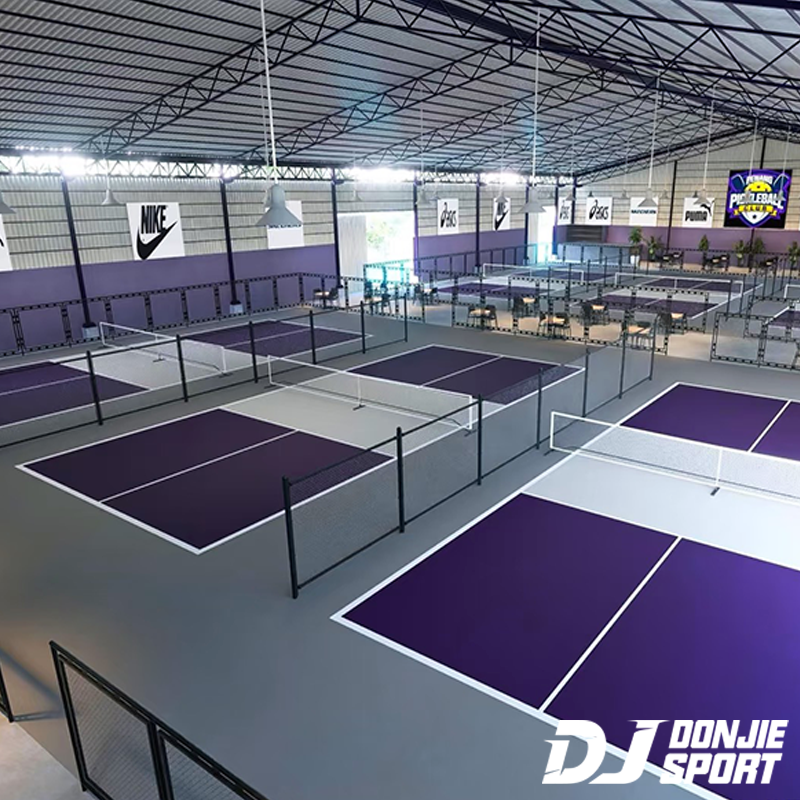
Choosing the Best Pickleball Court Flooring Mats for Your Facility
When selecting the best Pickleball Court Flooring Mats for your facility, consider the following factors to make an informed decision.
Factors to Consider Based on Court Usage Frequency
-
High-Traffic Courts: For courts that are used frequently, such as in public or commercial facilities, opt for mats made from durable, long-lasting materials. Interlocking or snap-together mats are often the best choice for heavy use.
-
Occasional Use: If the court is for recreational use or sporadic play, roll-out mats or lower-cost options may suffice.
Budget Considerations: Quality vs. Cost
While it’s tempting to go for the cheapest option, remember that the quality of the mats will directly impact player safety and performance. Investing in high-quality mats can save you money in the long run by reducing the need for frequent repairs or replacements.
Recommendations for Different Types of Facilities
-
Community Centers: Interlocking or snap-together mats are great choices, as they are durable, easy to install, and customizable to the space available.
-
Professional Courts: For professional facilities, high-end roll-out mats or snap-together mats provide the ultimate in performance and consistency.
-
Home Courts: For personal courts, roll-out mats or smaller interlocking mats offer an affordable yet functional solution.
Conclusion
In conclusion, selecting the right Pickleball Court Flooring Mats is essential for creating a safe, comfortable, and high-performing environment for your players. Consider factors like durability, shock absorption, and ease of maintenance when making your decision. With the right flooring, your pickleball court will provide players with a consistent playing experience and a longer lifespan for your facility.