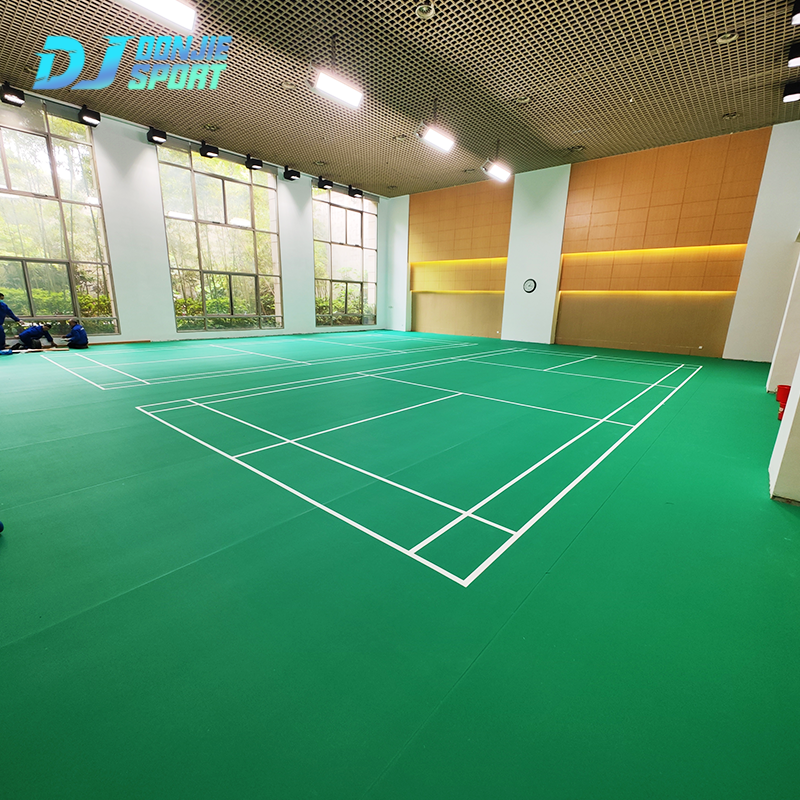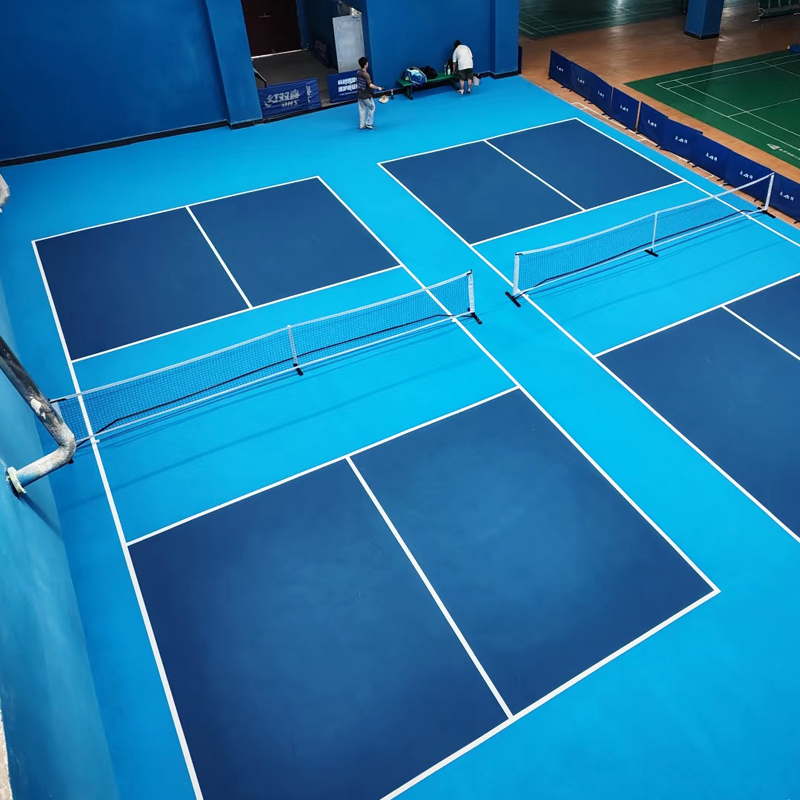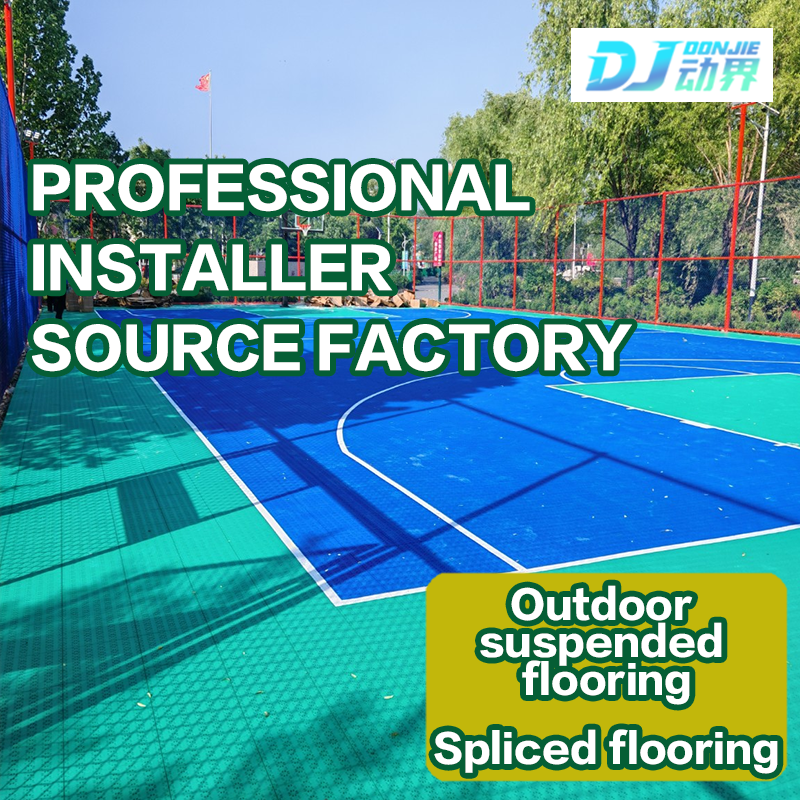
Choosing the right Pickleball Court Flooring is one of the most critical decisions for any facility owner or club manager. The flooring not only affects the overall playing experience but also impacts player safety, court longevity, and maintenance requirements. A well-chosen surface enhances ball bounce, traction, and comfort, ensuring players can perform at their best while reducing the risk of injuries. Whether you are setting up an indoor recreational facility, a school gym, or an outdoor community court, understanding the key factors in selecting the right flooring will help you make an informed decision that benefits both players and your investment.

Understanding Different Types of Pickleball Court Flooring
Acrylic and Synthetic Surfaces: Pros and Cons
Acrylic surfaces are popular for outdoor courts due to their smooth, durable finish and vibrant colors. They provide consistent ball bounce and require minimal maintenance. Synthetic surfaces, often combined with cushioning layers, offer enhanced player comfort and reduced joint strain. However, both types may require resurfacing over time and are more prone to fading or cracking under extreme weather conditions if not properly maintained.
PVC Flooring for Pickleball Courts: Durability and Maintenance Benefits
PVC flooring has gained attention as an ideal solution for both indoor and outdoor Pickleball courts. Its high durability makes it resistant to wear, scratches, and UV damage. PVC surfaces are easy to clean, require minimal maintenance, and provide excellent shock absorption, which protects players’ joints during high-intensity games. PVC flooring also comes in modular designs, allowing for easy installation and replacement of individual sections.
Rubber Flooring for Pickleball: Shock Absorption and Comfort
Rubber flooring is especially valued for indoor Pickleball courts due to its superior cushioning properties. It reduces fatigue, prevents slipping, and offers excellent noise reduction. While rubber may be less suitable for outdoor courts exposed to direct sunlight over long periods, it remains a top choice for gyms, community centers, and multi-purpose sports halls.
Modular Interlocking Tiles: Flexibility and Easy Installation
Modular interlocking tiles are becoming increasingly popular for Pickleball courts due to their adaptability. They can be installed over concrete or asphalt surfaces without adhesives, making them ideal for temporary or multi-use venues. Interlocking tiles allow for easy customization of court size and layout, and damaged tiles can be replaced individually, saving on long-term maintenance costs.
Key Considerations When Selecting Pickleball Court Flooring
Player Safety: Slip Resistance and Cushioning
Player safety is paramount when choosing flooring. Surfaces should offer slip resistance to prevent injuries, especially during quick lateral movements and sudden stops. Proper cushioning helps absorb impact, reducing stress on knees, ankles, and lower back. Flooring with consistent traction ensures players can move confidently and maintain high performance.
Performance Characteristics: Ball Bounce, Speed, and Grip
Different flooring materials affect ball behavior. Acrylic and PVC surfaces provide consistent bounce and predictable ball speed, which is essential for competitive play. Rubber surfaces may slightly reduce ball speed but enhance player comfort. Choosing the right balance between performance and comfort depends on the primary use of your Pickleball court, whether for casual play, professional training, or tournaments.
Climate and Weather: Indoor vs Outdoor Flooring Needs
Environmental conditions are crucial in flooring selection. Indoor courts require materials that minimize noise, provide adequate cushioning, and withstand high foot traffic. Outdoor courts need UV-resistant, weatherproof materials that can handle rain, heat, and temperature fluctuations. Proper drainage and surface texture are also important to maintain safety and playability.
Maintenance Requirements: Cleaning, Repair, and Lifespan
A flooring option’s maintenance needs directly impact long-term cost and usability. PVC and interlocking tiles are generally easier to maintain, while acrylic surfaces may require periodic resurfacing. Rubber flooring needs regular cleaning to prevent dust and debris accumulation. Understanding maintenance requirements helps ensure your Pickleball court remains safe, attractive, and functional for years.
Installation and Subfloor Requirements for Pickleball Courts
Preparing the Base: Concrete vs Asphalt Subfloors
The subfloor forms the foundation for any Pickleball court. Concrete provides a stable, long-lasting base suitable for both indoor and outdoor courts. Asphalt is often used for outdoor recreational courts but may require more frequent maintenance. Ensuring a level, smooth surface is essential for consistent ball bounce and overall court performance.
Importance of Professional Installation vs DIY Options
While some flooring options allow DIY installation, professional installation guarantees correct alignment, secure adhesion, and compliance with safety standards. Skilled installers can identify potential issues such as uneven subfloors or drainage problems, ensuring your Pickleball court performs optimally from day one.
Common Installation Mistakes to Avoid
Common errors include inadequate subfloor preparation, improper expansion spacing for modular tiles, and incorrect adhesive application. Avoiding these mistakes prevents uneven surfaces, premature wear, and costly repairs.
Cost vs Quality: Making the Smart Investment in Pickleball Court Flooring
Comparing Initial Costs and Long-Term Value
High-quality flooring may have a higher initial cost, but it offers longer lifespan, better player performance, and reduced maintenance. Budget flooring might seem cost-effective but can result in higher repair costs and frequent replacement.
Budget-Friendly Options without Compromising Safety and Performance
Modular PVC tiles and synthetic surfaces provide a balance between affordability and durability. They maintain safety standards while allowing flexibility for court upgrades or changes.
ROI Considerations for Clubs, Schools, and Recreational Facilities
Investing in premium flooring enhances player experience, attracts more members, and reduces long-term operational costs. For educational institutions and community centers, high-quality Pickleball court flooring can increase program participation and provide a safer environment for players of all ages.
Enhancing Player Experience with the Right Pickleball Court Flooring
Comfort and Fatigue Reduction During Play
Cushioned surfaces minimize joint stress, allowing players to engage in longer sessions without discomfort. Flooring with proper shock absorption improves agility and responsiveness, contributing to better overall performance.
Visual Appeal: Colors, Patterns, and Court Markings
A visually appealing court can enhance player enjoyment and attract more users. Many flooring options offer customizable colors and patterns while maintaining regulation markings, creating an attractive, professional playing environment.
Multi-Purpose Use: Adapting Flooring for Other Activities
Some venues require courts for multiple sports or community activities. Modular or synthetic surfaces can accommodate different uses without compromising Pickleball performance, offering greater flexibility for facility managers.
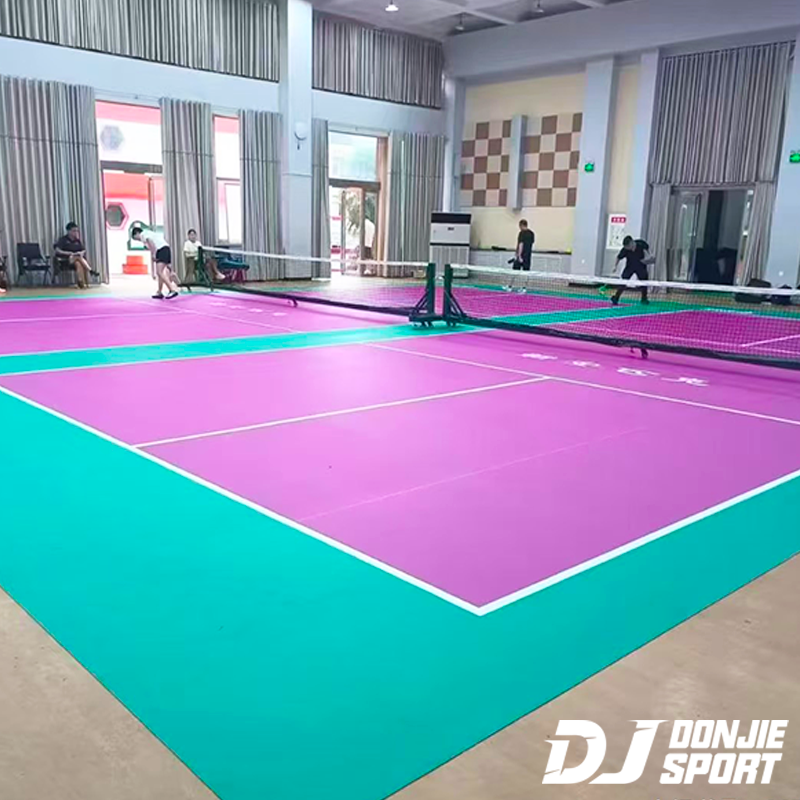
Maintenance and Longevity Tips for Pickleball Court Flooring
Routine Cleaning Practices
Regular sweeping, mopping, and spot cleaning remove dirt and debris, preserving traction and appearance. Avoid harsh chemicals that may damage the surface.
Handling Wear and Tear: Spot Repairs vs Full Replacement
Interlocking tiles allow individual replacement of damaged sections. For continuous surfaces, minor scratches can often be repaired, but large-scale damage may require resurfacing.
Seasonal Care for Outdoor Courts
Outdoor courts benefit from periodic inspections for cracks, pooling water, or UV damage. Applying protective coatings and ensuring proper drainage extends the lifespan of the flooring.
Conclusion
Selecting the right Pickleball Court Flooring involves balancing player safety, performance, maintenance, and cost. Understanding different materials, installation methods, and environmental considerations ensures that your venue provides a superior playing experience while remaining durable and low-maintenance. By investing in high-quality flooring, you protect players, maximize court longevity, and create a facility that attracts enthusiasts for years to come.