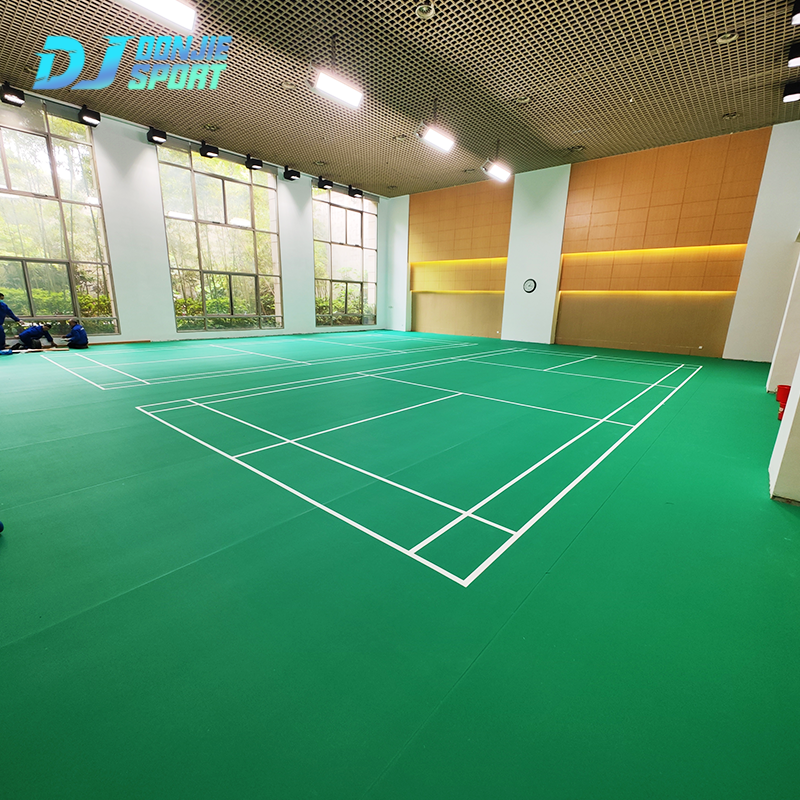
Pickleball has become one of the fastest-growing sports in recent years, attracting players of all ages and skill levels. As more people embrace this fast-paced game, the importance of having the right playing surface has never been clearer. Whether you’re building a new court or upgrading an existing one, choosing the right flooring is crucial for ensuring optimal performance, safety, and longevity. Among the most popular choices for pickleball court flooring are rubber and PVC materials, each offering unique advantages that can enhance the play experience.
In this article, we will explore why rubber and PVC are the top choices for pickleball court flooring, highlighting their benefits and comparing the two to help you make the best decision for your facility.
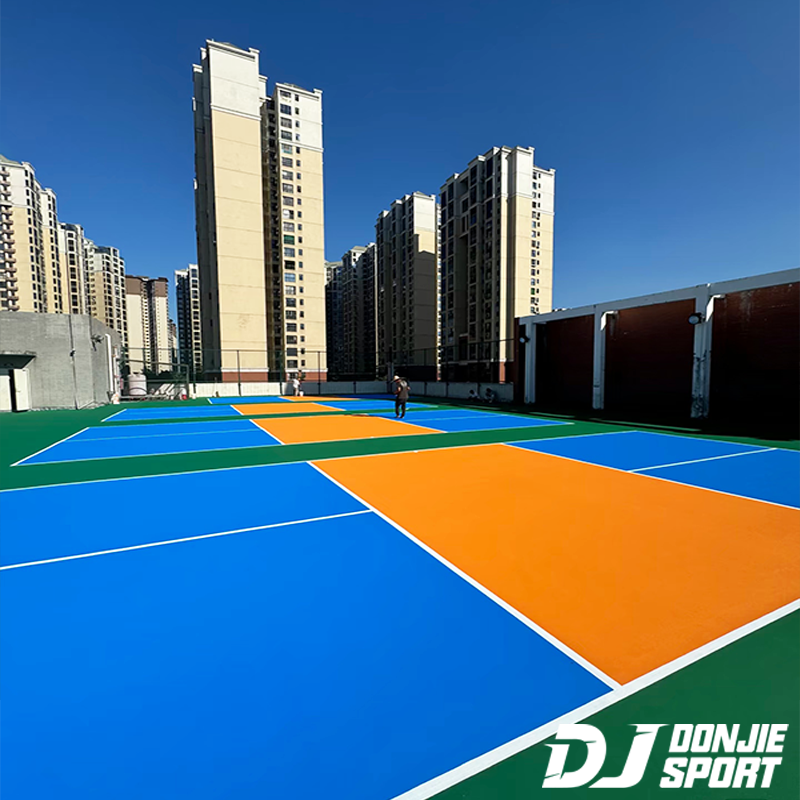
What Makes Pickleball Court Flooring Special?
Pickleball is a sport that demands speed, agility, and precision. The right court surface plays a pivotal role in supporting these physical requirements. Pickleball courts need to provide a balance of traction, cushion, and durability. A surface that’s too hard can lead to discomfort and injury, while a surface that’s too soft may not provide the necessary bounce or stability for competitive play.
High-quality flooring ensures that players can move freely without compromising safety. It also helps to absorb the impact from fast, frequent movements, reducing the strain on joints and muscles. Beyond player comfort, the flooring also needs to withstand intense use, both in terms of foot traffic and exposure to various environmental elements (especially for outdoor courts).
Rubber Flooring: Benefits for Pickleball Courts
Rubber flooring has long been a popular choice for sports facilities, and for good reason. Here are some of the key benefits rubber flooring offers for pickleball courts:
Shock Absorption and Impact Resistance
Rubber provides excellent shock absorption, reducing the impact on players’ joints. This is particularly important in a sport like pickleball, which involves frequent lateral movements and sudden stops. With rubber flooring, players experience less strain on their knees, hips, and ankles, which can contribute to fewer injuries over time.
Durability and Weather Resistance
Rubber is highly durable and resistant to wear and tear. It can withstand heavy foot traffic and the outdoor elements without losing its integrity. This makes it a great option for both indoor and outdoor pickleball courts. For outdoor courts, rubber’s ability to resist UV rays, rain, and temperature fluctuations ensures a long-lasting surface that maintains its performance and appearance.
Comfort and Player Safety
Rubber’s natural cushioning properties provide a comfortable playing experience, making it ideal for players who engage in longer sessions. The surface also helps minimize the risk of slips and falls, offering enhanced safety during fast-paced play. Its textured surface provides better grip, which can boost player confidence and performance.
Maintenance and Cleaning Advantages
Maintaining rubber flooring is relatively simple. It requires minimal care compared to other materials, needing only occasional cleaning to keep the surface in optimal condition. Its resistance to stains and moisture means it remains low-maintenance, which is especially advantageous for busy pickleball venues.
PVC Flooring: The Ideal Choice for Pickleball Courts
PVC flooring is another excellent option for pickleball courts, offering a range of benefits that make it particularly attractive for sports facilities:
Cost-Effectiveness and Long-Lasting Durability
PVC flooring is generally more affordable than rubber, making it a popular choice for facilities working within a budget. Despite its cost-effectiveness, PVC provides long-lasting durability, with the ability to withstand years of heavy use without significant wear.
Non-Slip Surface and Enhanced Grip
One of the key features of PVC flooring is its non-slip surface, which ensures a secure grip for players during quick movements. Whether playing indoors or outdoors, PVC flooring maintains excellent traction, reducing the likelihood of slips and falls. This is especially important in a sport like pickleball, where agility and fast reflexes are key.
Easy Installation and Maintenance
PVC flooring is also known for its ease of installation. Many PVC flooring options come in interlocking tiles, which allow for a quick and hassle-free setup. Additionally, PVC is low-maintenance, requiring only occasional sweeping and mopping to keep it in great condition. For outdoor courts, it also resists mold and mildew, making it a practical choice for humid climates.
Versatility for Indoor and Outdoor Courts
PVC flooring is highly versatile, making it suitable for both indoor and outdoor pickleball courts. For outdoor courts, PVC tiles can be designed with drainage channels to prevent water buildup, ensuring a safer and more durable playing surface. Indoor PVC flooring is ideal for creating a smooth, consistent court surface, improving the ball bounce and overall playability.
Rubber vs. PVC Flooring: A Comparative Overview
Both rubber and PVC flooring offer significant benefits for pickleball courts, but there are key differences between the two materials:
-
Rubber Flooring: Ideal for providing comfort, impact absorption, and a high level of durability, particularly for outdoor courts. It is better suited for venues that prioritize player safety and comfort.
-
PVC Flooring: Known for its affordability and easy maintenance, PVC is a great option for both indoor and outdoor courts, especially when installation time and cost are a consideration.
The choice between rubber and PVC will depend on several factors, including budget, usage frequency, and environmental conditions. Rubber is often preferred for competitive or outdoor venues, while PVC is a popular choice for recreational facilities or indoor courts where ease of maintenance and cost-effectiveness are important.
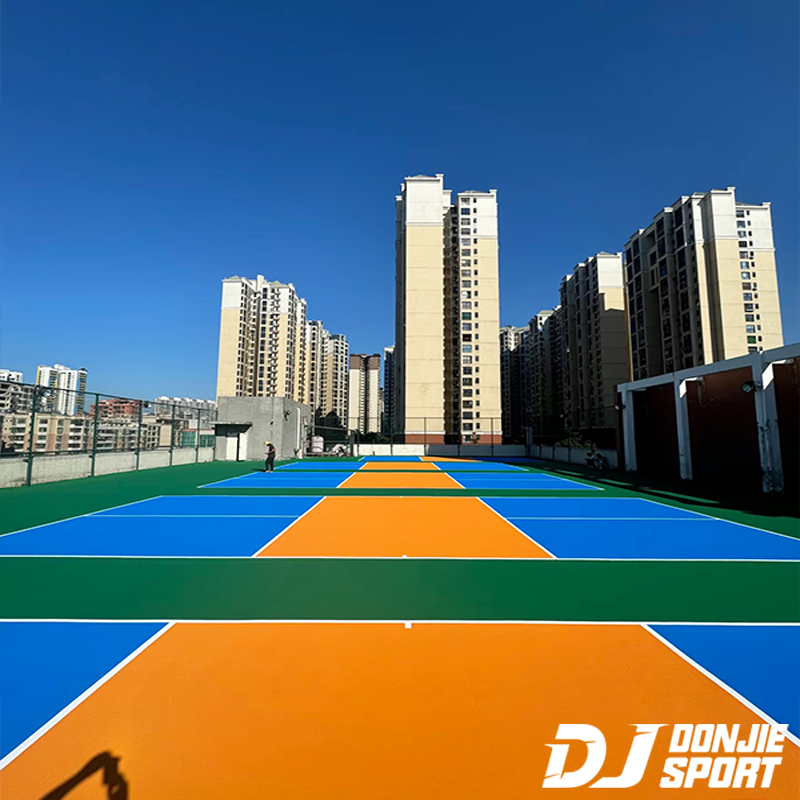
How to Choose Between Rubber and PVC Flooring for Your Pickleball Court
When deciding between rubber and PVC flooring, consider the following:
-
Budget: If you’re working with a tight budget, PVC flooring may be the better option due to its lower cost.
-
Usage: For high-traffic courts or competitive environments, rubber’s durability and shock absorption may be preferred. PVC is a great option for recreational play or venues with less frequent use.
-
Climate: For outdoor courts, rubber’s weather resistance makes it the top choice. However, PVC flooring designed for outdoor use can also perform well in mild climates.
Conclusion
Choosing the right flooring for your pickleball court is a decision that impacts both player performance and the longevity of the court. Rubber and PVC are both excellent materials, each with its own unique set of benefits. Rubber provides superior comfort and durability, making it ideal for outdoor and high-use courts, while PVC offers a more budget-friendly, low-maintenance solution for both indoor and outdoor courts.