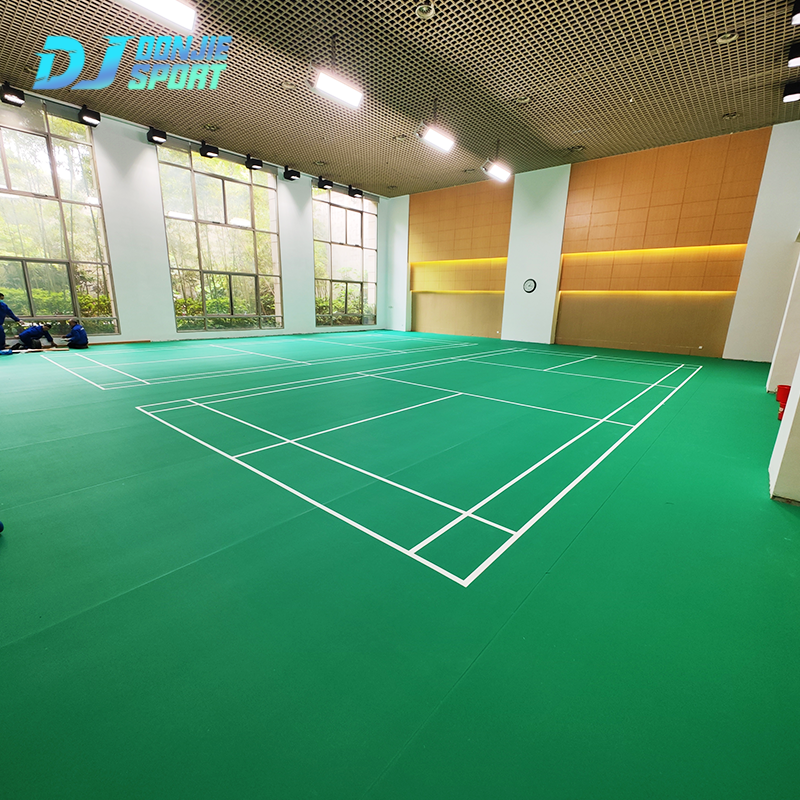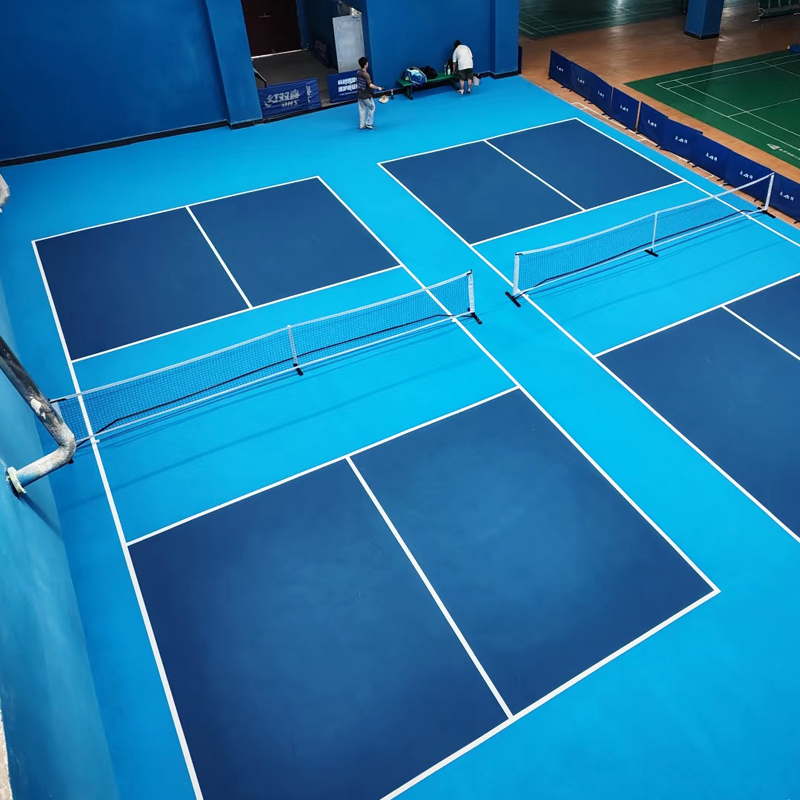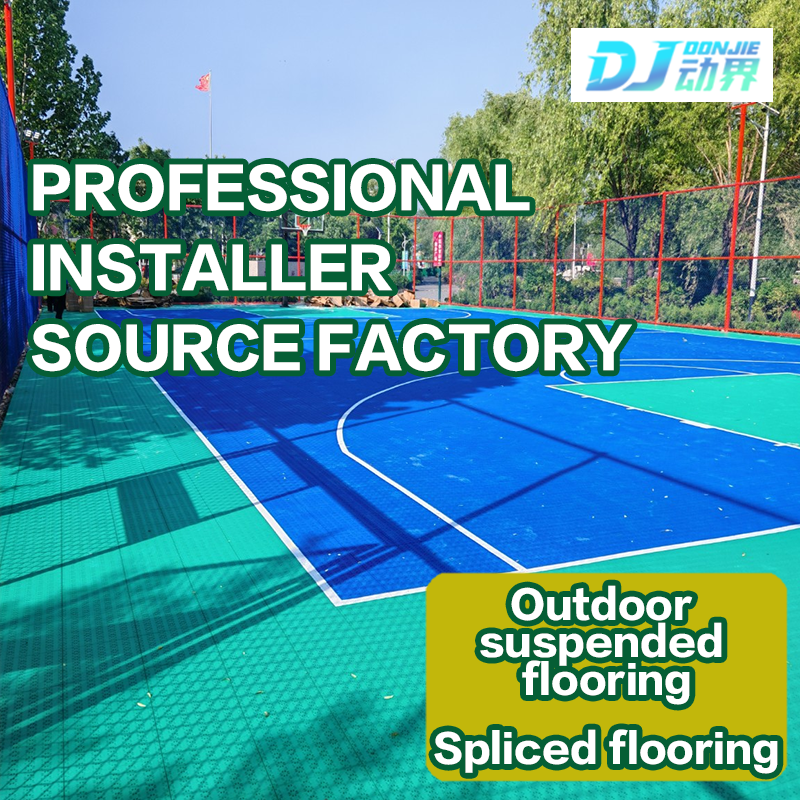
When it comes to creating the ultimate pickleball court, one of the most crucial decisions you’ll make is choosing the best flooring. The surface beneath your feet can significantly impact your playing experience, safety, and the performance of your game. Whether you’re setting up a court for professional athletes or enjoying casual matches with friends, the right flooring material will ensure optimal traction, durability, and comfort. This article will explore the best flooring options for pickleball courts and help you understand how to create a top-tier playing environment.
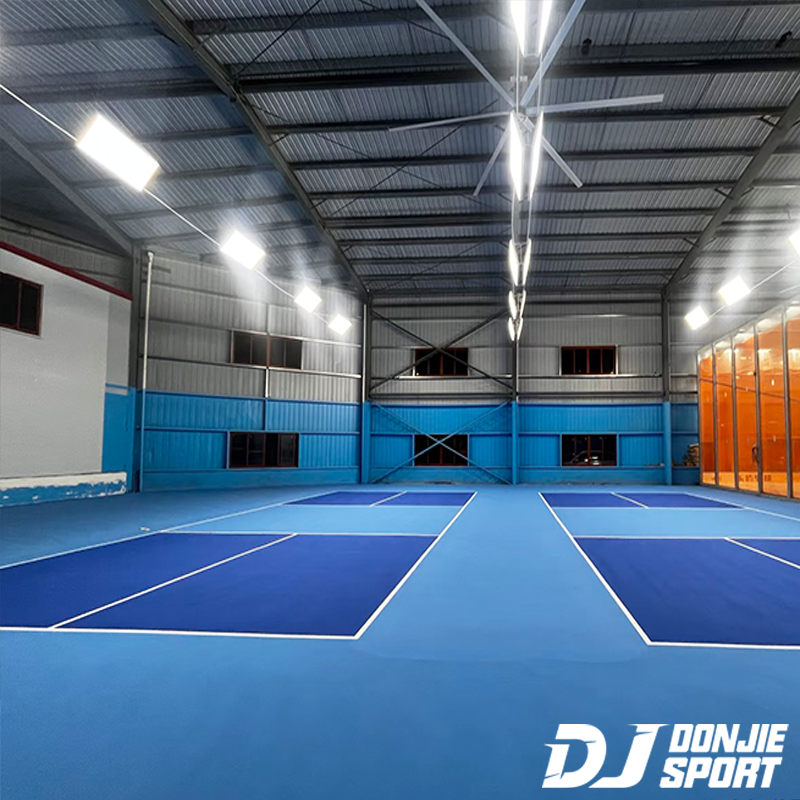
Understanding the Requirements for Pickleball Court Flooring
Why Flooring Matters
Selecting the right flooring for a pickleball court is essential for ensuring player safety and enhancing the overall game experience. The flooring influences how the ball bounces, how players move across the court, and how comfortable and safe they feel during play. A well-designed court surface reduces the risk of injuries such as sprained ankles and knee pain while also providing consistent ball bounce for fair play. Proper flooring also contributes to the aesthetic appeal of the court, creating a professional and welcoming atmosphere for both recreational players and competitive athletes.
Key Factors to Consider
When choosing the best flooring for pickleball courts, there are several factors to consider:
-
Traction: Players need sufficient grip to prevent slipping during quick movements and directional changes. Flooring with proper traction reduces the risk of falls.
-
Shock Absorption: Floors that absorb shock help protect players’ joints, making the sport more comfortable, especially during long play sessions.
-
Durability: Pickleball is a high-impact sport that requires flooring that can withstand regular use and harsh conditions. The flooring must be durable enough to resist wear and tear.
-
Weather Resistance: For outdoor courts, the flooring must be able to withstand the elements, including sun exposure, rain, and temperature fluctuations.
-
Maintenance: The flooring material should be easy to maintain and repair, ensuring that the court remains in top condition for extended periods.
Types of Flooring Materials for Pickleball Courts
PVC Flooring
Pros: PVC flooring is one of the most popular choices for pickleball courts, especially for indoor settings. It is lightweight, easy to install, and cost-effective, making it a great option for both commercial and residential courts. PVC flooring also offers a good balance between traction and comfort, which helps players move easily and safely.
Cons: While affordable, PVC flooring may not offer the highest level of durability in high-traffic areas. It can wear down over time and may require periodic replacement or maintenance, especially in outdoor environments.
Rubber Flooring
Pros: Rubber flooring is known for its excellent shock absorption properties, which are particularly beneficial for pickleball players who spend a lot of time on the court. It provides a comfortable playing surface that reduces strain on joints, making it ideal for indoor courts or multi-purpose facilities. Rubber flooring also offers superior traction, ensuring players have a firm grip during play.
Cons: Rubber flooring tends to be more expensive than other options, and it may require more maintenance over time. It also tends to retain heat, which can be uncomfortable in warm climates.
Interlocking Tiles
Pros: Interlocking tiles are easy to install, making them an ideal option for DIY projects or temporary courts. These tiles are also customizable, allowing you to create unique court designs or layouts. The interlocking system ensures that the tiles stay in place, and they are easy to replace if damaged.
Cons: Over time, interlocking tiles can experience gaps or unevenness, especially with heavy use. They may require more frequent adjustments or reinstallation to maintain a smooth playing surface.
Wood Flooring
Pros: Wooden floors offer a traditional and professional look, making them a popular choice for indoor pickleball courts. Wood flooring provides a smooth, consistent playing surface, and its natural aesthetic appeals to many players.
Cons: Wood requires regular maintenance and care, including refinishing and sealing. It can also become slippery if not properly treated, posing a safety risk. Additionally, wooden floors are not ideal for outdoor courts, as they are susceptible to weather damage.
Outdoor Sports Surfaces
Pros: Outdoor sports surfaces, such as specialized rubberized coatings or concrete-based materials, are designed to withstand the elements. These surfaces are UV-resistant and highly durable, making them ideal for pickleball courts exposed to the outdoors. Outdoor flooring options are typically low-maintenance and can withstand heavy foot traffic.
Cons: Outdoor sports surfaces may lose color over time due to sun exposure, and they may require periodic cleaning to prevent debris buildup. They also tend to be more rigid than indoor surfaces, which can affect the comfort of play.
Choosing the Best Flooring for Indoor vs. Outdoor Pickleball Courts
Indoor Flooring Needs
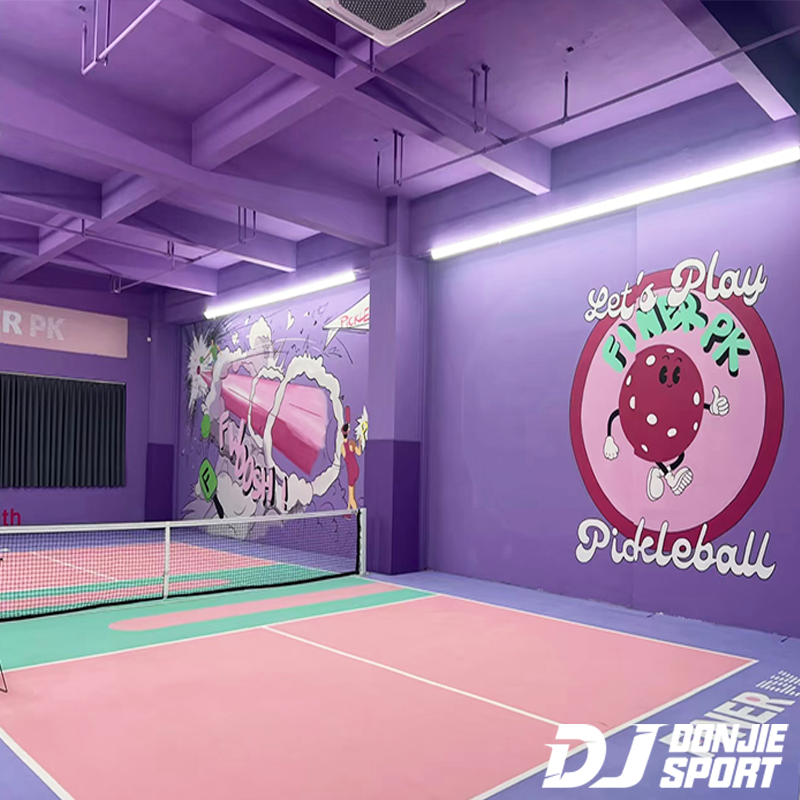
Indoor pickleball courts benefit from flooring materials that provide excellent traction and shock absorption. PVC and rubber are the most commonly used materials for indoor courts due to their durability and ease of installation. These surfaces ensure that players have a consistent grip and a comfortable playing experience. Additionally, indoor flooring needs to manage humidity and moisture to prevent mold and mildew, which is why moisture-resistant materials are crucial.
Outdoor Flooring Needs
Outdoor courts must be designed to withstand more demanding conditions. Outdoor flooring materials such as rubberized tiles or weather-resistant PVC are ideal for this purpose. These materials offer the necessary durability to withstand UV rays, rain, and temperature fluctuations while maintaining a consistent playing surface. Outdoor flooring also requires better drainage to prevent water accumulation, which can affect gameplay.
Benefits of High-Quality Flooring for Player Performance
Traction and Stability
The best flooring for pickleball courts provides optimal traction to ensure that players can move with confidence. A surface with good traction minimizes the risk of slipping or losing balance, especially during quick lateral movements. Flooring with the right texture allows players to plant their feet securely, enhancing both stability and performance.
Shock Absorption
Pickleball involves a lot of quick starts, stops, and lateral movements. Flooring with proper shock absorption minimizes the impact on players’ joints, particularly the knees, ankles, and hips. Rubber and PVC flooring are ideal for this purpose, as they provide cushioning without sacrificing stability.
Consistency and Ball Bounce
The flooring’s impact on the ball’s bounce is one of the most important factors in pickleball. A consistent bounce helps maintain a high level of play, ensuring that players can anticipate the ball’s trajectory. Properly chosen flooring will deliver an even, predictable bounce, contributing to the fairness and quality of the game.
Cost and Maintenance Considerations
Initial Cost vs. Long-Term Investment
The initial cost of installing pickleball court flooring varies depending on the material chosen. PVC and interlocking tiles are typically more affordable upfront, while rubber and wood flooring tend to be more expensive. However, it’s important to consider the long-term value. Flooring that requires less maintenance and offers greater durability may save money over time.
How to Maintain Your Pickleball Court Flooring
Maintenance is a key aspect of ensuring that your pickleball court remains in top condition. Regular cleaning, sealing (for wood flooring), and checking for wear and tear will help extend the lifespan of the flooring. For outdoor courts, cleaning debris and maintaining drainage systems is essential. It’s also important to inspect the flooring periodically for cracks, chips, or other damage that could affect the court’s playability.
Making the Right Decision for Your Facility
For Commercial Courts
Commercial pickleball courts need durable, low-maintenance flooring options that can handle high foot traffic. Materials like rubber or interlocking tiles offer long-lasting performance without requiring excessive upkeep. These surfaces are ideal for gyms, sports complexes, and public facilities where the court is used frequently by different players.
For Residential Courts
For home pickleball courts, cost and ease of installation may be higher priorities. Interlocking tiles or PVC flooring offer a good balance of affordability and quality, making them suitable for residential setups. DIY installation is often possible, allowing homeowners to save on installation costs.
DIY vs. Professional Installation
While DIY installation is an option for interlocking tiles and some PVC flooring, professional installation is recommended for other materials such as rubber and wood. Professional installers ensure that the flooring is properly aligned, leveled, and securely fitted to maximize performance and longevity.
Conclusion
In conclusion, choosing the best flooring for your pickleball court is essential for creating an optimal playing environment. Whether you’re looking for traction, shock absorption, or durability, the right flooring can significantly enhance player performance and safety. Consider the specific needs of your court—whether indoor or outdoor—and choose the material that best suits your budget, maintenance capabilities, and performance goals. With the right flooring in place, you can ensure that your pickleball court provides an enjoyable, long-lasting experience for players at all levels.