When setting up or upgrading your badminton facility, one of the most crucial decisions you’ll face is selecting the best flooring. The right badminton court flooring directly affects the quality of the game, player safety, and the overall maintenance of the facility. In this guide, we’ll explore the key factors you should consider to make an informed choice for your facility, ensuring long-lasting durability and a top-notch playing experience for athletes.
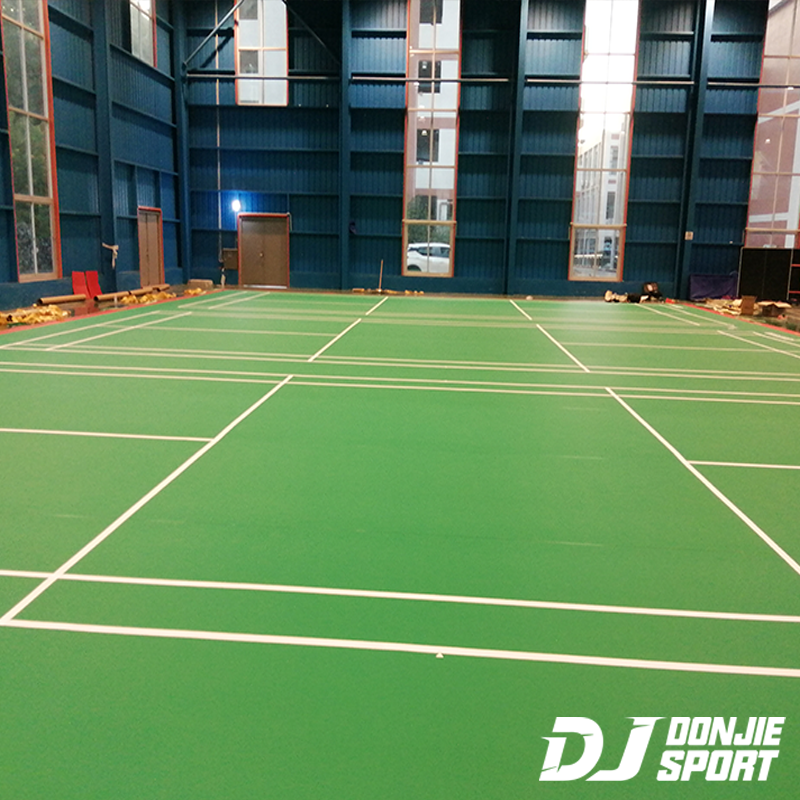
Why Flooring Matters for Badminton Courts
Badminton court flooring plays a significant role in enhancing the quality of the sport. The wrong flooring can lead to injury, poor gameplay, and costly repairs down the line. Let’s break down how the right flooring affects both player performance and safety.
-
Player Performance: Flooring contributes to how players move on the court, how quickly they can react, and how stable they feel during fast-paced movements. Poorly chosen flooring can result in inconsistent ball bounce, slipping, or injury risks, leading to a decrease in game quality.
-
Player Safety: Safety is a primary concern. Badminton requires quick lateral movements, so flooring should provide enough cushioning to prevent joint strain while offering slip resistance to avoid falls. Proper flooring ensures that players can perform at their best while minimizing the risk of injury.
Types of Badminton Court Flooring Options
The market offers various flooring options, each with unique benefits for badminton courts. Here’s a breakdown of the most popular choices:
-
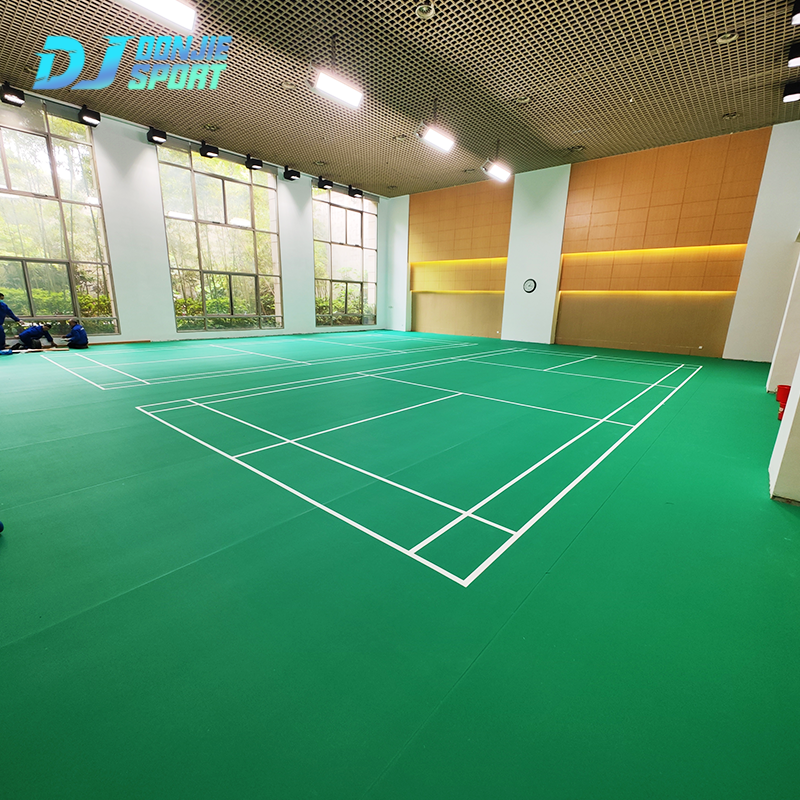
PVC Sports Flooring for Badminton Courts: PVC flooring is a popular choice for indoor badminton courts due to its durability, slip-resistance, and ease of maintenance. It provides excellent traction and cushioning, reducing the risk of injuries. Plus, it’s available in various colors and designs, making it a versatile choice for sports facilities.
-
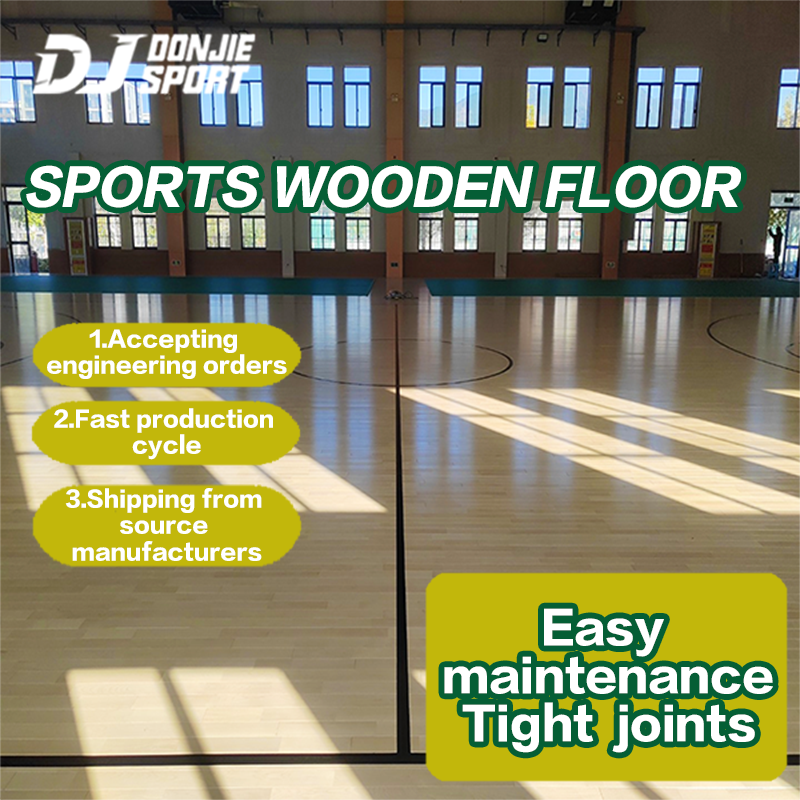
Wood Flooring vs. Synthetic Flooring: Traditional wood flooring, often used in professional badminton arenas, provides a classic aesthetic and a consistent ball bounce. Synthetic floors, on the other hand, are more cost-effective and easier to maintain while offering excellent performance and durability.
-
Rubber Flooring for Badminton: Rubber flooring provides an excellent balance of durability and comfort. It’s known for its shock absorption, reducing the strain on players’ joints during extended matches. However, it may not be as widely used in badminton as PVC or wood, but it can be a solid option for multipurpose sports venues.
-
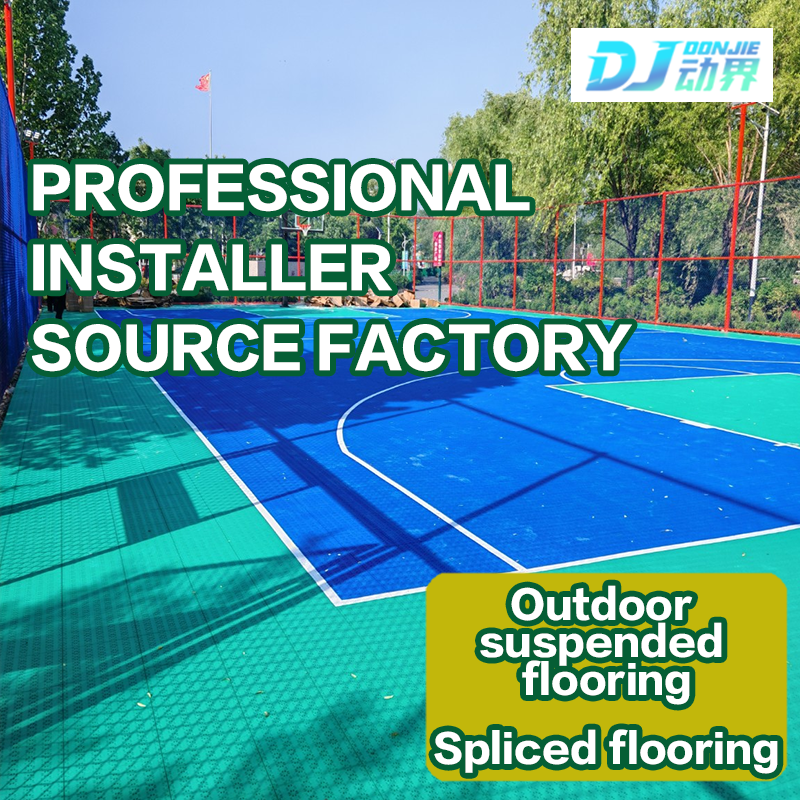
Interlocking Tiles for Badminton Courts: These modular tiles are ideal for venues that need easy installation and flexibility. They can be installed quickly and are perfect for temporary or outdoor badminton courts. The interlocking design makes them simple to replace or repair.
Choosing the Right Badminton Court Flooring Material
Choosing the right material for your badminton court is a decision that should be made based on several key factors:
-
Durability and Maintenance Considerations: Your flooring needs to withstand constant use. PVC and synthetic flooring options are known for their durability and resistance to wear and tear. They require minimal maintenance, making them ideal for busy facilities. Wood floors, while durable, may need occasional refinishing to maintain their appearance and performance.
-
Shock Absorption and Traction for Player Safety: Look for flooring with adequate cushioning to protect players’ joints, particularly during sudden movements. PVC and rubber options excel in this area, offering optimal shock absorption without sacrificing grip.
-
Environmental Impact and Sustainability: If sustainability is a priority, consider eco-friendly flooring options. Some PVC flooring options are made from recyclable materials, while others may contain harmful chemicals. It’s essential to choose a product that aligns with your sustainability goals.
-
Cost Factors: Budget constraints are always a consideration. Synthetic and interlocking tile options tend to be more affordable than high-end wood flooring, which may be better suited to professional-level courts.
Performance Features to Look for in Badminton Court Flooring
Badminton courts require specific performance features in flooring to ensure both player safety and game quality. Here’s what to prioritize:
-
Slip Resistance and Grip for Quick Movements: Good traction is vital for players to move swiftly without the risk of slipping. Look for flooring options with textured surfaces or coatings designed to prevent slippage, particularly in high-speed games.
-
Consistency in Bounce and Ball Control: The court’s surface should provide a consistent bounce for the shuttlecock. Flooring that is too soft or uneven can cause unpredictable bounces, which negatively affects gameplay.
-
Cushioning for Joint Protection: Badminton players rely on fast footwork and quick directional changes. Flooring that offers sufficient cushioning will help reduce the impact on their knees, ankles, and joints.
-
Low Dust Accumulation for a Clean Playing Surface: Dust and debris on the court surface can affect the game and create cleaning challenges. Flooring with a low-dust accumulation feature can help maintain a cleaner environment for both players and facility managers.
Installation Considerations for Badminton Court Flooring
Once you’ve chosen your flooring material, it’s time to consider installation:
-
DIY vs. Professional Installation: While some flooring options, like interlocking tiles, can be easily installed by your team, others—like PVC or wood floors—require professional installation. Ensure that you factor in the cost of installation when planning your budget.
-
Time and Effort Required for Installation: Some flooring options, such as interlocking tiles, offer quick installation with minimal downtime. On the other hand, wood or synthetic flooring may require more time for both installation and curing.
-
Maintenance and Upkeep After Installation: Once your court is ready, ongoing maintenance is key. Regular cleaning and occasional resurfacing may be necessary to ensure your court stays in peak condition, depending on the material.
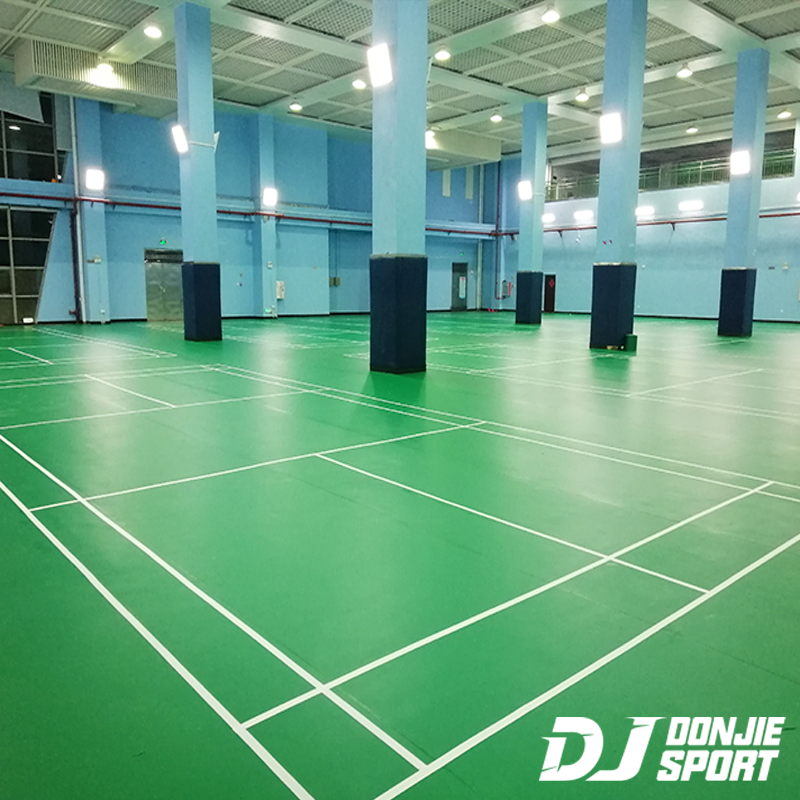
Top Flooring Brands for Badminton Courts
When it comes to flooring, quality is paramount. Some of the top manufacturers offering premium badminton court flooring include:
-
Gerflor: Known for its high-quality PVC flooring, Gerflor offers products designed to meet the needs of professional-level sports facilities.
-
Tarkett: A leader in flooring solutions, Tarkett’s sports floors provide excellent durability and comfort.
-
Harlequin: Specializing in sprung floors, Harlequin is a great choice for facilities seeking high-performance wood flooring options.
Conclusion
Choosing the best badminton court flooring requires careful consideration of your facility’s needs, budget, and player safety. By understanding the different types of flooring, their benefits, and the installation process, you can select the perfect option that enhances gameplay while ensuring long-lasting durability. Invest in the right flooring, and you’ll create an environment where players can perform at their best, while your facility remains in top condition.