
When setting up a professional badminton court, one of the most crucial decisions you’ll make is the selection of the flooring. The type of flooring you choose directly influences the players’ performance, safety, and the overall aesthetics of the court. A proper badminton flooring system is designed to provide the perfect combination of traction, shock absorption, and durability, ensuring that players can perform at their best while minimizing the risk of injury.
The right flooring not only supports fast movements, like quick stops and rapid directional changes, but also offers the essential cushioning to absorb impacts from jumps, dives, and fast-paced footwork. Furthermore, the court’s surface quality is key to ensuring consistent ball bounce, which is crucial for professional matches.
In this article, we will explore the different factors that go into choosing the perfect badminton flooring, how it impacts player performance, and the importance of investing in high-quality materials. Whether you’re upgrading an existing facility or designing a new one from scratch, understanding the role of flooring in badminton is the first step to creating a top-tier court.
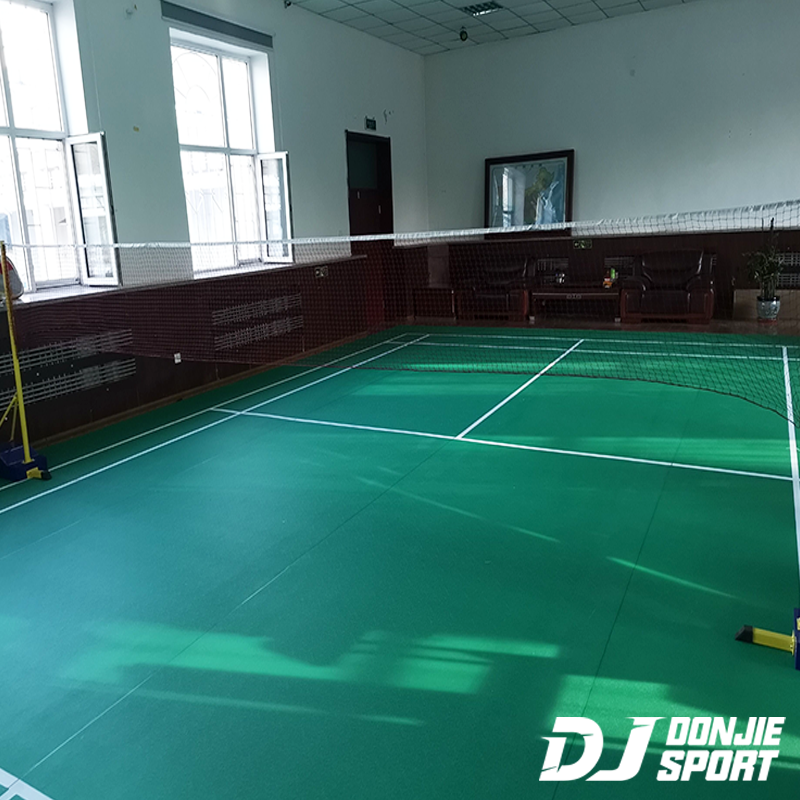
Understanding the Basics of Badminton Flooring
Badminton courts require a specific type of flooring to support the sport’s dynamic nature. Unlike other sports, badminton involves quick lateral movements, sudden stops, and high jumps. Thus, the flooring must be designed to handle these motions effectively while ensuring player safety.
Materials Used in Badminton Flooring
Badminton flooring typically falls into two categories: wooden and synthetic materials. Each material comes with distinct characteristics that suit different needs.
-
Wooden Flooring: Often considered the traditional choice, wood offers excellent resilience and provides a classic look. It is typically used for indoor courts in sports halls and gyms. The natural material also has good shock absorption and can help maintain player comfort during extended play.
-
Synthetic Flooring: Materials like PVC, polyurethane, and rubber have become increasingly popular. These synthetic options are designed for durability and consistent performance. They often offer better traction, easier maintenance, and greater resistance to moisture, which makes them ideal for both indoor and outdoor settings.
How to Choose the Right Flooring Material for Your Court
Choosing the right material depends on several factors:
-
Indoor or Outdoor Use: Indoor courts may benefit from wood flooring, while outdoor courts often require weather-resistant synthetic flooring.
-
Budget: Synthetic options tend to be more affordable and easier to install, whereas wood requires more investment in both materials and maintenance.
-
Play Frequency: High-traffic courts, like those in professional arenas or community centers, will need more durable, low-maintenance flooring materials.
Benefits of Quality Badminton Flooring
Quality badminton flooring enhances not only the aesthetic appeal of your facility but also the performance of the players. The right flooring system can offer multiple benefits.
Enhancing Player Performance and Comfort
A high-performance court flooring ensures players can move quickly, react faster, and play without discomfort. Flooring that absorbs shock helps reduce the stress on joints, providing a comfortable playing surface even during long sessions. By reducing the impact on the body, players are less likely to suffer from fatigue or injuries such as sprains or joint pain.
Durability and Longevity of Flooring Materials
Badminton floors are subject to a lot of wear and tear. Over time, the surface can become damaged by constant impact and friction from shoes and shuttlecock strikes. Investing in durable materials, such as high-quality synthetic options or premium wood, ensures that your court remains in top condition for many years with minimal upkeep.
Reducing Injury Risks with Proper Flooring
In sports like badminton, player safety is paramount. The right flooring helps in minimizing injuries like ankle sprains and knee issues by offering excellent shock absorption and slip resistance. Good-quality badminton flooring minimizes friction between shoes and the surface, preventing players from slipping while making quick directional changes.
Aesthetic Appeal and Court Design
Aside from performance, the flooring contributes significantly to the overall look of your badminton court. With options like polished wood or customized synthetic designs, you can create a court that aligns with your venue’s branding, creating a professional environment that attracts players and spectators alike.
Key Features to Look for in Badminton Flooring
Selecting badminton flooring requires an understanding of the specific features that will impact playability and longevity.
Shock Absorption and Cushioning
Shock absorption is one of the most important qualities in badminton flooring. It ensures that players are not subjected to excessive force when landing or making sudden moves, reducing the likelihood of joint injuries. Flooring with good cushioning helps support high-intensity movements and extends the comfort during long games.
Traction and Slip Resistance
Players need flooring that provides adequate grip without being too sticky. Flooring that offers optimal traction will prevent accidental slips, especially during quick lateral movements. This helps maintain player stability and prevents falls during crucial points in the game.
Consistent Ball Bounce for Professional Play
The flooring must also ensure that the shuttlecock bounces consistently across the court. If the floor is uneven, it can cause unpredictable bounces, affecting the flow of the game. Choosing the right flooring material that provides a uniform, reliable bounce is essential for professional-level play.
Easy Maintenance and Cleaning
Regular maintenance is essential to keeping the court in optimal condition. Synthetic floors often require less maintenance compared to wood, which can warp or stain over time. Additionally, flooring that is easy to clean ensures that your badminton court remains hygienic, especially in high-traffic public venues.
Choosing the Best Flooring for Your Badminton Court
When selecting badminton flooring, it’s essential to evaluate several factors, including court size, location (indoor vs. outdoor), and the type of play.
Comparing Wood vs. Synthetic Flooring Options
Wooden flooring provides a traditional look and feel but is more prone to wear and tear and requires extensive maintenance. On the other hand, synthetic flooring is more resilient, easier to install, and requires less upkeep, making it ideal for venues with high usage.
Understanding the Specific Needs of Different Court Sizes
For smaller courts, you might opt for roll-out vinyl or modular interlocking tiles that are easy to install and move. Larger, professional-level courts might require customized synthetic flooring systems that can be tailored for performance and aesthetic appeal.
Considerations for Indoor vs. Outdoor Courts
Indoor courts generally benefit from wooden or synthetic vinyl flooring, providing a consistent playing surface with shock-absorbing qualities. For outdoor courts, flooring must be weather-resistant and durable, making high-density PVC or rubber tiles ideal options for exposure to the elements.
Installation Process: What to Expect
Installing badminton flooring is a detailed process that ensures the court performs at its best.
Step-by-Step Guide to Installing Badminton Flooring
-
Prepare the Subfloor: Ensure the base layer is flat and even.
-
Lay the Flooring: Depending on the type of material (wood or synthetic), the installation process will vary. Interlocking tiles or roll-out vinyl may require different tools and techniques.
-
Seal and Finish: Apply finishes to protect the flooring and ensure longevity.
-
Quality Checks: Ensure the court surface is level and meets the required specifications.
Professional vs. DIY Installation: Which Is Best?
While DIY installation can be cost-effective, professional installation guarantees the job is done properly, reducing the chances of uneven surfaces or long-term maintenance issues. For complex installations, like wooden courts, professional installers are highly recommended.
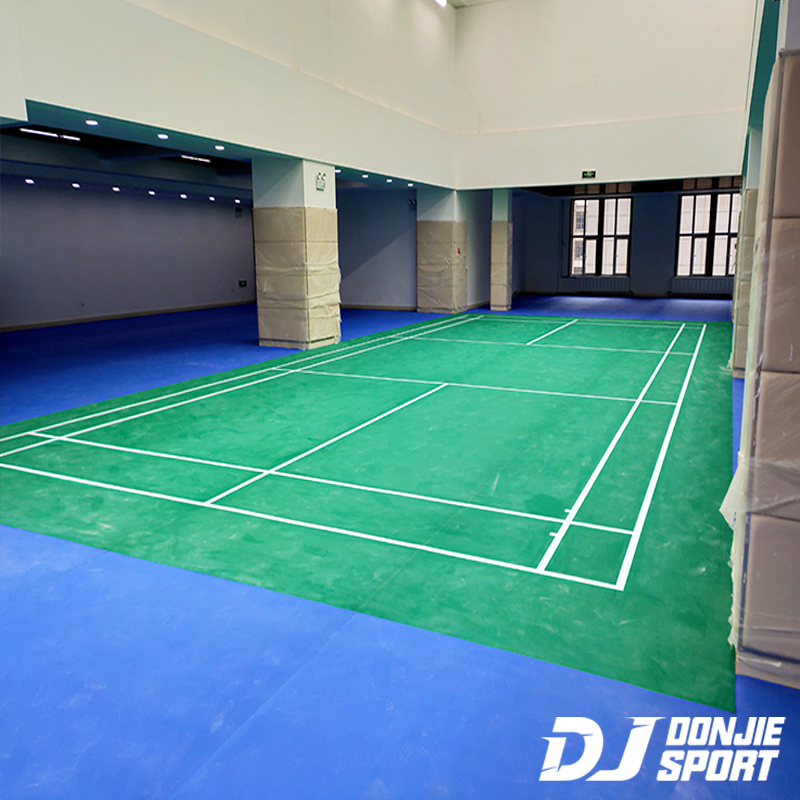
Time and Cost Considerations for Installation
Installation times vary depending on the type of flooring chosen. Synthetic materials are faster to install than wood. Costs will also vary depending on the material, court size, and labor costs.
Maintaining Your Badminton Flooring
Proper maintenance extends the life of your badminton flooring and keeps it in optimal condition for years.
Routine Maintenance for Longevity
Regular sweeping and cleaning are necessary to prevent debris from damaging the surface. Use appropriate cleaning products designed for your flooring type to avoid deterioration.
How to Clean and Protect Your Court Flooring
For synthetic floors, use mild cleaners to remove stains and scuff marks. Wooden floors should be regularly polished to prevent wear and maintain its shine.
Repairing Minor Damages to Avoid Major Costs
Small damages such as cracks or worn spots should be addressed immediately to prevent them from worsening. Many synthetic flooring options offer easy patching solutions.
Conclusion
Investing in quality badminton flooring is essential for creating a professional court that enhances player performance, minimizes injury risk, and lasts for many years. By carefully considering the material, features, and maintenance of your court flooring, you can ensure that your badminton facility is top-notch and ready for professional play. Whether you are installing a new court or upgrading an existing one, the right flooring will make a significant difference in your players’ experience and the longevity of your court.



