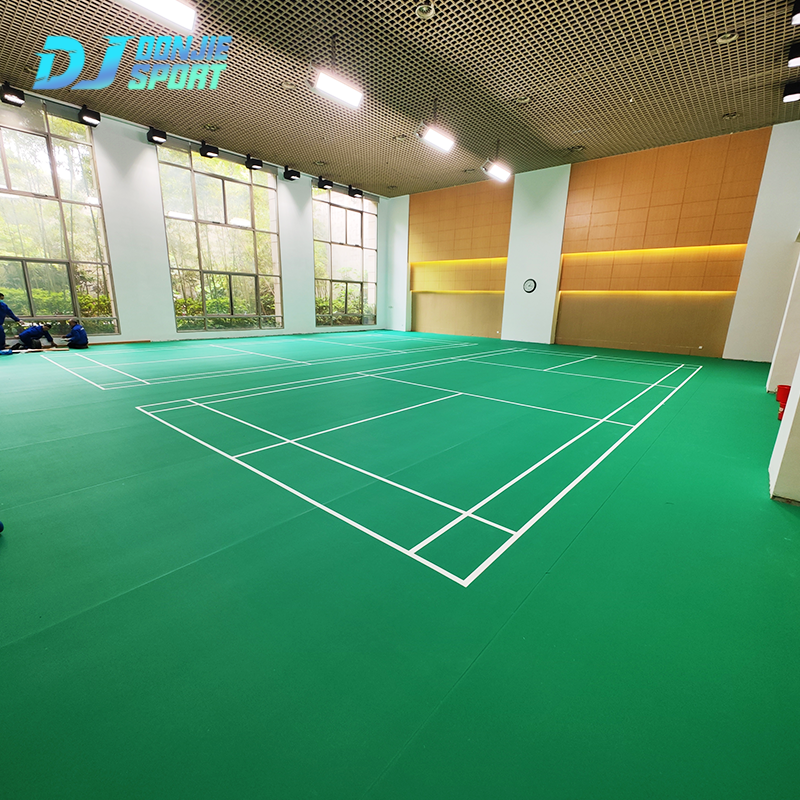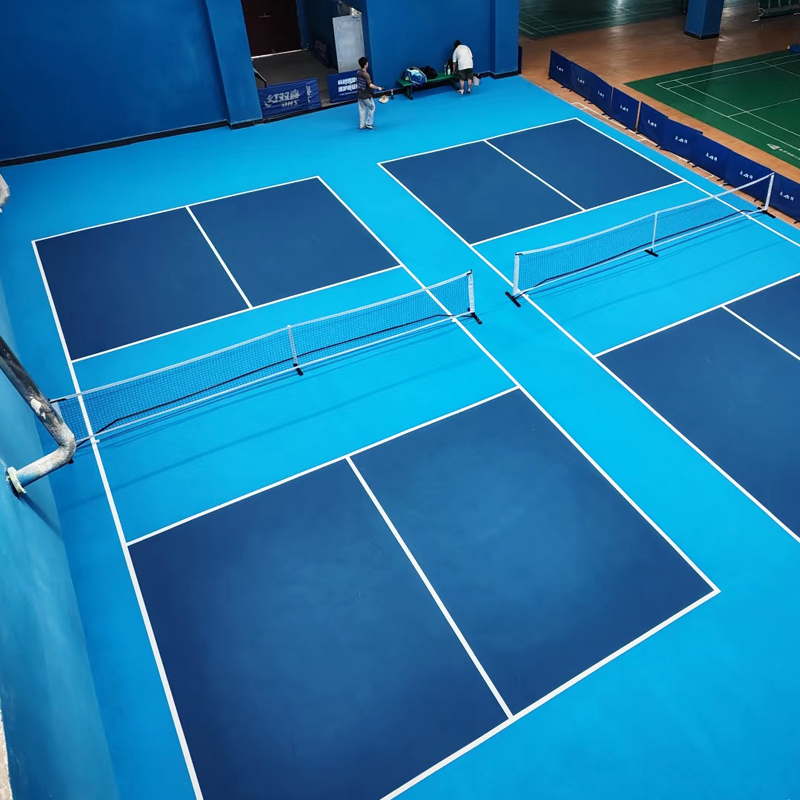
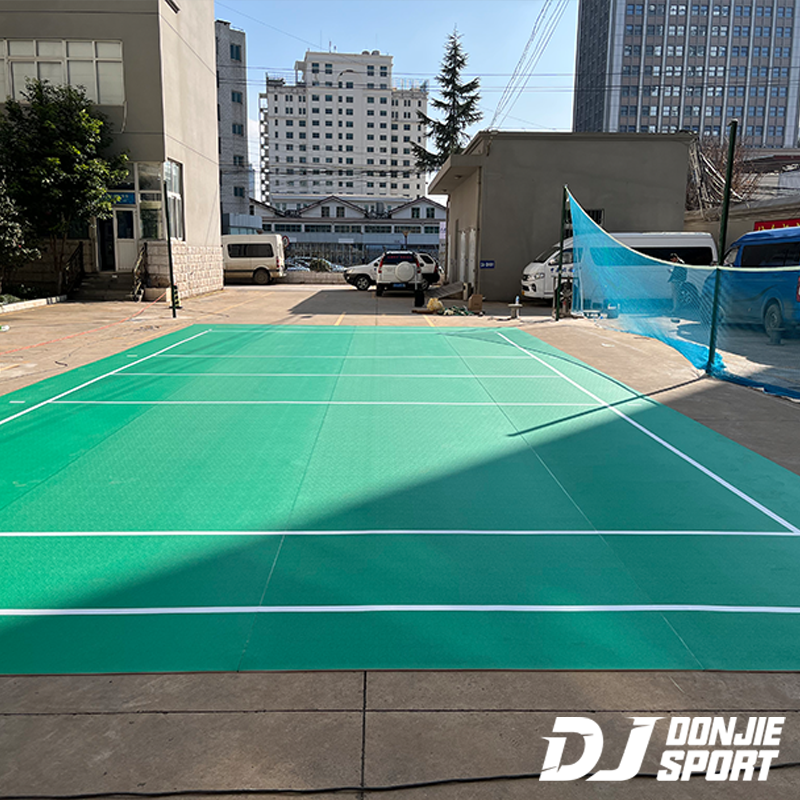
When it comes to badminton courts, the choice of flooring can significantly impact the game’s performance and player safety. Among the various options, synthetic flooring stands out as one of the best materials. Known for its durability, shock absorption, and non-slip properties, synthetic flooring ensures a comfortable, safe, and high-performing surface for players.
Not only does synthetic flooring offer excellent traction and cushioning, but it is also easier to maintain compared to traditional wooden floors. Whether you’re setting up a new facility or renovating an existing one, installing synthetic flooring for your badminton court is a worthwhile investment that will serve the court for years to come.
Choosing the Right Flooring for Badminton Courts
Why Synthetic Flooring is Ideal for Badminton
Synthetic flooring for badminton courts is a top choice due to several key factors. One of the primary reasons is its exceptional shock absorption, which helps reduce the risk of injuries caused by falls or sudden movements. Badminton is a fast-paced sport that requires players to make quick lateral movements, jumps, and quick stops. Synthetic floors provide a cushioning effect that minimizes impact on joints and muscles, ensuring a safer playing environment.
Moreover, synthetic flooring offers excellent non-slip properties, which are critical for player performance. The surface provides the right amount of grip for fast footwork while preventing slipping or sliding, especially in high-intensity matches.
Types of Synthetic Flooring Materials
There are several types of synthetic flooring materials commonly used in badminton courts, each offering unique benefits. The most popular materials include PVC, rubber, and polyurethane.
-
PVC (Polyvinyl Chloride) Flooring: PVC is a widely used material due to its affordability and versatility. It provides excellent shock absorption, is durable, and can be easily customized to match the needs of any sports facility.
-
Rubber Flooring: Rubber flooring is known for its superior grip and shock absorption properties. It’s also highly durable and can withstand heavy foot traffic, making it a great choice for multi-purpose courts.
-
Polyurethane Flooring: Polyurethane flooring is often used for professional and high-end badminton courts. It offers the best durability and cushioning, as well as an outstanding level of performance, making it ideal for competitive environments.
Choosing the right material depends on your specific needs, including the level of play (recreational or competitive) and your budget. However, all three materials offer the core benefits of synthetic flooring, making them suitable for a badminton court.
Preparation Before Installation
Assessing the Court Area
Before you begin installing synthetic flooring, it’s important to assess the court area to ensure proper fit and alignment. Start by measuring the dimensions of the court, ensuring it meets the standard regulations for a badminton court. Typically, a full-size court is 13.4 meters by 6.1 meters, but if you are installing flooring in a recreational space, it’s crucial to confirm the exact dimensions.
Next, inspect the subfloor. If the existing floor is uneven or damaged, it could affect the installation process and the performance of the synthetic flooring. Minor imperfections can be fixed by leveling the surface, but large cracks or unevenness may require additional preparation or resurfacing.
Cleaning and Preparing the Surface
The surface of the court should be clean and free of debris before installation. Any dirt, dust, or old adhesive residues can interfere with the adhesion of the synthetic flooring, leading to premature wear and poor performance.
For cleaning, use a broom or vacuum to remove loose dirt and dust, followed by a damp mop to clean any stubborn grime. Ensure that the floor is completely dry before proceeding.
Tools and Materials Needed for Installation
List of Tools
The installation of synthetic flooring requires a few essential tools to ensure proper placement and adhesion. Here is a list of the tools you’ll need:
-
Trowels or Spreaders: For spreading adhesive evenly on the floor.
-
Rubber Mallet: To gently tap the flooring into place without damaging the surface.
-
Spacers: For maintaining consistent gaps between tiles or planks (if applicable).
-
Utility Knife: For cutting and trimming the edges of the flooring to fit.
-
Measuring Tape: To ensure accurate dimensions and proper alignment.
-
Adhesive: Choose a high-quality adhesive that is suitable for synthetic flooring.
Selecting the Right Flooring Materials
Selecting the right synthetic flooring materials is crucial for a successful installation. Be sure to choose materials designed specifically for badminton courts, ensuring they offer the right balance of comfort, durability, and performance. Consult with your supplier or flooring expert to ensure you’re using the best product for your specific requirements.
Step-by-Step Installation Process
Step 1: Laying the First Layer
Start the installation by laying the first layer of synthetic flooring. Apply the adhesive evenly across the surface using a trowel or spreader. Be careful not to use too much adhesive, as it can create an uneven surface. Make sure the adhesive is spread thinly and consistently.
Step 2: Aligning the Flooring
Once the adhesive is in place, begin aligning the flooring tiles or planks. If you are using interlocking tiles, make sure they are connected properly to ensure a seamless and secure fit. For sheet flooring, carefully roll out the material, ensuring it aligns with the edges of the court. Use a rubber mallet to gently tap the tiles into place, ensuring they are firmly connected.
Step 3: Securing the Flooring
After aligning the flooring, it’s time to secure it. Press each piece firmly into the adhesive and make sure there are no gaps or air pockets beneath the surface. This will help prevent lifting or shifting of the tiles in the future. If you are using sheet flooring, you may need to roll it back up to apply more adhesive as you go along.
Step 4: Trimming Edges for a Perfect Finish
Once the flooring is laid, you’ll likely need to trim the edges to ensure a clean and polished look. Use a utility knife to carefully cut away any excess material around the perimeter of the court. Make sure to leave a small gap around the edges to allow for any expansion or contraction of the flooring.
Step 5: Ensuring Proper Curing
Allow the adhesive to fully cure before using the court. This typically takes around 24 to 48 hours, depending on the type of adhesive used. During this time, avoid walking on the floor or placing any equipment on it to ensure the best adhesion.
Post-Installation Care and Maintenance
Inspecting the Floor
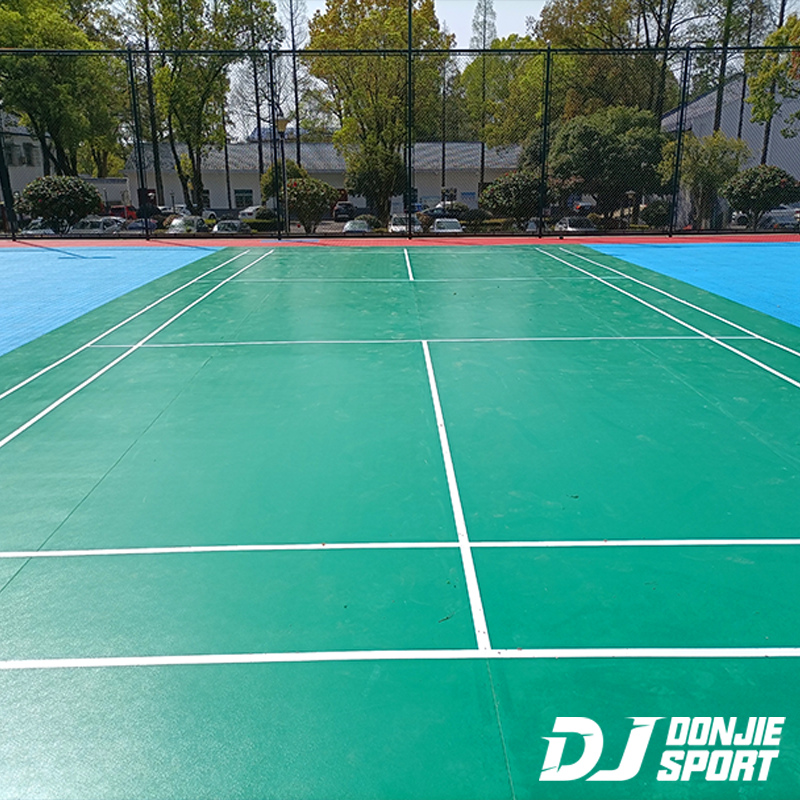
Once the flooring is installed, it’s important to inspect it for any issues such as air bubbles, misalignment, or uneven spots. If you notice any imperfections, make sure to address them before the floor is used for play.
Cleaning and Maintaining Synthetic Flooring
To keep your synthetic flooring in top condition, regular cleaning and maintenance are essential. Vacuum or sweep the court frequently to remove dust and debris. For deeper cleaning, use a damp mop with a mild cleaning solution to keep the surface clean without damaging it. Be sure to avoid using harsh chemicals that can degrade the flooring material.
Benefits of Installing Synthetic Flooring for Badminton Courts
Improved Performance and Safety
Synthetic flooring provides the perfect balance of cushioning and grip, making it an ideal surface for badminton. The shock absorption helps reduce fatigue and injury, allowing players to perform at their best. Whether you’re a casual player or a professional athlete, the right flooring can make a noticeable difference in your game.
Long-lasting Durability
Synthetic flooring is incredibly durable and can withstand years of heavy use. Unlike traditional wood or carpet floors, synthetic materials are designed to resist wear and tear, ensuring that your court maintains its appearance and functionality over time.
Conclusion
In conclusion, installing synthetic flooring for badminton courts is a great way to enhance player safety, improve performance, and create a high-quality playing surface. By following the steps outlined in this guide and using the right materials, you can create a court that meets professional standards. With proper care and maintenance, your synthetic flooring will continue to provide a top-tier playing experience for years to come.