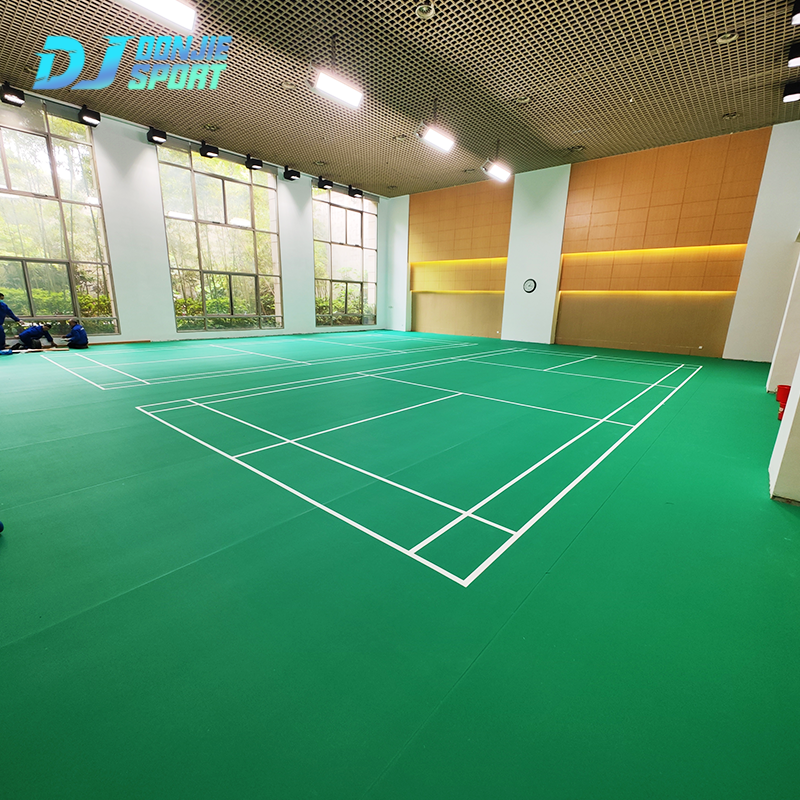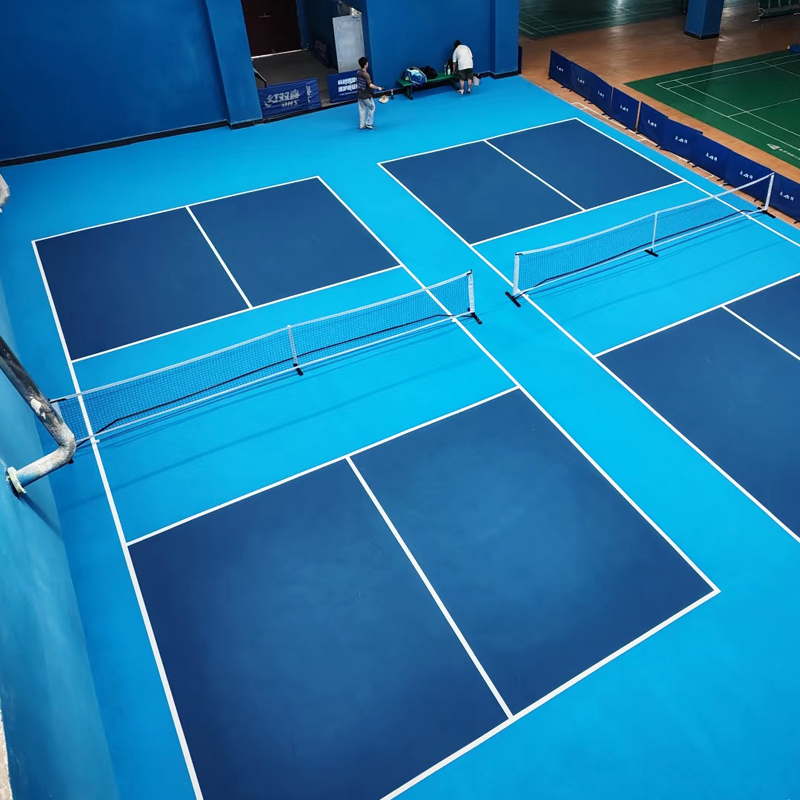
When it comes to badminton courts, the flooring is a key factor that can influence both the players’ experience and the longevity of the facility. The right flooring choice can enhance performance, reduce injury risks, and ensure the court remains in top condition for years. As synthetic flooring continues to rise in popularity, understanding what makes it the best option for badminton courts becomes crucial for facility managers and sports enthusiasts alike.
In this article, we’ll delve into the benefits of synthetic flooring for badminton courts, key features to look for when choosing the best option, and why this investment is worth every penny for both recreational and professional setups.
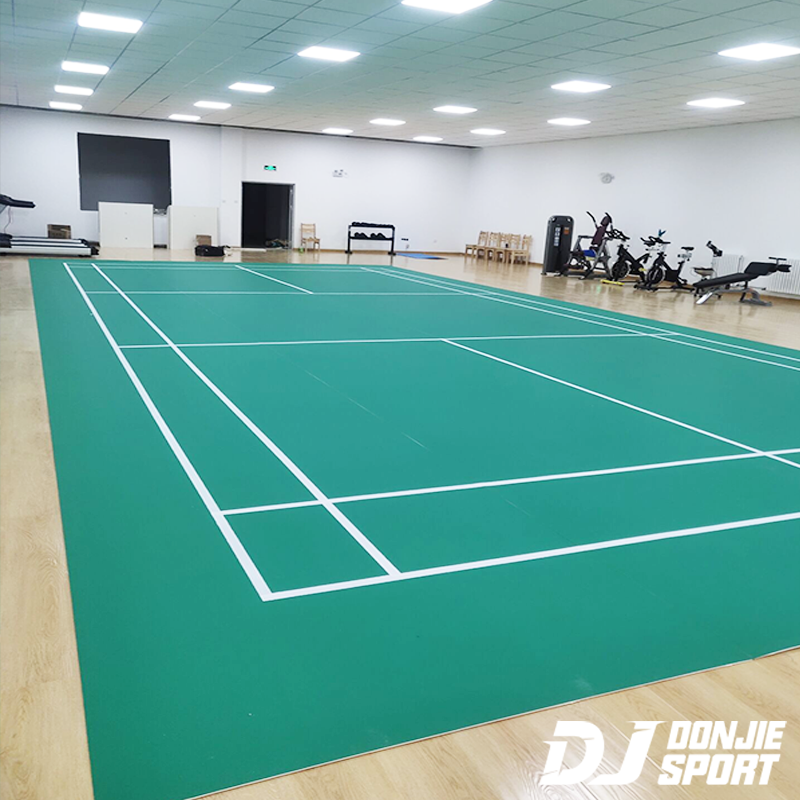
Understanding Synthetic Flooring for Badminton Courts
Synthetic flooring refers to artificial materials that are designed to mimic the durability, comfort, and performance of natural surfaces while offering superior consistency. For badminton courts, synthetic flooring options like PVC, rubber, and polyurethane are often favored due to their excellent shock absorption, low maintenance, and ability to withstand high-impact activities.
What is Synthetic Flooring?
Synthetic flooring is typically made from materials such as PVC, rubber, or polyurethane that are engineered to provide a smooth, durable surface for various sports activities. These materials are especially suitable for indoor badminton courts where moisture, temperature changes, and heavy foot traffic can take a toll on traditional wooden floors or concrete surfaces.
Benefits of Synthetic Flooring Over Traditional Options
Unlike wooden floors that can warp over time or concrete that offers minimal shock absorption, synthetic flooring offers many advantages, including:
-
Better shock absorption for player comfort
-
Enhanced durability that can withstand heavy use
-
Easier to clean and maintain
-
Consistency in performance regardless of the environment
Key Features to Consider When Choosing Synthetic Flooring for Badminton Courts
When selecting synthetic flooring for your badminton court, there are several important features to consider to ensure you’re making the right choice.
Durability and Longevity
Synthetic flooring is designed to last for many years, even in high-traffic areas. The right synthetic flooring will hold up well under the impact of fast-paced sports like badminton, ensuring that the court maintains its quality over time without showing signs of wear.
Comfort and Performance
The flooring should offer a balance of firmness and cushioning. While too much cushion can reduce player responsiveness, the right amount can help reduce the risk of injuries, particularly to joints, and improve overall performance.
Safety Features: Slip Resistance and Cushioning
Safety is one of the most important factors when choosing flooring for badminton courts. Look for synthetic flooring options that are designed with anti-slip properties to prevent accidents. Additionally, cushioning that absorbs shock helps minimize strain on players’ bodies.
Maintenance Requirements
Synthetic floors are generally easier to maintain than wooden floors, as they require less frequent refinishing or polishing. They can be cleaned quickly with minimal effort, which is particularly advantageous for busy sports facilities.
Aesthetic Appeal and Customization Options
Beyond performance, synthetic flooring for badminton courts can also be visually appealing. Many options come with customizable colors and designs, allowing facility owners to match the flooring to the aesthetic of their gym or sports complex.
Types of Synthetic Flooring Suitable for Badminton Courts
Choosing the right type of synthetic flooring depends on your specific needs and budget. Here are the most popular types of synthetic flooring for badminton courts:
PVC Flooring
PVC flooring is one of the most popular choices for badminton courts due to its excellent balance of durability, comfort, and low maintenance. It is moisture-resistant, making it perfect for indoor courts, and is available in a variety of colors and designs.
Rubber Flooring
Rubber flooring is highly durable and offers excellent shock absorption, which can help protect players from injuries. It is also noise-dampening, making it a great choice for busy sports complexes.
Foam Backed Flooring
Foam-backed flooring provides a cushioned surface that enhances comfort without sacrificing stability. This type of flooring is ideal for courts where players are likely to engage in long sessions.
Polyurethane Flooring
Polyurethane flooring is highly resilient and can endure heavy traffic without losing its quality. It is particularly known for its smooth surface, which helps players move more freely on the court.
How Synthetic Flooring Enhances Performance in Badminton
Badminton is a fast-paced sport that requires quick movement, agility, and the ability to change direction rapidly. The right flooring can make a significant impact on a player’s performance.
Improving Player Comfort and Mobility
Synthetic flooring provides a comfortable surface that allows players to move freely and comfortably. The cushioning effect reduces fatigue, enabling players to perform better over longer periods.
Reducing Injuries with Shock Absorption
The shock-absorbing qualities of synthetic flooring reduce the impact on players’ joints and muscles, decreasing the risk of injuries like sprains, strains, and long-term joint pain.
Enhancing Court Grip and Stability
Proper grip is crucial in badminton. Synthetic flooring offers enhanced traction, allowing players to make quick movements without slipping, which leads to better control over the shuttlecock and improved performance.
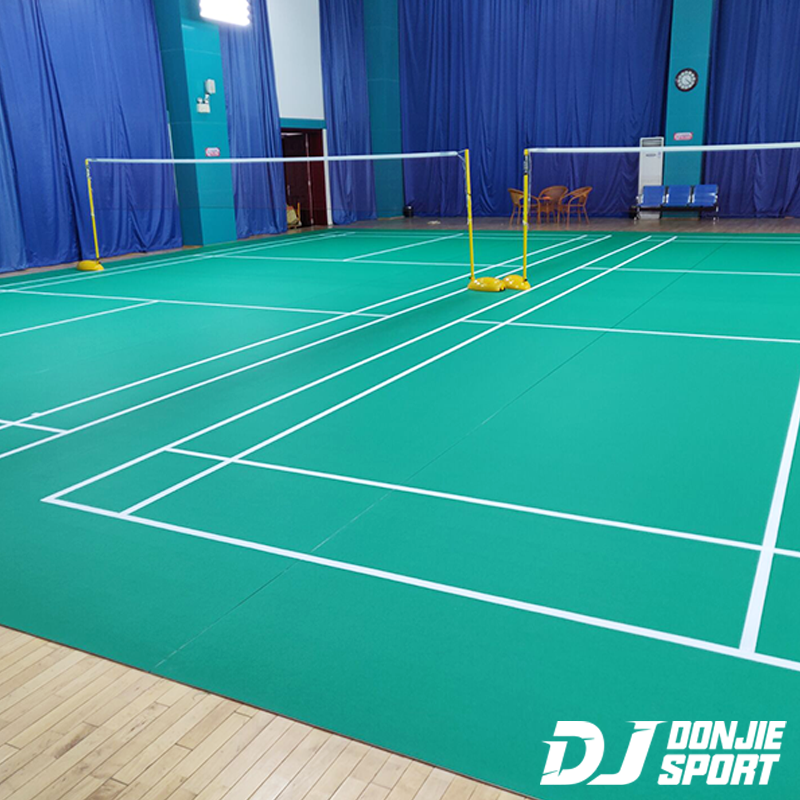
The Installation Process for Synthetic Flooring on Badminton Courts
Proper installation is essential for maximizing the benefits of synthetic flooring.
Preparing the Subfloor
Before laying down synthetic flooring, the subfloor needs to be properly prepared. This may involve cleaning, leveling, and ensuring that the base layer is free of any debris or moisture.
Installation Methods for Different Flooring Types
Installation methods vary depending on the flooring type. PVC and rubber flooring may require adhesive bonding, while interlocking tiles might simply need to be connected by hand. Professional installation ensures that the flooring is laid correctly for optimal performance.
Hiring Professionals vs. DIY Installation
While DIY installation may seem cost-effective, professional installation ensures that your court is set up correctly, with attention to detail in seams, edges, and transitions between flooring sections.
Cost Considerations and ROI for Synthetic Flooring Investments
Investing in synthetic flooring may involve a higher initial cost, but the long-term benefits outweigh the upfront investment.
Initial Cost vs. Long-Term Benefits
While the initial cost of synthetic flooring can be higher than traditional options, its durability, low maintenance, and ability to withstand high usage make it a more cost-effective choice over time.
Comparing Costs Across Flooring Types
Costs vary depending on the material chosen. PVC flooring tends to be more affordable, while polyurethane and rubber flooring may cost more but offer additional durability and comfort.
How Synthetic Flooring Adds Value to Sports Facilities
Investing in high-quality synthetic flooring can boost the value of your sports facility by attracting more players, offering better performance, and reducing maintenance costs.
Choosing the Best Supplier for Your Synthetic Flooring Needs
Finding a reliable supplier is essential for ensuring that you get the best value for your investment.
What to Look for in a Flooring Manufacturer
Look for a manufacturer with a proven track record of providing high-quality products and excellent customer service. Certifications and warranties can also help ensure the longevity of your investment.
Why Partnering with Trusted Brands Matters
Working with established brands guarantees access to the best synthetic materials and installation services, ensuring that your court will be safe, durable, and comfortable for players.
Ensuring High-Quality Materials and Installation Services
Ensure that your supplier offers top-quality materials and professional installation services. This will guarantee a flawless finish and minimize any potential issues with your flooring.
Conclusion
Investing in the best synthetic flooring for badminton courts offers numerous benefits, including improved player performance, reduced injury risk, and low maintenance costs. Whether you’re managing a professional sports facility or a recreational gym, choosing the right flooring is crucial for creating a safe and comfortable playing environment.