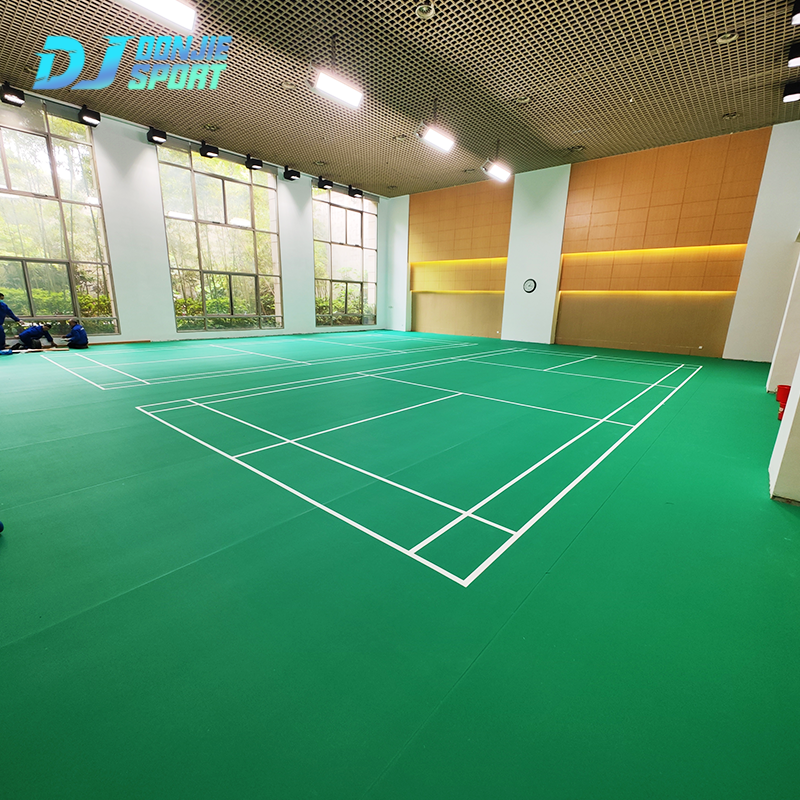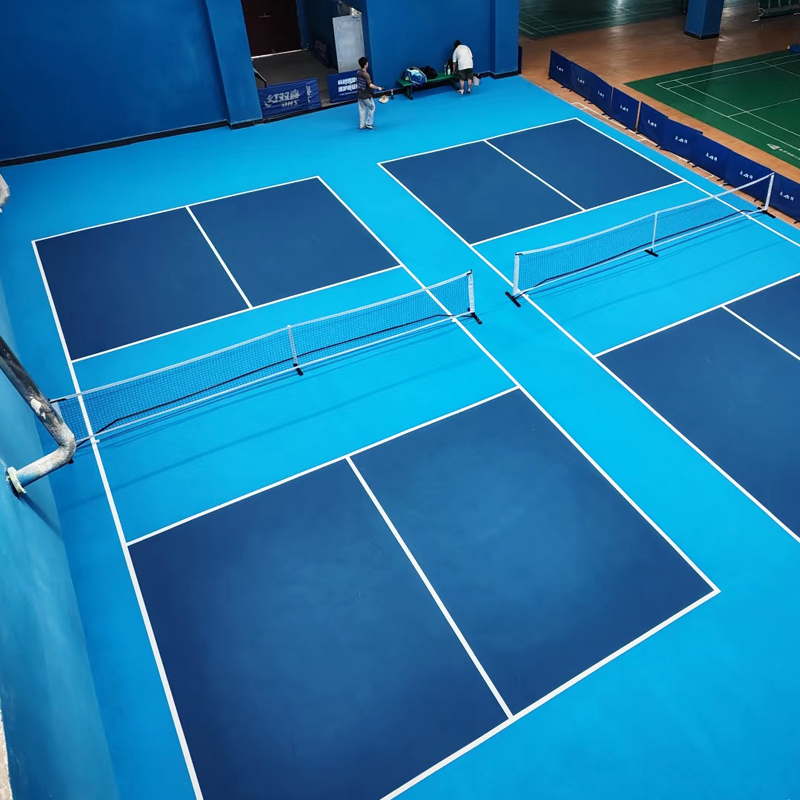
Badminton court flooring plays a crucial role in the game, not just in terms of performance but also in safety. Whether you’re maintaining a professional facility or a local sports center, taking proper care of your flooring is essential for longevity. A well-maintained court can significantly enhance the playing experience by offering the right balance of traction and comfort. But to keep your court in top shape, regular care is necessary.
In this guide, we’ll explore the key practices for maintaining badminton court flooring, ensuring it lasts longer, retains its performance, and continues to provide a safe playing surface. By understanding the materials, routine cleaning practices, and the right repairs, you can make sure your court is always ready for the next match.
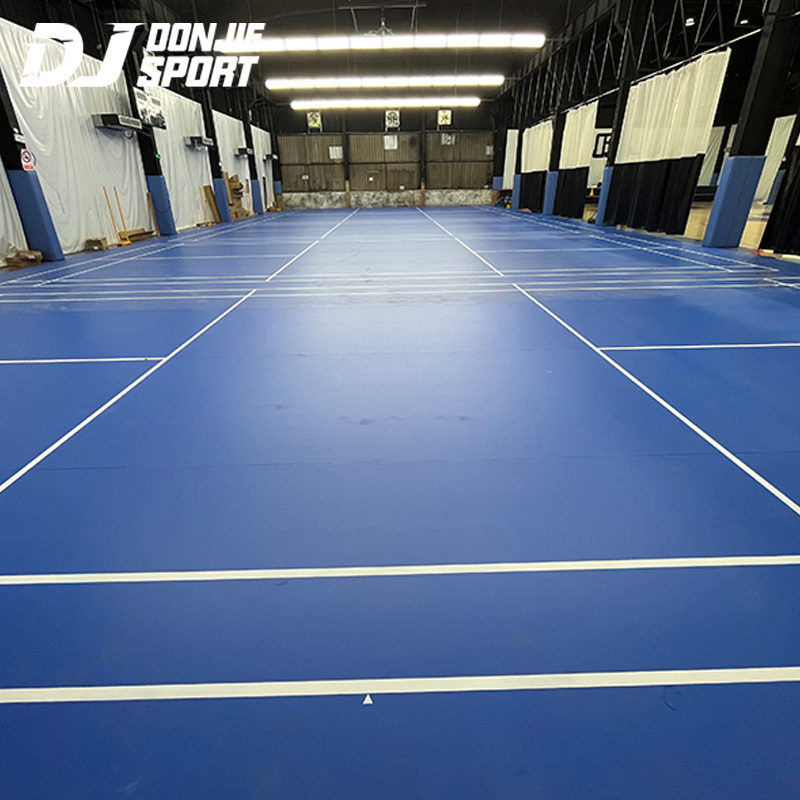
Understanding Badminton Court Flooring Materials
The first step in caring for your badminton court flooring is understanding the material it’s made from. Different types of flooring require unique maintenance to ensure they stay in excellent condition for years.
PVC Flooring
PVC flooring is a popular choice due to its durability, low maintenance, and smooth playing surface. It’s resistant to moisture, making it ideal for indoor sports facilities. However, regular cleaning to avoid the build-up of dust and grime is essential. PVC flooring can be sensitive to abrasives, so non-abrasive cleaning tools are recommended.
Wood Flooring
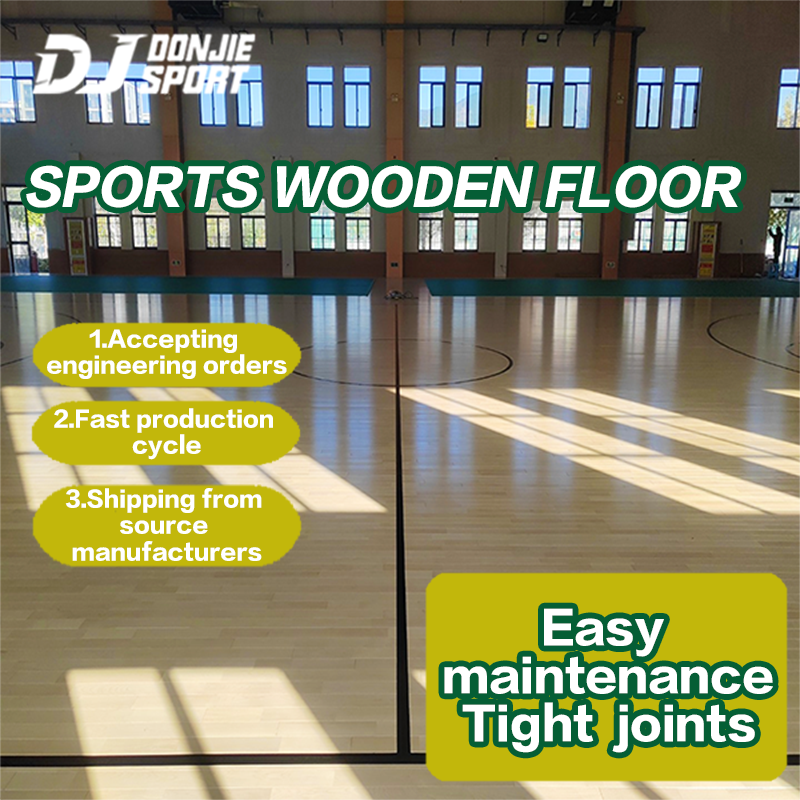
Wooden badminton court flooring provides a classic aesthetic and is favored for its superior shock absorption and natural feel. However, wood is more susceptible to moisture and temperature changes. Regular maintenance involves checking for any loose boards, cracks, or splinters and promptly addressing these issues to prevent further damage.
Vinyl Flooring
Vinyl badminton court flooring combines durability and comfort. It offers good traction while being easy to clean. Like PVC, it’s relatively low maintenance, but deep cleaning is necessary to keep it free from grime and maintain its glossy finish.
Each flooring material has its own requirements, so tailoring your care routine based on your flooring type will ensure the best results and longevity.
Routine Cleaning: The Foundation of Flooring Longevity
Regular cleaning is the most fundamental aspect of maintaining badminton court flooring. Dirt, dust, and moisture can accumulate on the surface, leading to slippery spots and potential damage over time.
Daily and Weekly Cleaning Tips
-
Sweep the Court: A broom or vacuum cleaner with a soft brush attachment should be used to remove loose dirt, dust, and debris after every use.
-
Mop the Court: Use a damp mop with a mild, non-abrasive cleaner designed for sports floors. Avoid using harsh chemicals that could damage the surface or leave residues that affect player performance.
-
Dry the Surface: After mopping, make sure the court is thoroughly dried. Standing water can cause damage to flooring over time, particularly in vinyl or wooden surfaces.
Moisture Control
-
Dehumidify the Room: Excess moisture in the air can weaken flooring materials, particularly wood. Use dehumidifiers to maintain optimal humidity levels in the sports hall.
-
Quick Drying: If spills or water are present, address them immediately with towels to prevent any water from soaking into the flooring.
Regular cleaning prevents the build-up of dirt, grime, and bacteria, ensuring the court remains safe and comfortable for players.
Deep Cleaning and Maintenance: Preventing Wear and Tear
While daily cleaning keeps your court looking good, deep cleaning is essential to maintain its functionality and extend its life. Deep cleaning removes accumulated dirt that regular mopping can’t reach and helps preserve the integrity of the flooring.
How Often Should You Deep Clean?
-
Deep clean your court at least once a month, or more frequently if it sees heavy usage.
-
Use a soft-bristled machine scrubber or hire a professional cleaning service to ensure the surface is thoroughly cleaned without causing damage.
Removing Scuff Marks
-
Scuff marks are inevitable in badminton, but they can be removed by using a specialized floor cleaner designed for sports surfaces.
-
For stubborn marks, try a slightly dampened cloth with a few drops of cleaner. Avoid scrubbing too hard, as excessive friction can harm the finish.
Maintaining Court Markings
-
Court lines are crucial for proper gameplay. Regularly check the lines for wear and tear. In some cases, they may need to be repainted, especially on wood or vinyl floors.
-
Always use non-toxic, sports-grade paints to ensure safety and durability.
Proper Storage and Usage Guidelines
To prolong the life of your badminton court flooring, it’s vital to use and store equipment properly. Overuse or improper storage can cause unnecessary wear and tear on the flooring.
Guidelines for Court Usage
-
Limit Heavy Equipment: Avoid placing heavy equipment or furniture directly on the floor. If this is unavoidable, ensure they are placed on mats to prevent indentation.
-
Shoes Matter: Ensure players wear non-marking shoes to prevent leaving marks on the surface. Tennis shoes or shoes with high-traction soles should be avoided as they may damage the flooring.
Storage Tips
-
When not in use, store nets and posts properly to prevent them from scratching or damaging the flooring.
-
If possible, invest in protective covers for sections of the floor that may be unused for extended periods.
Environmental Factors and Their Impact on Flooring
The environment in which your badminton court is located can significantly affect the flooring’s longevity. Temperature fluctuations, humidity levels, and exposure to direct sunlight all play a role in how the flooring wears over time.
Managing Temperature and Humidity
-
Avoid Extreme Temperatures: Keep the temperature of the sports hall between 60-75°F (15-24°C) to prevent materials from expanding or contracting.
-
Monitor Humidity: High humidity can warp wooden floors and affect the adhesion of vinyl or PVC floors. Invest in a humidity control system to maintain the ideal levels.
Protection from Sunlight and Chemicals
-
Direct sunlight can cause fading and discoloration over time. Consider using window coverings or UV-blocking films on windows to protect the flooring.
-
Keep chemicals, especially cleaning agents, away from the floor as they can cause deterioration of the surface.
Repairing Minor Damage to Extend Flooring Lifespan
Even with the best care, minor damage can occur. Whether it’s a small crack in the floor or a scratch, addressing these issues promptly will prevent further deterioration.
Identifying Minor Damage
-
Regularly inspect the court for cracks, chips, or surface wear.
-
If you notice any cracks, it’s crucial to repair them immediately to prevent them from spreading and compromising the floor’s integrity.
DIY vs. Professional Repairs
-
DIY Repairs: Small cracks or chips can often be fixed with a patching kit, which is available for most flooring types.
-
Professional Help: For extensive damage, such as warping or large cracks, contact a professional flooring technician to ensure repairs are done correctly.
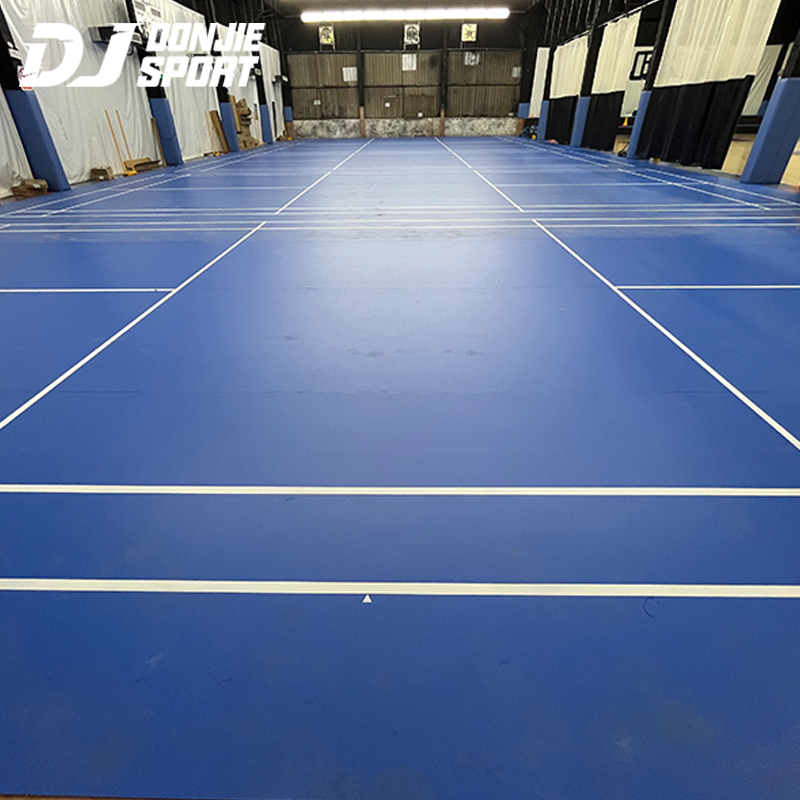
Protective Measures and Coatings
To further extend the life of your badminton court flooring, consider applying protective coatings. These coatings help maintain the surface’s durability and resistance to scuffs and scratches.
Anti-Slip and Anti-Scuff Coatings
-
Anti-slip coatings provide extra traction, which is essential for maintaining a safe playing environment.
-
Anti-scuff finishes help preserve the court’s appearance by minimizing the visible signs of wear from shoes or equipment.
Coating Application
-
Depending on the flooring material, you may need to reapply protective coatings every 1-2 years. Always follow the manufacturer’s guidelines for best results.
Seasonal Care for Badminton Court Flooring
Changing seasons can bring different challenges to your court flooring. Adjusting your care routine accordingly ensures the flooring remains in optimal condition year-round.
Winter Care
-
In colder months, ensure your court remains warm and dry. Avoid allowing moisture to sit on the flooring, as it can cause swelling, particularly on wood.
Summer Care
-
During warmer months, ensure the court is protected from direct sunlight, which can cause fading. Maintain humidity levels to prevent warping of wooden floors.
Conclusion
Maintaining badminton court flooring requires attention to detail, but with the right care and regular maintenance, your flooring can last for years. Whether you have PVC, wood, or vinyl, following the correct cleaning, storage, and repair guidelines will ensure that your court remains in excellent playing condition. By preventing damage and addressing issues early, you can maximize the lifespan of your court flooring and continue providing a safe and high-performance surface for players.