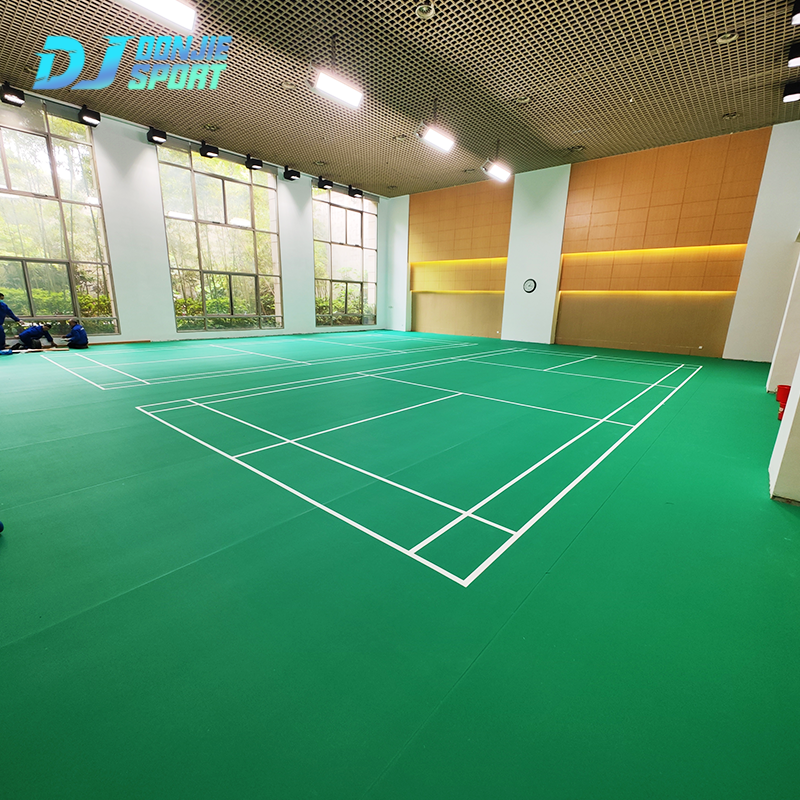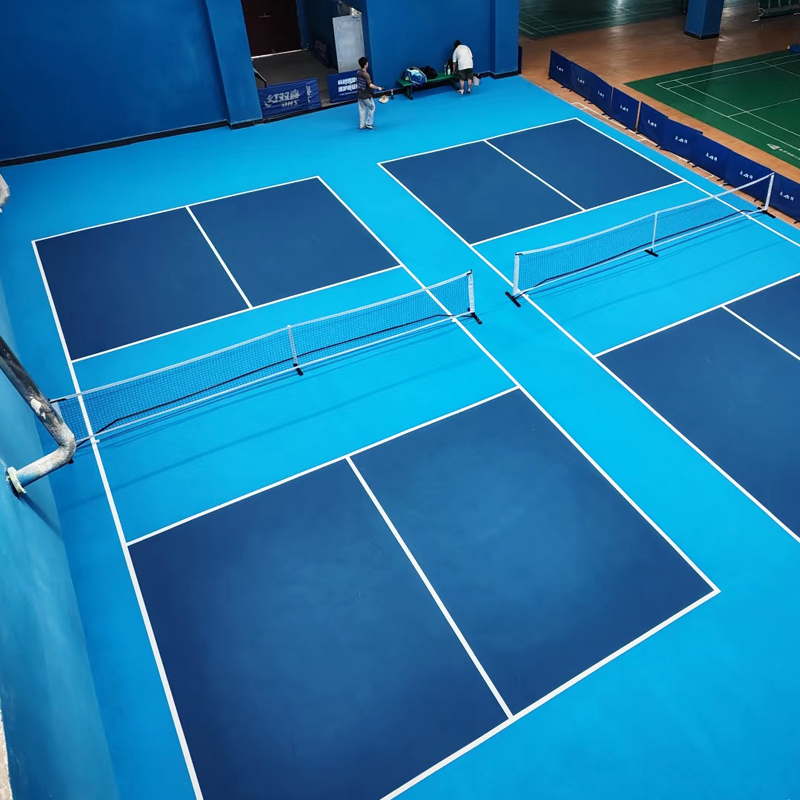
In the world of competitive badminton, the court surface plays a pivotal role in determining the outcome of the game. Whether you are a professional athlete or an aspiring player, the quality of the court directly influences performance, comfort, and safety. Among various options available, synthetic flooring has emerged as the ideal choice for high-performance badminton courts.
Unlike traditional wooden or cement surfaces, synthetic flooring offers numerous benefits that cater to the dynamic nature of badminton. The right flooring can enhance player agility, reduce the risk of injury, and provide a consistent playing experience for athletes at all levels. This article will delve into why synthetic flooring is the preferred choice for elite badminton courts, examining its features, performance benefits, and why it should be the flooring solution of choice for any high-performance facility.
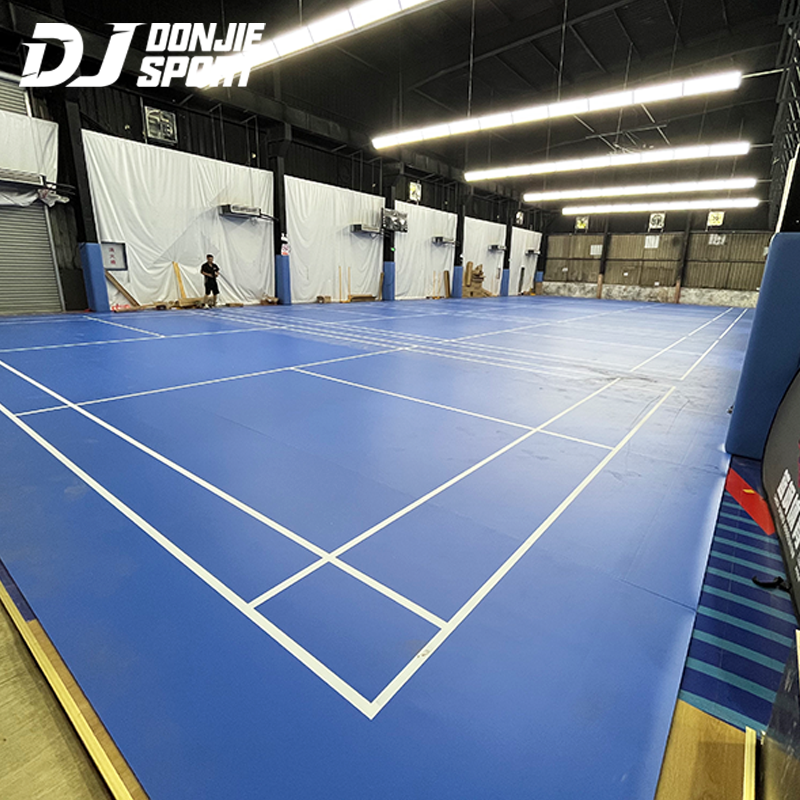
The Advantages of Synthetic Flooring for Badminton Courts
When it comes to selecting the ideal flooring for high-performance badminton courts, synthetic flooring stands out for several key reasons. Let’s explore the main advantages that make synthetic flooring the go-to option for elite-level play.
Durability and Longevity
Synthetic flooring, particularly PVC and rubber materials, is built to withstand the intense demands of high-performance sports. Badminton is a fast-paced game, requiring players to perform quick, sharp movements, which can quickly wear down traditional flooring. In contrast, synthetic flooring offers exceptional durability, maintaining its integrity under heavy use. Whether it’s the daily training sessions or the high-energy tournaments, synthetic floors can handle it all, lasting for years without significant deterioration.
Consistent Performance
One of the most crucial elements of any high-performance sports court is consistency. A player’s performance can be dramatically affected by how well the floor reacts during play. Synthetic flooring provides a uniform surface that ensures consistent ball bounce and predictable traction. The controlled bounce is essential for competitive badminton, where quick reflexes and precise shots are key. With synthetic surfaces, players can rely on the flooring to respond in a predictable manner, creating a more stable and reliable environment.
Shock Absorption
Badminton involves intense footwork, including sudden stops, pivots, and jumps. These movements place a lot of strain on the body, especially the joints. Synthetic flooring, especially those made from rubber or polyurethane, excels in shock absorption. This cushioning effect helps reduce the impact on a player’s knees, ankles, and hips, preventing potential injuries from repetitive stress. This makes synthetic flooring not only more comfortable but also safer for players who spend long hours training or competing.
Easy Maintenance
Maintaining a high-performance badminton court is no small feat. Traditional wood floors, for example, require regular sanding, refinishing, and cleaning to maintain their performance. In contrast, synthetic flooring is incredibly low maintenance. It is easy to clean, requiring only regular sweeping and occasional mopping to keep it in top condition. Synthetic floors also resist stains and are highly resistant to wear and tear, making them much more cost-effective over time.
Types of Synthetic Flooring Suitable for Badminton Courts
Not all synthetic flooring materials are the same. For a badminton court, the choice of material is critical to ensuring that it meets the specific needs of the sport. Let’s take a closer look at the different types of synthetic flooring that are most commonly used in badminton courts.
PVC Flooring
PVC (polyvinyl chloride) flooring is one of the most popular choices for indoor sports courts, including badminton. This type of flooring is highly durable, flexible, and resistant to wear. PVC flooring is available in different thicknesses, making it customizable to various levels of play. It provides an excellent balance of comfort and performance, offering sufficient shock absorption while maintaining a consistent bounce for the shuttlecock.
Rubber Flooring
Rubber flooring is known for its superior shock absorption and anti-slip properties. This type of flooring is ideal for reducing the impact on players’ joints and ensuring a safe playing environment. Rubber flooring also helps minimize noise, which can be beneficial in a competitive setting. While slightly softer than PVC, rubber flooring is incredibly durable and capable of withstanding heavy foot traffic, making it a great option for both training and tournament courts.
Polyurethane Flooring
Polyurethane flooring is a premium solution designed for the highest level of performance. It provides the best balance between durability, comfort, and safety. Polyurethane floors are resistant to both wear and impact, and they excel in offering superior grip and elasticity, essential for high-speed sports like badminton. These floors also offer excellent traction, reducing the risk of slips during rapid movements and offering enhanced stability for players.
How Synthetic Flooring Enhances Player Performance
The right flooring can directly impact player performance, and synthetic flooring is specifically designed to support the needs of badminton athletes. Here are some of the ways it enhances performance on the court.
Maximizing Grip and Traction
One of the primary concerns for badminton players is having the right amount of grip on the court. Too little traction can result in slips and falls, while too much grip can hinder fast movements. Synthetic flooring, particularly PVC and rubber types, offers the ideal balance of grip and glide. This allows players to make quick lateral movements, sharp turns, and sudden stops without worrying about their footing, making it easier to execute complex shots and fast reactions.
Consistent Bounce for Better Gameplay
Badminton is a game of precision and timing, and the shuttlecock’s flight is directly influenced by the surface it lands on. Synthetic flooring ensures that the shuttlecock bounces consistently, giving players more control over their shots. Whether it’s a soft drop shot or a hard smash, players can rely on the surface to provide the right response, creating a more competitive and enjoyable gameplay experience.
Comfortable for Extended Play
Badminton matches, especially at the professional level, can last for hours. The comfort of the floor becomes increasingly important as the match progresses. Synthetic floors, particularly those with rubber or polyurethane components, provide a soft but firm surface that minimizes fatigue. The right floor can support players for longer periods, improving their stamina and reducing the risk of injuries associated with playing on hard, unforgiving surfaces.
Installation and Maintenance of Synthetic Badminton Court Flooring
Quick and Efficient Installation
One of the significant advantages of synthetic flooring is the ease of installation. Unlike hardwood or concrete surfaces, synthetic flooring can be installed quickly, reducing downtime in sports facilities. Whether you’re renovating an existing court or building a new one, synthetic flooring can be customized to fit the specific dimensions of your badminton court. Additionally, the interlocking tile systems of some synthetic floors allow for simple installation and future adjustments.
Long-Term Care
Once installed, synthetic flooring requires minimal maintenance to maintain its performance. Routine cleaning is essential to prevent dirt and dust buildup, which can affect traction. A simple cleaning routine—such as sweeping and mopping—will keep the floor in excellent condition for many years. Synthetic floors also resist staining and discoloration, which means they retain their visual appeal over time.
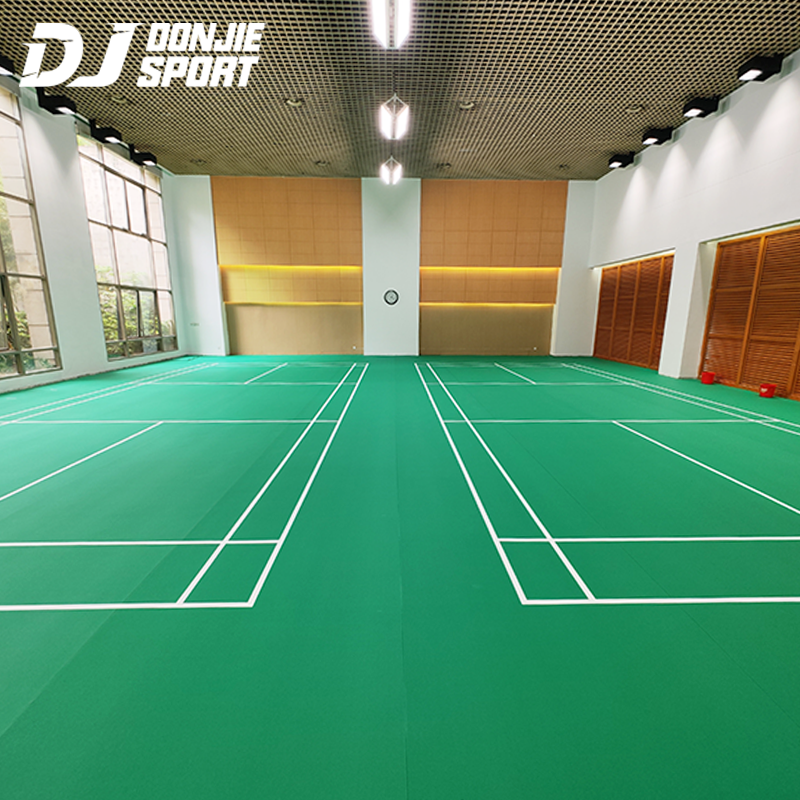
Why Synthetic Flooring is the Future of Badminton Courts
Eco-Friendly Innovations
As sustainability becomes more important across industries, synthetic flooring for badminton courts is evolving to be more eco-friendly. Many synthetic flooring products now use recycled materials or sustainable manufacturing processes, contributing to reducing the environmental impact. As eco-consciousness grows in the sports industry, choosing synthetic flooring with minimal environmental impact becomes an even more attractive option.
Technological Advancements
Technology continues to improve the performance and comfort of synthetic flooring. New innovations in materials and coatings ensure that the floors are more durable, offer better grip, and provide enhanced shock absorption. With the development of more advanced flooring solutions, the future of synthetic badminton court flooring looks even brighter, offering superior performance for athletes at all levels.
Conclusion
In conclusion, synthetic flooring is the optimal choice for high-performance badminton courts. Its durability, shock absorption, consistent performance, and ease of maintenance make it an ideal solution for facilities looking to provide the best possible environment for players. Whether it’s for professional athletes or amateur players, synthetic flooring ensures that badminton courts can meet the rigorous demands of the game, offering safety, comfort, and top-notch performance.