When it comes to building or upgrading a badminton court, one of the most important decisions is choosing the right flooring. Flooring is not just an aesthetic choice—it significantly impacts the game’s performance, safety, and longevity. While traditional flooring may seem sufficient for other indoor spaces, badminton courts require specialized flooring designed to support the unique demands of the sport. This article delves into the key differences between badminton flooring and traditional flooring, highlighting why investing in quality badminton-specific surfaces is crucial for both players and facility owners.
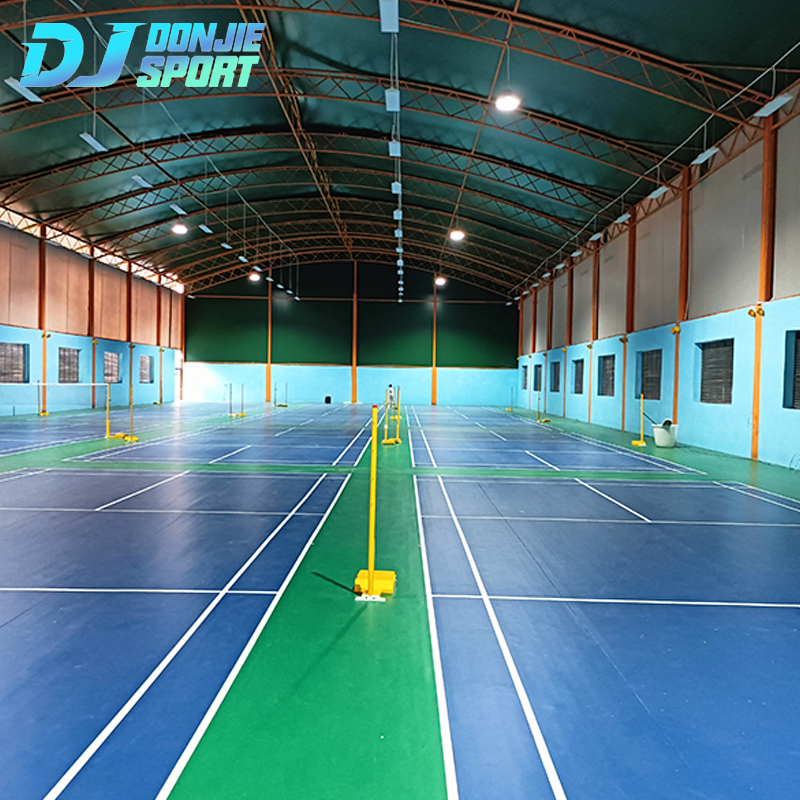
What is Badminton Flooring?
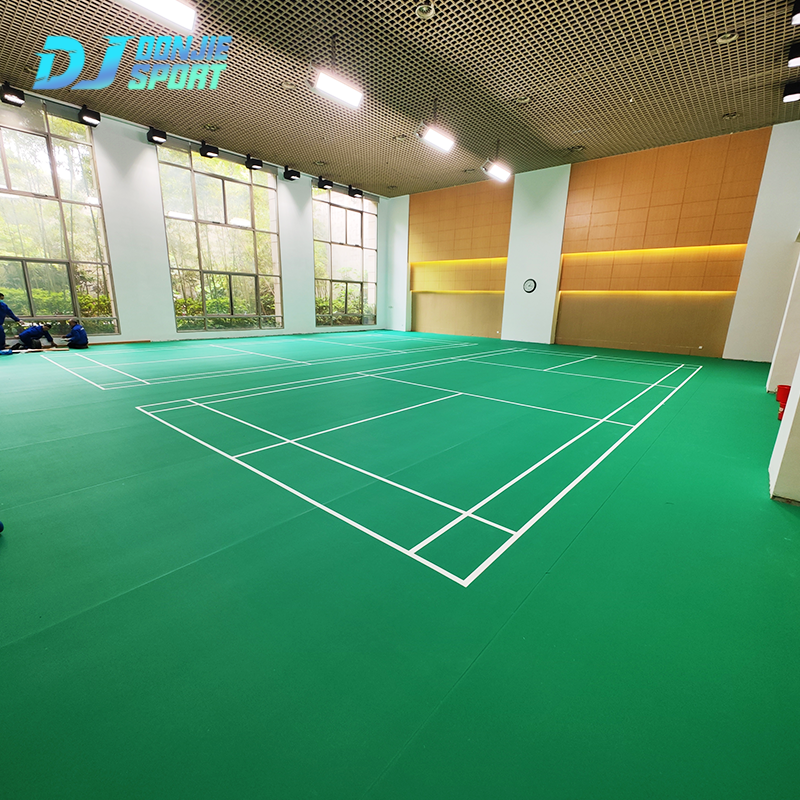
Badminton flooring is a specialized surface designed specifically for the fast-paced, high-impact nature of badminton. Unlike traditional flooring, which may be suitable for other sports or general use, badminton flooring is engineered to meet the specific demands of the sport. The flooring material typically used for badminton courts is made of high-quality synthetic materials such as PVC or polyurethane, providing the right balance of grip, shock absorption, and resilience.
Key Characteristics of Badminton Flooring:
-
Shock Absorption: Badminton is a high-intensity sport that involves rapid movements, lunges, and quick directional changes. Badminton flooring is designed to absorb the impact of these movements, minimizing the risk of injuries such as joint stress or ankle sprains.
-
Grip: A surface with the right amount of grip is essential for optimal performance. Too much friction can hinder movement, while too little can cause players to slip. Badminton flooring offers a perfect balance to allow players to move freely while maintaining control.
-
Durability: Due to the constant movement on the court, badminton flooring is designed to withstand wear and tear. It is highly durable, resistant to scuff marks, and can retain its performance quality for an extended period.
-
Maintenance: High-quality badminton flooring is easy to maintain, typically requiring simple cleaning and occasional resurfacing to maintain its condition and performance.
What is Traditional Flooring?
Traditional flooring, in the context of sports facilities, refers to the standard surfaces used in non-specialized venues. This could include wood, vinyl, carpet, or even concrete, which are more commonly used in commercial buildings, offices, or for general-purpose indoor spaces.
Types of Traditional Flooring Materials:
-
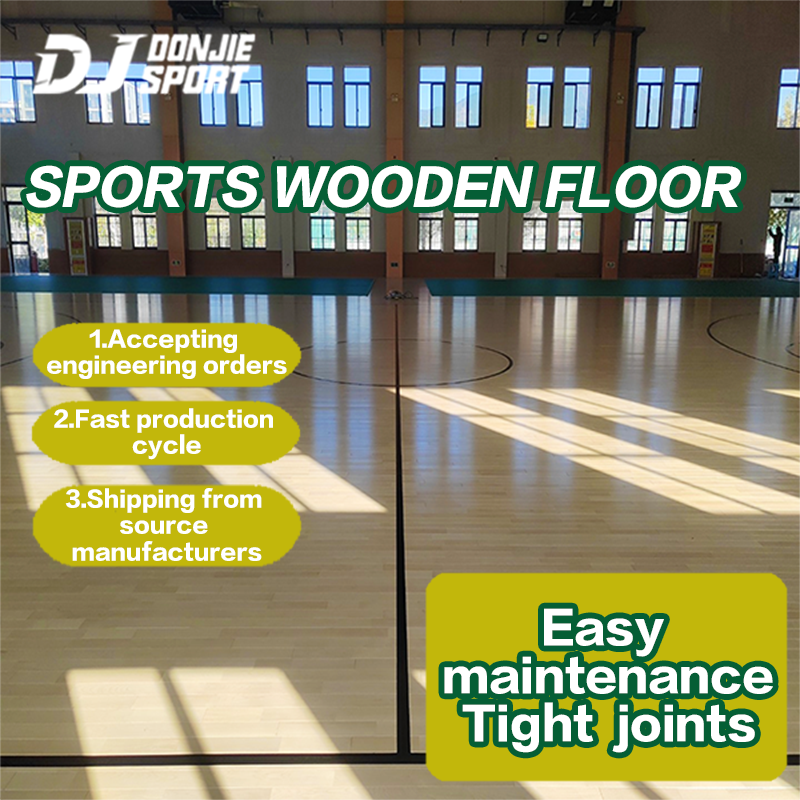
Wooden Flooring: Often used in basketball or multi-purpose courts, wooden flooring is a popular choice for its aesthetic appeal and moderate shock absorption. However, wood is prone to warping, splintering, and can lose its grip over time.
-
Vinyl Flooring: Vinyl is often used in gyms and multi-purpose sports halls. While it is relatively affordable, it doesn’t provide the same level of shock absorption or grip as specialized sports flooring.
-
Carpet: Some sports venues may use carpeted flooring, but this is far less common for high-intensity sports like badminton. Carpet can be slippery and offers no shock absorption, making it unsuitable for most indoor sports.
-
Concrete Flooring: Concrete is durable and low-cost but lacks shock absorption, making it highly unsuitable for badminton or other high-impact sports.
Pros and Cons of Traditional Flooring in Sports Venues:
-
Pros: Generally more affordable, easier to install, and widely available. It can work well in venues where multiple types of activities take place.
-
Cons: Traditional flooring lacks the necessary qualities for sports-specific use. It doesn’t offer the right level of grip, flexibility, or shock absorption required for optimal player performance and injury prevention.
Key Differences Between Badminton Flooring and Traditional Flooring
Performance:
Badminton is a dynamic sport requiring quick lateral movements, jumps, and rapid changes in direction. Badminton flooring provides a level of grip and support that allows athletes to perform at their best, maintaining agility and stability during play. Traditional flooring, while functional for general purposes, doesn’t offer the same level of traction or responsiveness, which can affect player performance and increase the risk of injury.
Safety:
Safety is a top priority in sports facilities, and this is where specialized badminton flooring truly stands out. Badminton flooring is designed to cushion the impact of jumps, lunges, and sudden stops, which helps reduce the risk of joint injuries. Traditional flooring, in contrast, offers minimal shock absorption, meaning players are more vulnerable to stress-related injuries, including shin splints, knee pain, and ankle sprains.
Durability:
Badminton flooring is built for long-lasting durability. The high-quality materials used in its construction allow it to endure the frequent wear and tear associated with badminton, including foot traffic, shuttlecock impacts, and shifting temperatures. Traditional flooring materials, however, are often less durable, particularly those like vinyl or carpet, which can degrade more quickly under heavy use and fail to maintain their performance over time.
Cost-effectiveness:
While badminton-specific flooring can be a more significant upfront investment, its long-term benefits far outweigh the cost. Badminton flooring requires less frequent replacement, is easier to maintain, and enhances player performance and safety. Traditional flooring may seem more affordable initially, but over time, the costs of replacement and repairs, coupled with its lack of performance benefits, can make it a less cost-effective option for sports venues.
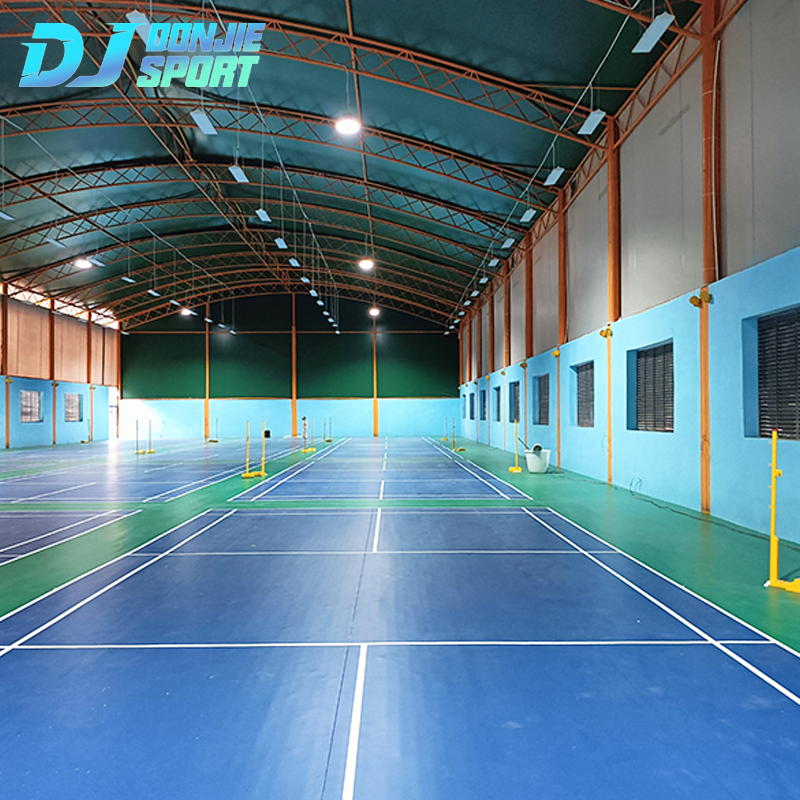
Why Choose Badminton Flooring Over Traditional Flooring?
The decision to invest in badminton-specific flooring goes beyond aesthetics—it’s about enhancing the overall sports experience for players. Whether you’re constructing a professional badminton court or setting up a recreational facility, choosing high-quality badminton flooring ensures that the surface supports the sport’s specific needs.
Benefits for Professional Players and Training Facilities:
Badminton flooring enhances player comfort and safety, allowing professionals to train effectively without the worry of injuries. The specialized surface also provides optimal grip, which is crucial for achieving peak performance.
Long-term Investment Value:
Badminton flooring is a long-term investment that pays off in the form of fewer maintenance costs and extended durability. By choosing a flooring option designed for the unique needs of badminton, sports facility owners can ensure that their courts remain in top condition for many years to come.
Conclusion
In summary, the differences between badminton flooring and traditional flooring are substantial when it comes to performance, safety, durability, and cost-effectiveness. While traditional flooring may suffice in general spaces, it simply cannot match the specialized design of badminton flooring. Whether for professional players or recreational venues, choosing the right flooring ensures an enhanced playing experience, improved safety, and long-lasting quality. Invest in badminton-specific flooring for a better, safer court that supports the athletes’ performance and the facility’s future.