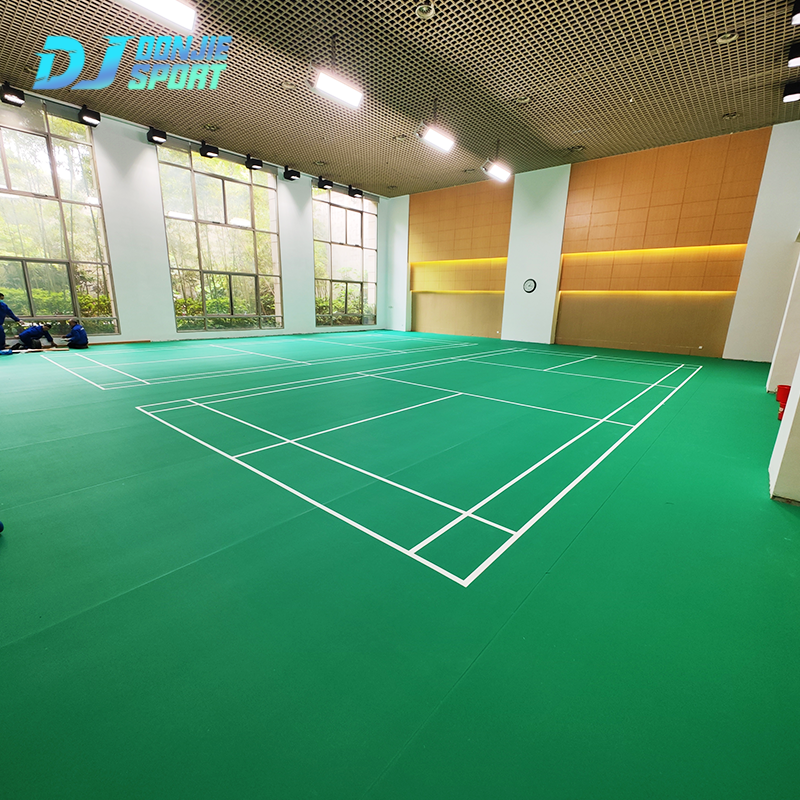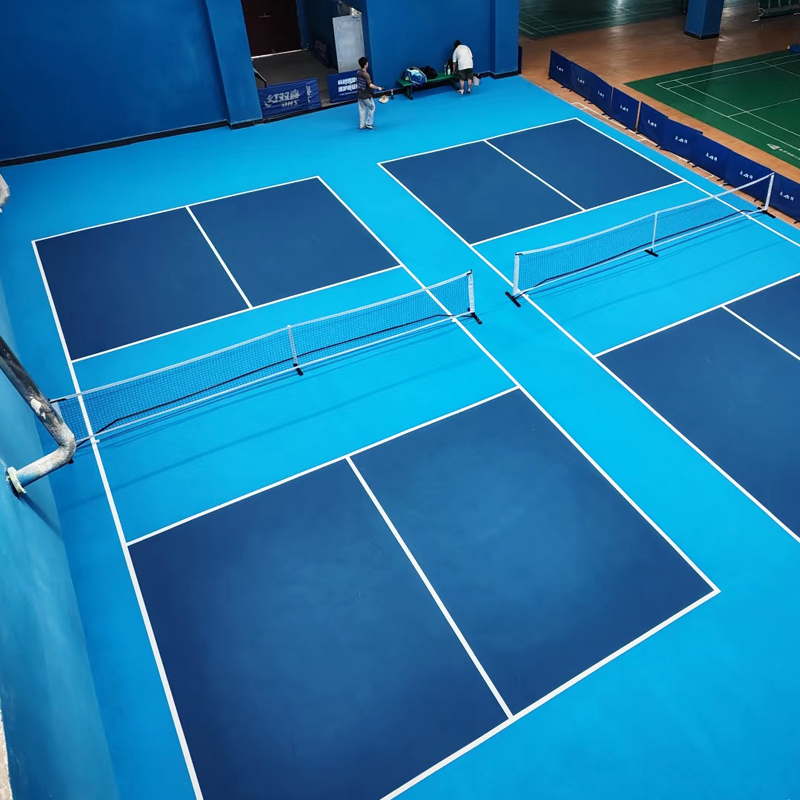
When it comes to badminton, the quality of the court’s flooring can make a significant difference in the performance of the game. Synthetic flooring has become increasingly popular for badminton courts, offering a range of benefits that enhance the overall playability and safety of the playing surface. Traditional wooden or tile flooring often lacks the flexibility, durability, and shock-absorbing qualities that synthetic materials provide. This article delves into how synthetic flooring for badminton courts can elevate the game experience for players, coaches, and facility owners alike. Whether you’re building a new court or refurbishing an existing one, understanding the advantages of synthetic flooring is essential to creating a high-quality, long-lasting, and safe badminton environment.
Why Synthetic Flooring for Badminton is a Game-Changer
In the world of sports, the right surface can significantly affect player performance and safety. When it comes to badminton, synthetic flooring offers distinct advantages over traditional surfaces.
Unlike wooden or concrete floors, synthetic flooring for badminton is designed to provide optimal grip and shock absorption. The flooring’s elasticity reduces the risk of injury, such as ankle sprains or knee stress, by minimizing the impact on players’ joints. This makes it a popular choice for both recreational and professional badminton courts, where comfort and safety are top priorities.
Additionally, synthetic flooring ensures consistent playability, providing an even and reliable surface. Whether players are performing intense footwork or executing powerful smashes, the flooring allows for excellent traction and predictable ball bounce. This consistency not only enhances performance but also prevents uneven wear over time, maintaining a high-quality playing experience for years.
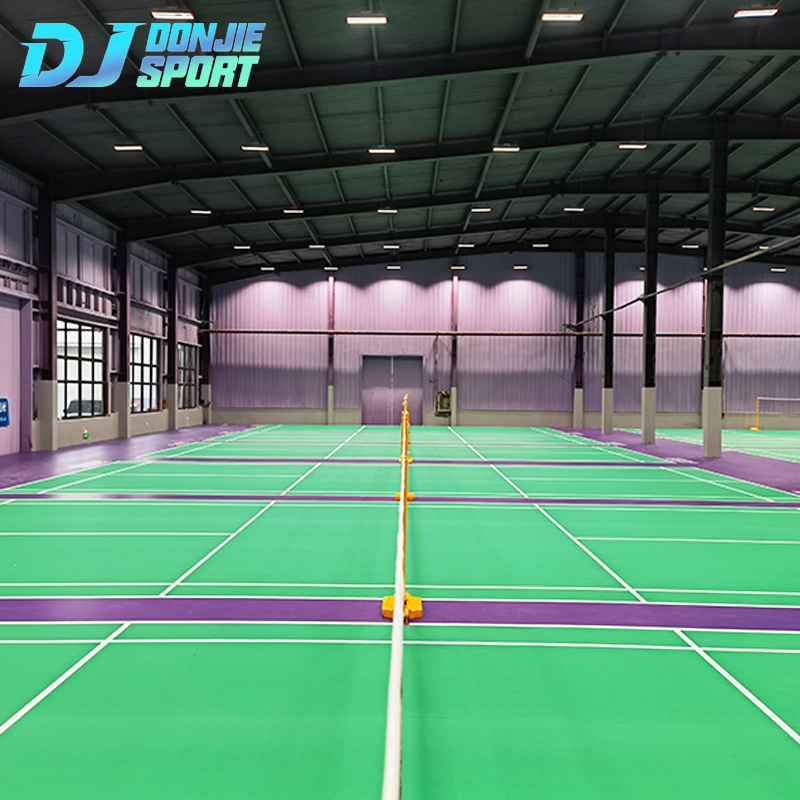
Key Features of Synthetic Flooring for Badminton Courts
Durability and Longevity
Synthetic flooring for badminton courts is built to withstand years of intense use, making it more durable than traditional flooring options. While wood and tile flooring may warp or crack over time, synthetic surfaces are highly resistant to damage from repeated foot traffic, moisture, and varying weather conditions.
Moreover, synthetic flooring is designed to maintain its color and texture for long periods, ensuring that the court remains visually appealing and functional. The ability to resist fading, cracking, or peeling means lower maintenance costs for facilities, making synthetic flooring a wise investment in the long run.
Shock Absorption
One of the primary reasons synthetic flooring is favored for badminton courts is its superior shock-absorbing properties. The material cushions the impact of player movements, reducing stress on the knees, ankles, and back. This is particularly important for badminton, where players constantly change direction and perform high-intensity footwork.
The cushioning effect also provides better comfort during play, allowing athletes to focus on their game without worrying about the physical toll on their bodies. For both amateur and professional players, this comfort is crucial to performance and overall well-being.
Consistency
Synthetic flooring offers a uniform surface with consistent bounce, which is vital for a fair and enjoyable game. Traditional flooring, such as wood or tile, can develop imperfections over time, which may affect the bounce of the shuttlecock. Synthetic surfaces, on the other hand, are engineered to offer a consistent, reliable bounce and smooth texture that enhances game quality.
A consistent playing surface allows players to anticipate the shuttlecock’s movement better, enabling them to react more effectively and improve their skills.
Materials Used in Synthetic Flooring for Badminton
There are several materials commonly used in synthetic flooring for badminton courts, each offering unique benefits. The most popular materials include:
-
PVC (Polyvinyl Chloride): Known for its affordability, durability, and easy maintenance, PVC is a top choice for badminton courts. It is resistant to wear and tear and is available in various thicknesses to provide different levels of shock absorption.
-
Polyurethane: This material offers enhanced shock absorption and resilience, making it ideal for high-performance courts. Polyurethane flooring is also highly resistant to UV rays, ensuring that it maintains its quality even in outdoor environments.
-
Rubber: Often used in combination with other materials, rubber provides excellent traction and flexibility. It is also highly durable and helps in reducing the impact on players’ joints.
Each material is designed to optimize the playing experience by offering the right combination of grip, cushioning, and performance.
Installation Process of Synthetic Flooring for Badminton Courts
Installing synthetic flooring for badminton courts involves a series of steps that ensure the surface is perfectly level and functional for players. The process typically includes:
-
Preparation of the Base: The court surface must be cleared of any debris or imperfections before installation begins. A smooth, solid base is essential to ensure the synthetic material adheres properly.
-
Laying the Flooring: Once the base is prepared, the synthetic flooring material is laid down. For interlocking tiles, this step is quick and easy, while rolled materials may require adhesive.
-
Sealing and Finishing: After the flooring is in place, it is sealed and finished to ensure durability and enhance its appearance. The final finish also improves the flooring’s resistance to moisture, making it more suitable for high-traffic areas.
-
Line Marking: Once the flooring is installed, permanent line markings are applied to define the boundaries of the court. These lines are carefully placed to ensure precision and maintain the integrity of the game.
Professional installation ensures the floor is level and free from defects, maximizing the playability and lifespan of the surface.
Maintenance of Synthetic Flooring for Badminton
To keep synthetic flooring for badminton courts in prime condition, regular maintenance is essential. Fortunately, synthetic floors are relatively easy to care for compared to traditional flooring options. Here are a few maintenance tips:
-
Regular Cleaning: Sweeping the court regularly to remove dust and debris prevents scratches and maintains cleanliness. For deeper cleaning, a mild detergent solution can be used to avoid damaging the surface.
-
Surface Inspections: Checking the floor periodically for signs of wear and tear, such as cracks or dents, allows for timely repairs to prevent further damage.
-
Humidity Control: Maintaining a consistent indoor climate is key to preserving the integrity of the flooring. Excessive moisture or temperature fluctuations can affect the material’s performance.
Proper care will ensure that the flooring remains in excellent condition, prolonging its life and providing players with a safe, high-quality surface for many years.
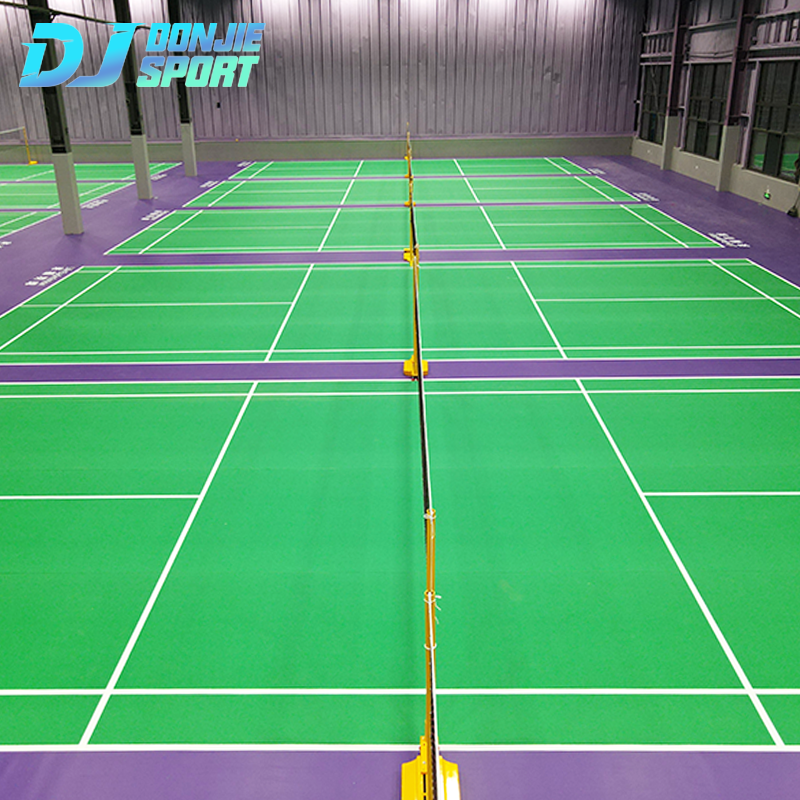
Choosing the Right Synthetic Flooring for Your Badminton Court
Selecting the right synthetic flooring for your badminton court depends on various factors, including budget, location, and performance needs. Here are a few things to consider:
-
Usage Frequency: For high-traffic areas, such as commercial or professional venues, selecting a material with greater durability and shock absorption is essential. Polyurethane and rubber flooring are great choices for such environments.
-
Indoor vs. Outdoor: If your court is outdoors, it’s crucial to choose a flooring material that can withstand UV rays and varying weather conditions. PVC and rubber are ideal for outdoor courts due to their weather-resistant properties.
-
Budget: While polyurethane flooring offers superior performance, it may come at a higher price point. Consider your budget when choosing between different materials.
Customization options also allow court owners to select colors and designs that match their venue, adding to the overall aesthetics.
The Environmental Benefits of Synthetic Flooring for Badminton
One of the standout benefits of synthetic flooring for badminton courts is its environmental impact. Unlike traditional materials such as wood, which require significant resources to produce and maintain, synthetic flooring often uses recycled materials in its manufacturing process. This reduces the environmental footprint of your court and promotes sustainability.
Additionally, synthetic materials are generally more energy-efficient to produce and maintain, contributing to long-term energy savings. By choosing eco-friendly synthetic flooring, court owners can contribute to sustainable practices while still providing a high-quality surface for players.
Conclusion
Synthetic flooring for badminton courts offers a wealth of benefits, from enhanced safety and performance to durability and ease of maintenance. By choosing high-quality synthetic flooring, court owners can provide a consistent and comfortable playing surface that will withstand the test of time. Whether you’re building a new facility or upgrading an existing court, investing in synthetic flooring is a game-changer that enhances the playability, safety, and aesthetics of your badminton venue.