When planning to build or renovate a badminton court, one of the most important decisions you’ll face is choosing the right flooring. The type of flooring you select can have a significant impact on the performance, safety, and overall experience for players. Each type of flooring offers its own set of advantages and drawbacks, and the right choice depends largely on your budget, the frequency of court use, and the specific needs of your players.
Flooring options for badminton courts include wooden floors, synthetic materials, rubber, PVC, and interlocking tiles, each catering to different demands. High-performance courts require flooring that can provide excellent grip, shock absorption, and consistent bounce, while budget-conscious venues may prioritize durability and ease of maintenance. In this guide, we’ll explore the various badminton court flooring options, helping you make an informed decision that balances cost, functionality, and long-term performance.
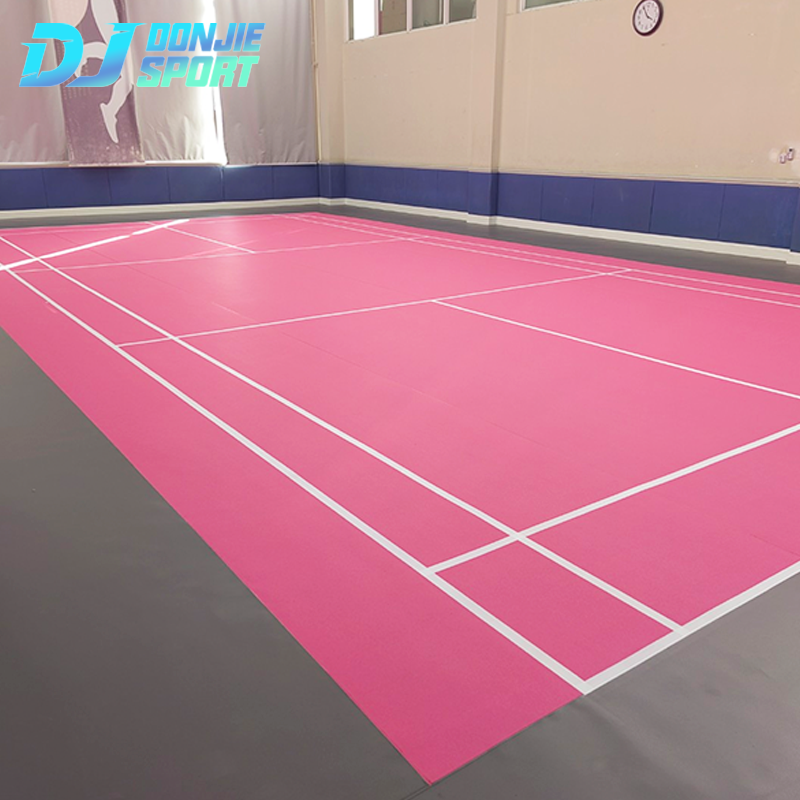
Understanding Different Types of Badminton Court Flooring Options
Wooden Flooring
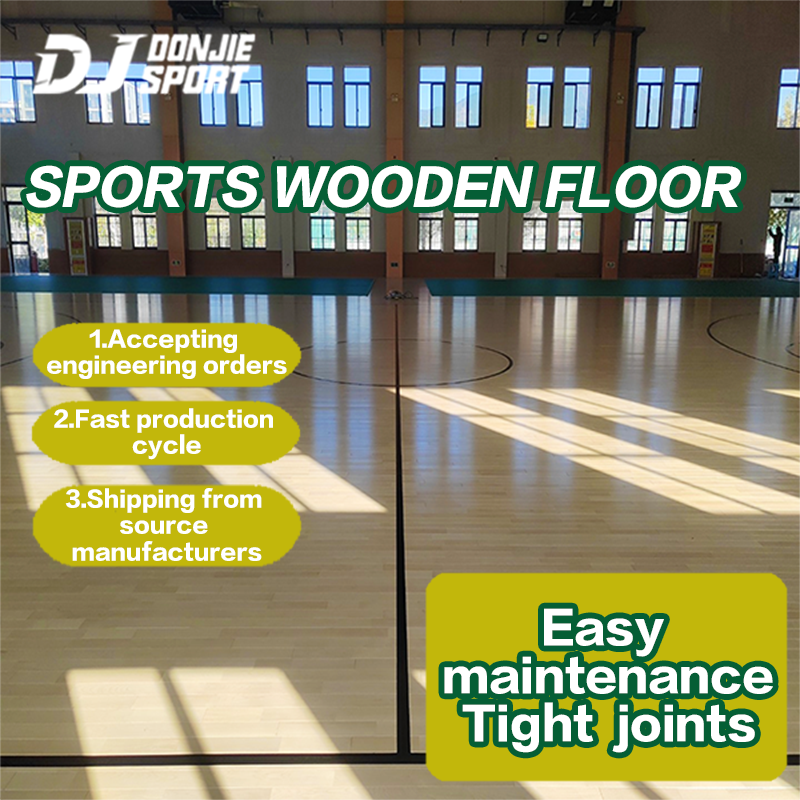
Wooden flooring is a classic and timeless choice for indoor badminton courts. It offers a traditional aesthetic and excellent playability, with a natural feel underfoot. This type of flooring is commonly used in professional arenas and high-level badminton facilities.
Pros:
-
Exceptional bounce and grip, ideal for competitive play.
-
Highly durable with proper maintenance, making it a long-term investment.
-
Provides a comfortable surface for players, reducing fatigue during extended games.
-
Aesthetic appeal, adding a prestigious look to any venue.
Cons:
-
Expensive installation costs, both for materials and labor.
-
Requires regular maintenance, including refinishing and resealing.
-
Susceptible to humidity and temperature changes, which can affect its stability.
Best for:
Wooden floors are ideal for venues with high traffic or professional use, where performance and longevity are key factors. They are suitable for gyms, indoor arenas, and large-scale badminton centers.
Synthetic Flooring
Synthetic flooring, typically made from rubber or vinyl, is a modern alternative to wood. It is engineered to withstand high levels of play while providing consistent performance. This option is often chosen for both its performance benefits and cost-efficiency.
Pros:
-
Durable and resistant to wear and tear, ideal for high-performance use.
-
Low maintenance compared to wooden flooring, with no need for refinishing.
-
Enhanced shock absorption, which helps reduce the risk of injuries.
-
Offers a variety of colors and designs to match your venue’s aesthetic.
Cons:
-
May not offer the same premium feel as wood for players who prefer traditional court surfaces.
-
Some synthetic materials can become slippery when wet, though this can be mitigated with non-slip coatings.
Best for:
Synthetic flooring is well-suited for sports halls, recreational centers, or any venue where cost-efficiency and minimal upkeep are priorities. It’s also a good option for schools or community courts.
Rubber Flooring
Rubber flooring is a popular choice for budget-conscious venues, providing durability and resilience at a lower price point. While it is not as common in high-end badminton courts, it is a practical option for recreational or multi-use spaces.
Pros:
-
Budget-friendly compared to wood or synthetic materials.
-
Excellent shock absorption, which helps protect players from impact injuries.
-
Long-lasting and resistant to damage from repeated use.
-
Easy to clean and maintain, reducing long-term costs.
Cons:
-
Can be too soft for high-level play, affecting the ball’s bounce and players’ movements.
-
May not provide the same level of traction as other flooring options.
-
Lacks the aesthetic appeal of wooden or synthetic floors.
Best for:
Rubber flooring is ideal for community centers, gyms, and multi-purpose venues where badminton courts are used alongside other sports. It’s perfect for venues on a tight budget that still require durable and comfortable flooring.
PVC Flooring
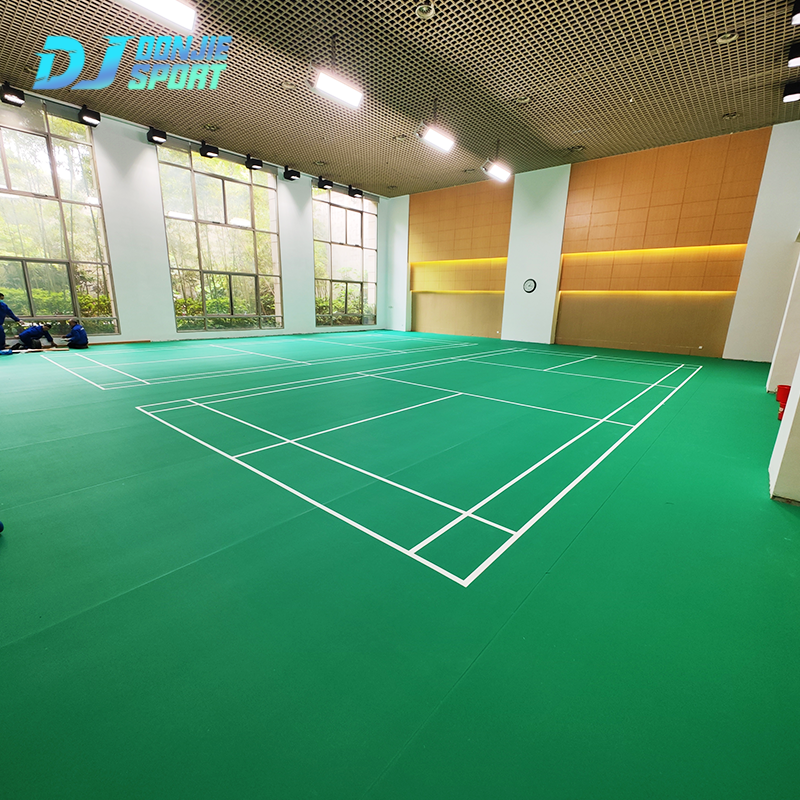
PVC (polyvinyl chloride) flooring is another cost-effective option that combines durability and performance. It is often used in both commercial and residential badminton courts due to its affordability and versatility. PVC flooring offers a balance of comfort, safety, and ease of maintenance.
Pros:
-
Highly affordable, making it an attractive choice for budget-conscious venues.
-
Non-slip surface, offering good grip for players.
-
Easy to install and maintain, with low long-term costs.
-
Resistant to stains, chemicals, and moisture, ensuring it stays in good condition over time.
Cons:
-
It may not offer the same level of aesthetic appeal as wood or premium synthetic flooring.
-
Depending on the material quality, PVC floors may wear out faster under heavy use.
-
Some lower-quality PVC options can feel less comfortable than other surfaces.
Best for:
PVC flooring is a great option for recreational venues, schools, and multi-use sports halls where the budget is limited but performance and safety are still important. It’s an excellent choice for those who want a low-maintenance yet effective solution.
Interlocking Tiles
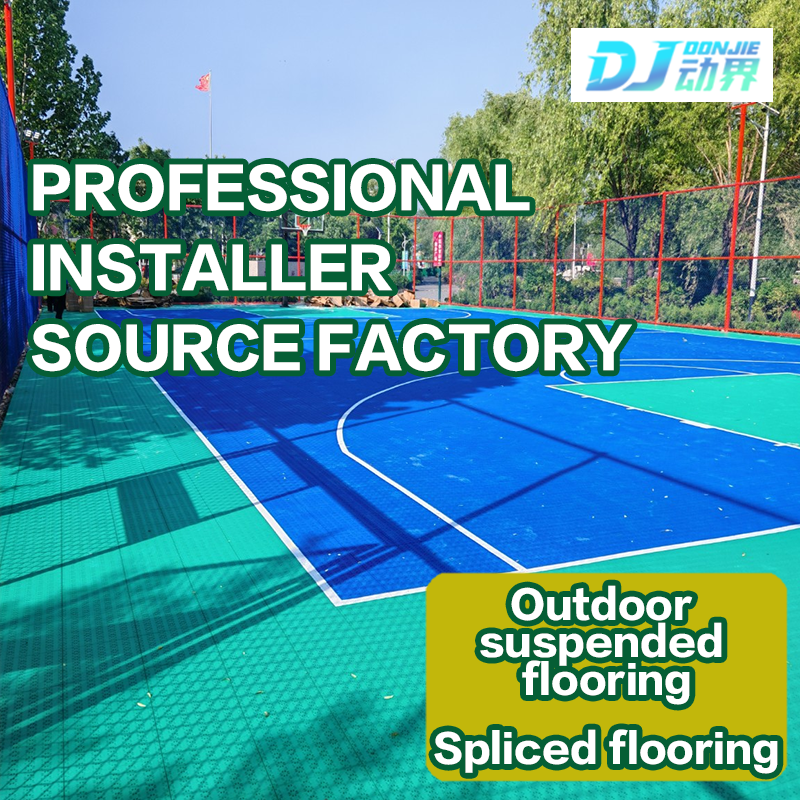
Interlocking tiles are a modular flooring solution that provides flexibility and convenience. These tiles are easy to install and replace, offering a customizable flooring option for badminton courts.
Pros:
-
Quick and easy installation without the need for professional labor.
-
Modular design allows for easy repair or replacement of damaged tiles.
-
Cost-effective compared to full-floor installations.
-
Available in various materials, including PVC and rubber, to suit different needs.
Cons:
-
The surface may not be as smooth or seamless as other flooring options.
-
Over time, tiles may shift or separate, causing inconsistencies in the playing surface.
-
May not provide the same level of bounce and grip as continuous flooring options like wood or synthetic materials.
Best for:
Interlocking tiles are ideal for temporary courts or facilities with limited budgets. They are also suitable for venues that require flexibility or need flooring that can be easily replaced or updated.
Factors to Consider When Choosing the Best Flooring for Your Budget
When selecting the right badminton court flooring for your venue, it’s important to consider several factors beyond just the upfront cost. These factors can affect the long-term performance and satisfaction of your players.
Durability and Longevity
Durability is a crucial factor in any flooring decision. Higher-end options like wooden or synthetic floors often have a longer lifespan but come with higher upfront costs. On the other hand, rubber and PVC floors may have a shorter lifespan, especially under heavy use, but are more affordable in the short term.
Maintenance Costs
Flooring types like wood require regular maintenance, such as refinishing and resealing, which can add to the long-term costs. Synthetic and PVC floors typically have lower maintenance requirements, making them a more cost-effective option over time.
Installation Costs
Wooden and synthetic floors can be costly to install, especially if professional labor is required. PVC and interlocking tiles offer a more budget-friendly installation, and in the case of tiles, you can save on labor costs as they can often be installed without professional help.
Safety and Performance
Safety is a top priority for any sports surface. Flooring materials like wood and synthetic options provide a high level of grip and shock absorption, which reduces the risk of injuries. For budget-conscious options like rubber or PVC, the performance may not always match that of higher-end materials, but they still offer adequate safety features for recreational use.
Aesthetic Appeal
While aesthetics may not be a top priority for every venue, the appearance of your court can play a significant role in attracting players and creating a positive atmosphere. Wooden floors offer a prestigious look, while synthetic and PVC options can come in a variety of colors and styles to match your venue’s design.
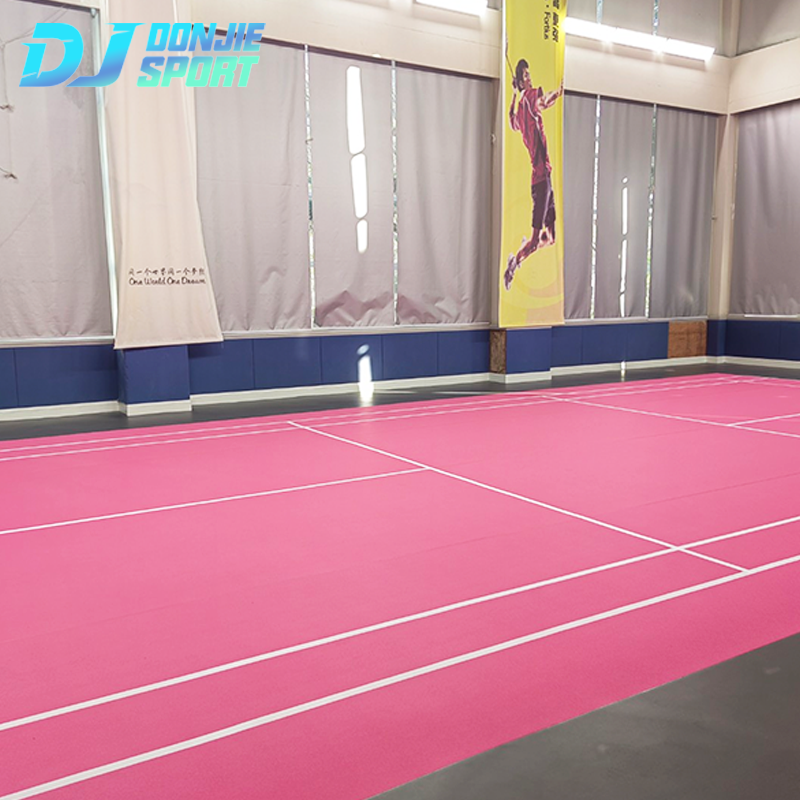
How to Choose the Right Flooring for Your Venue’s Needs
Choosing the right badminton court flooring depends on your venue’s specific needs, budget, and long-term goals. If you have a tight budget but still want reliable performance, synthetic or PVC flooring may be the best choice. For high-traffic, professional environments, investing in wooden or premium synthetic flooring will provide long-lasting durability and excellent player performance.
Consider how frequently the court will be used, the types of players (recreational vs. professional), and the overall aesthetic you want to achieve. By carefully weighing these factors, you can find the perfect flooring option that fits your budget and meets your performance requirements.
Finding the Best Flooring for Your Budget and Court Needs
Choosing the right flooring for your badminton court requires a balance between budget, performance, and long-term durability. Each flooring option has its unique set of benefits, so it’s important to consider how each will meet the specific needs of your venue. Whether you opt for the classic elegance of wooden flooring or the practicality of PVC and interlocking tiles, the right flooring will help ensure a safe, enjoyable experience for all players.