When it comes to sports halls, flooring is one of the most important factors in ensuring both safety and performance. In high-traffic sports halls, where hundreds of players might practice and compete daily, the flooring takes on significant wear and tear. Choosing the right flooring material can make all the difference between a safe, functional space and one prone to costly repairs or safety hazards.
Sports halls are often subjected to intense use, especially in high-traffic areas such as corridors, entryways, and courts. These areas see more foot traffic, heavy equipment movement, and intense sports activity, putting additional stress on the flooring. This is why selecting flooring that can withstand such heavy usage while maintaining its functionality and appearance is key to a successful sports hall environment.
High-traffic areas also require flooring that supports the athletes’ performance, ensures safety, and is easy to maintain. The right sports hall flooring will protect athletes from potential injuries, enhance their performance with proper traction, and ensure that your venue remains in top condition for years to come.
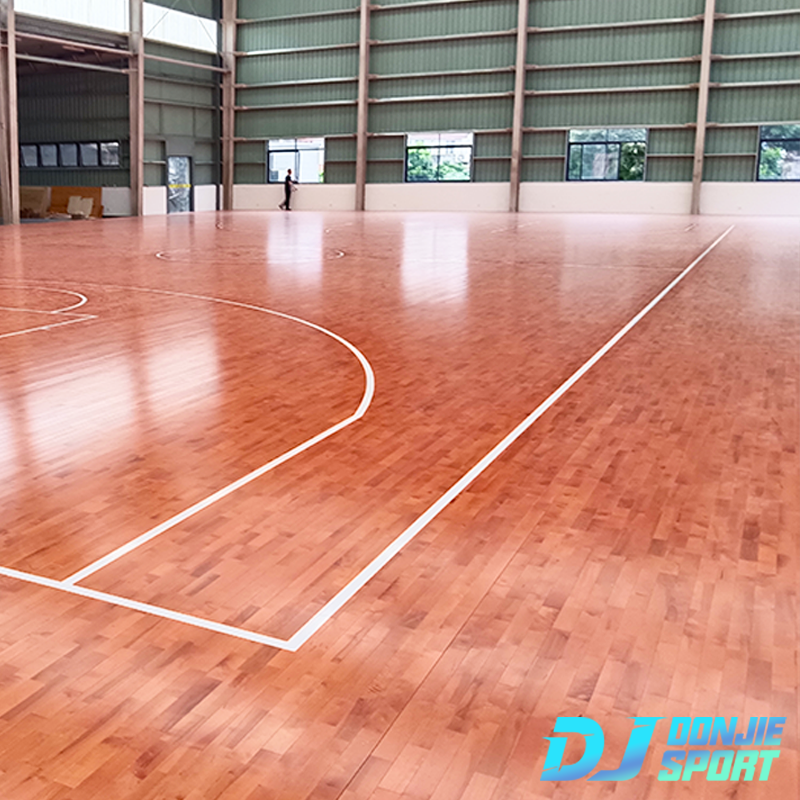
Understanding High-Traffic Areas in Sports Halls
High-traffic areas in sports halls are those zones that experience frequent foot traffic, intense physical activity, and the constant movement of sports equipment. These areas include courts, entryways, walkways, and seating areas, all of which are crucial to maintaining the functionality of the sports hall. For a flooring solution to be effective in these high-traffic zones, it must be able to withstand the pressure of constant use while maintaining its structural integrity and safety features.
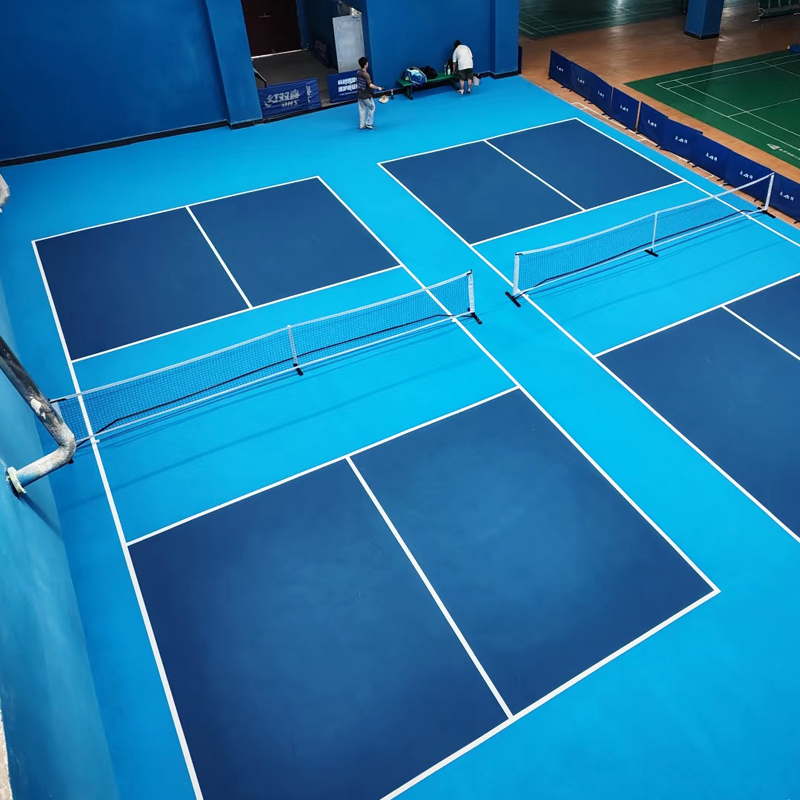
Common activities that contribute to the wear and tear in these areas include basketball, volleyball, table tennis, and pickleball. Each of these sports requires fast movements, sharp turns, and potentially high-impact actions that can cause significant damage to flooring that isn’t built for such stress. When choosing sports hall flooring, it’s vital to understand the amount of foot traffic and the type of activities that will be most common in these areas.
Flooring used in these high-traffic zones needs to support the athletes’ performance while providing the necessary cushioning to prevent injuries. It also needs to offer non-slip features to enhance safety, especially in areas where players are constantly pivoting or making quick movements. The challenge lies in selecting a material that combines durability with performance, which is why many sports venues turn to specialized flooring options designed to handle these specific demands.
Key Factors to Consider When Choosing Sports Hall Flooring
When choosing the best flooring for high-traffic sports hall areas, there are several critical factors to take into account. Let’s explore these factors in more detail:
Durability: High-traffic areas demand flooring that can endure extensive foot traffic and heavy physical activity without showing signs of wear too quickly. The material must be capable of maintaining its appearance and functionality even with frequent use. Flooring that chips, cracks, or wears down quickly will require constant repairs or replacement, which is both costly and inconvenient.
Safety: Safety is paramount in sports halls, especially in high-traffic areas where players are moving at high speeds and making rapid movements. The flooring must offer proper shock absorption to reduce the risk of injuries, such as sprains or fractures, and prevent slips. Non-slip surfaces are a must to ensure players can move freely and safely without worrying about the risk of falling.
Maintenance: High-traffic areas in sports halls are prone to dirt, moisture, and damage from athletic activities. Flooring that is easy to clean and maintain helps minimize downtime and repair costs. Materials that require minimal upkeep and can withstand frequent cleaning without deteriorating are essential for busy sports venues. Additionally, flooring that’s easy to repair can help extend the lifespan of the venue.
Aesthetic Appeal: Although function is the priority, the look of the flooring also matters. Aesthetically pleasing flooring enhances the overall environment of the sports hall, making it more inviting and professional. High-traffic areas benefit from flooring that not only performs well but also contributes to the venue’s visual appeal.
Top Flooring Options for High-Traffic Sports Halls
When it comes to high-traffic areas in sports halls, several flooring options are commonly used to meet the demanding conditions. Here are some of the best choices:
PVC Flooring
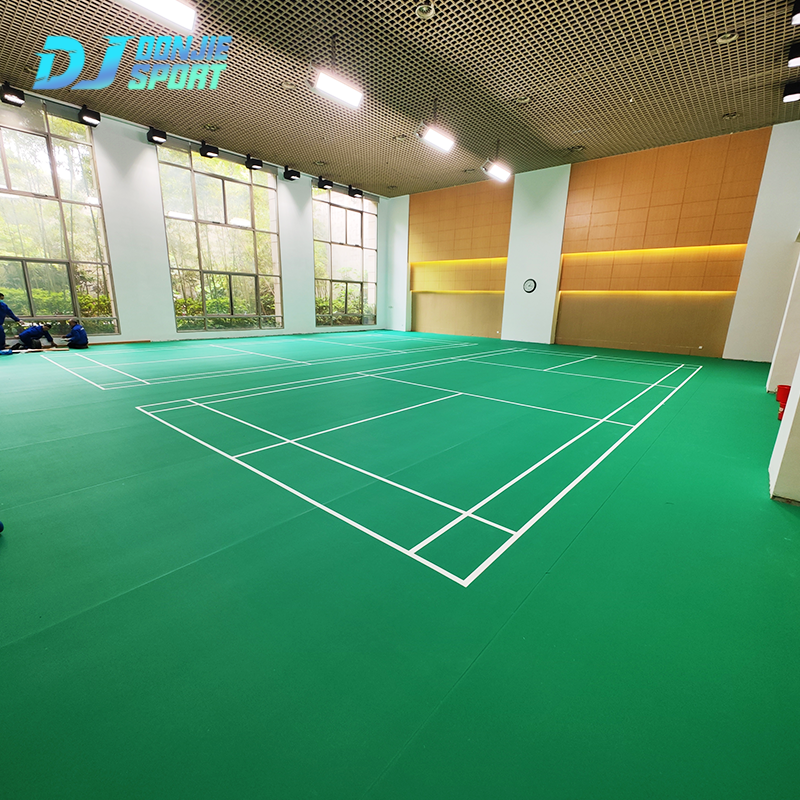
PVC sports flooring is an excellent choice for high-traffic areas due to its durability and cost-effectiveness. PVC flooring is made from polyvinyl chloride and is engineered to withstand heavy foot traffic, frequent cleaning, and the rigors of various sports. It is resistant to moisture, which makes it ideal for use in areas where athletes sweat or where water can be spilled, such as near water fountains or gym areas.
Rubber Flooring
Rubber sports flooring is another popular option for high-traffic areas, known for its resilience and ability to absorb shock. It provides excellent cushioning, reducing the risk of injuries during high-impact sports like basketball or pickleball. Rubber flooring is durable and resistant to stains, and it can handle the repeated stress of high-traffic zones. It’s also slip-resistant, ensuring the safety of athletes during intense activities.
Wooden Flooring
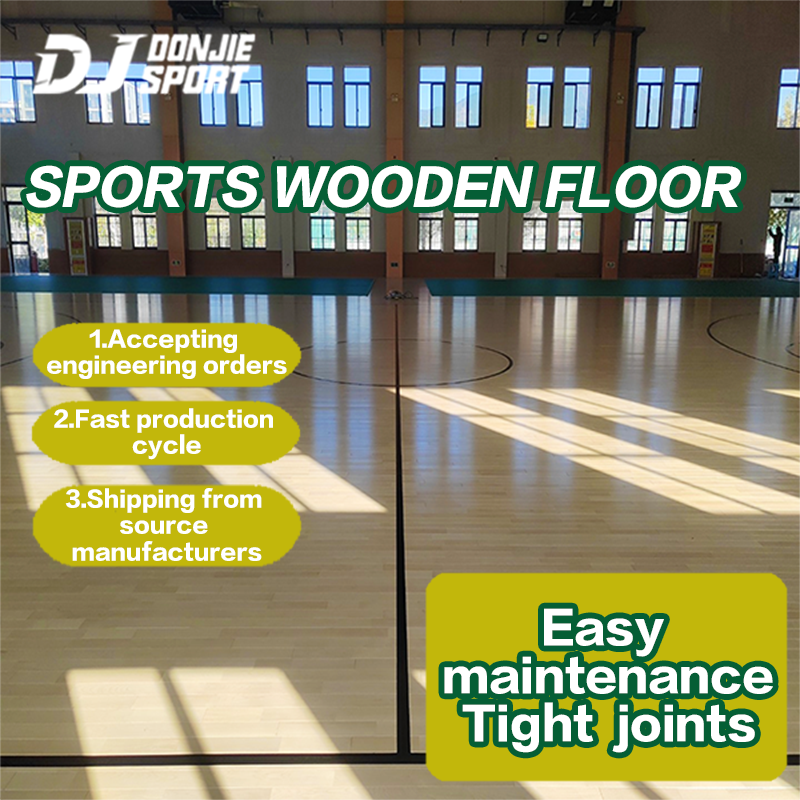
While wooden flooring may be less common in areas with extreme foot traffic, it remains a popular choice for its classic look and performance. Hardwood floors are especially common in basketball courts and are known for their ability to provide excellent traction and support. However, wood requires more maintenance than other flooring options to keep it in good condition over time, especially in high-traffic areas.
Interlocking Flooring Tiles
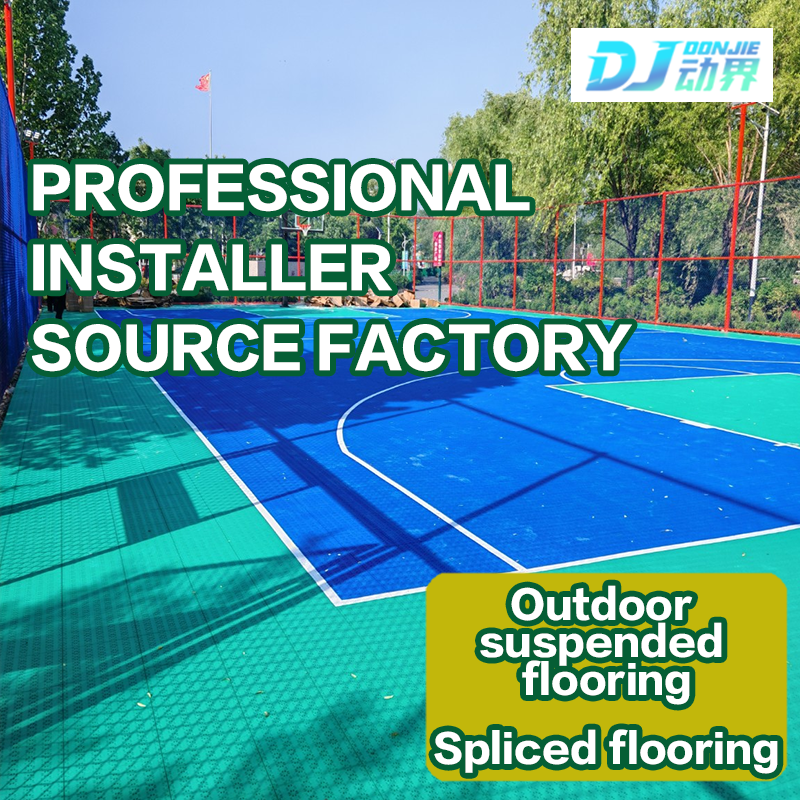
Interlocking flooring tiles are a versatile and cost-effective solution for sports halls. They are easy to install and can be replaced individually when damaged, making them ideal for high-traffic areas where wear and tear are common. These tiles are available in various materials, including PVC and rubber, and can be customized to suit the needs of the space.
Performance and Safety Features for High-Traffic Sports Flooring
In sports halls, particularly those used for pickleball or other fast-paced activities, flooring must provide consistent performance while prioritizing safety. Here are some important performance and safety features to consider:
Traction
Proper traction is critical for preventing slips, especially in high-traffic areas. Flooring with sufficient grip ensures players can make quick movements without the risk of sliding or losing control. This is especially crucial in sports like pickleball, where rapid lateral movements are frequent.
Cushioning
Shock absorption is vital in reducing impact on athletes’ joints and muscles. The right level of cushioning helps prevent injuries, particularly in high-intensity sports where athletes are jumping or pivoting frequently. Flooring materials such as rubber or vinyl can offer the cushioning needed for a safe and comfortable playing surface.
Stability
Floor stability ensures that the flooring remains securely in place despite constant foot traffic and high-impact activities. Unstable flooring can shift, causing hazards for players. Interlocking tiles or glued-down PVC flooring offer strong stability, minimizing the risk of movement during play.
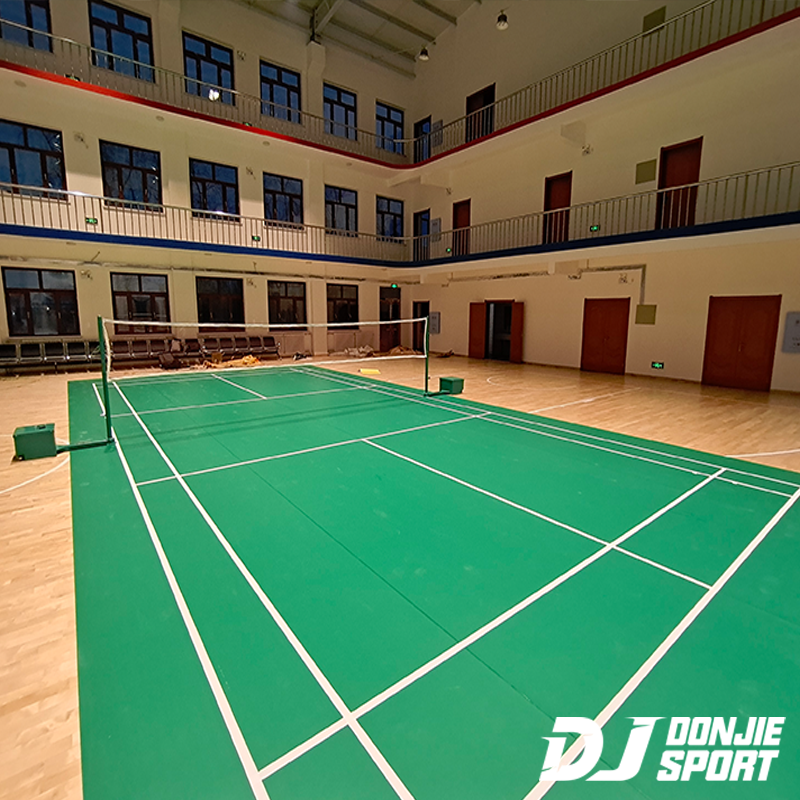
How to Maintain Sports Hall Flooring in High-Traffic Areas
Maintaining sports hall flooring in high-traffic areas is essential to ensuring its longevity and performance. Here are some maintenance tips:
Routine Cleaning
Frequent cleaning helps prevent the build-up of dirt, dust, and sweat, all of which can damage flooring over time. Use non-abrasive cleaning products designed for sports flooring to maintain the surface without causing wear.
Repairs and Replacements
Minor damage, such as scratches or dents, should be addressed promptly to avoid further deterioration. For interlocking tiles, replacing a single tile can solve the issue without needing to replace the entire floor. PVC and rubber floors can also be patched or repaired with minimal effort.
Protective Coatings
Consider applying a protective coating to your flooring to extend its lifespan. This can help prevent staining and improve resistance to wear and tear.
Making the Right Choice for Your Sports Hall
Choosing the best sports hall flooring for high-traffic areas is a critical decision that directly impacts safety, performance, and the long-term maintenance of your facility. By considering factors such as durability, safety features, ease of maintenance, and aesthetic appeal, you can select the flooring that best meets the needs of your venue. Whether you opt for PVC, rubber, wood, or interlocking tiles, ensure that the flooring you choose is built to withstand the demands of high-traffic areas, providing a safe and professional environment for athletes.